
Cart 0

Share
Table of Contents
Social Media SEO Generate More Traffic for Your Website
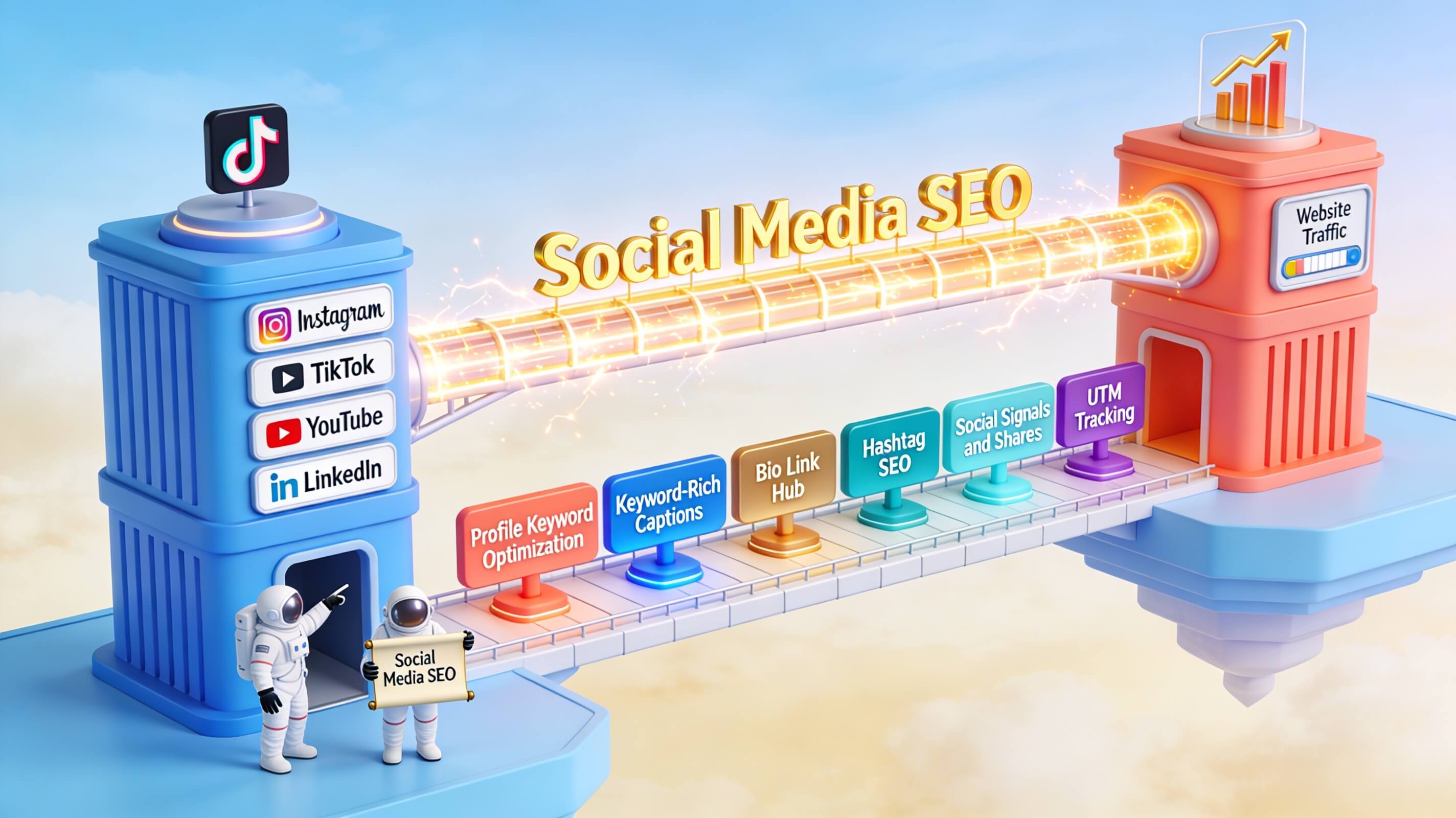
Social media SEO is the strategic practice of optimizing your social media profiles, content, and engagement patterns to increase visibility both within social platforms’ native search functions and on traditional search engines like Google. This dual-channel approach is no longer optional—it is essential for capturing the modern user’s attention. In 2024, nearly 40% of Gen Z users bypass Google entirely, turning to TikTok, Instagram, and YouTube for their search queries. This behavioral shift means your social content must be discoverable not just by followers but by anyone searching for solutions you provide. When executed correctly, social media SEO creates a synergy where your content appears in Google search results, captures platform-specific searches, generates valuable backlinks, and drives branded search traffic. This guide provides actionable strategies to optimize your presence across Instagram, TikTok, YouTube, and LinkedIn, transforming your social media efforts into a powerful traffic generation engine.
Understanding Social Media SEO in the Modern Digital Landscape
Social media SEO represents the intersection of social platform optimization and traditional search engine strategies. It recognizes that modern search behavior is fragmented—users fluidly move between Google searches, TikTok explorations, Instagram hashtag discoveries, and YouTube tutorials depending on their intent. This evolution demands a holistic approach where your brand is visible across multiple touchpoints.
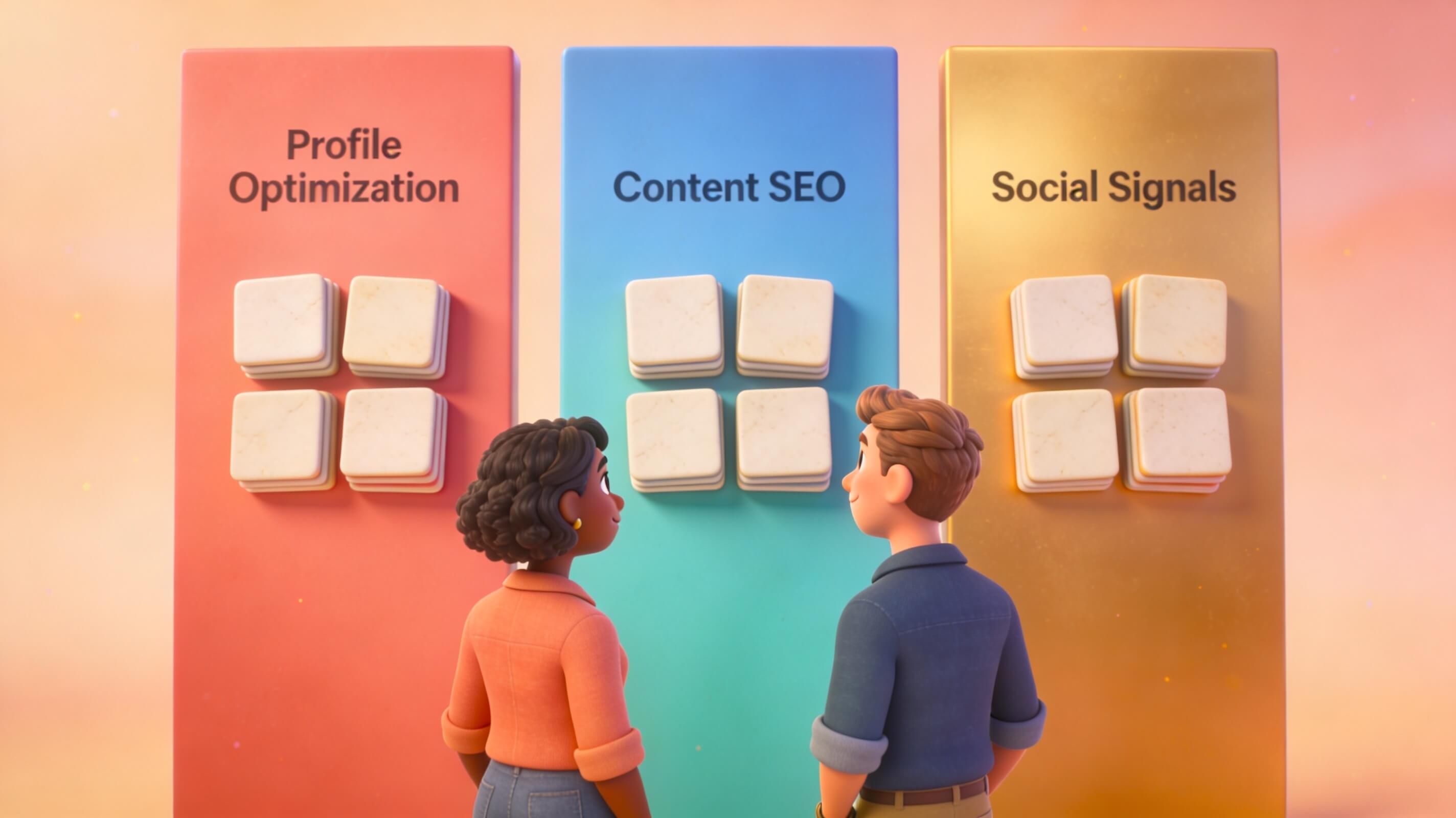
The core of social media SEO lies in optimizing your profiles, content, and engagement to rank within each platform’s search algorithm. For instance, TikTok’s internal search now drives 79% of video views, while YouTube remains the world’s second-largest search engine. Simultaneously, Google increasingly indexes social content, meaning a well-optimized Instagram Reel or LinkedIn article can appear in traditional search results. This dual visibility amplifies your reach exponentially.
Furthermore, social signals—likes, shares, comments—indirectly influence traditional SEO. While Google states these aren’t direct ranking factors, a Hootsuite study found articles promoted on social media achieve a 22% average increase in SEO results. This correlation stems from social content driving branded searches, generating backlinks, and improving user engagement metrics like dwell time and bounce rate. Understanding this interconnected ecosystem is the first step to leveraging social media SEO effectively.
The Measurable Business Impact of Social Media SEO
Implementing social media SEO delivers quantifiable returns across multiple business metrics. Brands that strategically optimize their social presence report significant improvements in traffic, engagement, and search visibility. Below is a summary of typical results observed over time.
| Impact Area | Measurement Metric | Typical Results | Timeframe |
|---|---|---|---|
| Referral Traffic | Website visits from social | 62% year-over-year increase | 6-12 months |
| Social Engagement | Likes, comments, shares, saves | 75-93% increase | 3-6 months |
| Backlink Acquisition | Quality referring domains | $508 average cost per link | Ongoing |
| Branded Search | Brand name query volume | Spike during viral moments | Days to weeks |
| Search Rankings | Organic position improvement | 22% average lift | 3-6 months |
| SERP Presence | Multiple properties ranking | 3-7 first-page results | 6-12 months |
Traffic from social media SEO differs qualitatively from paid advertising. Users discovering your brand through social search demonstrate higher intent—they spend more time on site, visit more pages, and convert at higher rates. This traffic also costs less to acquire long-term, requiring only content creation investment rather than perpetual ad spend. A case study by Neal Schaffer documented a brand achieving 62% year-over-year website traffic growth through TikTok SEO strategies alone, proving the tangible ROI of this approach.
Optimizing Social Media Profiles for Maximum Search Visibility
Your social media profiles function as secondary landing pages that often rank prominently in search results. Comprehensive optimization ensures these properties contribute positively to overall SEO performance while serving platform-specific discovery needs. Start with username selection—ideally, usernames should match or closely approximate your brand name across all platforms, creating consistency that reinforces brand recognition. When exact names aren’t available, incorporate relevant keywords; a fitness brand might use @BrandNameFitness rather than generic alternatives.
Profile names provide another keyword optimization opportunity. While usernames are restricted by uniqueness requirements, profile names can incorporate primary keywords. A digital marketing agency might display as “Brand Name | Digital Marketing Agency Toronto” rather than just the brand name, improving discoverability for relevant searches both within the platform and on Google. Bio sections demand strategic keyword integration while maintaining natural, compelling copy. Begin with your primary value proposition incorporating target keywords, then expand with secondary offerings and clear calls-to-action. Instagram permits 150 characters; LinkedIn offers 220 for the headline and additional space in the summary; Twitter (X) allows 160 characters. Use every character wisely.
Visual optimization contributes significantly to click-through rates from search results. Use high-resolution, professionally designed profile photos that remain consistent across platforms. Cover photos and header images provide additional real estate for messaging—consider incorporating text overlays highlighting current campaigns or key offerings. Every social profile includes link opportunities driving referral traffic. The primary website link should point to your most relevant landing page, often the homepage but potentially a dedicated landing page for social traffic. Platforms like Instagram and TikTok traditionally limited links to profiles only, driving development of link-in-bio tools. While these services provide functionality, they introduce unnecessary intermediary pages. Consider alternatives: Instagram now allows links in Stories for verified accounts and those with 10K+ followers, while TikTok added direct product links. When link-in-bio tools remain necessary, ensure the destination page loads quickly and displays clearly on mobile.
Platform-specific optimization techniques vary. LinkedIn’s algorithm heavily weights profile completeness—fully completed profiles receive significantly more visibility in search results. Customize your LinkedIn URL to your name or brand, improving both memorability and SEO value. LinkedIn profiles frequently rank on Google’s first page for personal names, making optimization especially valuable for personal branding. YouTube channel descriptions should comprehensively explain your content focus while incorporating target keywords naturally. Channel keywords (found in advanced settings) tell YouTube’s algorithm how to categorize your content—select 5-10 highly relevant terms. Organized playlists with keyword-rich titles help users discover related content while signaling topical authority to algorithms. Custom thumbnails dramatically impact click-through rates; design templates maintaining visual consistency while highlighting video-specific value. Instagram’s business and creator accounts provide access to insights and additional features. Select the most accurate business category—Instagram uses this for search and recommendation algorithms. Story Highlights act as permanent, organized content showcasing key topics; optimize highlight titles with relevant keywords. TikTok profiles remain relatively simple, but strategic optimization still matters. The bio’s 80-character limit demands concise, keyword-rich copy. Pin your best-performing or most important videos to the profile top, ensuring visitors immediately see high-quality content.
Creating Search-Optimized Social Media Content
Content creation for social media SEO requires balancing platform-specific best practices, search optimization principles, and genuine value delivery. Content that serves only algorithms fails to engage human audiences; content created solely for humans may never reach them due to poor discoverability. This balance is where true expertise lies.
Keyword research for social platforms differs from traditional SEO research. Begin by identifying topics your target audience actively searches within each platform. TikTok’s Creator Search Insights tool reveals which keywords users search, trending topics, and already-successful content for those terms. Instagram’s search bar shows suggested queries as you type, revealing popular searches. YouTube’s autocomplete similarly indicates common queries. Tools like Semrush and Ahrefs now include social keyword data alongside traditional search volume. These platforms identify keyword opportunities, analyze competitor content, and suggest related terms worth targeting. However, social search behavior skews toward natural language, questions, and trendy phrases more than traditional long-tail keywords. Incorporate both approaches—target structured keywords for discoverability while using conversational language for engagement.
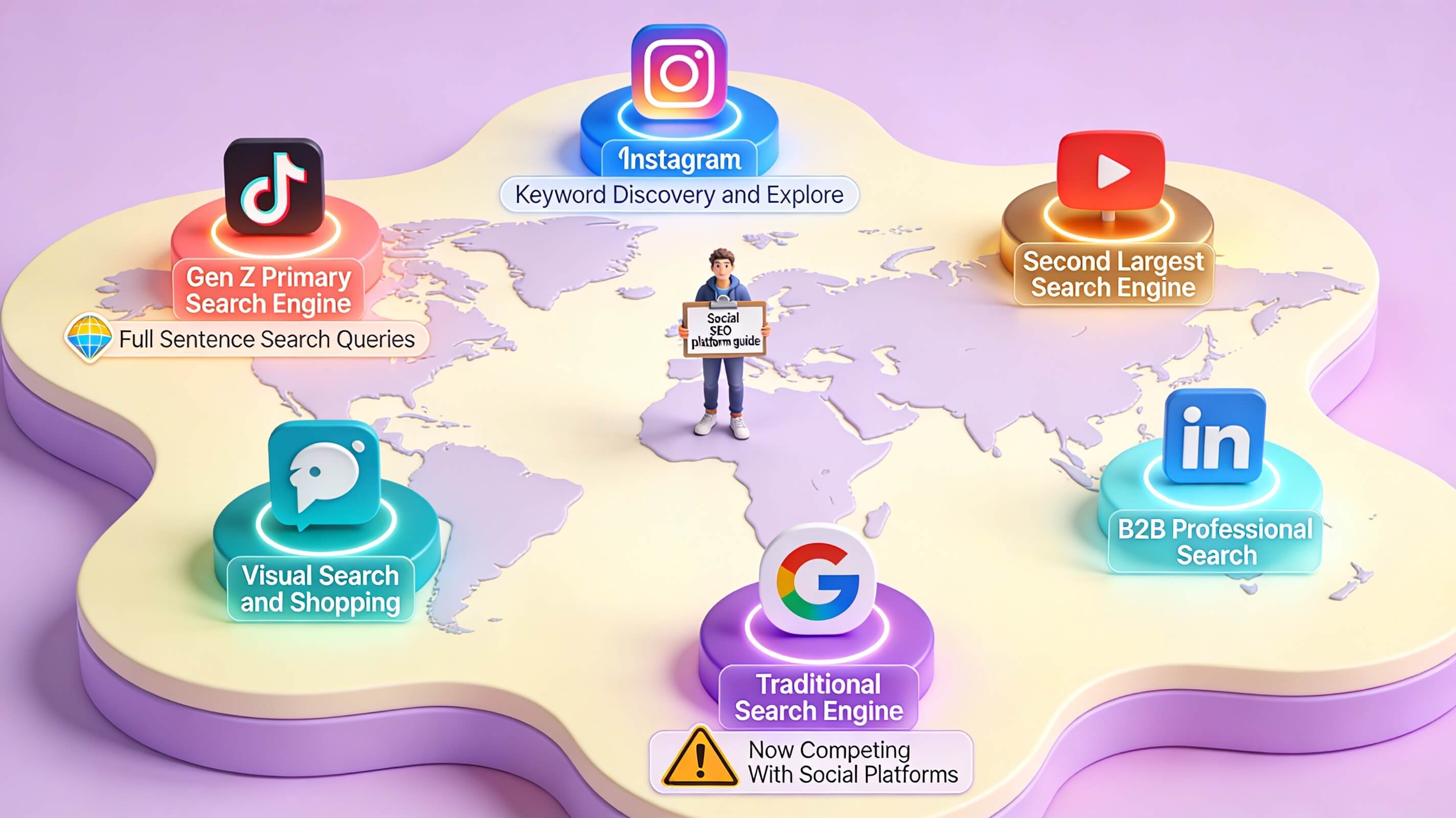
Content structure must appeal to both algorithms and human users. Social media algorithms in 2024 prioritize content that retains attention and generates meaningful engagement. Every platform emphasizes watch time or dwell time as critical ranking signals. Content must immediately capture attention through strong hooks—the first 1-3 seconds determine whether users continue watching or scroll past. Techniques include pattern interrupts (visual or audio changes maintaining interest), progressive disclosure (revealing information gradually), open loops (creating curiosity about what’s coming), and pacing optimization (matching content length to complexity). Captions serve dual purposes: providing context for viewers and supplying text for algorithms to understand content topics. Instagram, TikTok, and LinkedIn algorithms increasingly analyze caption text to categorize and recommend content. Incorporate target keywords naturally in captions’ first sentences where they receive maximum visibility and algorithmic weight.
Platform-specific content optimization requires nuanced approaches. Successful TikTok SEO combines Creator Search Insights data with engagement optimization. Use target keywords in video captions, text overlays, and spoken dialogue—TikTok’s algorithm can analyze audio. Strategic hashtag selection balances broad discovery hashtags, niche community hashtags, and branded hashtags. However, 2024 research indicates algorithms rely more on caption context and keywords than hashtag volume. Focus on 3-5 highly relevant hashtags rather than maximizing the 30-hashtag limit. TikTok’s algorithm heavily weighs early engagement—videos receiving strong interaction in the first hour gain exponentially broader distribution. Post when your audience is most active and consider engaging directly in comments during the critical first hour to boost signals. Instagram’s 2024 algorithm prioritizes Reels above static posts, with Reels dominating discovery and reach. Optimize Reels with keyword-rich captions (the first 125 characters appear without “more” click), descriptive alt text for accessibility and SEO, relevant location tags for local visibility, and strategic hashtag selection (Instagram recommends 3-5 rather than maximum 30). Carousel posts generate 1.92% engagement rates compared to single images, making them valuable for detailed content—structure carousels with strong opening slides capturing scrolling users’ attention, then delivering value progressively.
YouTube SEO remains closest to traditional search engine optimization given the platform’s maturity and Google ownership. Comprehensive optimization includes keyword-rich titles (front-load primary keywords while maintaining clickability), detailed descriptions (first 150 characters appear in search results; include keywords, timestamps, and relevant links), strategic tags (use specific tags for niche targeting and broader tags for category placement), and custom thumbnails (with high contrast, readable text, and consistent branding). YouTube’s closed captions and transcripts provide crawlable text helping algorithms understand content topics—either upload custom transcripts ensuring accuracy or review auto-generated captions for corrections. Mention target keywords naturally in spoken content—YouTube’s speech recognition identifies these references. LinkedIn content performs best when demonstrating professional expertise and thought leadership. The platform’s algorithm favors posts sparking meaningful professional discussion, measured through comments more than likes. Pose questions, share controversial (but professional) opinions, or request advice to encourage commenting. LinkedIn articles (different from standard posts) receive algorithmic promotion and rank in Google search results—publish comprehensive articles on professional topics incorporating target keywords, internal links to related content, and clear calls-to-action. These articles remain permanently accessible on your profile, accumulating long-term SEO value.
Leveraging Social Signals to Boost Traditional SEO Performance
While social signals don’t directly factor into Google’s ranking algorithm, their indirect influence on SEO performance is substantial and measurable. Understanding and optimizing these indirect pathways maximizes the SEO value extracted from social media efforts. Social content acts as a powerful backlink magnet—viral or highly engaging content naturally attracts backlinks from bloggers, journalists, and content creators monitoring trending topics. This dynamic makes social platforms valuable components of link building strategies. Create linkable assets—original research, comprehensive guides, unique visualizations, or controversial thought leadership—then promote these assets aggressively on social platforms. When content gains traction socially, proactively reach out to relevant publications highlighting the trending content and offering expert commentary. Many publications actively monitor social platforms for story ideas; trending content presents natural pitching opportunities. Track mentions of your brand or content using tools like Google Alerts, Mention, or BuzzSumo, then engage with authors who reference your work without linking, politely suggesting a link addition.
Active social media presence drives branded search volume as users encounter your brand on social platforms then search for more information. This “social-to-search halo effect” manifests in measurable branded search spikes following viral social moments, influencer mentions, or successful campaigns. To maximize this effect, ensure search experiences meet elevated expectations when users arrive from social platforms. Branded searches should return well-optimized results featuring your website prominently, accurate and compelling meta descriptions, optimized social profiles ranking on page one, and positive review profiles countering any negative content. When branded search volume spikes, capitalize immediately—users are maximally interested during these moments, making them prime conversion opportunities. User engagement metrics from social traffic also influence SEO indirectly. While Google doesn’t directly use social signals, it definitely measures user engagement with your website. Traffic arriving from social media that demonstrates positive engagement metrics—long session durations, multiple pages per session, low bounce rates, and conversion completion—signals content quality to search algorithms. Optimize landing pages specifically for social traffic with prominent social proof elements, video or visual content, clear navigation to related content, mobile-first design (social traffic skews heavily mobile), and frictionless conversion paths.
Social shares accelerate content discovery by search engines. When content is widely shared immediately after publication, search engines encounter multiple signals indicating freshness and relevance—social shares, increased direct traffic, inbound links—prompting faster indexing and potentially improved initial rankings. Coordinate content publication with social promotion. Publish new blog content, then immediately share across all social platforms. Encourage employee advocacy by making sharing easy for team members. Consider paid social amplification for particularly important content, investing modest budgets to jumpstart organic sharing and visibility. The compounding nature of these effects means early investments deliver accelerating returns as optimized content accumulates, authority builds, and audiences grow. A Moz analysis confirmed that content with strong social engagement consistently outperforms in organic search, validating this indirect pathway.
Measuring Social Media SEO Performance
Effective optimization requires systematic measurement connecting social activities to SEO outcomes. While attribution remains imperfect, several metrics reveal social media’s SEO impact. Direct performance metrics include referral traffic from social platforms—Google Analytics 4 categorizes traffic by source, revealing visit volume from each social platform. Track not just quantity but quality by analyzing engagement metrics (bounce rate, pages per session, average session duration) and conversion rates for social traffic compared to other channels. Social search rankings provide another direct metric—monitor how your content ranks within each platform’s search function by searching for your target keywords on TikTok, Instagram, YouTube, and LinkedIn to identify ranking positions. Tools like Social Blade and Metricool provide social search ranking data for some platforms. Profile rankings in traditional search should also be tracked—regularly search for your brand name and key personnel names in Google, noting which social profiles appear and at what positions.
Engagement signal metrics reveal content resonance. Track core engagement metrics across platforms: likes and reactions, comments and replies, shares and retweets, saves and bookmarks, video completion rates, and follower growth rate. Analyze these metrics both in aggregate and for individual pieces of content to identify what resonates most strongly. Calculate engagement rates (total engagement divided by reach or impressions, multiplied by 100) for accurate performance comparison across content with different reach levels. Rising engagement rates indicate improving content-audience fit even if absolute numbers fluctuate due to audience size changes. Branded search volume monitoring through Google Search Console reveals branded search impression and click volumes—monitor for spikes correlating with social media activities like viral posts or influencer mentions. Google Trends provides comparative branded search interest over time and across geographic regions. Increases in branded search volume indicate growing awareness often driven by social media presence. Backlink acquisition from social amplification should be tracked using backlink analysis tools like Ahrefs, Semrush, or Moz to monitor new referring domains. When investigating new backlinks, trace discovery paths—many linkers discover content through social media sharing. Document these instances to quantify social media’s link building contribution. Finally, monitor overall SEO performance correlation by tracking broader SEO metrics—organic traffic, ranking positions, domain authority—alongside social media efforts. While isolating social’s precise contribution proves difficult, sustained social media SEO efforts should correlate with general SEO improvement.
Advanced Social Media SEO Strategies for 2024
Beyond foundational optimization, advanced strategies compound social media SEO effectiveness by leveraging platform-specific opportunities and emerging trends. Cross-platform content syndication maximizes content ROI while capturing audience segments preferring different platforms. Create pillar content on owned platforms (blog, YouTube, podcast), then strategically repurpose across social platforms optimized for each channel’s format and audience preferences. A comprehensive blog post becomes TikTok video series (bite-sized concepts), Instagram carousel (visual summary), LinkedIn article (professional perspective), YouTube video (detailed explanation), Twitter thread (key takeaways), and Pinterest pins (visual highlights). Each piece, properly optimized, ranks in its respective platform’s search function and potentially in Google’s universal search results. The varied content types also generate diverse backlink opportunities as different audiences discover and share preferred formats.
Influencer collaboration for amplification exponentially extends content reach and generates valuable backlinks. When influencers share or reference your content, their audiences discover your brand, potentially searching for more information (branded search boost) and linking to your resources in their own content. Select collaborators based on audience alignment rather than pure follower counts. Micro-influencers with highly engaged niche audiences often deliver superior ROI compared to macro-influencers with larger but less engaged followings. Structure partnerships to include specific deliverables supporting SEO goals—content featuring clickable links where permitted, brand name mentions encouraging searches, and genuine product usage generating authentic testimonials. User-generated content amplification encourages customers to create and share content featuring your products or services. User-generated content provides authentic social proof, generates engagement, creates indexable content containing your brand name and products, and occasionally earns quality backlinks when particularly creative UGC gets featured in publications or blogs. Incentivize UGC through contests, featured customer spotlights, resharing practices, and branded hashtag campaigns. Curate and republish the best UGC on your owned channels (with permission), extending its lifespan and reach. UGC featuring specific products and detailed experiences often ranks in social search when other users search related terms.
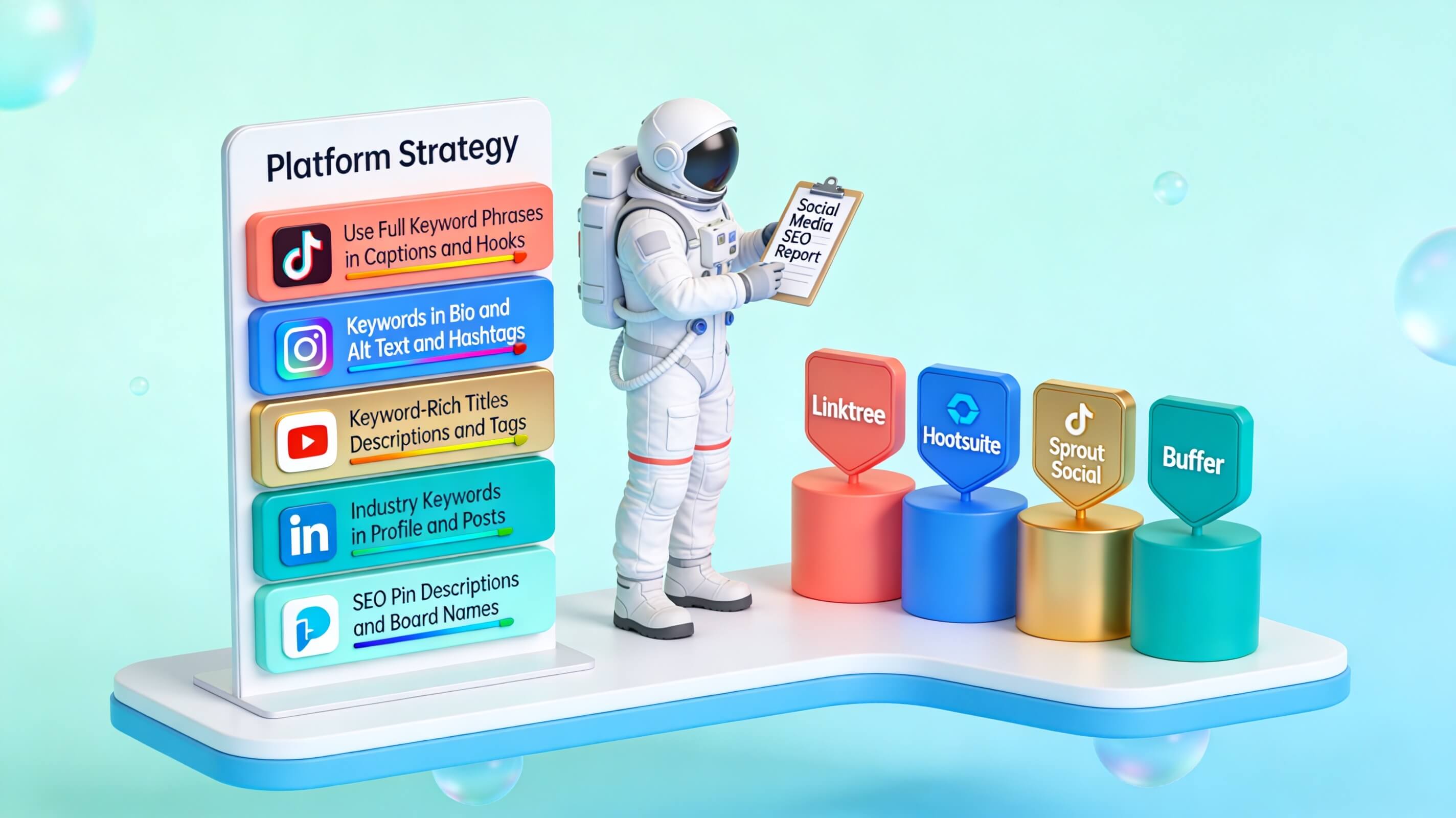
Social listening for content opportunities involves monitoring social conversations to identify emerging topics, common questions, and content gaps presenting optimization opportunities. Tools like Mention, Brandwatch, and Sprout Social track brand mentions, industry keywords, and competitor activities across social platforms. Create content addressing frequently asked questions discovered through social listening—these questions represent real search intent, and content directly addressing them ranks well due to clear intent alignment. Integration with emerging AI search is becoming increasingly important. AI-powered search tools like ChatGPT, Perplexity, and Google’s AI Overviews increasingly reference social media content in responses. Optimize for AI visibility by creating content with clear, concise answers to specific questions, comprehensive coverage of topics establishing authority, citation-worthy data and original research, and structured formatting facilitating AI extraction. Social media content that performs well on platforms and demonstrates authority increasingly influences AI search results. Track brand mentions in AI platforms using tools like Search Atlas or manual monitoring to understand how AI systems perceive and reference your brand.
Conclusion
Success with social media SEO in 2024 demands strategic integration rather than siloed execution. The most effective approach recognizes that social media and traditional SEO aren’t competing channels but complementary components of unified digital visibility. Begin with foundational profile optimization across all relevant platforms—LinkedIn, Instagram, TikTok, YouTube, and emerging platforms where your audience actively searches. Ensure consistency in branding, messaging, and keyword targeting while respecting each platform’s unique culture and content preferences. Invest in high-quality content creation that delivers genuine value to target audiences while incorporating strategic keywords naturally.
Develop systematic measurement connecting social activities to SEO outcomes. While perfect attribution remains elusive, directional insights—branded search spikes following social success, backlinks traced to social amplification, improved engagement metrics for social traffic—validate strategy effectiveness and inform optimization. The digital landscape will continue evolving. New platforms will emerge, algorithms will adjust, and user behaviors will shift.

Comments are closed.