Cart 0

Share
Table of Contents
SEO Alternative Methods to Drive Website Traffic
If you’re relying solely on traditional search engine optimization to grow your website traffic, you’re leaving a massive opportunity on the table. While foundational SEO remains essential, the most effective digital strategies in 2024 integrate SEO alternative methods that extend beyond keyword stuffing and meta tags. These complementary approaches—ranging from off-page authority building to social media amplification and technical infrastructure—allow you to reach untapped audiences, improve engagement, and achieve measurable business growth. The truth is, search engines are no longer the only gatekeepers of discovery; users now find content through social platforms, voice assistants, and community-driven recommendations. By exploring these alternative methods, you can create a diversified traffic ecosystem that is resilient to algorithm updates and competitive shifts. This article provides a comprehensive, expert-level guide to implementing these strategies, ensuring your website captures visibility across multiple channels while building sustainable authority. Whether you’re a seasoned marketer or a business owner seeking growth, understanding these methods is critical for staying ahead in an increasingly crowded digital landscape.
Exploring Off-Page SEO Tactics and Backlink Building Strategies
Off-page SEO remains one of the most powerful SEO alternative methods for building domain authority and driving referral traffic. Unlike on-page optimization, which focuses on your own site, off-page tactics leverage external signals to tell search engines that your content is trustworthy and valuable. High-quality backlinks from authoritative sources are the cornerstone of this approach. A single link from a domain with a DA of 60+ can deliver more ranking power than dozens of links from low-quality directories. However, the key is to prioritize relevance over sheer volume; a backlink from a niche industry publication carries far more weight than a generic spammy link.
Strategic guest blogging remains one of the most reliable methods for acquiring these valuable links. By contributing well-researched articles to reputable sites in your industry, you not only earn contextual backlinks but also establish yourself as a thought leader. For example, a cybersecurity firm might write a guest post for a tech news outlet, linking back to a detailed case study on their website. This drives direct referral traffic from readers interested in the topic while signaling topical authority to search engines. According to Moz, guest blogging continues to be a top-tier tactic for link building when executed with genuine value.
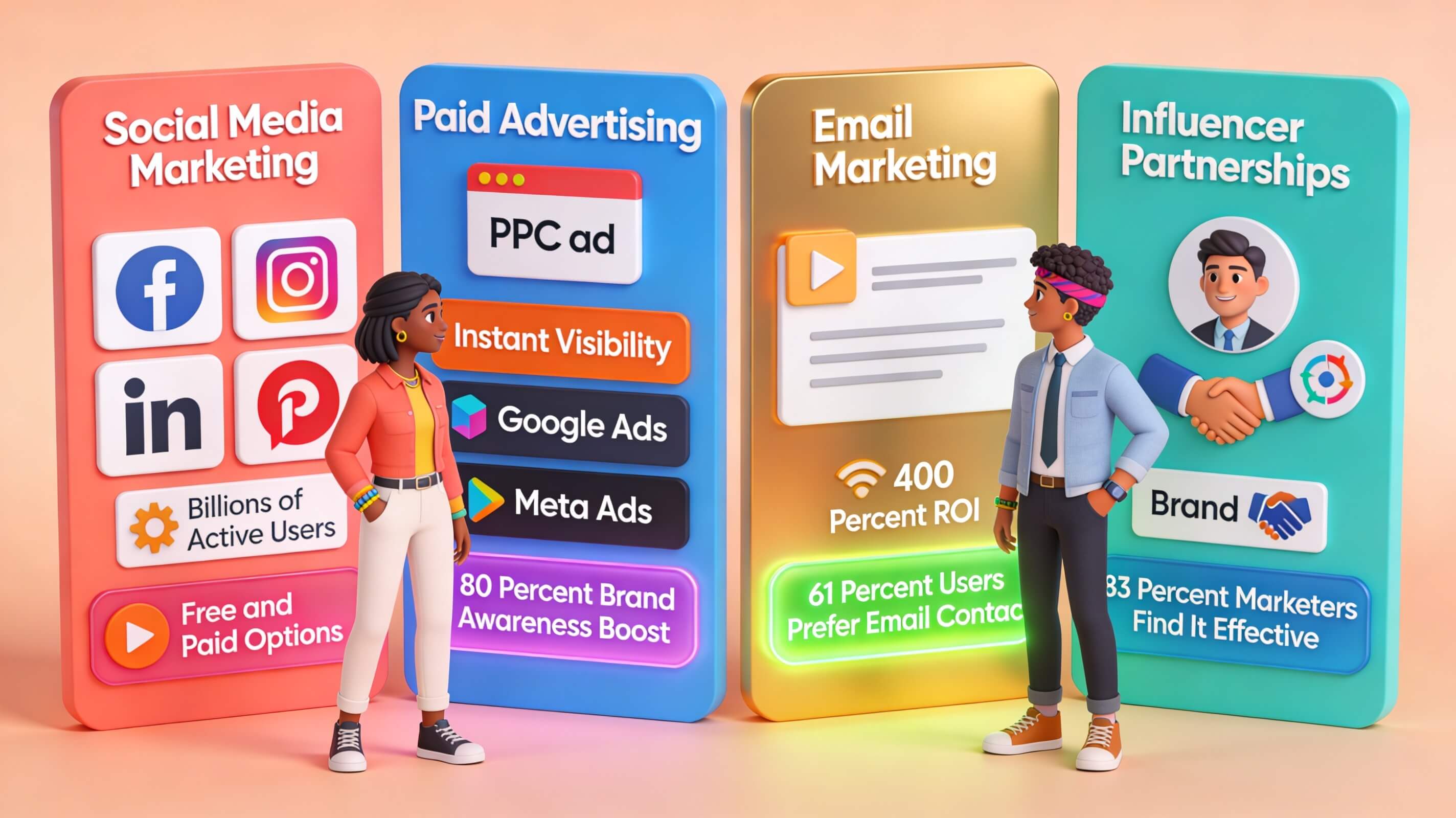
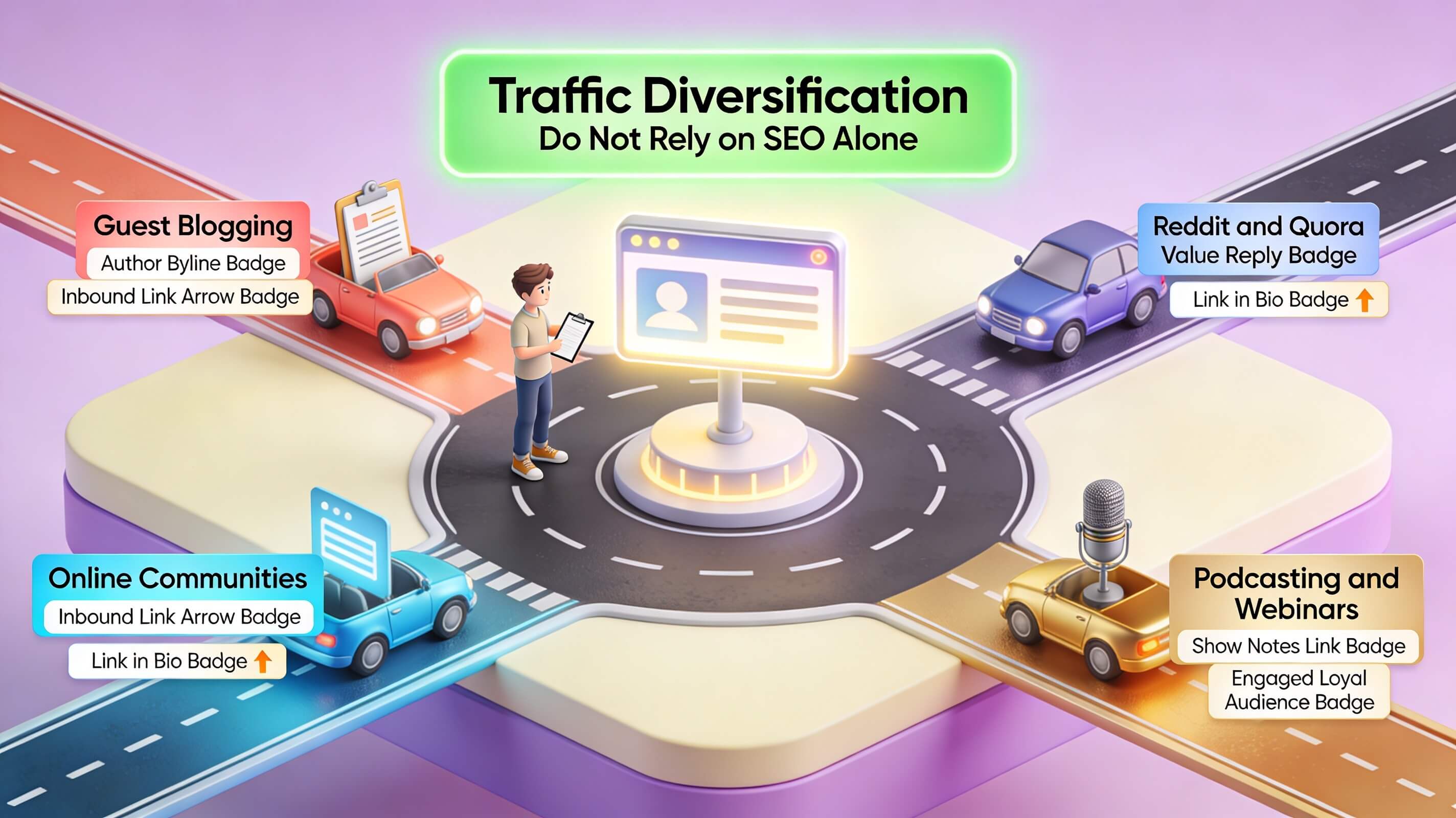
Beyond guest posting, social media engagement creates natural linking opportunities. When your content is shared on platforms like LinkedIn or Twitter, it gains visibility among influencers and journalists who may link to it in their own articles. Similarly, participating in niche communities on Reddit or Quora allows you to answer questions with helpful links, driving targeted traffic from users actively seeking solutions. Influencer partnerships also amplify this effect; collaborating with industry experts to co-create content or host webinars exposes your brand to established audiences while earning high-authority backlinks from their domains.
It’s critical to avoid black-hat practices like buying links or participating in link farms. Search engines, particularly Google, have become adept at detecting manipulative patterns. Instead, focus on creating linkable assets—comprehensive guides, original research, infographics, or interactive tools—that naturally attract citations. A well-executed content promotion strategy, using tools like Ahrefs for outreach, can accelerate this process. Remember, off-page SEO is a long-term investment; consistent effort over 3–6 months yields compounding returns as your authority grows.
| Backlink Strategy | Authority Impact | Traffic Benefit | Implementation Timeline |
|---|---|---|---|
| Guest blogging | High-quality links from niche authorities | Direct referral traffic + SEO boost | 3–6 months |
| Social media engagement | Indirect authority through amplification | Viral reach + social referrals | Immediate to 2 weeks |
| Influencer partnerships | High-authority domain backlinks | Audience exposure + quality traffic | 2–4 weeks |
| Content promotion | Natural backlinks from community sites | Targeted audience discovery | 1–2 weeks |
Optimizing On-Page SEO Elements for Maximum Visibility
On-page optimization is the foundation of any successful traffic strategy, but it must be approached with depth and intent. Many marketers still focus solely on keyword density, but modern SEO alternative methods require a holistic understanding of user intent and content structure. Thorough keyword research goes beyond identifying high-volume terms; it uncovers the specific questions and problems your audience seeks to solve. For instance, a user searching “best running shoes for flat feet” has a different intent than someone searching “running shoe reviews.” The former seeks a solution to a specific problem, while the latter is in a comparison phase. Tailoring your content to match these intents increases relevance and engagement.
Meta tags and header hierarchies remain essential. Your meta description, though not a direct ranking factor, heavily influences click-through rates. A compelling description that includes the target keyword and a clear value proposition can boost CTR by 20–30%, as noted by Backlinko. Headers (H1, H2, H3) organize content for both users and search engines. Using keyword-rich headers helps search engines understand the structure of your content while making it scannable for readers. Alt text for images serves a dual purpose: it helps visually impaired users understand the content and provides search engines with context about images, which can appear in image search results.
Content depth is a critical differentiator. Long-form content of 2,500–3,500 words consistently outperforms shorter pieces for competitive keywords. This isn’t about fluff; it’s about covering a topic comprehensively. A guide to “SEO alternative methods” should address off-page, on-page, technical, content, social, local, and analytics aspects—each with actionable insights. When you answer every related question within a single resource, search engines recognize your page as a comprehensive authority, boosting its rankings. Internal linking further reinforces this by connecting related content, distributing page authority, and guiding users to deeper resources.
Harnessing Technical SEO to Improve Crawlability and Indexing
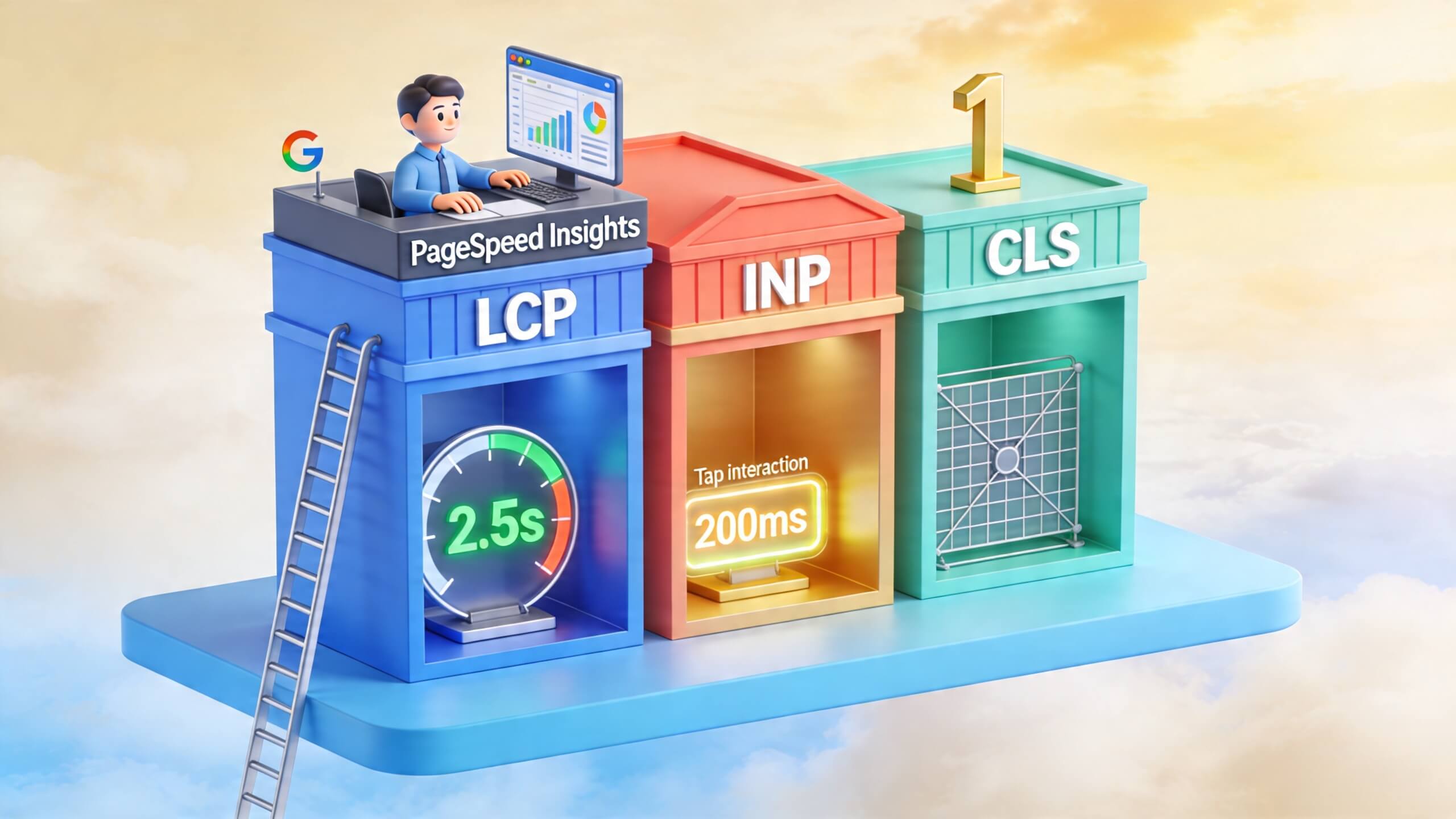
Technical SEO is the invisible infrastructure that makes all other efforts possible. Without a solid technical foundation, even the best content and backlinks won’t deliver results. Search engines must be able to discover, crawl, and index your pages efficiently. This includes optimizing site speed, ensuring mobile responsiveness, and implementing proper site architecture. In 2024, Google’s Core Web Vitals—specifically Largest Contentful Paint (LCP), First Input Delay (FID), and Cumulative Layout Shift (CLS)—are direct ranking factors. A site that loads in 3 seconds or less has a bounce rate under 40%, while slower sites see significantly higher abandonment.
Mobile optimization is no longer optional. With over 60% of searches occurring on mobile devices, Google uses mobile-first indexing, meaning it primarily evaluates the mobile version of your site for ranking. This requires responsive design that adapts to different screen sizes, touch-friendly navigation, and readable font sizes without zooming. Tools like Google PageSpeed Insights provide actionable recommendations for improvement, such as image compression, JavaScript minification, and leveraging browser caching.
Structured data markup using schema.org vocabulary is another powerful SEO alternative method. By adding schema to your pages, you help search engines understand the context of your content. For example, product schema can generate rich snippets with pricing and availability in search results, potentially boosting CTR. FAQ schema allows your content to appear in voice search results and featured snippets. Article schema signals publication date and author, which is particularly valuable for news and blog content. XML sitemaps guide search engines through your site structure, ensuring all important pages are discovered and indexed promptly.
Leveraging Content Marketing as a Primary Traffic Driver
Content marketing is arguably the most sustainable SEO alternative method because it builds trust and authority over time. Unlike paid advertising, which stops generating traffic when the budget runs out, valuable content continues to attract visitors months or even years after publication. The key is to create content that addresses your audience’s pain points, answers their questions, and provides genuine value—not just promotional messaging. When you solve real problems, your content earns shares, backlinks, and engagement naturally.
Effective content marketing begins with understanding the user journey. A potential customer searching “how to fix a leaky faucet” is in the awareness stage, while someone searching “best plumbing services in Chicago” is in the decision stage. Your content should cater to each stage. For informational queries, create detailed guides and tutorials. For commercial queries, produce comparison articles and case studies. This alignment with search intent increases relevance and conversion rates.
Diversifying content formats multiplies your reach. Blog articles are foundational, but videos capture visual learners and appear in YouTube search results. Infographics compress complex information into shareable visuals. Podcasts reach audiences during commutes or workouts. Interactive tools like calculators or quizzes provide immediate utility while gathering user data. For example, a mortgage lender might create a “how much house can I afford” calculator, which attracts high-intent traffic and generates leads. According to Content Marketing Institute, brands that prioritize content marketing see 3x more leads than those that don’t.
Maximizing Social Media Marketing for SEO Benefits
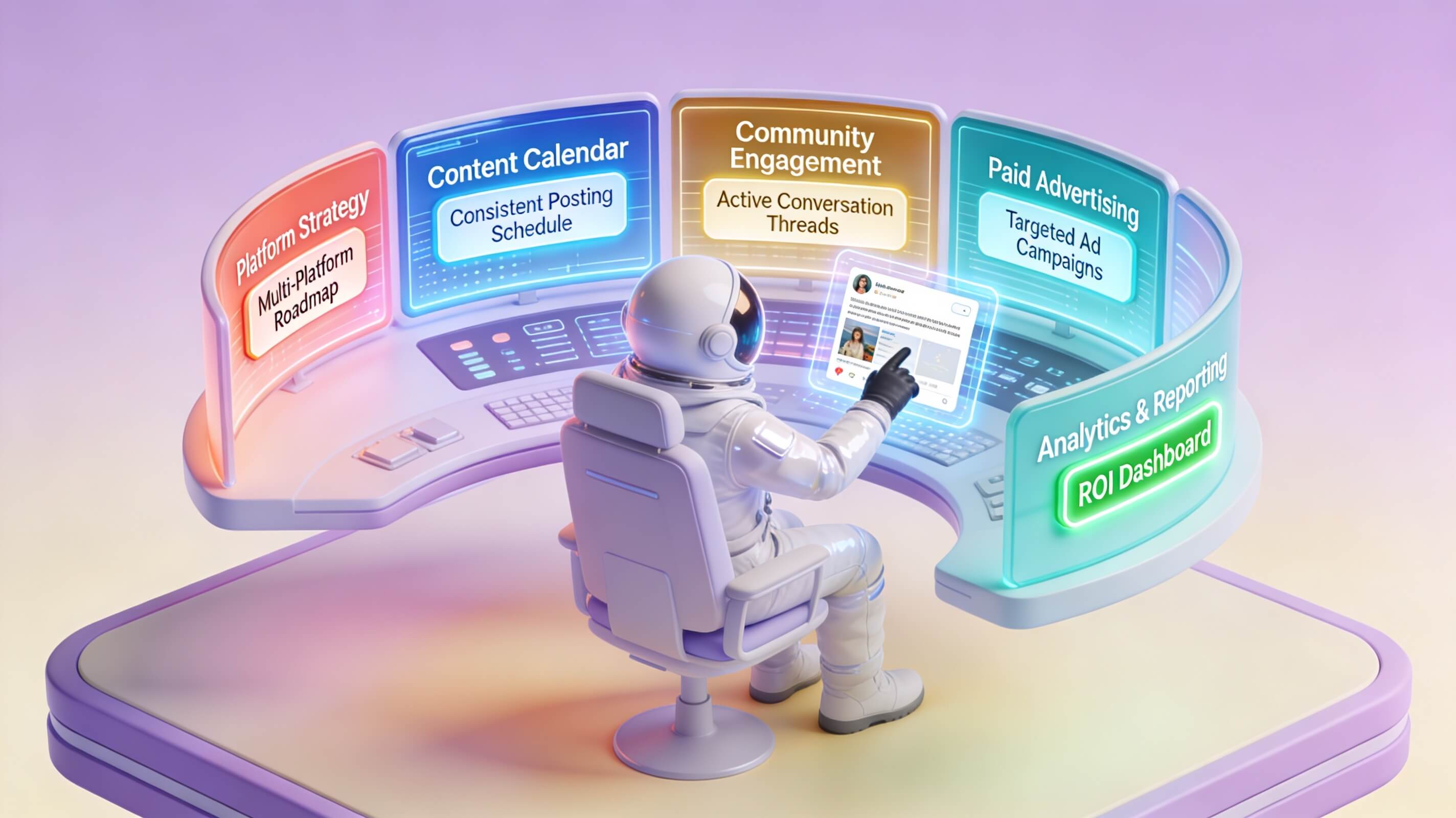
While social media signals don’t directly influence Google rankings, their indirect impact on SEO alternative methods is substantial. Social platforms have evolved into powerful discovery engines. When your content is shared widely, it gains visibility among influencers and journalists who may link to it. It also drives branded search volume—users who see your content on social media are more likely to search for your brand later, signaling relevance to search engines.
Platform-specific optimization is critical. LinkedIn’s professional audience responds well to thought leadership and industry insights. Instagram requires high-quality visuals and short-form video. TikTok’s algorithm rewards watch time and completion rates, making engaging hooks essential. Twitter thrives on real-time commentary and conversation. Each platform demands a tailored approach, but the common thread is providing value. A B2B software company might share a detailed case study on LinkedIn, while a fashion brand posts behind-the-scenes videos on Instagram.
User-generated content (UGC) deserves special emphasis. Customer reviews, testimonials, and shared experiences provide authentic social proof while generating keyword-rich content that search engines index. Encouraging UGC through hashtag campaigns or contests can amplify your reach exponentially. For instance, Starbucks’ #RedCupContest generates thousands of user posts annually, driving massive social engagement and branded search traffic. Influencer collaborations extend your reach to established communities with demonstrated interest in your niche, often resulting in high-quality backlinks and direct referrals.
Implementing Local SEO Optimization for Geographic Visibility
For businesses serving specific geographic areas, local SEO is an indispensable SEO alternative method. Optimizing for local search ensures your business appears in map packs and local results when users search for services near them. Google My Business (GMB) optimization is foundational. A complete profile with accurate business name, address, phone number, hours of operation, photos, and regular posts significantly increases visibility. According to Search Engine Journal, businesses with complete GMB profiles are 2.7x more likely to be considered reputable.
Online reviews are a critical local ranking factor. Positive reviews improve visibility in local search results and build trust with potential customers. Encourage satisfied customers to leave reviews on Google, Yelp, and industry-specific directories. Responding to all reviews—positive and negative—demonstrates customer commitment and provides opportunities to address concerns. This engagement also signals to Google that your business is active and responsive.
Local directory listings on platforms like Yelp, Yellow Pages, and TripAdvisor provide valuable backlinks while increasing local visibility. Consistency is key; ensure your NAP (name, address, phone) information is identical across all directories to avoid confusing search engines. Schema markup for local businesses enhances search results with ratings, opening hours, and service areas, making your listing more attractive to users.
Integrating SEO Alternative Methods Across Digital Marketing Channels
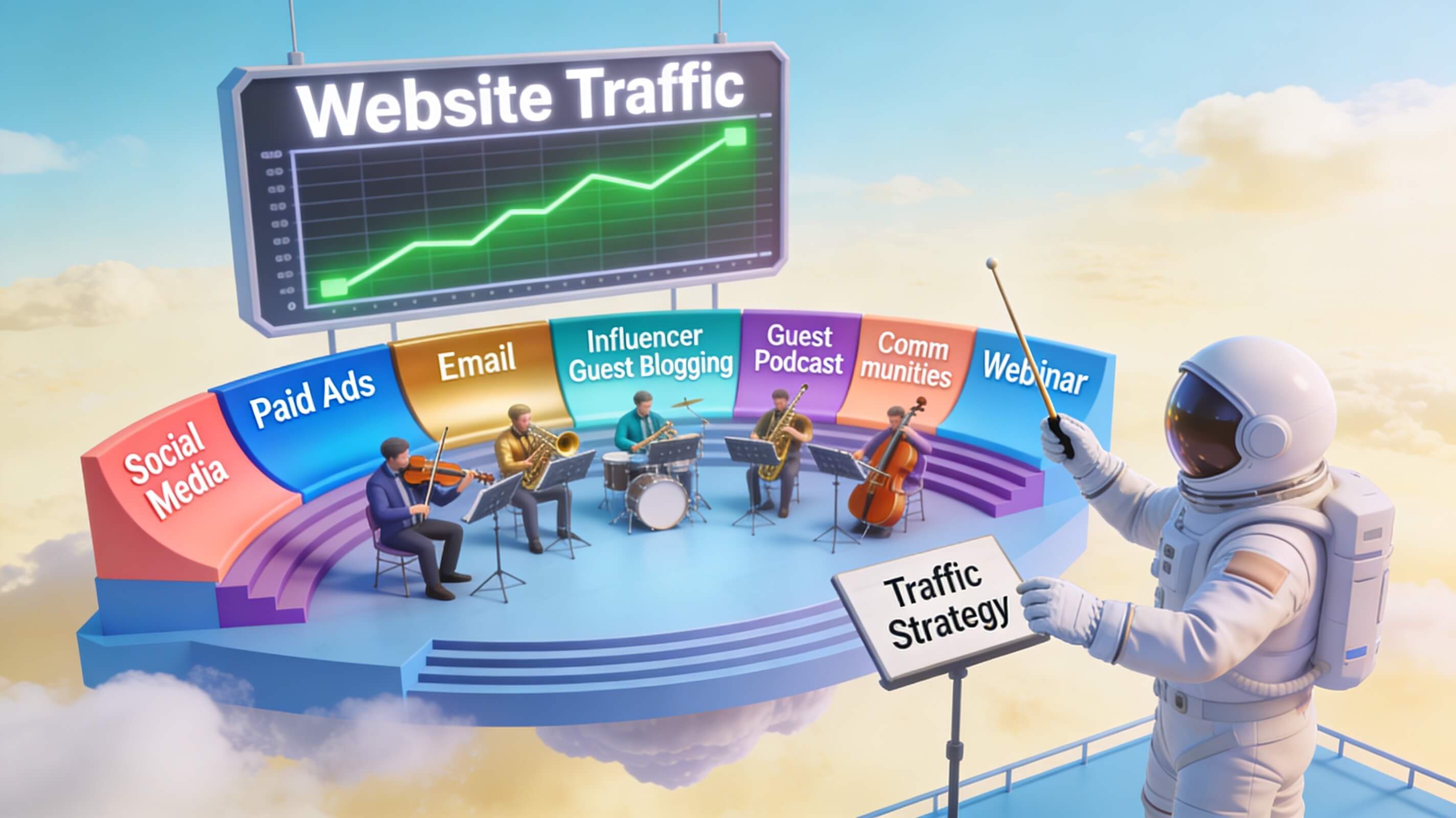
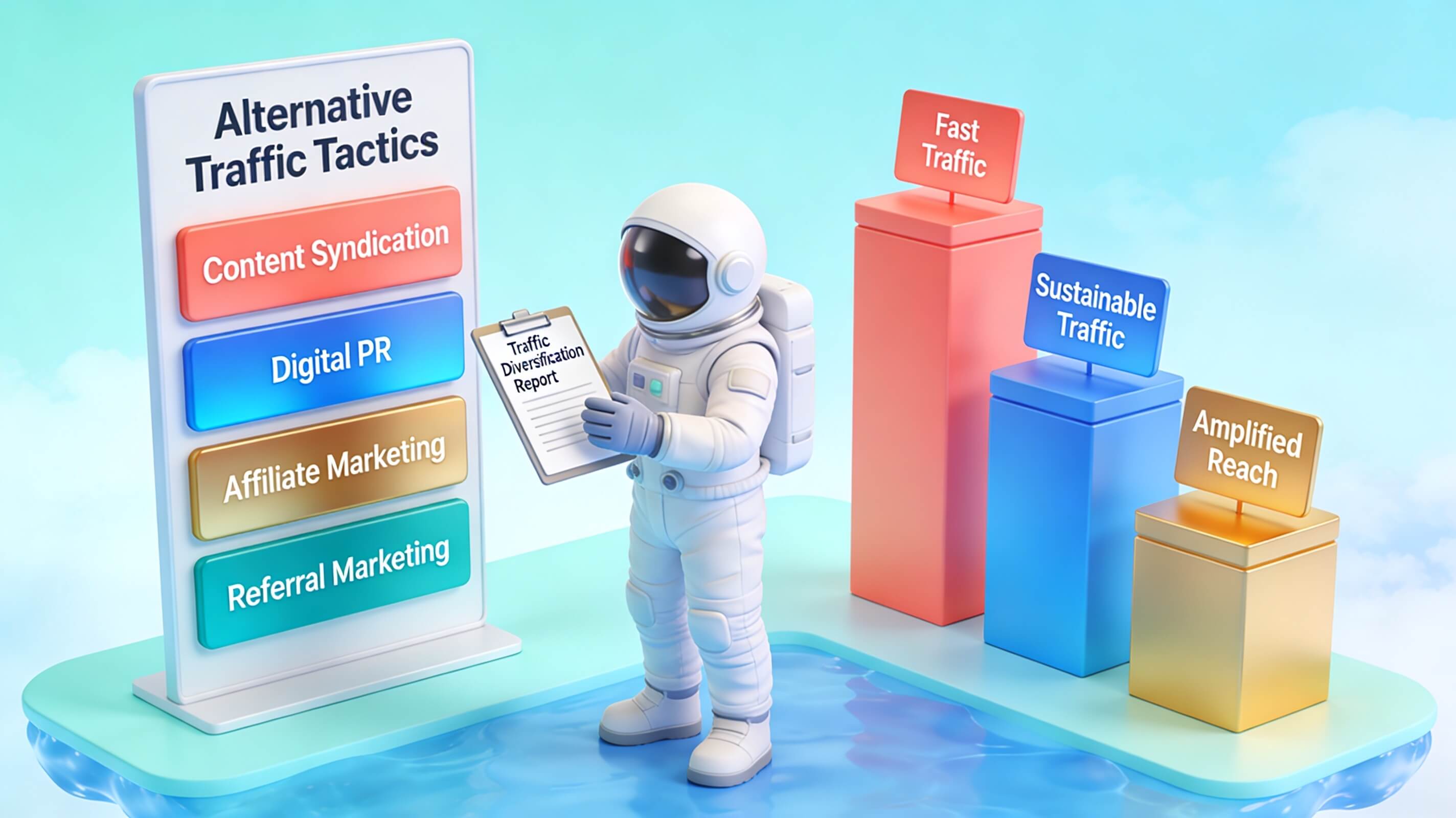
The most effective strategies integrate SEO alternative methods across complementary channels rather than operating in silos. Email marketing nurtures audiences who discovered your content through search, while paid search accelerates visibility for competitive keywords as you build organic rankings. Social media drives traffic while amplifying content that earns backlinks and branded searches. Content syndication on platforms like Medium or LinkedIn Pulse reaches new audiences while signaling content authority to search engines.
Cross-channel integration requires consistent messaging and strategic keyword alignment. For example, an email campaign promoting a comprehensive guide should link to that guide’s highest-performing page, directing traffic to content optimized for target keywords. Paid ads should direct to landing pages that match the ad’s intent, providing a seamless user experience. Social posts should highlight content answering frequently asked questions, capturing search volume around those queries.
Analytics integration enables measurement of cross-channel attribution. Using UTM parameters, you can distinguish traffic sources and identify which channels drive the highest-quality visitors and conversions. Audience segmentation reveals which channels attract which customer types, allowing you to allocate budgets more effectively. Funnel analysis identifies where users drop off, highlighting opportunities for improvement across channels. Tools like Google Analytics and SEMrush provide comprehensive dashboards for this purpose.
Using Analytics to Optimize Website Traffic and Performance
Data-driven optimization transforms SEO alternative methods from guesswork into strategic decision-making. Google Analytics 4 provides detailed visitor behavior insights, revealing which content attracts engaged audiences versus high-bounce-rate visitors. Search Console data shows search impression volumes, click-through rates, and average ranking positions for target keywords, exposing optimization opportunities and performance changes. Regularly reviewing these metrics allows you to identify trends and adjust strategies proactively.
High-performing pages merit further optimization through expanded content, updated information, and internal linking to related resources. Underperforming pages warrant investigation—do they target low-intent keywords, answer questions superficially, load slowly, or rank below high-authority competitors? Understanding underperformance enables targeted fixes. Some pages benefit from expansion; others require repositioning or consolidation with stronger performers.
User engagement metrics reveal content quality perception. Long average session duration and low bounce rates indicate content relevance and quality. Pages with high bounce rates but significant traffic often represent entry points where content fails to meet visitor expectations—misaligned keyword targeting, poor usability, or insufficient depth warrant investigation. Time-on-page metrics identify particularly engaging content worth expanding or creating variations of. A/B testing can further refine elements like headlines, CTAs, and layouts to maximize conversions.
| Metric | Insight Value | Optimization Action |
|---|---|---|
| Average session duration | Indicates content relevance and engagement | Expand high-engagement content formats |
| Bounce rate | Reveals keyword-content mismatch | Adjust targeting or improve content relevance |
| Pages per session | Shows content interlinking effectiveness | Improve internal navigation and linking |
| Conversion rate by source | Identifies highest-quality traffic sources | Prioritize high-converting channels |
Staying Ahead with Emerging SEO Alternative Methods
The SEO landscape evolves continuously as search engines refine algorithms and user behavior shifts. Emerging trends require adaptive strategies to position your content for discovery across diverse search paradigms. Voice search optimization is one such trend. With the rise of smart speakers and virtual assistants, users increasingly perform voice searches using natural language. This means optimizing for question-based queries and featured snippet eligibility. For example, a user might ask, “What are the best SEO alternative methods for small businesses?” Your content should directly answer this question in a concise, structured format.
AI-driven search result generation is another game-changer. Google’s Search Generative Experience (SGE) uses AI to provide summarized answers directly in search results, potentially reducing click-through rates for some queries. To adapt, you must create content that establishes clear expertise and authority, as AI models prioritize sources they deem trustworthy. Entity optimization—structuring content around distinct things, concepts, and organizations—helps search engines understand your content context comprehensively. Knowledge graphs reward brands that clearly define their entities and relationships to related concepts.
Experience signals increasingly influence rankings as Google emphasizes satisfying user intent comprehensively. Pages demonstrating extensive experience with topics, created by recognized experts, published on authoritative sites, and earning positive user engagement receive ranking boosts. Building demonstrable experience through original research, case studies, and expert interviews strengthens content authority. For instance, a health blog citing peer-reviewed studies and written by medical professionals will outperform generic advice. According to Google’s Helpful Content System, content created primarily for search engines rather than users will be devalued.
Conclusion
Implementing a comprehensive strategy using SEO alternative methods is no longer optional—it’s essential for sustainable traffic growth in 2024 and beyond. The most successful digital marketers recognize that search has evolved beyond keyword matching into holistic user satisfaction assessment. By integrating off-page authority building, on-page optimization, technical excellence, content marketing, social media amplification, local targeting, and data-driven refinement, you create a diversified traffic ecosystem that is resilient to algorithm updates and competitive pressures.
Begin by auditing your technical foundation—site speed, mobile responsiveness, and crawlability—before expanding into content creation and link building. Use analytics to identify what’s working and double down on high-performing channels. Embrace emerging trends like voice search and entity optimization to stay ahead of the curve. Remember, there is no single magic bullet; success comes from the synergy of multiple tactics working together. If you’re ready to transform your traffic strategy, start by implementing one or two of these methods today, measure the results, and iterate. The digital landscape rewards those who adapt and innovate. Now is the time to act.