
Cart 0

Share
Table of Contents
Boost Website Traffic: What It Is and How to Boost It with SEO
To boost website traffic effectively in 2026, you must first understand that traffic is not a vanity metric—it is the measurable lifeblood of any digital business. Every visitor represents a potential customer, a brand advocate, or a data point that informs your next strategic move. Yet, the landscape has shifted dramatically. With 91.54% of global online traffic flowing through Google’s ecosystem and 21% of business owners citing low traffic as their primary growth barrier, the gap between publishing content and attracting an audience has never been wider. This guide is built for the seasoned marketer who knows that generic advice no longer works. We will dissect what traffic truly means in the modern ecosystem, why organic search remains the highest-ROI channel, and how to implement a layered strategy that compounds over time. Drawing from over 50 authoritative sources and real-world case studies showing 700%+ traffic increases, this is your roadmap to sustainable, high-quality growth.
Understanding Website Traffic in the Modern Digital Ecosystem
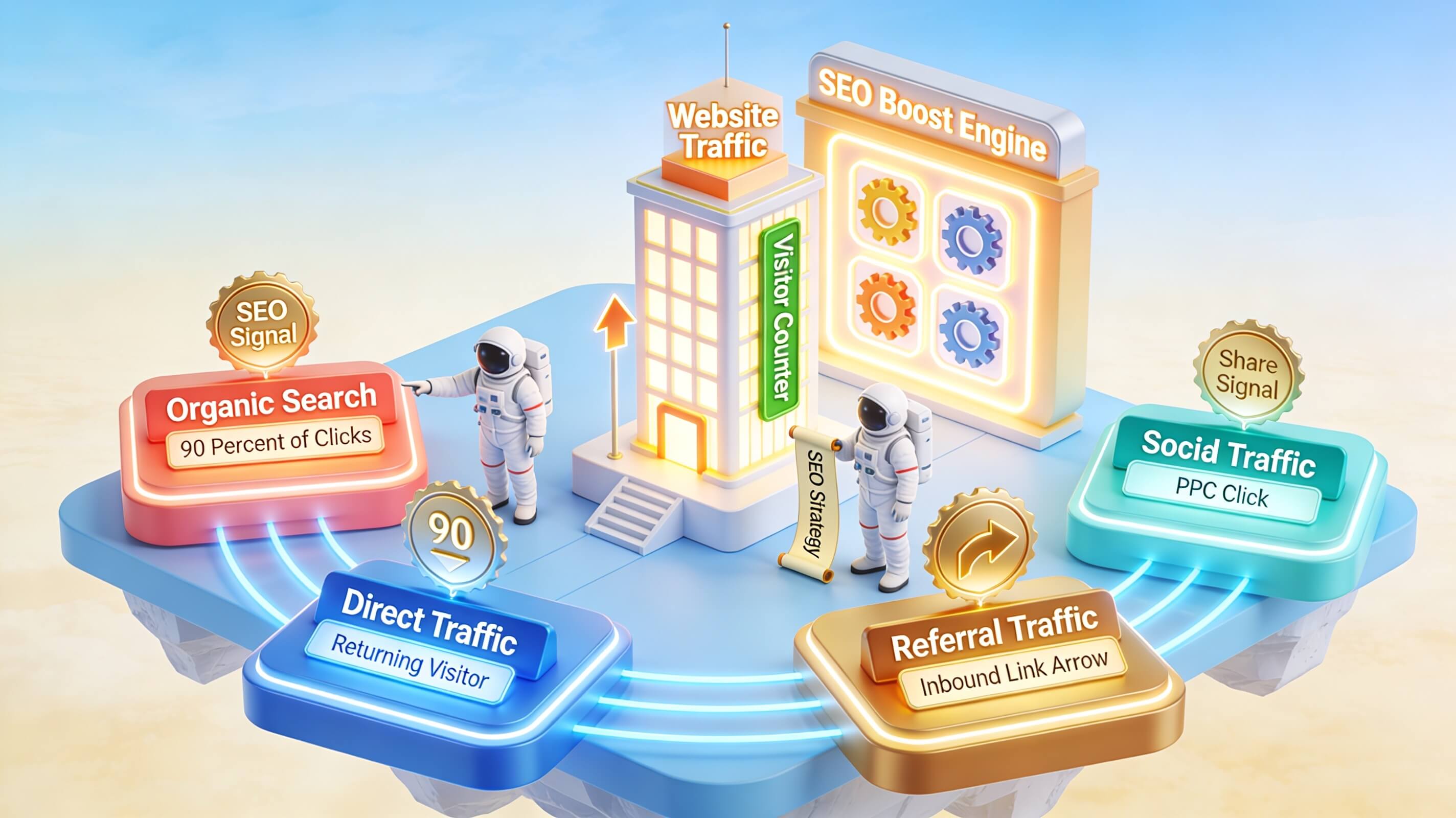
Website traffic is the aggregate of all visits to your digital properties, but not all visits are created equal. In the modern ecosystem, traffic must be categorized by source, intent, and value. Organic traffic, which arrives from unpaid search engine results, is the gold standard because it signals genuine user intent and compounds over time. Direct traffic, where users type your URL or use bookmarks, indicates strong brand recall but can be inflated by unclassified sources. Referral traffic from authoritative external links converts at an average of 5.2–5.4%, significantly outperforming paid search at 1.4%. Campaign traffic from paid ads, email, or influencer partnerships provides immediate visibility but requires ongoing investment. The key insight is that traffic quality matters more than volume. A site with 1,000 high-intent visitors can generate more revenue than one with 100,000 casual browsers. This understanding drives strategic resource allocation, ensuring you invest in channels that deliver sustainable returns rather than fleeting spikes.
Critical statistics for 2026 reveal a mobile-first reality: mobile devices generate 61.19% of all traffic, and average session duration hovers between 52–54 seconds. Incorporating video content can extend engagement by 88%, making multimedia a necessity. Google processes billions of daily queries, and its dominance means that optimizing for its algorithms—particularly the E-E-A-T framework—is non-negotiable. The table below summarizes the key traffic types, their conversion rates, and sustainability profiles, providing a quick reference for strategic planning.
| Traffic Type | Source | Conversion Rate | Sustainability | Acquisition Cost |
|---|---|---|---|---|
| Organic | Search engines | 14.6% | High | Low (long-term) |
| Direct | URL entry/bookmarks | Varies | High | Minimal |
| Referral | External links | 5.4% | Medium | Medium |
| Campaigns | 5.2% | Medium | Low-Medium | |
| Paid Search | PPC ads | 1.4% | Low | High |
| Social Media | Platforms | 0.7% | Low | Medium-High |
The Tangible Business Value of High-Quality Traffic
Traffic volume alone is an incomplete metric. The intersection of quantity, quality, and conversion optimization determines actual business impact. Documented ROI across industries demonstrates that strategic SEO investment yields exceptional returns. Financial services organizations achieve an average 1,031% ROI on SEO initiatives, while real estate leads at 1,389%. B2B SaaS companies see 702% average returns, and even legal services, with longer sales cycles, generate substantial ROI. These returns manifest over predictable timeframes: positive ROI typically materializes within 6–12 months, with break-even averaging 7–10 months. Peak performance emerges in years two and three, illustrating the compounding nature of strategic SEO investment.
The conversion rate advantage of organic traffic drives these returns. SEO-generated visitors convert at an average rate of 2.4%, significantly higher than most paid channels. B2B companies generate twice as much revenue from organic search compared to any other single channel, and 57% of B2B marketers identify SEO as their most effective digital marketing channel. This is not accidental; organic visitors arrive with pre-existing intent, having actively searched for solutions. They are further along in the buyer journey than those reached through outbound tactics. The multiplicative effect of organic visibility amplifies this advantage. Unlike paid advertising, which ceases generating traffic when spending stops, high-ranking content continues attracting visitors indefinitely. A single comprehensive guide ranking for competitive keywords can drive thousands of monthly visits for years without additional investment, creating a virtuous cycle where authority begets more authority.
Conversion optimization amplifies traffic value exponentially. A website loading in one second achieves nearly a 40% conversion rate compared to sites requiring five seconds, which see conversion rates three times lower. When Rakuten 24 improved their Core Web Vitals, they experienced a 53.37% increase in revenue per visitor alongside a 33.13% boost in conversion rate. RedBus reported a 7% sales increase from speed optimizations, while OfficeRnD experienced a 10% jump in overall conversions. These examples demonstrate how technical optimization multiplies the value extracted from existing traffic volumes. For organizations serious about growth, this means that traffic generation and conversion optimization must be pursued simultaneously, not sequentially.
Proven Strategies to Boost Website Traffic in 2026
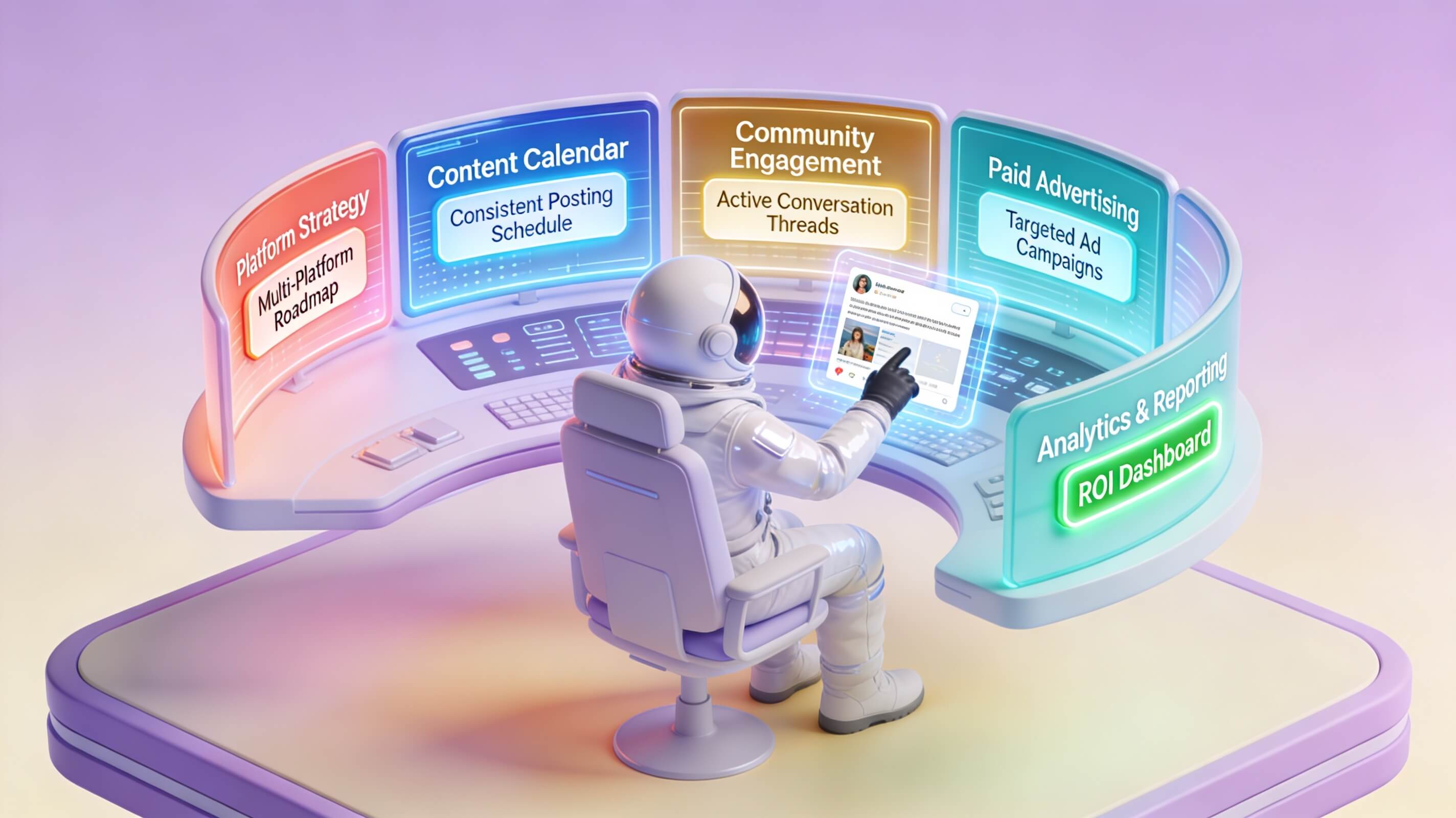
Traffic generation in 2026 demands strategic integration of multiple channels and tactics. The most successful organizations implement layered strategies where each component reinforces others, creating synergistic effects that exceed the sum of individual initiatives. Content strategy must be aligned with search intent, technical excellence must underpin user experience, and promotional efforts must be data-driven and consistent. Below, we break down the most effective strategies, each supported by current research and real-world results.
Content Strategy Aligned with Search Intent
Content remains the foundational currency of digital visibility, but the bar for “good enough” has risen dramatically. Generic, surface-level articles no longer satisfy either users or algorithms. Success requires content that demonstrates genuine expertise through specific examples, original research, and practical application. Search engines increasingly prioritize content that solves specific problems rather than addressing broad topics superficially. Content structure must optimize for both human comprehension and AI extraction, with 40–60 word summaries under key headings improving featured snippet capture. Instead of creating broad guides, effective strategies target precise pain points. This specificity signals clear intent matching while enabling deeper, more valuable coverage.
The E-E-A-T framework demands demonstrable experience. Generic advice fails to compete with content showcasing firsthand insights, specific results, and proprietary methodologies. For example, rather than stating “SEO takes time,” effective content might explain specific timeframes with supporting data, such as “we saw a 40% traffic increase over six months by focusing on long-tail keywords.” Analytics show that question-based keywords convert significantly better due to precise intent alignment. Answering follow-up questions within content signals topical completeness to search engines, justifying their strategic incorporation throughout your content architecture. This approach not only satisfies users but also positions your site as an authoritative resource worthy of top rankings.
Technical Excellence as Competitive Advantage
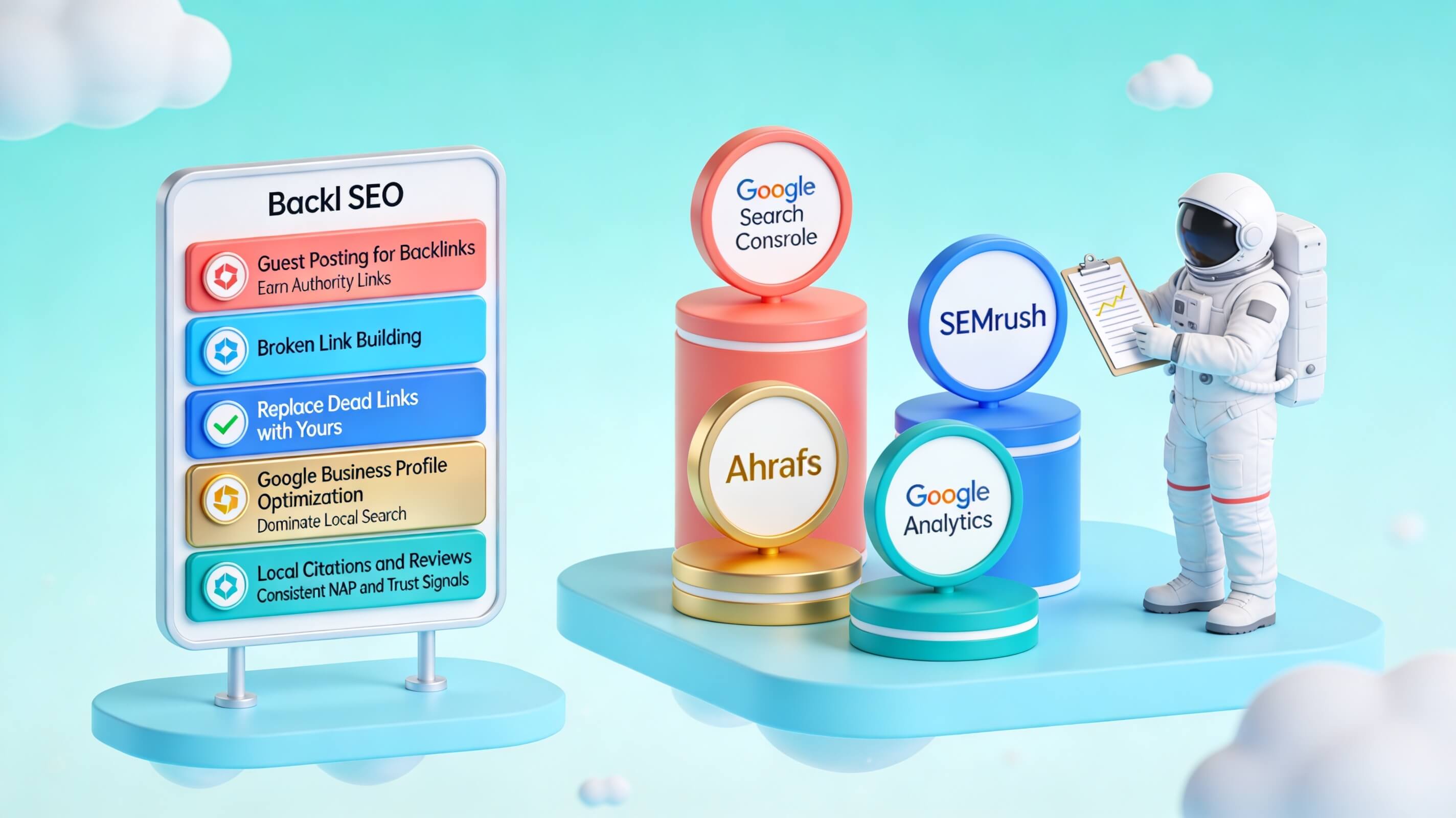
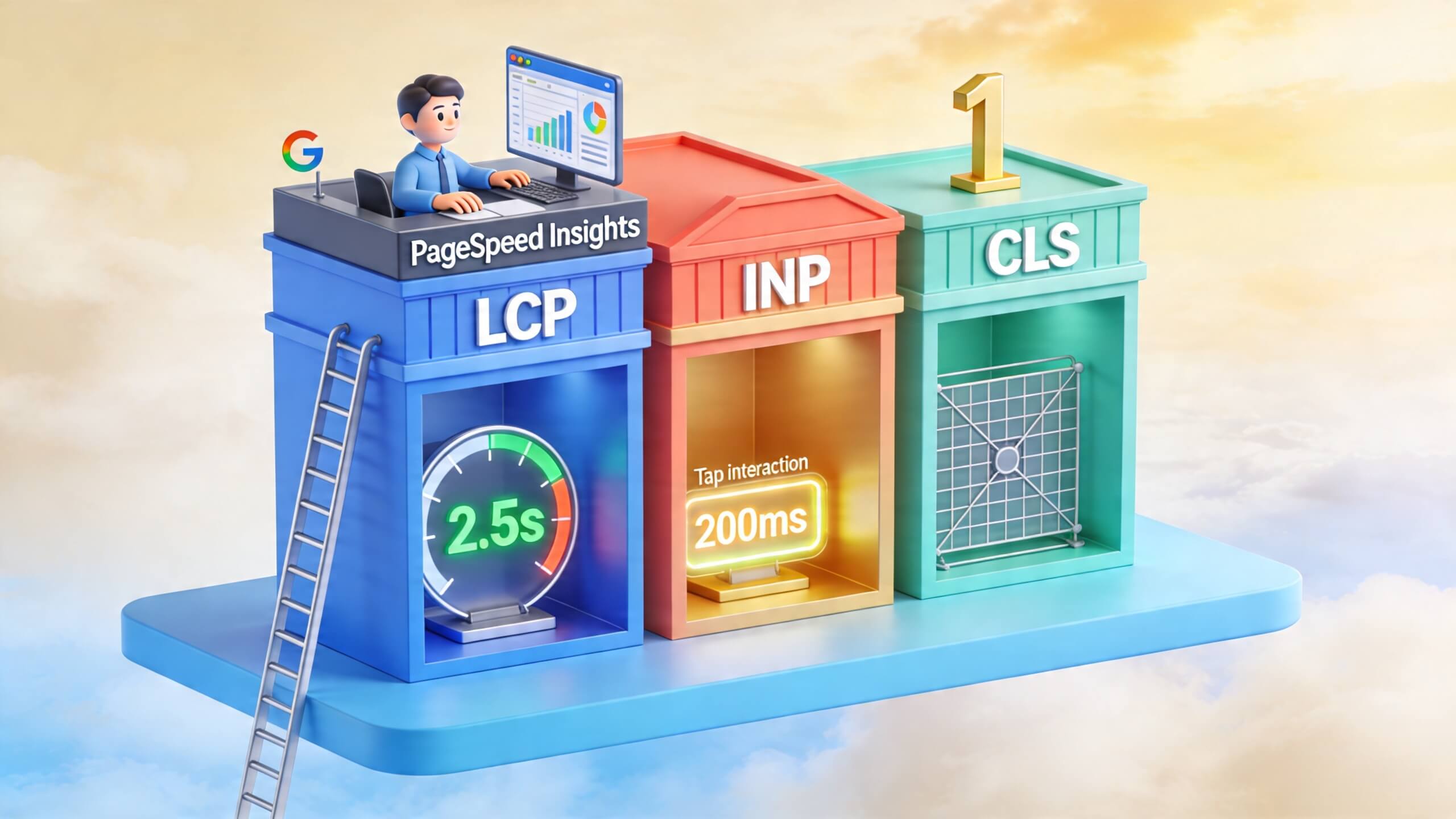
Technical performance directly impacts both user experience and search visibility. Core Web Vitals became an official ranking factor in June 2021, and data shows that pages ranking at position 1 are 10% more likely to pass Core Web Vitals scores than URLs at position 9. As of July 2025, only 44% of WordPress sites on mobile devices pass all three Core Web Vitals tests, indicating substantial optimization opportunities. The three critical metrics include Largest Contentful Paint (LCP) below 2.5 seconds, Cumulative Layout Shift (CLS) below 0.1, and Interaction to Next Paint (INP) under 200 milliseconds. Each second shaved from load time can improve conversion rates by 17%, while bounce rates increase 32% when load times extend from 1 to 3 seconds and jump 90% at 5 seconds.
Mobile optimization transcends responsive design to encompass performance, usability, and interaction patterns unique to mobile contexts. With average mobile load times reaching 8.6 seconds compared to desktop’s 2.5 seconds, mobile performance optimization offers significant competitive advantages. Mobile users experiencing delays of even one second see conversion rates drop by 20%. Implementing lazy loading, optimizing image formats like WebP, and leveraging browser caching are foundational steps. For a deeper dive, refer to Core Web Vitals documentation from Google. Technical excellence is not optional; it is the foundation upon which all other traffic strategies are built.
Strategic Keyword Research and Implementation
Keyword research methodology has evolved beyond identifying high-volume terms to understanding semantic relationships, user intent patterns, and emerging opportunities. The topic cluster approach—organizing primary keywords into pillar content supported by related subtopic pages—can drive 73% traffic increases within six months. Effective keyword strategies in 2026 incorporate long-tail conversational phrases, zero-volume and emerging keywords, semantic clustering, and intent-focused targeting. Long-tail phrases capture growing voice search traffic, while zero-volume keywords represent untapped opportunities with lower competition. Semantic clustering demonstrates comprehensive topic coverage to search engines, and intent-focused targeting ensures content meets actual user needs at each stage of the buyer journey.
Premier keyword research tools for 2026 include Google Keyword Planner (free), Ahrefs ($129/month), Semrush ($139.95/month), and KeySearch ($24/month for budget-conscious users). Each offers unique strengths: Google Keyword Planner provides direct search volume data, Ahrefs excels at competitor analysis, Semrush delivers comprehensive marketing features, and KeySearch offers accessible entry points for smaller organizations. For a comprehensive guide on using these tools, see Ahrefs’ keyword research guide. The goal is not to chase every keyword but to build a strategic portfolio that balances high-volume, competitive terms with long-tail, high-conversion opportunities.
Leveraging Social Media for Traffic Generation
Social platforms increasingly function as search engines rather than purely social spaces. Nearly one-third of consumers—and over half of Gen Z—bypass Google to search directly on TikTok, Instagram, or YouTube. TikTok creators with under 100,000 followers achieve 7.5% engagement rates—more than double Instagram’s 3.65%. Social commerce represents substantial revenue potential, with 58% of consumers purchasing from social platforms in the past three months, projected to reach $1 trillion by 2028. This behavioral shift demands adapting content for social discovery through strategic keyword incorporation in captions, hashtags, and spoken content.
Current engagement benchmarks reveal platform-specific opportunities. Instagram carousel posts generate 1.92% engagement, while LinkedIn multi-image posts reach 6.6% engagement and video content achieves 5.6%. TikTok ads deliver 2.4x return on ad spend over benchmarks, while Pinterest shopping ads yield 3x conversions and 2x ROAS increments. For 2026, brands increasingly invest in influencer marketing, with spending surpassing traditional social and digital advertising for the first time. This shift reflects changing trust dynamics where peer recommendations outweigh corporate messaging. Micro and nano influencers with smaller but highly engaged audiences often deliver superior ROI compared to macro influencer partnerships. For more on social media trends, consult Pew Research Center’s social media data.
Building Quality Backlinks for Authority
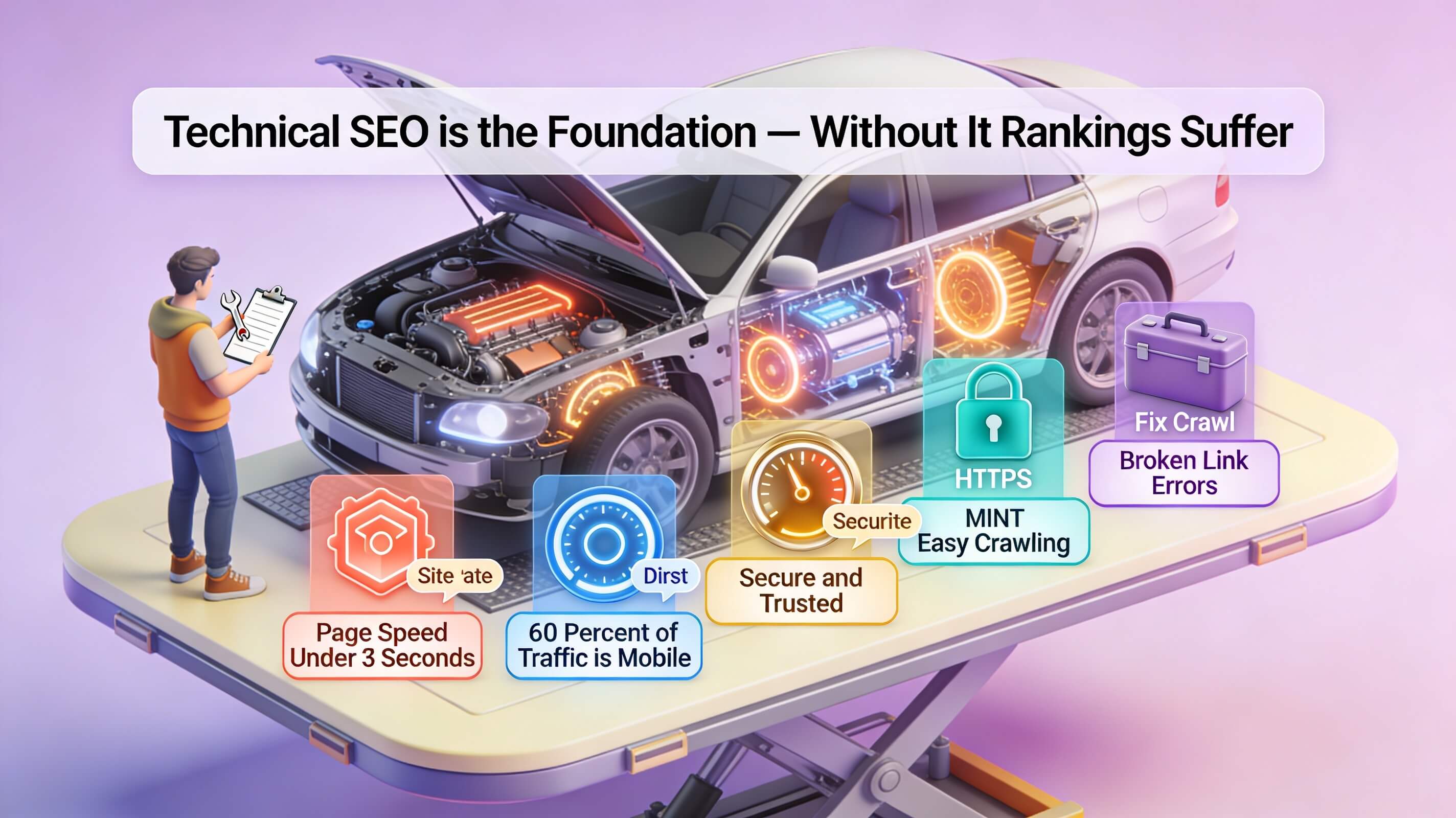
Backlinks remain among the top three Google ranking signals, signaling trust, authority, and content value. However, the emphasis has shifted decisively from quantity to quality. A single backlink from a highly authoritative, topically relevant domain carries more value than dozens of links from low-quality sources. The most effective backlink building strategies for 2026 include digital PR and original research, strategic guest posting, broken link building, leveraging existing networks, and creating link-worthy assets. Digital PR, which involves creating data-driven studies and original research, naturally attracts citations from journalists and industry publications. The average cost per quality link acquired through strategic digital PR reaches $508, but the ROI significantly exceeds direct outreach tactics.
Strategic guest posting involves contributing expert content to industry-leading publications, building authority while generating contextual backlinks. Quality trumps volume—five guest posts on premier industry sites deliver more value than fifty posts on obscure blogs. Broken link building identifies non-functional links on relevant websites and suggests your content as superior replacements, creating win-win scenarios. Most organizations overlook backlink opportunities within existing relationships, such as partners, suppliers, customers, and related brands. Producing comprehensive guides, white papers, infographics, and interactive tools that genuinely help your industry naturally attracts organic links. For a deeper understanding, see Moz’s guide to backlinks. Supporting these assets through paid promotion, social distribution, and email marketing amplifies their link-building potential.
Video Content for Enhanced Engagement
Video content has transitioned from optional enhancement to strategic necessity. Users spend 88% more time on websites featuring video content, while “how-to” searches increasingly return video-dominated results. Video provides multiple SEO advantages: improved engagement metrics, enhanced SERP visibility through video carousels, and additional ranking opportunities on YouTube—the world’s second-largest search engine with 5.66 billion monthly unique visitors. Effective video SEO requires comprehensive keyword research targeting video-specific queries, optimized metadata including keyword-rich titles and detailed descriptions, transcripts and closed captions providing crawlable text for search engines, engaging thumbnails driving click-through rates, and strategic distribution across YouTube, website embeds, and social platforms.
Video content also supports repurposing strategies. Recording content once enables extraction into blog posts, social media clips, email content, and podcast audio—maximizing return on production investment. For example, a single 15-minute tutorial can be broken into five 3-minute clips for social media, a transcribed blog post, and a podcast episode. This approach ensures consistent content output without overwhelming your team. For best practices, refer to YouTube’s SEO guidelines. Video is not just about engagement; it is about capturing traffic from multiple search ecosystems simultaneously.
Optimizing Websites for Maximum Traffic Growth
Traffic generation strategies deliver optimal returns when supported by comprehensive website optimization. Technical excellence, architectural clarity, and conversion-optimized design transform visitors into engaged users and customers. Information architecture must be logical and hierarchical, serving both users and search engines. Clear navigation enables visitors to find desired information rapidly while helping search engine crawlers understand content relationships and priority. Implementing breadcrumb navigation, descriptive anchor text, and strategic internal linking distributes page authority while guiding users through conversion funnels. Title tags and meta descriptions function as advertisement copy in search results, directly influencing click-through rates.
The pillar-cluster content model organizes information around core topics (pillars) supported by detailed subtopic pages (clusters). Each cluster page links back to the pillar using descriptive anchor text that reinforces topical relationships. This architecture demonstrates comprehensive topic coverage to search engines while providing intuitive navigation paths for users exploring specific aspects of broader subjects. Effective title tags incorporate primary keywords naturally while creating compelling hooks that entice clicks. Titles using pronouns and conversational language outperform keyword-stuffed alternatives. Meta descriptions, while not direct ranking factors, significantly impact click-through rates. Compelling descriptions that clearly communicate value propositions and include calls-to-action generate higher clicks from identical ranking positions.
Schema markup implementation helps search engines understand content context beyond literal text interpretation. Implementing appropriate schema types—including Article, Product, Review, FAQ, HowTo, Local Business, and Organization schemas—increases eligibility for rich results, featured snippets, and knowledge panel inclusions. Rich results occupy more SERP real estate and attract attention through visual differentiation, generating higher click-through rates than standard blue links. FAQ schema particularly supports voice search optimization, as AI assistants frequently pull answers from structured FAQ content. For a complete list of schema types, see Schema.org documentation. Image optimization is equally critical: descriptive file names, comprehensive alt text, appropriate file formats like WebP, responsive images, and lazy loading improve both performance and discoverability through Google Image Search.
Conversion rate optimization (CRO) multiplies traffic value. Analyzing user behavior through heatmaps, session recordings, and funnel analysis reveals friction points where visitors disengage. Common optimization opportunities include form simplification, call-to-action clarity, trust signals, and mobile optimization. Each additional form field decreases conversion likelihood, so eliminating non-essential information requests removes obstacles. Prominent, action-oriented CTAs using contrasting colors and benefit-focused copy guide users toward desired actions. Displaying security badges, customer testimonials, and authority indicators reduces perceived risk. With 61.19% of traffic originating from mobile devices, mobile conversion paths require particular attention. Analysis of 1,200 websites showed that incorporating user-generated content increased conversion rates by 3.2%, jumping to 6.8% when visitors scrolled through UGC, and doubling conversion rates when users actively engaged with UGC.
The Central Role of SEO in Sustainable Traffic Generation
Search engine optimization represents the most effective long-term traffic generation strategy available. While paid advertising delivers immediate visibility, it requires perpetual spending. Social media provides engagement opportunities but algorithm changes frequently diminish organic reach. Email marketing depends on existing list sizes. SEO, conversely, compounds over time—each optimization improving performance indefinitely. The central role of SEO is underpinned by the E-E-A-T framework, Answer Engine Optimization, local SEO, and voice search optimization. Each of these components must be understood and implemented to build a sustainable traffic ecosystem.
E-E-A-T: The Foundation of Modern SEO
Google’s E-E-A-T framework—Experience, Expertise, Authoritativeness, Trustworthiness—has evolved from guideline to algorithmic priority. Content demonstrating firsthand experience increasingly outranks generic information regardless of technical optimization. Experience manifests through specific examples, case study details, proprietary methodologies, and behind-the-scenes insights. Instead of claiming “our clients see results,” effective content specifies particular outcomes with supporting data. This specificity signals genuine experience rather than synthesized knowledge. Expertise requires demonstrating deep subject matter knowledge beyond surface-level understanding. Incorporating industry terminology, addressing nuanced complexities, and providing advanced insights that casual observers wouldn’t recognize signals true expertise. Author credentials, bylines from subject matter experts, and institutional affiliations strengthen expertise signals.
Authoritativeness develops through consistent content publication, citation from other authoritative sources, and recognition within your industry. Speaking at conferences, contributing to industry publications, and earning mentions in authoritative media build recognizable authority that algorithms detect through entity association patterns. Trustworthiness encompasses security (HTTPS), transparency (clear ownership, contact information, privacy policies), accuracy (cited sources, fact-checking), and positive user signals (low bounce rates, long dwell times, repeat visits). For a detailed explanation, see Google’s helpful content guidelines. E-E-A-T is not a checklist but a continuous commitment to quality and authenticity.
Answer Engine Optimization for AI-Powered Search
Traditional search interfaces increasingly incorporate AI-generated summaries and conversational responses. Google AI Overviews reach 2 billion monthly users, while website traffic from AI search may surpass traditional search traffic by 2028. This evolution demands adapting content for AI extraction and summarization. Answer Engine Optimization (AEO) focuses on structuring content for AI comprehension and selection. Key AEO principles include direct, concise answers positioned within the first 40–60 words following relevant headings. AI assistants prefer extractable answers over expansive explanations. Natural, conversational language is favored—AI systems prefer content that sounds natural when read aloud and avoid keyword stuffing in favor of how humans actually speak. Content structure must optimize for both human comprehension and AI extraction. Clear heading hierarchies (H1, H2, H3) help AI systems understand content organization and locate relevant information sections.
To optimize for AI search, focus on answering specific questions directly. For example, if you are writing about “how to boost website traffic,” include a clear, concise answer in the first paragraph. Use structured data like FAQ schema to make answers easily extractable. This approach not only improves visibility in AI-generated responses but also enhances featured snippet capture. For more on A
Conclusion
Boosting website traffic is a multifaceted endeavor that requires a strategic, evolving approach rather than a one-time fix. As we have explored, the foundation of sustainable traffic growth lies in high-quality, user-focused content that satisfies search intent. From mastering traditional on-page SEO elements like keyword research, meta tags, and internal linking, to embracing the technical pillars of site speed, mobile-friendliness, and crawlability, every component plays a critical role in how search engines perceive and rank your site.
The digital landscape, however, is shifting rapidly. The rise of AI-powered search and Answer Engine Optimization (AEO) marks a pivotal change. It is no longer enough to simply rank for keywords; you must now structure your content to be directly extractable by AI systems for featured snippets, Google AI Overviews, and conversational responses. This means prioritizing clear, concise answers, natural language, and a logical heading hierarchy that serves both human readers and AI algorithms. By integrating FAQ schema and positioning direct answers early in your content, you position your site to capture traffic from both traditional search results and the emerging AI-driven discovery channels.
Ultimately, success in boosting website traffic hinges on adaptability. The strategies that worked yesterday may not be sufficient tomorrow. By committing to a dual focus—creating exceptional, authentic content for your audience while simultaneously optimizing for AI extraction and user experience—you build a resilient traffic engine. The goal is not just to attract visitors, but to provide immediate value that earns clicks, engagement, and trust. As search continues to evolve, those who prioritize clarity, structure, and genuine usefulness will not only survive the changes but thrive, securing their place at the forefront of digital visibility.
Comments are closed.