
Cart 0

Share
Table of Contents
Local SEO Audit: A Comprehensive Review of Your Local SEO Strategy
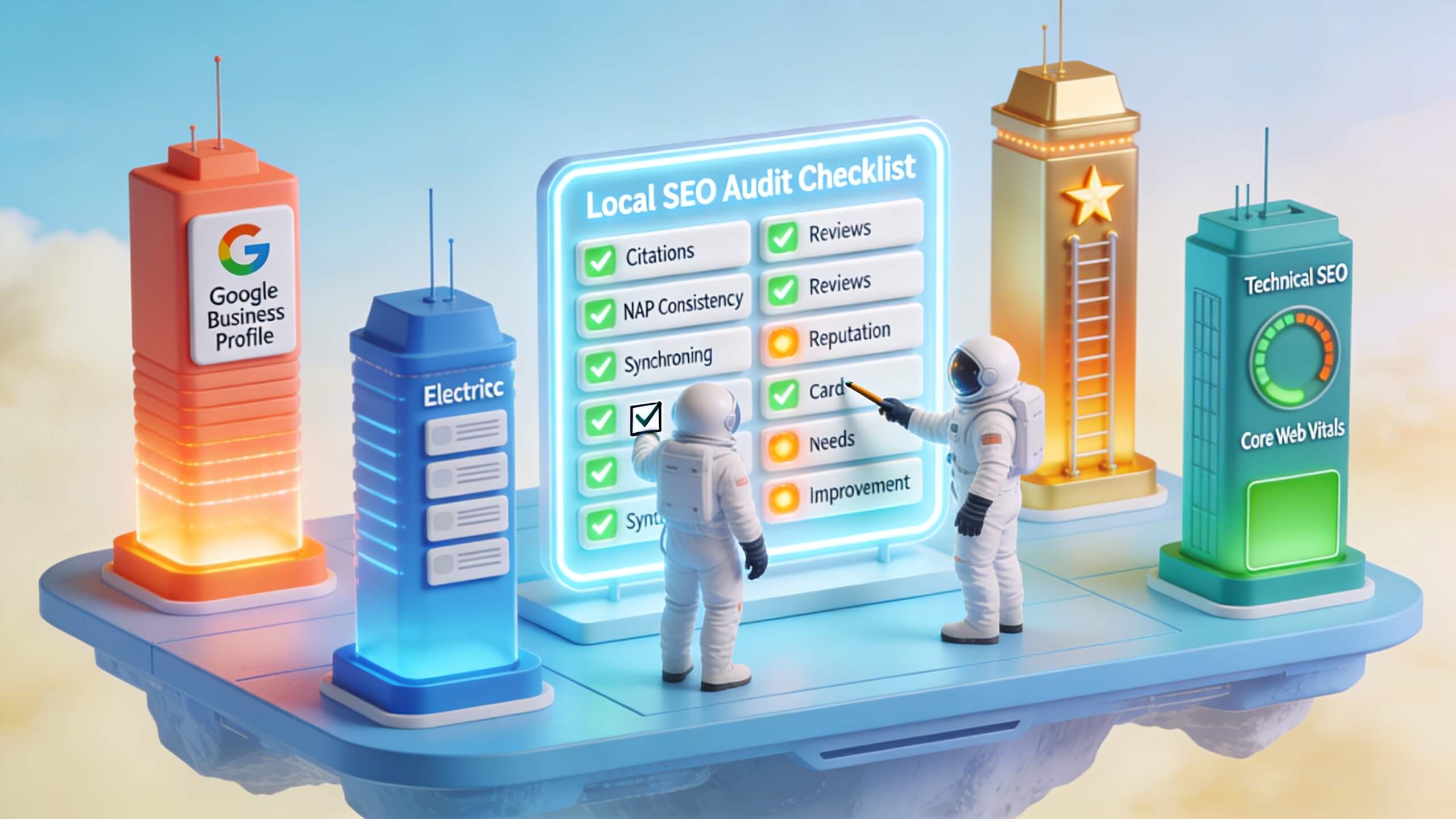
If your local business isn’t showing up when potential customers search nearby, the root cause often lies in hidden gaps within your online strategy. A comprehensive local SEO audit is the definitive diagnostic tool to identify these weaknesses, align your digital presence with search engine criteria, and systematically improve your visibility in the local pack and organic results. This process involves a meticulous review of your technical foundation, content relevance, citation accuracy, and reputation signals. By methodically auditing these elements, you can transform sporadic local traffic into a consistent stream of qualified leads. This guide will provide you with a complete, actionable framework for conducting a local SEO audit that uncovers opportunities and drives measurable growth. We’ll go beyond surface-level checks and dive into the granular details that separate businesses that dominate local search from those that remain invisible. Whether you’re a multi-location enterprise or a single-storefront operation, understanding how to audit your local SEO strategy is the first step toward reclaiming your market share. Let’s begin by establishing the foundational principles that underpin every successful local search campaign.
The Foundational Pillars of Local Search Success
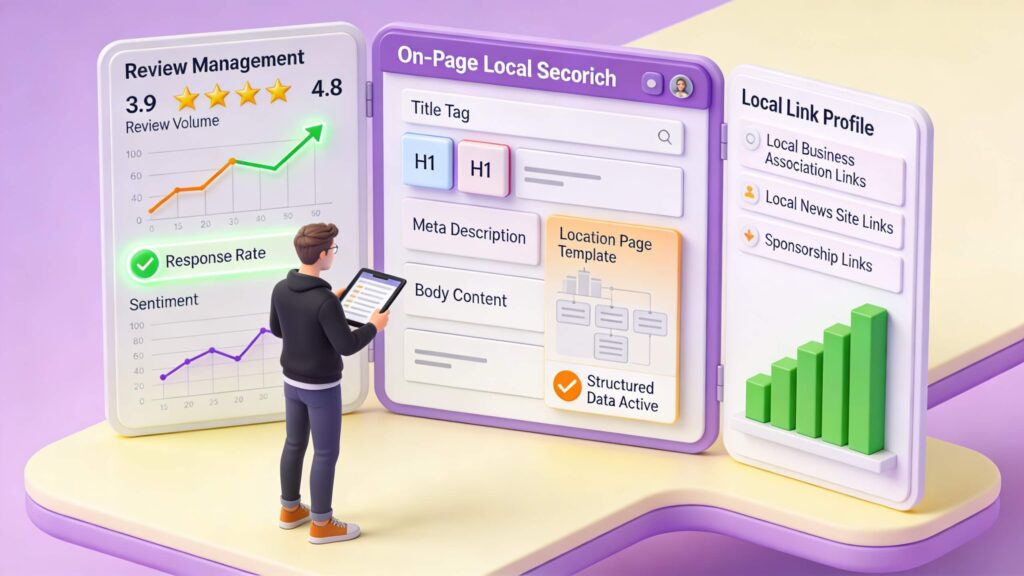
Before diving into the audit checklist, it’s crucial to understand what local search engines prioritize. Modern local SEO is built on three interconnected pillars: Relevance, Distance, and Prominence. Relevance refers to how well your business listing matches a user’s query. Distance is the proximity of the searcher to your business location. Prominence is the digital reputation and authority your business holds, influenced by reviews, citations, and backlinks. A successful local SEO audit examines each pillar. For instance, you could have perfect on-page relevance, but if your citations are inconsistent (hurting prominence) or your Google My Business service area is misconfigured (affecting distance), your rankings will suffer. This holistic understanding separates a superficial checklist from a strategic analysis that yields real-world results.
Consider this: a dental practice in Austin might have excellent on-page content about teeth whitening. However, if their Google Business Profile lists the wrong service radius, or if their NAP details differ across Yelp and Healthgrades, the algorithm will perceive them as less trustworthy. The local SEO audit must therefore be a three-dimensional examination. You’re not just checking boxes; you’re assessing how these pillars interact. For example, a high volume of positive reviews (prominence) can sometimes compensate for a slightly less optimized GBP (relevance), but only to a point. Understanding these dynamics allows you to prioritize your audit findings. A business with zero citations needs to fix that before worrying about review velocity. Conversely, a business with perfect citations but a 2-star average rating needs to focus on reputation management. This strategic prioritization is what makes an audit truly valuable.
Phase 1: The Technical and On-Page Foundation Audit
Your website is the central hub of your local SEO strategy. Technical flaws here can undermine all other efforts. Begin your audit with a crawl of your site using a tool like Screaming Frog or the audit function in Ahrefs. Focus on mobile-first indexing: over 60% of local searches happen on mobile devices. Use Google’s Mobile-Friendly Test and PageSpeed Insights to evaluate core web vitals like Largest Contentful Paint (LCP) and Cumulative Layout Shift (CLS). A delay of just one second in mobile page load time can impact conversions by up to 20%. But don’t stop there. Dig deeper into your site’s architecture. Are your location pages easily accessible from the main navigation? Do you have a clear internal linking structure that passes authority to your key service pages? These technical details are often overlooked but are critical for local SEO success.
One common issue we see is the improper use of canonical tags on location pages. If you have multiple pages targeting similar services in different cities, incorrect canonicalization can signal to Google that these pages are duplicates, diluting their individual ranking potential. Another technical pitfall is the lack of a proper XML sitemap that includes all your location-specific URLs. Submit this sitemap to Google Search Console and monitor for crawl errors. Additionally, check for broken links on your site. A broken link on a high-traffic page not only harms user experience but also wastes link equity. Use a tool like Dead Link Checker to identify and fix these issues. Remember, technical SEO is the foundation upon which all other local SEO efforts rest. A fast, mobile-friendly, and well-structured website provides a positive user experience and signals professionalism to both users and search engines.
Structured Data and Local Content Markup
A critical yet often missed component is implementing local business schema markup (JSON-LD). This code, placed in your website’s header, explicitly tells search engines your business name, address, phone number (NAP), hours, price range, and services. Validate your markup with Google’s Rich Results Test. Furthermore, audit your on-page content for local intent. Each service page should be hyper-localized, not just with a city name, but with neighborhood references, local landmarks, and content that answers questions specific to your community. For example, a Portland plumber shouldn’t just target “water heater repair”; they should create content for “handling hard water issues in Portland’s historic Irvington homes.” This level of specificity signals deep local expertise and relevance.
Beyond basic schema, consider implementing additional structured data types like FAQ schema, Review schema, and Product schema where applicable. FAQ schema can help your content appear in rich results, increasing click-through rates. Review schema can display star ratings directly in search results, building trust before a user even clicks. However, ensure that any schema you implement accurately reflects the content on the page. Misleading or incorrect schema can result in a manual penalty from Google. A thorough local SEO audit should include a review of your existing schema markup for errors, missing fields, or opportunities for enhancement. Tools like Google’s Structured Data Testing Tool or the Rich Results Test can help you identify and fix issues. Remember, schema is not a ranking factor per se, but it enables rich snippets that can significantly improve visibility and click-through rates.
Phase 2: Google Business Profile Deep Dive
Your Google Business Profile (GBP), formerly Google My Business, is arguably the most important asset in local SEO. An audit here is non-negotiable. Start by ensuring you have sole ownership and that the profile is fully verified. Then, scrutinize every field with the precision of a detective. Accuracy & Completeness: Is your NAP exactly consistent with your website? Are your hours of operation, including special holiday hours, always current? Have you selected the most precise, conversion-oriented categories? Choosing “Personal Injury Lawyer” versus “Car Accident Lawyer” can dictate the competitive landscape you’re placed in. Fill out every available section—attributes (e.g., “women-led,” “wheelchair accessible”), a detailed business description with primary keywords, and a booking URL. Upload fresh photos and videos monthly; profiles with photos receive 42% more requests for driving directions.
But the audit doesn’t stop at filling out fields. You need to analyze how your GBP is performing. Dive into the GBP Insights dashboard. Track how customers find your listing (direct searches vs. discovery searches), the actions they take (calls, website visits, direction requests), and the photo views. A low call volume but high direction requests might indicate your website isn’t compelling enough for immediate contact, prompting users to just visit. Use the Q&A section proactively by adding common questions and answers before customers do. This not only provides valuable information but also signals to Google that your profile is actively managed. Also, check for any user-generated edits or suggestions that Google may have applied. Sometimes Google automatically changes your hours or category based on user feedback, and you need to reject or accept these changes promptly. A well-maintained GBP is a living asset that requires regular attention, not a set-it-and-forget-it tool.
Phase 3: Citation Consistency and Local Listings Audit
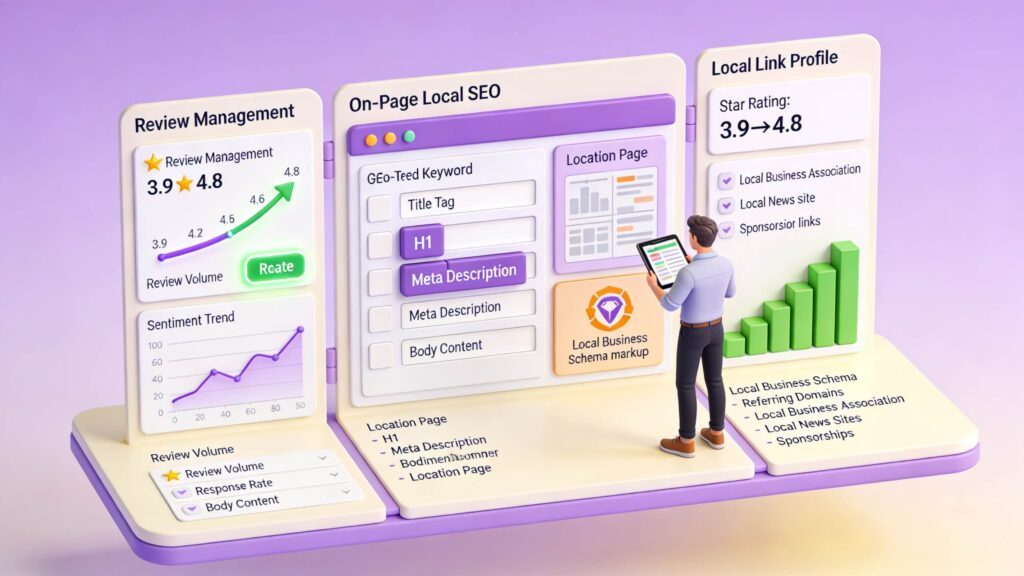
Citation consistency is the bedrock of local search prominence. Inconsistencies in your business name, address, or phone number across the web create “trust signals” that confuse search engines and potential customers. Your audit must extend beyond the major platforms like Apple Maps, Facebook, and Bing Places. Use a tool like Moz Local or BrightLocal to run a comprehensive scan of your citations across hundreds of local directories, data aggregators (like Infogroup, Acxiom, and Localeze), and industry-specific sites. The goal isn’t just to have listings everywhere; it’s to have perfectly consistent listings on the core platforms that influence your market. A 2023 industry study found that businesses with consistent citations across the top 50 directories saw a 15% average improvement in local pack visibility.
Create a master spreadsheet of your core citations, noting any discrepancies in suite numbers, phone number formatting, or even slight variations in your business name (e.g., “&” vs. “and”). Systematically claim, verify, and correct each one, prioritizing the directories that also have high domain authority for valuable backlink equity. But don’t just focus on quantity. Focus on quality and relevance. A citation on a local chamber of commerce site is far more valuable than a citation on a generic, low-quality directory. Also, check for duplicate listings. Many businesses accidentally create multiple listings on the same platform, which can confuse search engines and dilute your authority. Use tools like Yext or manual searches to identify and merge duplicates. Remember, citation consistency is an ongoing process. As your business moves or changes phone numbers, you must update every single citation. A quarterly citation audit can catch errors before they impact your rankings.
Phase 4: Review Sentiment and Reputation Analysis
Online reviews are the social proof that fuels local prominence. An audit of your reviews is about both quantity and quality. Track your average rating, review velocity (how many new reviews you get per month), and sentiment. A sudden drop in velocity or average rating is a critical red flag. Use a sentiment analysis approach: are customers repeatedly praising or complaining about specific services, staff members, or processes? This is direct market research. Audit your response rate and strategy. Are you responding to all reviews, both positive and negative, in a timely and professional manner? A thoughtful response to a negative review can sometimes improve a customer’s perception more than a positive review alone.
Furthermore, check for reviews on platforms beyond Google, such as industry-specific sites (e.g., Healthgrades for doctors, Avvo for lawyers) or regional favorites like Yelp or TripAdvisor. A diversified review profile appears more authentic and trustworthy to both users and algorithms. But don’t just monitor; take action. Use feedback from reviews to improve your business operations. If multiple customers complain about long wait times, that’s a signal to adjust your scheduling. If they consistently praise a particular staff member, consider highlighting that person in your marketing. Also, check for fake or spam reviews. While you can’t remove them directly, you can flag them to the platform. A clean, authentic review profile is a powerful asset. Finally, consider implementing a review generation strategy. Ask satisfied customers to leave reviews, but do so in a way that complies with platform guidelines. Never offer incentives for positive reviews, as this can result in penalties. A steady stream of authentic, positive reviews is one of the strongest signals of local prominence.
Phase 5: Local Link Profile and Competitor Gap Analysis
While local SEO is distinct from traditional organic SEO, a strong local link profile from authoritative, locally-relevant websites is a significant prominence signal. Audit your backlink profile using Moz or Ahrefs. Filter for links with local relevance: are you featured on local chamber of commerce sites, community blogs, news outlets, or sponsor pages for local events? A link from a respected local .edu or .gov domain can be incredibly powerful. Next, conduct a competitor gap analysis. Identify the top 3 businesses ranking for your target local keywords. Analyze their GBP profiles, their citation sources, their review strategies, and their local content. Tools like SEMrush‘s “Gap Analysis” can show you which local websites are linking to your competitors but not to you. This reveals clear, actionable opportunities for outreach and digital PR to build your own local authority.
But don’t just look at link quantity. Assess the quality and context of those links. A link from a local news article about a community event you sponsored is far more valuable than a link from a generic business directory. Reach out to local bloggers, journalists, and community organizations to build relationships. Offer to contribute guest posts, sponsor events, or provide expert commentary. Also, check for toxic or spammy backlinks that could be harming your profile. Use the disavow tool in Google Search Console to disavow any links that appear manipulative or unnatural. A clean, locally-relevant link profile builds trust and authority. Additionally, analyze your competitors’ content strategies. What topics are they covering that you’re not? Are they using video, infographics, or long-form guides? Use this information to create better, more comprehensive content that naturally attracts links. Remember, link building for local SEO is about quality, relevance, and community engagement, not just volume.

Tracking, Reporting, and The Iterative Audit Cycle
A local SEO audit is not a one-time event but the initiation of an ongoing cycle. Establish a baseline dashboard before implementing changes. Key Performance Indicators (KPIs) must go beyond just “ranking.” Track local pack impression share, GBP action metrics (calls, messages, bookings), organic traffic from local keywords, and conversion rates from local visitors. Use Google Search Console filtered by location and “local pack” results to see which queries are driving visibility. Set a quarterly schedule to re-audit core components. Citation consistency can degrade over time as data aggregators update incorrectly. New competitors will enter the market. Google’s algorithm will evolve. The following table outlines a sample quarterly audit schedule for ongoing management:
| Quarter | Primary Audit Focus | Key Actions |
|---|---|---|
| Q1 | Technical & GBP Health | Core Web Vitals check, schema validation, GBP post analysis, photo refresh. |
| Q2 | Citations & Listings | Full consistency sweep, niche directory submissions, aggregator data check. |
| Q3 | Content & Reviews | Local content gap analysis, review response rate audit, sentiment tracking. |
| Q4 | Competitive & Link Analysis | Competitor profile comparison, local link gap analysis, annual report generation. |
This cyclical approach ensures that no aspect of your local SEO strategy falls through the cracks. Each quarter, you’ll focus on a different pillar, making incremental improvements that compound over time. Additionally, set up automated alerts for changes in your GBP, citation inconsistencies, or new reviews. Tools like BrightLocal or Whitespark offer monitoring features that can notify you of issues in real-time. Regular reporting is also crucial. Create a monthly or quarterly report that summarizes your progress, highlights wins, and identifies areas for improvement. Share this report with stakeholders to demonstrate the value of your local SEO efforts. Remember, local SEO is not a one-time fix; it’s a continuous process of optimization and adaptation.
Featured Snippet: The Local SEO Audit Process Defined
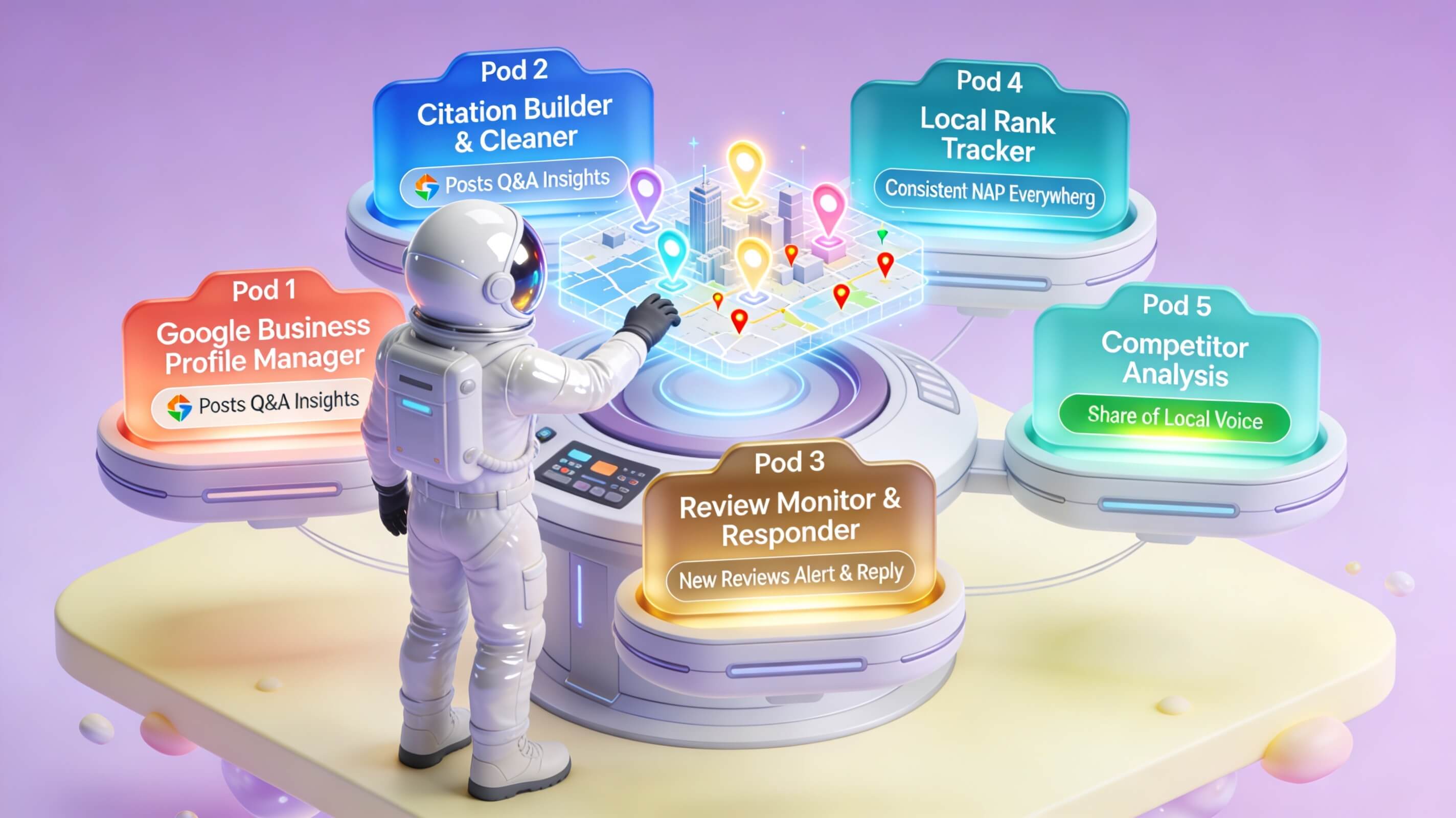
A local SEO audit is a systematic, diagnostic analysis of all factors influencing a business’s visibility in geographically-bound search results. Its purpose is to identify weaknesses, uncover opportunities, and create a prioritized action plan to improve rankings, traffic, and conversions from local customers. The core process can be distilled into five key phases:
- Technical & On-Page Analysis: Evaluate site speed, mobile-friendliness, structured data, and locally-optimized content.
- Google Business Profile Optimization: Audit profile completeness, accuracy, post activity, photo assets, and performance insights.
- Citation Consistency Check: Verify NAP uniformity across core directories, data aggregators, and industry-specific platforms.
- Review & Reputation Assessment: Analyze review volume, sentiment, response rate, and presence across relevant review sites.
- Competitive & Link Profile Review: Compare against top competitors and audit the quality and relevance of inbound local links.
This structured approach ensures that you cover every critical element of local SEO, from the technical foundation to the competitive landscape. Each phase builds upon the previous one, creating a comprehensive picture of your digital standing. By following this process, you can move from guesswork to data-driven decision-making. The featured snippet above is designed to be concise and actionable, providing a quick reference for anyone conducting a local SEO audit. Use it as a checklist to ensure you don’t miss any critical steps. Remember, the goal is not just to identify problems but to create a prioritized action plan that drives measurable results.
Conclusion
A thorough local SEO audit is the strategic compass for any business aiming to dominate its local market. It moves you from guessing about performance to knowing with certainty which levers to pull. By methodically examining your technical foundation, your Google Business Profile health, your citation network, your online reputation, and your competitive landscape, you build a complete picture of your digital standing. This process reveals not just isolated fixes, but interconnected opportunities for improvement. Remember, local search is dynamic; today’s audit provides the actionable insights, but sustained success requires embedding this diagnostic mindset into your regular operations. The businesses that commit to this cycle of audit, implement, measure, and refine are the ones that consistently capture local demand and turn searchers into loyal customers.
Don’t let your competitors capture the local traffic that should be yours. The insights from a comprehensive local SEO audit can be the difference between a thriving business and one that struggles to be found. Whether you’re a seasoned marketer or a business owner just starting out, the principles outlined in this guide provide a clear path forward. Start with the technical foundation, then move through each phase systematically. Use the data to prioritize your efforts and measure your progress. And remember, local SEO is not a destination; it’s a journey of continuous improvement. Ready to move from analysis to action? Our team specializes in executing data-driven local SEO audits that deliver clear roadmaps for growth. Contact us today for a personalized assessment and start converting your local search potential into measurable revenue.
Comments are closed.