Cart 0

Share
Table of Contents
Chatterbait Social Media: Navigating Trends in Social Engagement
In the dynamic arena of digital marketing, mastering chatterbait social media is no longer optional; it’s the cornerstone of building a resonant, growth-oriented online presence. This approach centers on creating content and sparking conversations that are inherently engaging and shareable, designed to “bait” meaningful interaction and chatter within your community. For marketers and business leaders, navigating this landscape means moving beyond simple posting to strategically leveraging platform-specific trends, algorithmic nuances, and authentic audience connection to drive tangible results. This article provides a comprehensive roadmap for developing a sophisticated social media strategy that harnesses the power of chatterbait principles. We will dissect platform selection, content architecture, paid amplification, community management, and the analytics that matter, equipping you with the insights to transform your social channels from broadcast megaphones into vibrant hubs of engagement and conversion.
The Foundational Power of Social Media Platforms
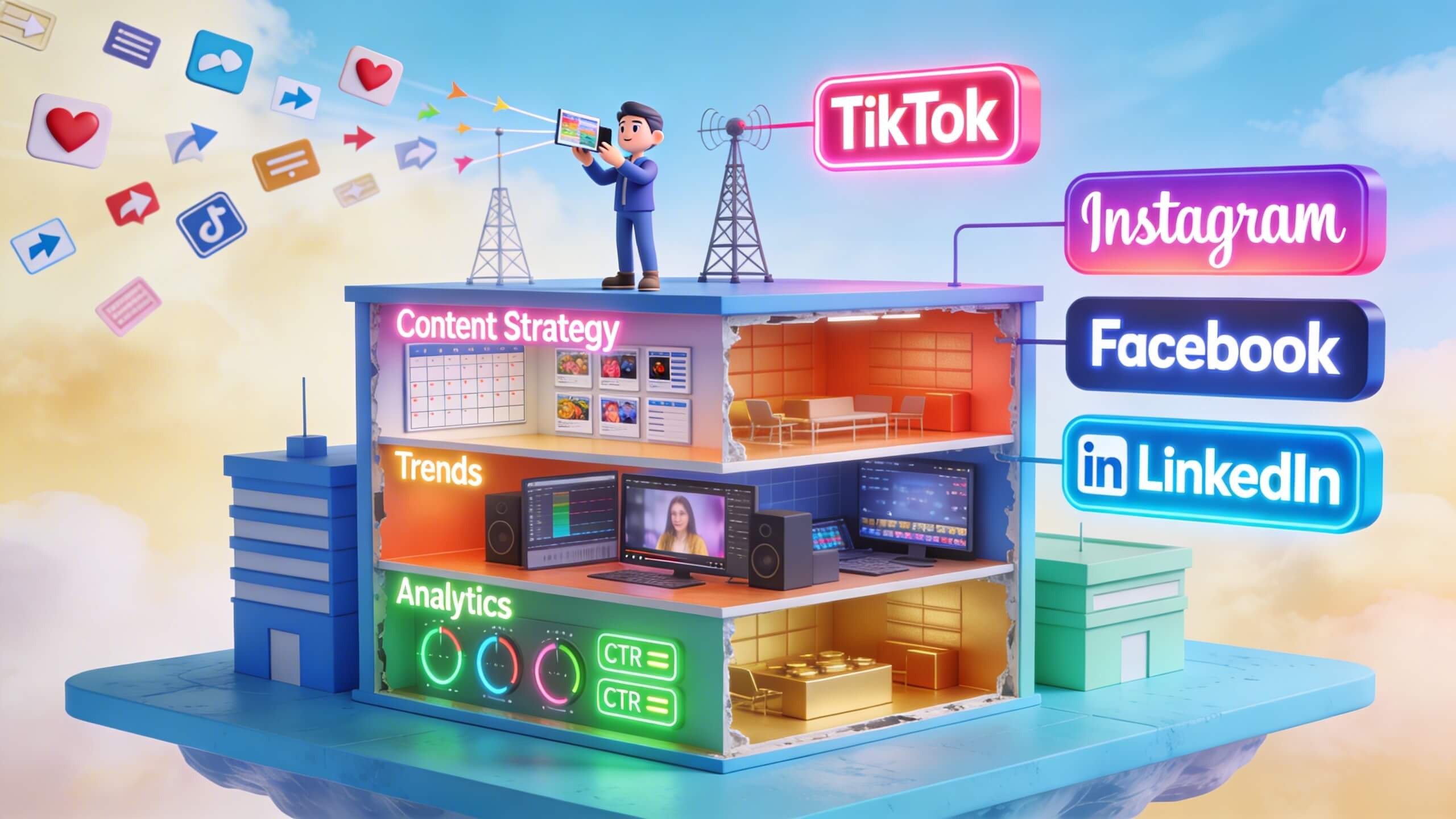
The journey begins with a strategic understanding of the digital terrain. Each major social platform constitutes a unique culture with distinct user expectations, content formats, and engagement triggers. A scattergun approach of posting identical content everywhere is ineffective and can damage brand perception. The essence of a successful chatterbait social media strategy is intentional platform selection, where you meet your audience in their preferred digital spaces with tailored content that feels native to that environment.
For instance, LinkedIn thrives on professional insights, industry commentary, and B2B networking, making it ideal for detailed articles and company news. In contrast, Instagram and TikTok are visually-driven ecosystems where aesthetics, short-form video, and trend participation are paramount. A B2C fashion brand might find its primary community on Instagram and TikTok, using Reels and Stories for chatterbait content, while a SaaS company might leverage LinkedIn and Twitter (X) for lead generation and authoritative discourse. The key is to conduct thorough audience research—using platform analytics and tools like Sprout Social—to identify not just where your audience is, but how they behave and communicate on each channel.
Major Platform Dynamics for Strategic Focus
To allocate resources wisely, consider the core dynamics of each network. Facebook, with its broad demographic reach and powerful group functionality, excels at community building and detailed targeting for ads. Instagram’s algorithm prioritizes engagement, making timely replies to comments and using interactive stickers in Stories critical chatterbait tactics. Twitter’s fast-paced, conversational nature is perfect for real-time marketing, customer service, and jumping on relevant trends. Emerging platforms like TikTok demand authenticity and creativity, rewarding content that participates in challenges or showcases brand personality. Understanding these nuances allows you to craft platform-specific chatterbait that feels organic, not forced.
Architecting a Comprehensive Social Media Strategy
A powerful social media presence is built on a foundation of planning, not happenstance. A documented strategy aligns your social efforts with overarching business objectives, whether that’s brand awareness, lead generation, or customer retention. This blueprint should be flexible enough to adapt to trends but structured enough to provide consistent direction for your team.
Identifying Core Goals and Audience Personas
The first step is moving from vague desires to SMART goals. Instead of “get more followers,” aim for “increase qualified lead generation from LinkedIn by 20% in Q3.” These goals dictate your content mix, call-to-actions, and success metrics. Simultaneously, develop detailed audience personas. Go beyond basic demographics; understand their pain points, the content formats they consume, the influencers they trust, and the online communities they inhabit. This deep empathy is the fuel for creating chatterbait content that truly resonates and sparks conversation.
The Imperative of a Dynamic Content Calendar
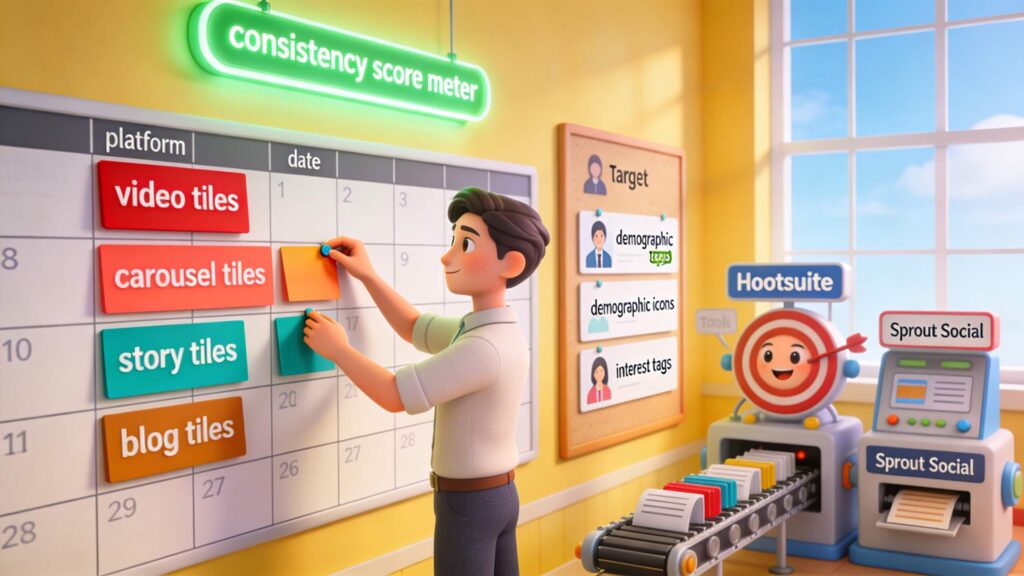
A content calendar is your operational engine. It ensures a consistent, balanced mix of content that serves your strategic goals. This mix should follow a framework like the 80-20 rule: 80% of content that educates, entertains, or adds value (the core chatterbait), and 20% that directly promotes your brand or products. Your calendar should plan for:
- Pillar Content: Substantial pieces (e.g., a blog post, report, or flagship video) that establish authority.
- Conversational Content: Questions, polls, and hot-takes designed explicitly to generate comments and shares.
- Trend-Jacking Content: Timely posts that respectfully and relevantly tie your brand to current events or viral moments.
- Community Spotlight: Content featuring user-generated material, customer testimonials, or employee spotlights.
Tools like Hootsuite or Asana can help visualize and schedule this pipeline, but leave room for spontaneous, reactive posts to maintain authenticity.
Leveraging Paid Social Media Advertising for Amplification
Organic reach, while vital, has its limits. Paid social advertising is the accelerator that ensures your best chatterbait content reaches a broader, highly targeted audience. Modern platforms offer unparalleled targeting capabilities based on interests, behaviors, life events, and even lookalike audiences that mirror your best customers.
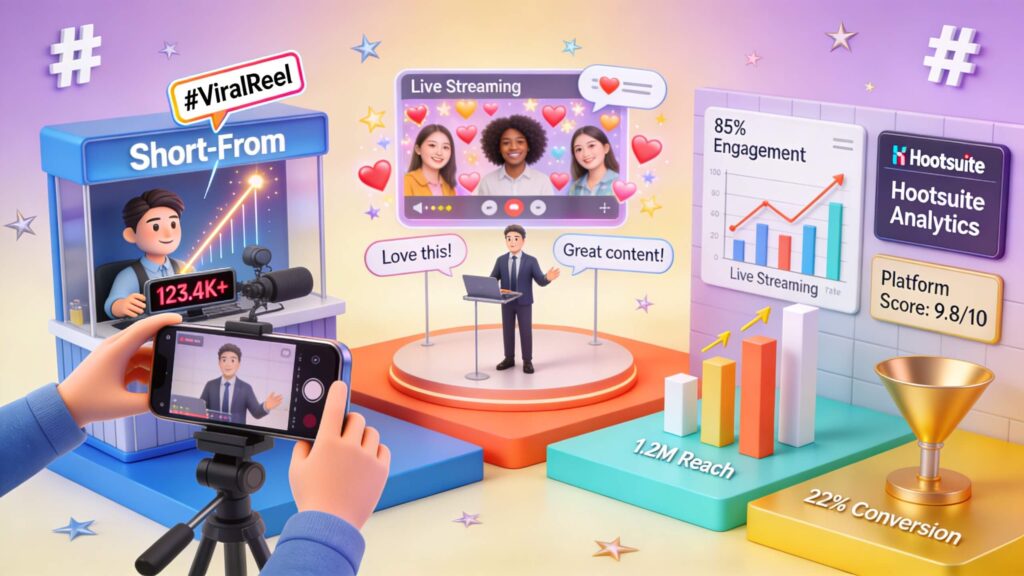
The most effective paid strategies are integrated with organic efforts. For example, a high-performing organic video can be boosted as a conversion-focused ad to a cold audience, or a successful lead magnet post can be retargeted to website visitors. The goal of social ads in a chatterbait context isn’t just impression-based; it’s to initiate or deepen a valuable conversation. Campaigns should be designed with clear objectives in the platform’s funnel: upper-funnel for awareness (video views, brand surveys), mid-funnel for consideration (content downloads, landing page visits), and lower-funnel for conversion (purchases, sign-ups).
Best Practices for High-Converting Social Ads
To maximize ROI, adhere to platform-native creative principles. Video ads should capture attention in the first 3 seconds, often with captions for sound-off viewing. Ad copy should be concise, benefit-driven, and include a clear, compelling call-to-action. Crucially, leverage the detailed analytics provided by Meta Ads Manager or LinkedIn Campaign Manager. Continuously A/B test variables like audience segments, ad creative, and CTAs. Analyze not just cost-per-click, but downstream metrics like cost-per-lead and customer lifetime value to understand the true impact of your social advertising on business growth.
Operational Excellence in Social Media Management
Managing multiple channels efficiently requires a blend of the right tools, disciplined processes, and a human touch. Operational excellence frees up time for strategic thinking and genuine community interaction, which is the heart of chatterbait engagement.
Centralize your workflow with a social media management platform. These tools allow for bulk scheduling, provide a unified inbox for messages and comments, and offer cross-channel analytics dashboards. However, automation should facilitate, not replace, human connection. Use schedulers for your planned content calendar, but ensure a team member is actively monitoring channels for real-time engagement opportunities, customer service inquiries, and potential crisis management situations.
The Art and Science of Audience Engagement
Engagement is a two-way street. Responding to comments, answering questions, and participating in relevant conversations signals to both the algorithm and your followers that your brand is active and attentive. Develop guidelines for your team on brand voice and response protocols, but empower them to be personable. Social listening, using tools like Brandwatch, extends this beyond your notifications. By tracking brand mentions, industry keywords, and competitor names, you can identify opportunities to join conversations, offer help, or gather invaluable market intelligence, turning passive observation into active chatterbait participation.

Analyzing Metrics That Actually Matter
Data is the compass for your social media strategy. However, in the age of chatterbait social media, vanity metrics like follower count are secondary. The focus must shift to metrics that indicate genuine community health, content resonance, and business impact. Tracking the right data allows for agile optimization and proves the value of your efforts.
Key performance indicators should be tiered based on your goals. For brand awareness, track reach, impressions, and share of voice. For engagement, analyze engagement rate (total engagements / reach), saves, shares, and the sentiment of comments. For conversion, track click-through rate, conversion rate, and cost-per-conversion from social traffic. Most importantly, use UTM parameters and platform pixels to track how social media activity influences website behavior and sales, creating a closed-loop reporting system.
| Metric Category | Key Indicators | Strategic Insight |
|---|---|---|
| Audience Growth & Health | Follower Growth Rate, Net New Followers, Audience Demographics Shift | Measures brand attraction and whether you’re reaching the right people. |
| Content Engagement | Engagement Rate, Amplification Rate (Shares), Conversation Rate (Comments/Replies) | Identifies what content truly resonates and sparks the “chatterbait” effect. |
| Conversion & ROI | Social-Sourced Conversions, Cost-Per-Lead, Social Media Revenue Attribution | Quantifies the direct business impact and financial return of social activities. |
Proactive Strategies for Sustainable Social Growth
Sustainable growth is a product of value, consistency, and strategic networking. It’s about building a community, not just an audience list.
Creating consistently valuable content is non-negotiable. This means solving problems, providing entertainment, or offering unique insights your audience can’t easily find elsewhere. Hashtag strategy is also crucial; use a mix of high-volume, niche, and branded hashtags to increase discoverability. Furthermore, proactive engagement—such as thoughtfully commenting on other industry leaders’ posts or collaborating with micro-influencers—can expose your brand to new, relevant audiences. Cross-promotion across your owned channels (e.g., embedding social feeds on your website, promoting your Instagram in your email newsletter) creates a cohesive ecosystem that nurtures followers into customers.
Maximizing Engagement Through Advanced Tactics
To truly maximize engagement, you must engineer it into your content. This involves designing posts that are inherently interactive and foster a sense of community ownership.
Go beyond simple “like this post” calls-to-action. Pose open-ended questions that solicit opinions. Run polls or quizzes related to your industry. Host “Ask Me Anything” (AMA) sessions or live tutorials. Create content series that followers anticipate. Encourage and showcase user-generated content through branded challenges or featured customer spotlights. These tactics transform passive scrollers into active participants, deepening their connection to your brand. As noted by marketing thought leaders at Content Marketing Institute, the brands that win are those that build audiences, not just broadcast to them.
Embracing Modern Chatterbait Social Media Trends
The social landscape evolves rapidly. Staying ahead requires not just observing trends, but understanding the underlying user behavior they represent and adapting them authentically to your brand.
Dominant Trends Shaping Engagement
Short-Form Vertical Video: Platforms like TikTok, Instagram Reels, and YouTube Shorts prioritize engaging, snackable video. Success here requires understanding platform-specific editing styles, hooks, and trends. It’s less about high production and more about raw creativity and value delivery in seconds.
Authenticity & Behind-the-Scenes (BTS): Polished perfection is fading. Audiences crave authentic glimpses into your company culture, the people behind the brand, and even the challenges you face. This builds immense trust and relatability.
Social Audio and Live Streaming: Live video on Instagram, Facebook, or LinkedIn, and audio spaces on platforms like X, create unparalleled real-time intimacy. They are powerful tools for product launches, expert interviews, and unfiltered Q&A sessions.
Ephemeral Content: Stories on Instagram and Facebook create a sense of urgency and exclusivity. Use them for time-sensitive offers, quick polls, or casual day-in-the-life content that complements your more permanent grid posts.
Purpose-Driven and Inclusive Marketing: Modern consumers align with brands that share their values. Your chatterbait social media content should reflect a genuine commitment to diversity, equity, inclusion, and social responsibility, as highlighted in reports from Edelman on brand trust.
Learning from Successful Chatterbait Campaigns
Real-world examples crystallize these principles. Consider a mid-sized outdoor apparel company that leveraged a chatterbait strategy. Instead of just showcasing products, they launched a #MyAdventureMap campaign on Instagram, encouraging followers to share photos of their hiking trails and tag locations. They used a branded hashtag, featured the best UGC on their grid, and even created a community story highlight. This campaign, supported by a small boost budget for the top posts, didn’t just showcase their gear in action; it built a community of enthusiasts, generated authentic marketing assets, and increased website traffic from social by over 40% in a quarter. Another example is a B2B tech firm using LinkedIn to publish insightful data commentaries on industry reports, sparking professional debate in the comments and directly generating qualified sales conversations. These cases show that successful chatterbait is about igniting a relevant conversation where your brand is a key participant, not just the announcer.
Conclusion
Navigating the world of chatterbait social media is a continuous journey of strategic adaptation, creative experimentation, and genuine human connection. It demands moving beyond vanity metrics to focus on fostering a vibrant, engaged community that actively participates in your brand’s narrative. From the foundational choice of platforms and the architecture of a data-informed content strategy to the nuanced execution of engagement tactics and paid amplification, every element must work in concert. The brands that will thrive are those that listen as much as they speak, that add value before they ask for a sale, and that have the agility to embrace new trends while staying true to their core identity. By mastering these principles, you transform your social media channels from cost centers into powerful engines for brand loyalty, customer insight, and sustainable business growth. Now is the time to audit your strategy, identify one new chatterbait tactic to implement this month, and start a conversation that truly matters to your audience.