Cart 0

Share
Table of Contents
Backlink Sites: Exploring Platforms for Quality Link Building
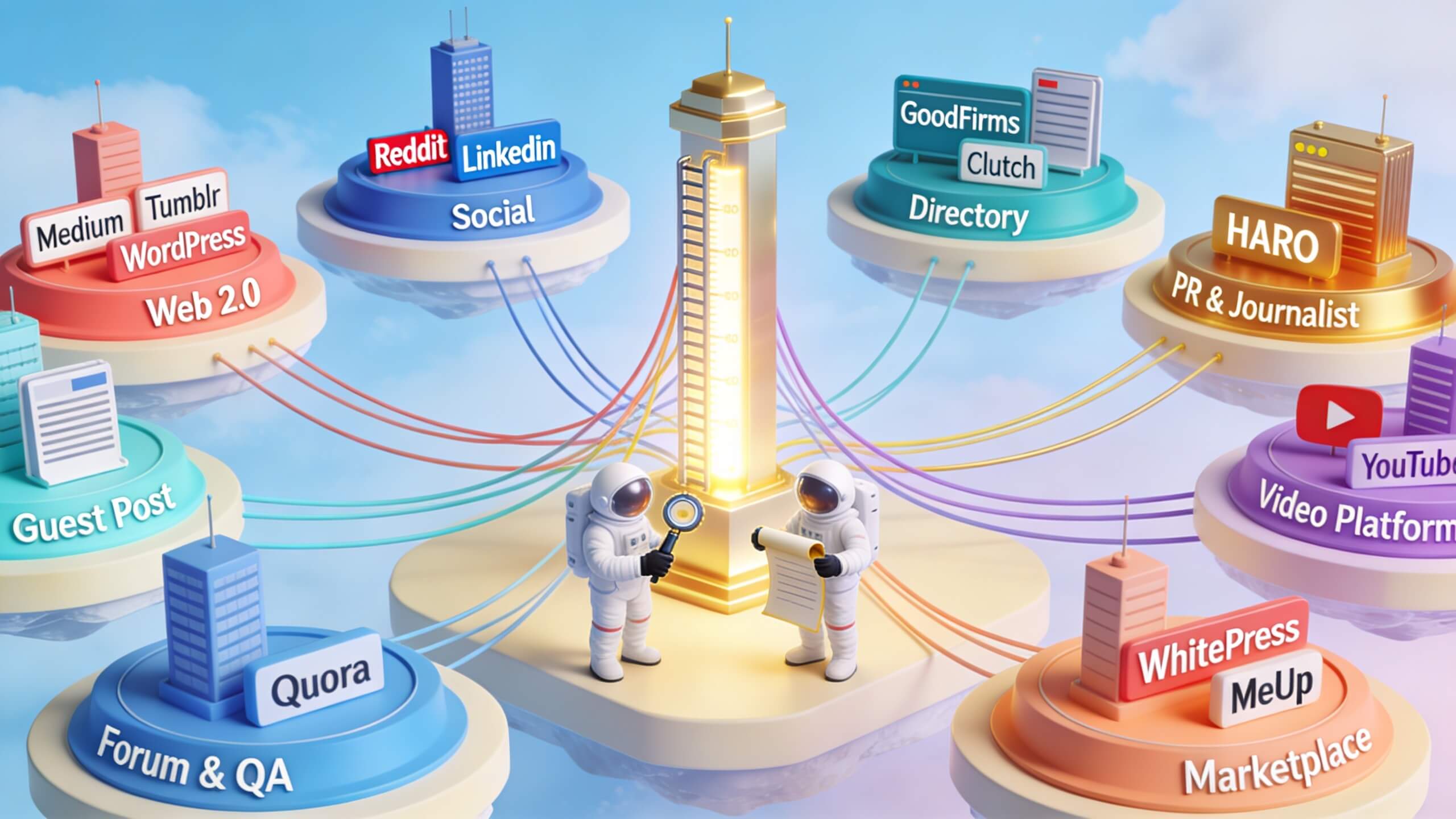
For any website serious about sustainable growth in organic search, building a powerful backlink profile is non-negotiable. High-quality backlinks remain one of Google’s most significant ranking factors, acting as votes of confidence from one site to another. In my two decades of navigating SEO’s shifting sands, I’ve seen countless link-building fads come and go—automated link wheels, private blog networks, and paid link schemes that promised the moon but delivered penalties. The truth is that genuine, editorial backlinks are the only currency that holds lasting value in Google’s eyes. This guide will explore the landscape of backlink sites—platforms and services designed to facilitate this critical SEO work. We will move beyond simple lists to provide a strategic framework for evaluating these tools, integrating them into a white-hat strategy, and avoiding common pitfalls that can lead to manual actions. By understanding how to leverage these resources effectively, you can build authority, increase visibility, and drive consistent traffic through quality link building. The key is not to find shortcuts but to build a system that attracts links naturally while using the right tools to accelerate the process. Whether you’re a seasoned SEO professional or a business owner looking to improve your site’s organic footprint, the insights here will help you separate signal from noise in the crowded world of backlink acquisition.
The Foundational Role of Backlinks in Modern SEO
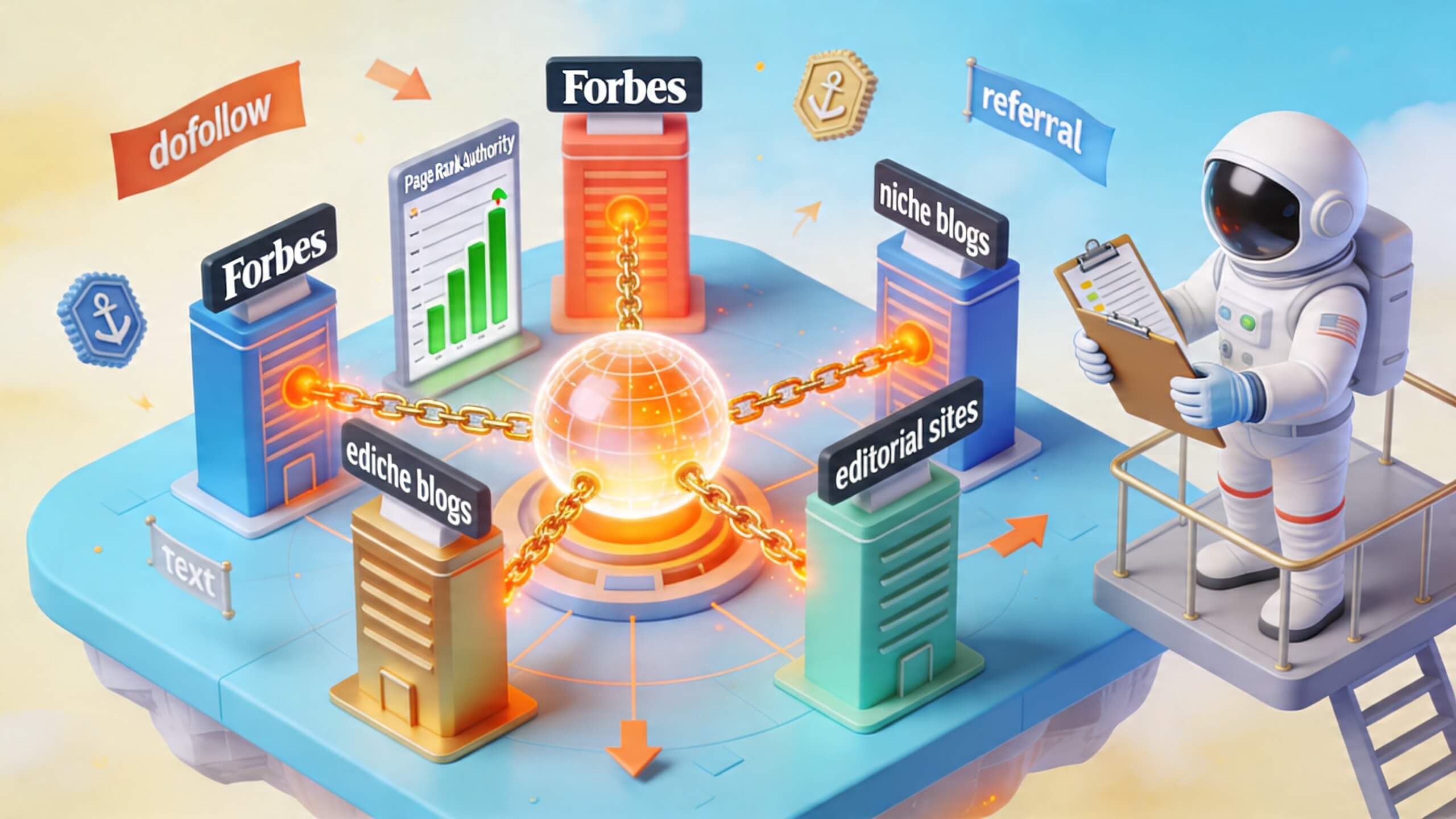
To understand the value of backlink sites, one must first appreciate the enduring importance of links themselves. A backlink is more than a pathway; it’s a credibility signal. When a reputable website links to your content, it signals to search engines that your information is valuable, trustworthy, and worthy of citation. This concept, known as “PageRank,” is the bedrock upon which Google was built. While the algorithm has evolved through thousands of updates, the core principle that editorial endorsements matter has only strengthened. The difference today is nuance: not all links are created equal. A single link from a top-tier industry publication like Search Engine Land can carry more weight than dozens of links from low-authority directories. The goal of using any backlink site or service should be to facilitate the acquisition of these genuine, editorial endorsements, not to manipulate the system. A natural link profile, earned through remarkable content and strategic outreach, is the only profile that delivers long-term, penalty-resistant results.
In my experience, the biggest mistake newcomers make is treating backlinks as a numbers game. They chase volume over quality, thinking that more links automatically mean higher rankings. This approach ignores how Google’s algorithms have matured. Modern updates like Penguin and SpamBrain are incredibly effective at detecting unnatural link patterns. If your profile shows a sudden spike in links from irrelevant sites or uses over-optimized anchor text, you risk a ranking drop or manual penalty. Instead, the focus must shift to earning links from domains that have topical authority, real traffic, and editorial oversight. This is where backlink sites come in—not as a source of cheap links, but as a way to find, analyze, and reach out to these valuable opportunities. The platforms we’ll discuss are tools for intelligence, not for shortcuts. They help you understand your current standing, identify gaps in your profile, and execute outreach with precision.
A foundational principle I’ve learned over two decades is that link building is a byproduct of a broader content and relationship strategy. You cannot build a sustainable profile without first having something worth linking to. The best backlink sites are those that help you discover what content resonates with your audience and where your competitors are earning their endorsements. By aligning your link-building efforts with your content strategy, you create a virtuous cycle: great content attracts links, which drives traffic and authority, which makes your next piece of content even more linkable. This long-term approach requires patience, but it’s the only path that survives algorithm updates and delivers compounding returns.
Evaluating Top-Tier Backlink Analysis Platforms
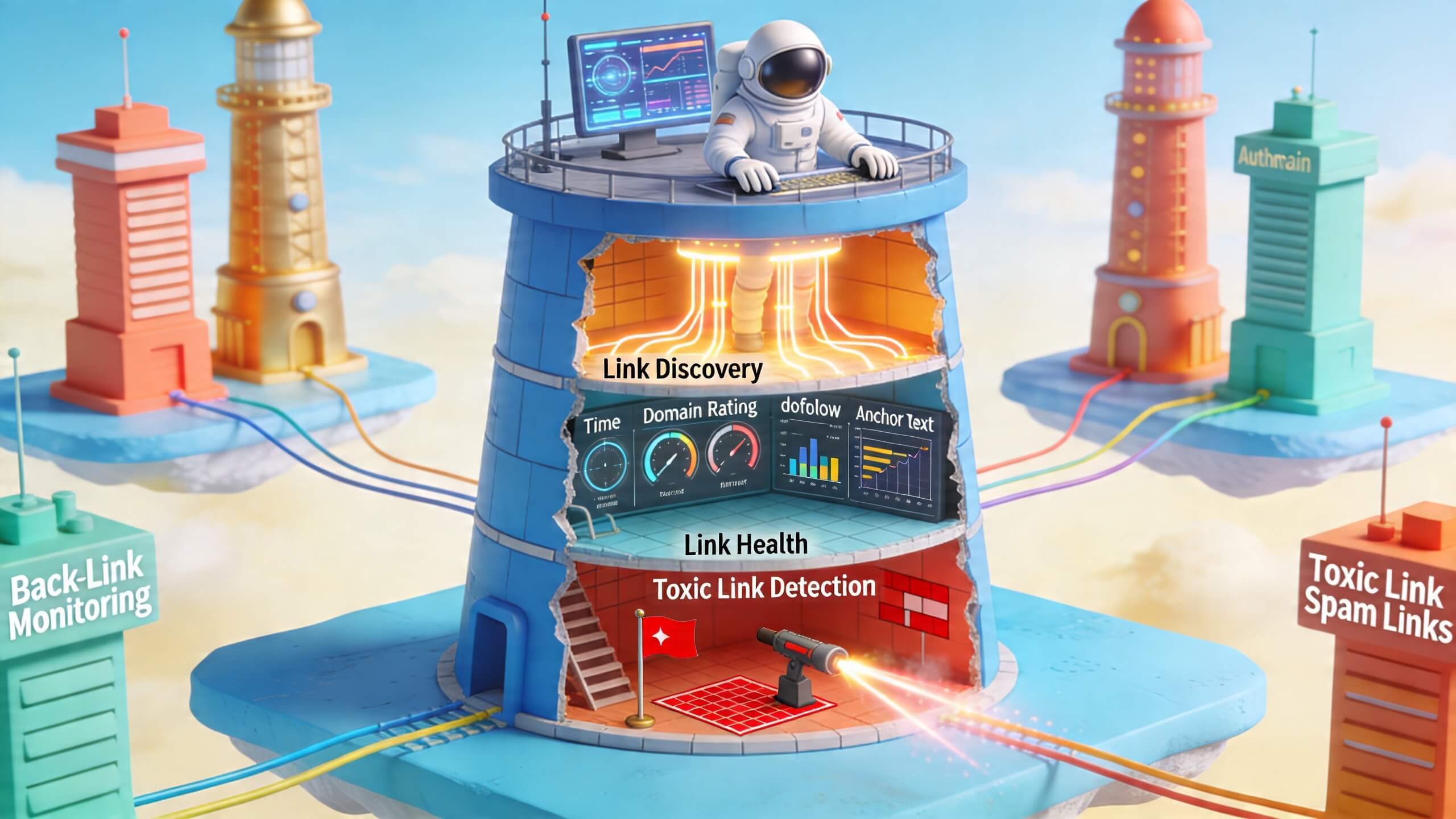
The first category of backlink sites encompasses analytical powerhouses. These platforms are less about “getting” links directly and more about providing the intelligence needed to build a smart strategy. They allow you to audit your own profile, spy on competitors, and uncover tangible opportunities. Over the years, I’ve tested dozens of tools, and three consistently stand out for their depth, accuracy, and usability. Each has unique strengths, and the best choice depends on your specific needs—whether you’re doing deep competitive analysis, content ideation, or ongoing monitoring.
When evaluating these platforms, consider factors beyond price. Look at the freshness of their link index, the accuracy of their metrics, and the usability of their interface. A tool that hasn’t updated its index in weeks is useless for real-time decisions. Similarly, proprietary metrics like Domain Authority or Trust Flow are helpful benchmarks, but they should never be the sole criteria for judging a link’s value. I always recommend cross-referencing multiple tools to get a fuller picture. A link that looks strong in one platform might reveal red flags in another. This triangulation approach has saved me from chasing bad opportunities more times than I can count.
Another critical aspect is how these tools handle link discovery versus link analysis. Some excel at showing you what links exist, while others are better at helping you find new opportunities. The best strategy is to use a combination: one tool for deep analysis of your existing profile, and another for uncovering gaps and new prospects. This layered approach ensures you’re not missing opportunities because you’re relying on a single data source. Let’s dive into the specific strengths of each major player.
Ahrefs: The Backlink Database Behemoth
Ahrefs is frequently the tool of choice for SEO professionals due to its colossal index, which is updated continuously. Its Site Explorer feature provides a breathtakingly detailed view of any domain’s backlink profile, including referring domains, anchor text distribution, and link growth over time. For link building, its “Best by links” report and “Link Intersect” tool are invaluable for discovering where your competitors are getting links that you are not. Its “Content Gap” analysis can also reveal topical opportunities where you can create superior content to attract links naturally. While its pricing starts at $99/month, the depth of data justifies the cost for serious practitioners.
What sets Ahrefs apart is the speed and accuracy of its crawler. In my tests, it consistently identifies new links faster than most competitors, which is crucial when you’re trying to catch trending opportunities. The tool also offers a robust “Disavow” feature that integrates with Google’s tool, making it easy to clean up toxic links. For outreach, the “Link Intersect” feature is a game-changer. It shows you which domains link to multiple competitors but not to you, giving you a prioritized list of targets. I’ve used this to build campaigns that generated hundreds of high-quality links in a matter of weeks. The key is to pair this data with a value-driven pitch—don’t just ask for a link; offer something of value in return, like a guest post or a resource that genuinely helps their audience.
Ahrefs also excels at content analysis. Its “Content Explorer” lets you search for the most linked-to content on any topic, giving you a blueprint for what works in your niche. By studying these top-performing pieces, you can identify patterns in length, format, and angle that you can replicate. This is where the tool moves beyond simple link analysis into content strategy. I’ve used this feature to build editorial calendars that consistently produce link-worthy assets. The combination of backlink data and content intelligence makes Ahrefs a complete ecosystem for link building.
SEMrush: The Integrated Marketing Suite
SEMrush takes a broader approach, integrating backlink analysis into a full suite of marketing tools. Its Backlink Analytics tool is robust, offering clear metrics on authority scores, toxicity checks, and a detailed breakdown of link types. A standout feature is the “Backlink Gap” tool, which functions similarly to Ahrefs’ Link Intersect, allowing for quick competitive analysis. Where SEMrush shines for link building is in its “Topic Research” and “Post Tracking” tools, which help you ideate content that has high potential to attract shares and links, making it a more holistic platform for the content-to-link lifecycle.
The toxicity check feature in SEMrush is particularly useful for beginners who might not know how to identify risky links. It uses a proprietary algorithm to flag links that could harm your site, such as those from spammy directories or link farms. While no tool is perfect—I’ve seen false positives and missed negatives—it’s a helpful starting point for cleaning up your profile. For outreach, SEMrush’s “Link Building Tool” automates some of the tedious work, like finding contact information and sending follow-up emails. However, I caution against over-reliance on automation. The best outreach still requires personalization and a genuine understanding of the target site. Use the tool to streamline the process, but never let it replace human judgment.
One area where SEMrush excels is in its integration with other marketing functions. If you’re already using SEMrush for keyword research, competitor analysis, and site audits, adding backlink analysis to your workflow is seamless. This integration saves time and ensures consistency across your SEO efforts. For example, you can identify a keyword opportunity, create content optimized for it, and then use the backlink tools to find sites that might link to that content—all within the same platform. This end-to-end approach is powerful for agencies and in-house teams managing multiple campaigns.
Majestic: The Original Link Intelligence Specialist
Majestic is the veteran in the space, renowned for its unique metrics: Trust Flow and Citation Flow. Trust Flow is a proprietary metric that attempts to measure the quality of a site’s backlink profile based on the trustworthiness of its linking neighbors. This is a crucial differentiator when assessing potential link targets; a site with high Citation Flow (volume of links) but low Trust Flow may be risky. Majestic’s “Site Explorer” and “Backlink History” are exceptional for deep backlink analysis and understanding the historical link profile of a domain, which can reveal past SEO strategies.
What I appreciate about Majestic is its focus on the quality of links rather than just quantity. The Trust Flow metric, while not perfect, provides a useful heuristic for filtering out low-value targets. A site with a Trust Flow of 30 or higher is generally a safe bet, while anything below 10 should be treated with suspicion. The “Citation Flow” metric, on the other hand, gives you a sense of the site’s overall link popularity. The ratio between the two—called the “Trust-Citation Ratio”—is a powerful indicator of link quality. A site with high Citation Flow but low Trust Flow is likely engaging in manipulative link building, and you should avoid it.
Majestic’s historical data is another unique strength. You can see how a site’s link profile has evolved over years, which is invaluable for vetting potential partners. A site that suddenly gained thousands of links in a short period is likely using paid or automated tactics, making it a risky target. Conversely, a site with steady, organic growth over time is a safer bet. This historical perspective is something I rely on heavily when evaluating guest posting opportunities or potential link exchanges. While Majestic’s interface is less polished than Ahrefs or SEMrush, its depth of data makes it an essential tool in my arsenal.
Strategic Methods for Acquiring Authority Backlinks
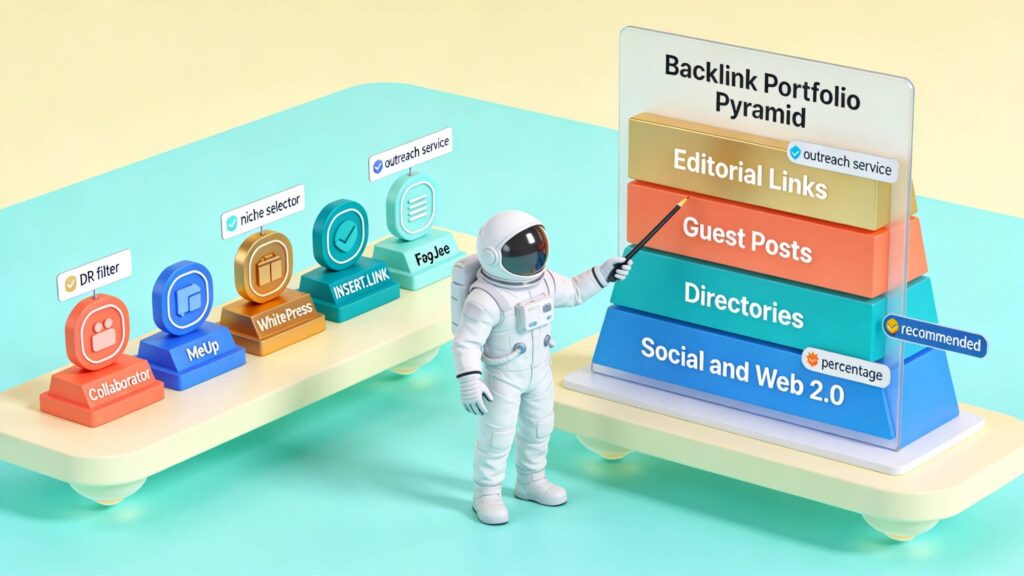
With intelligence from analysis platforms, the next step is execution. This is where strategic methodologies, often facilitated by other types of backlink sites or tools, come into play. The key is to focus on strategies that build genuine relationships and provide value. Over the years, I’ve refined my approach to prioritize methods that are scalable, ethical, and resistant to algorithm updates. The following techniques have consistently delivered results for my clients, from small blogs to Fortune 500 companies.
One of the most important lessons I’ve learned is that link building is not a one-size-fits-all activity. What works for a local business might not work for a SaaS company, and vice versa. The best strategies are those that align with your brand’s strengths and your audience’s needs. For example, a company with a strong data team can create original research that journalists love to cite. A company with deep industry expertise can produce thought leadership pieces that authoritative sites want to publish. The key is to identify your unique value proposition and use it as the foundation for your link-building efforts.
Another critical factor is patience. Quality link building takes time—often months from initial outreach to seeing results. I’ve seen too many people give up after a few weeks because they didn’t see immediate ranking improvements. The reality is that Google’s algorithms take time to process new links, and the compounding effect of consistent, high-quality links is what drives long-term growth. Set realistic expectations, track your progress over quarters rather than weeks, and celebrate small wins like a single link from a high-authority domain. These small wins build momentum and credibility that eventually snowball into significant traffic gains.
Guest Posting with a Value-First Mindset
Guest posting remains a legitimate tactic when done correctly. The modern approach is not about mass submissions to low-quality “guest post farms,” but about targeted contributions to authoritative sites in your niche. The goal is to provide genuine value to that site’s audience, not just to place a link. Use your analytical tools to find websites that have linked to your competitors, analyze their content standards, and craft a personalized pitch offering a unique angle. Platforms like Ahrefs’ training resources often emphasize that the link should be a natural byproduct of an excellent contribution, not the sole objective.
In my practice, I follow a strict vetting process for guest posting opportunities. First, I check the site’s domain authority using tools like Moz’s Link Explorer. I look for a DA of 40 or higher, though this can vary by niche. Second, I review the site’s content quality—does it publish well-researched, original articles? If it’s full of thin content or obvious affiliate links, I pass. Third, I check the site’s audience engagement through social shares and comments. A site with high traffic but no engagement is often a sign of automated traffic, which offers little value. Finally, I verify that the site’s editorial guidelines are clear and that they accept guest posts with dofollow links. If any of these checks fail, I move on to the next opportunity.
The pitch itself is where most people fail. A generic “I’d like to write for your site” email goes straight to the trash. Instead, I spend time reading several of the site’s recent articles to understand their tone, style, and audience. Then I craft a pitch that shows I’ve done my homework. I propose a specific topic that fills a gap in their content, backed by data or unique insights. I also offer to write a complete draft, which reduces the editor’s workload. This approach has a success rate of 30–40%, compared to the 1–2% from mass outreach. It takes more time, but the quality of links you earn is exponentially better.
Broken Link Building: A Classic Win-Win
This technique involves finding broken links (404 errors) on relevant, authoritative websites and politely informing the webmaster while suggesting your own, relevant content as a replacement. It’s a true win-win: you help the site owner fix a poor user experience, and you gain a contextual link from a page that already has authority. Tools like Check My Links can speed up the discovery process. This method requires patience and meticulous outreach but results in highly authoritative, editorially placed dofollow backlinks.
I’ve used broken link building to secure links from sites like Forbes, Inc., and industry-specific publications. The process starts with identifying relevant pages in your niche that have high authority but broken outbound links. Tools like Ahrefs’ “Broken Pages” report are excellent for this. You can filter by domain authority and look for pages that have multiple broken links—these are prime targets because the webmaster is likely aware of the problem and motivated to fix it. Once you find a broken link, check if you have a relevant resource that could replace it. If not, create one. This ensures that your pitch is not just helpful but also timely.
The outreach email should be concise and respectful. Start by complimenting the site’s content, then mention the broken link you found, and finally suggest your resource as a replacement. I always include the exact URL of the broken link and the specific page where it appears, making it easy for the webmaster to verify. I also offer to provide additional context or even rewrite the surrounding content to make the transition seamless. This level of detail shows that you’re not just link building—you’re genuinely trying to help. The response rate for this method is typically 15–25%, which is excellent for any outreach campaign.
Digital PR and Expert Outreach
Moving beyond traditional link building, digital PR involves creating newsworthy content, data studies, or original research and pitching it to journalists and publishers. This can lead to high-authority links from media outlets. Similarly, expert outreach involves quoting recognized authorities in your content and then notifying them of their feature. They are likely to share it with their audience, potentially generating links. Services like HARO (Help a Reporter Out) connect sources with journalists, providing a structured platform for this kind of exposure.
Digital PR requires a different skill set than traditional link building. You need to think like a journalist—what stories are trending? What data would make a compelling headline? I’ve seen companies generate hundreds of links from a single data study by pitching it to the right reporters. The key is to make the story easy to cover: provide a press release with key findings, offer to provide quotes or additional data, and be responsive to follow-up questions. Platforms like Business Wire can help distribute your press release, but the real value comes from direct outreach to journalists who cover your niche.
Expert outreach is a lighter version of digital PR. Start by identifying thought leaders in your industry—people with large social followings or who are frequently quoted in the press. Then, create content that features their insights, such as a roundup post or a deep-dive interview. Once the content is published, notify the expert via email or social media. Most will share it with their audience, which can lead to links from their own sites or from followers who find the content valuable. This method works best when you genuinely respect the expert’s work and provide them with a positive experience. Over time, these relationships can lead to ongoing collaborations and a steady stream of high-quality links.
Dofollow vs. Nofollow: A Strategic Balance
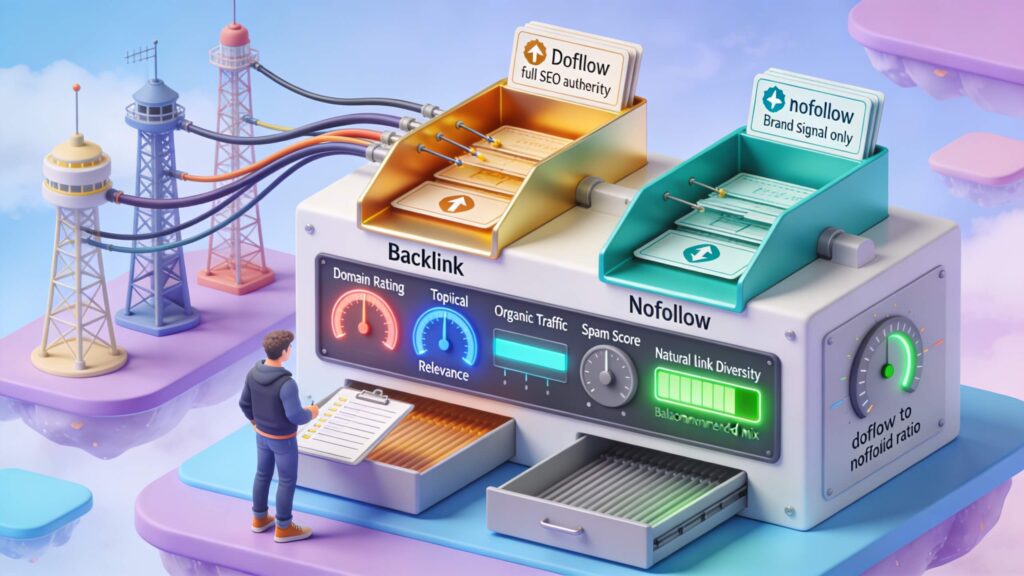
A common focus of many backlink sites is the pursuit of “dofollow” links, which are links that pass PageRank and direct SEO value. “Nofollow” links (tagged with `rel=”nofollow”`) do not pass this traditional ranking juice. However, a modern, natural backlink profile contains a healthy mix of both. A profile with 100% dofollow links appears manipulative to algorithms. Nofollow links from major social media platforms, reputable news site comments, or user-generated content are signs of real brand engagement. The strategic aim should be to earn high-quality dofollow links from editorial content while also building a brand presence that naturally attracts nofollow links. This balanced profile is far more trustworthy.
In my experience, the obsession with dofollow links is one of the biggest mistakes in link building. I’ve seen clients turn down a nofollow link from a site like The New York Times, thinking it offers no value. This is short-sighted. A nofollow link from a high-authority site can still drive significant referral traffic, increase brand visibility, and lead to more dofollow links from other sites. Google has also stated that it uses nofollow links as “hints” for ranking, meaning they are not completely ignored. The key is to focus on the overall value of the link, not just its attribute.
To achieve a balanced profile, I recommend a two-pronged approach. First, actively pursue dofollow links through guest posting, broken link building, and digital PR. These should make up the core of your link-building efforts. Second, passively build nofollow links by being active on social media, participating in industry forums, and creating shareable content that people naturally link to. Over time, this mix creates a profile that looks organic and earns Google’s trust. If your profile is 90% nofollow, you need to increase your dofollow efforts. If it’s 100% dofollow, you need to diversify into nofollow opportunities. The ideal ratio varies by niche, but a 60/40 split in favor of dofollow is a good starting point.
The Reality of Free Backlink Sites and Tools
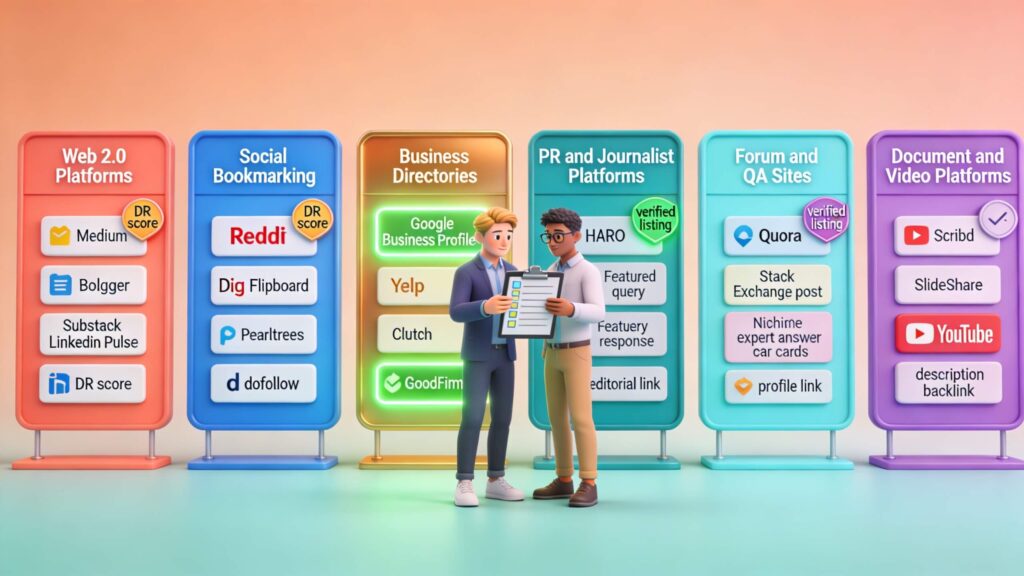
The allure of free backlink sites is strong, but caution is paramount. Many free directory submission sites, blog commenting platforms, or “link exchange” networks offer low-quality, spammy links that can harm your site. However, there are legitimate free resources. Free tiers of premium tools like SEMrush or Ahrefs offer limited but useful searches. Google Search Console is a completely free and essential tool for monitoring the backlinks Google itself knows about. For discovery, tools like Moz’s Link Explorer free version provide a glimpse into a site’s link profile. The key is to use free tools for supplementary insight, not as the core of a link acquisition strategy.
I’ve seen countless sites penalized because they relied on free backlink sites that offered “1000 links for free.” These services often use automated scripts to submit your site to hundreds of low-quality directories and comment sections. The resulting links are not only worthless but also dangerous. Google’s algorithms can easily detect these patterns and devalue your entire link profile. If you’re on a tight budget, invest your time in creating great content and using free tools like Google Search Console to monitor your progress. Avoid any service that promises quick, easy links—they’re almost always a trap.
That said, there are a few free resources that I consider essential. Google Search Console gives you a list of all links Google has found to your site, including the anchor text and linking page. This is invaluable for auditing your profile and spotting issues. Moz’s Link Explorer free version allows you to check the domain authority of any site, which is useful for vetting potential targets. And tools like Check My Links (a Chrome extension) are free and help you find broken links quickly. These free tools, combined with a strong content strategy, can get you started without spending a dime. But as you grow, investing in a premium tool like Ahrefs or SEMrush will save you time and provide the depth of data needed for competitive link building.
| Resource Type | Typical Use Case | Potential Outcome | Risk Level |
|---|---|---|---|
| Free SEO Tool Tiers | Basic backlink checks, limited site audits | Helpful for beginners; identifies major issues | Low |
| Google Search Console | Viewing links Google has indexed | Essential for monitoring; reveals security issues | Low |
| Free Directory Sites | Mass submissions for quick links | Low-quality links; possible penalty over time | High |
| Link Exchange Networks | Reciprocal link trading | Unnatural pattern; low SEO value; high risk | Very High |
Cultivating a Natural and Sustainable Link Profile
The ultimate goal transcends any single tool or tactic. It is to cultivate a backlink profile that grows organically because your brand and content deserve it. This requires a foundational shift from “link building” to “link earning.” The cornerstone is exceptional content. This is the asset that makes all other strategies work. It must be comprehensive, authoritative, and provide unique value that cannot be found elsewhere. This could be an industry-defining guide, an original data study, interactive tools, or deeply researched reports. As the team at Backlinko has demonstrated, “skyscraper” content that is objectively better than anything else on the topic naturally attracts links.
Secondly, proactive but authentic relationship building is crucial. Engage with influencers and webmasters in your community without immediately asking for a link. Share their work, contribute thoughtful comments, and build genuine rapport. When you later have something valuable to share, the reception will be warmer and more effective. I’ve built long-term relationships with editors and journalists simply by being helpful and respectful over months and years. These relationships have led to dozens of high-quality links that I never had to ask for—they came because the people I knew trusted my expertise and wanted to share my content.
Finally, consistent technical SEO and user experience ensure that when you earn a valuable link, the user has a flawless experience. A fast, secure, mobile-friendly site with clear information architecture makes your site a desirable linking target. Resources from Google Search Central are indispensable for maintaining this
Conclusion
As we have explored throughout this article, the landscape of backlink sites is both vast and nuanced. From authoritative news publications and industry-specific blogs to niche directories and resource pages, the platforms available for link building are diverse. However, the true value lies not in the sheer quantity of links, but in the quality, relevance, and authenticity of each connection. We have seen that not all backlink sites are created equal; a link from a high-domain-authority, contextually relevant source like a respected trade publication or a .edu resource carries far more weight than dozens of links from low-quality directories or spammy comment sections.
The key takeaways are clear. First, prioritize platforms that align with your niche and audience. A link from a site that your target customers actually read and trust will drive both referral traffic and search engine credibility. Second, focus on creating content that naturally earns links—comprehensive guides, original research, and valuable tools that serve as authoritative resources. Third, embrace ethical, relationship-based outreach rather than automated or manipulative tactics. Building genuine connections with editors, bloggers, and industry leaders yields sustainable results that withstand algorithm updates. Finally, always monitor your backlink profile using tools like Ahrefs or Moz to identify toxic links and double down on what works.
In the ever-evolving world of SEO, backlinks remain a cornerstone of authority and visibility. But the days of gaming the system are long gone. Today’s search engines reward patience, quality, and genuine value. As you venture forward, remember that every link should serve a purpose: to connect a user with something useful, to build trust, and to establish your site as a credible voice in your field. The platforms you choose are merely the stage; it is your content and your relationships that will truly build lasting authority. Embrace this mindset, and your link-building efforts will not only improve your rankings but also elevate your brand’s reputation for years to come.