Cart 0

Share
If you’ve ever wondered why your website isn’t gaining traction in search results despite great content, the answer often lies in a missing foundational element of SEO: backlinks. A website backlink is simply a hyperlink from one website to another. Search engines like Google interpret these links as votes of confidence and credibility. When reputable sites link to your content, it signals to algorithms that your information is authoritative and valuable, directly influencing your ability to rank higher and attract organic traffic. Understanding what are website backlinks and how to cultivate them ethically is the single most effective way to build sustainable online visibility that withstands algorithm updates.
Table of Contents
The Foundational Role of Backlinks in Search
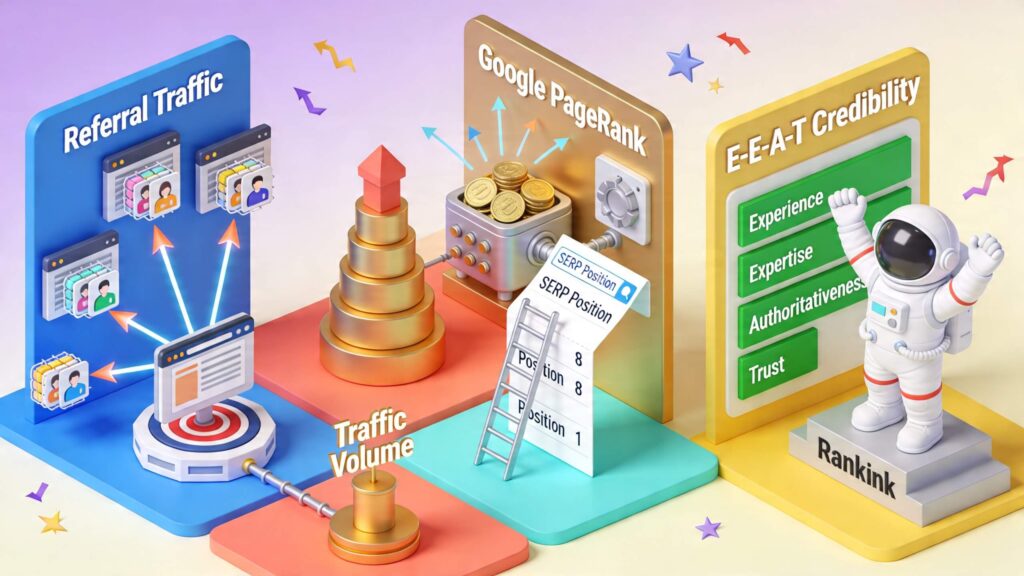
To grasp why backlinks are non-negotiable, you must understand how search engines view the web. They see it as a massive, interconnected graph of documents. Links are the pathways between these documents. In the early days, Google’s PageRank algorithm quantified this directly: a link from Page A to Page B was counted as a vote for Page B’s importance. While today’s algorithms, incorporating sophisticated AI like MUM and BERT, are infinitely more complex, the core principle remains. Links are a primary off-page ranking factor because they represent a third-party endorsement—something you cannot easily manipulate from your own site.
This external validation solves a critical problem for search engines: assessing E-E-A-T (Experience, Expertise, Authoritativeness, and Trustworthiness). A site can claim to be an expert, but when other established experts in the field link to it, that claim is verified. A study by Ahrefs consistently finds a high correlation between the number of referring domains (unique websites linking to you) and higher search rankings. The impact is multifaceted: backlinks boost domain authority, help search engines discover and index pages faster, and drive qualified referral traffic from audiences already interested in your niche.
Internal vs. External: The Two Pillars of Linking
When discussing what are website backlinks, most people refer to external links. However, a robust linking strategy rests on two pillars: internal and external. Internal links are hyperlinks that point from one page on your domain to another. They are your site’s circulatory system, controlling the flow of authority (link equity) and helping users and crawlers navigate your content. A strategic internal linking structure, using descriptive anchor text, tells search engines which pages are most important and how topics are related, significantly boosting the visibility of key service or product pages.
External backlinks, the true “votes” from other websites, are the harder-to-earn currency of SEO. They are not under your direct control, which is precisely what makes them powerful. Earning a link from a respected industry publication like Search Engine Journal or a .edu resource is a strong signal of authority. Think of internal linking as organizing your own library, while external backlinks are other librarians recommending your library to their patrons. Both are essential, but external links have a disproportionate impact on your site’s perceived standing in the wider web ecosystem.
Decoding the Different Types of External Backlinks
Not all backlinks are created equal. Their value is determined by the source’s authority, relevance, and the context of the link. Here’s a breakdown of common types:
Editorial Backlinks: The gold standard. Earned naturally when another site references your data, quotes your expert, or links to your resource as the best available information. These are purely merit-based and carry the most weight.
Guest Post Links: Acquired by writing and publishing a high-quality article on another reputable site. Value depends entirely on the host site’s quality and the naturalness of the link placement within relevant content. Low-quality “guest post farms” offer little to no SEO benefit.
Resource & Directory Links: Links from curated industry resource pages, legitimate business directories (like the Better Business Bureau), or professional association listings. These can provide a foundation of local and niche authority when from trusted sources.
Social & Forum Links: Links from platforms like Reddit, Quora, or niche forums. While typically `nofollow` (meaning they don’t directly pass ranking power), they can generate significant referral traffic and brand visibility, leading to editorial links later.
Paid/Sponsorship Links: Any link acquired through payment, barter, or incentive where the primary purpose is to influence search rankings. If used to manipulate PageRank without proper disclosure (using `sponsored` or `nofollow` attributes), these violate Google’s Webmaster Guidelines and risk penalties.

What Defines a High-Quality Backlink?
Moving beyond a basic understanding of what are website backlinks requires evaluating their quality. A single link from a top-tier site can be more valuable than hundreds from low-quality domains. Search engines assess quality through a lens of naturalness and editorial integrity. Key attributes include:
Relevance: Does the linking site operate in a related niche? A link from a premier medical journal holds little relevance for a plumbing website. Topical relevance ensures the “vote” comes from a qualified peer.
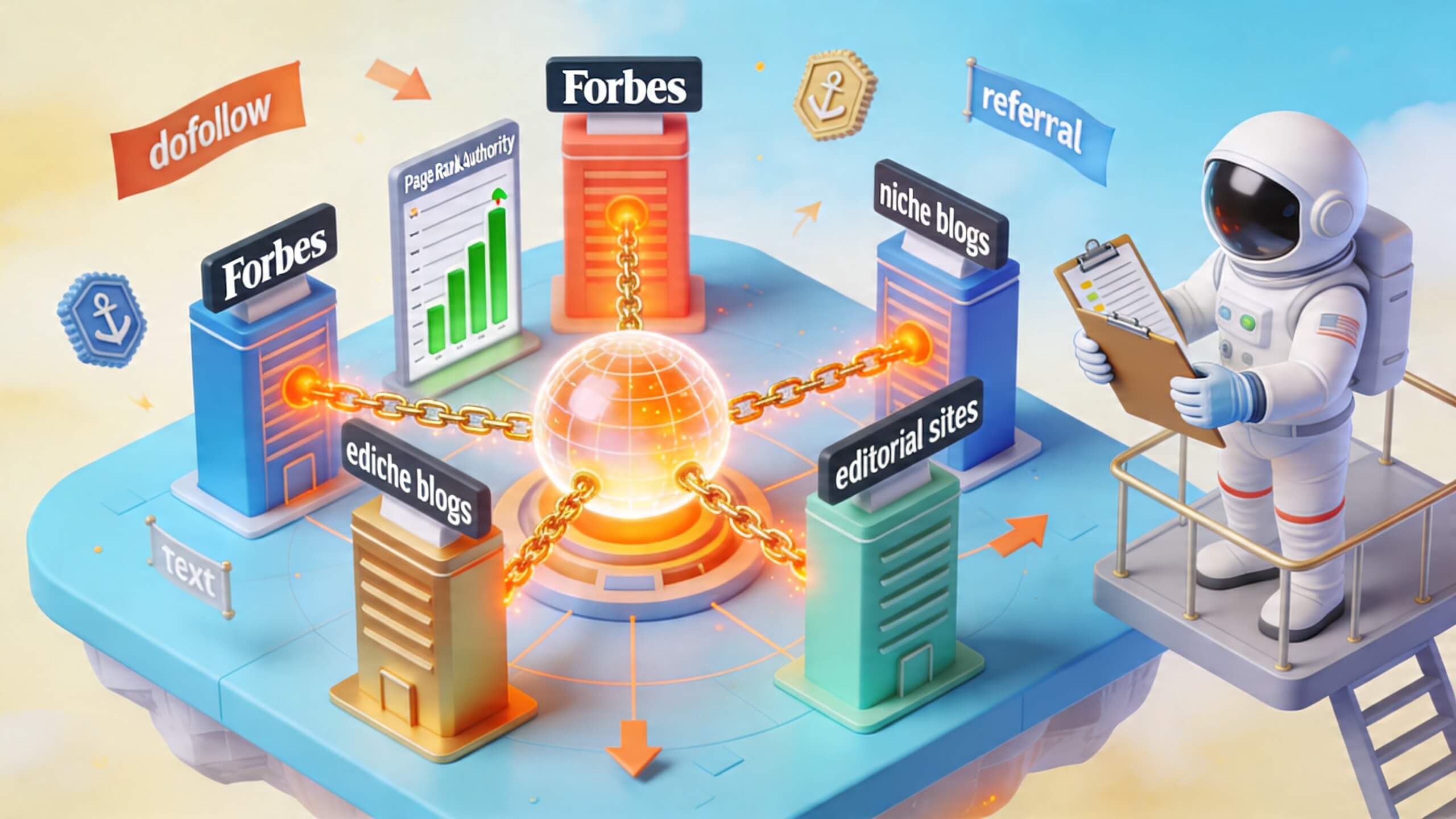
Authority: Measured by metrics like Domain Rating (DR) or Authority Score, this reflects the linking site’s own backlink profile and trustworthiness. A link from a government (.gov) or educational (.edu) domain often carries significant weight due to their stringent publishing standards.
Placement & Context: A link naturally embedded within the main editorial content of an article is far more valuable than one buried in a footer, sidebar widget, or comment section. The surrounding text should thematically align with your linked page.
Anchor Text: The clickable words of the link. A natural profile features a diverse mix of branded (“Learn more at Moz”), generic (“click here”), and partial-match keyword anchors. An over-optimized profile with exact-match keyword anchors for every link appears manipulative.
Link Attributes: The `dofollow` attribute (the default) allows link equity to pass. `Nofollow` (used for user-generated content, paid links, or untrusted content) instructs crawlers not to pass ranking credit, though they can still drive traffic. A healthy backlink profile contains a natural mix of both.
| Factor | High-Quality Signal | Low-Quality Signal |
|---|---|---|
| Source Authority | Established, trusted site in your niche | New, spammy, or completely unrelated site |
| Link Placement | Within core article body, editorial context | Footer, sidebar, or large list of unrelated links |
| Acquisition Method | Earned organically through content merit | Paid, exchanged, or part of a link scheme |
| Traffic Potential | Likely to send engaged referral visitors | Little to no click-through potential |
Strategic Frameworks for Building Authoritative Backlinks
Earning quality backlinks is a marathon, not a sprint. It requires a shift from “link building” to “link earning” through value creation. After two decades in SEO, I’ve seen one truth remain constant: shortcuts fail, but assets compound. Your strategy should be a mix of proactive outreach and passive attraction.
Create Unignorable, Link-Worthy Content
This is the cornerstone. You must create resources so fundamentally useful that they become the default citation in your field. This goes beyond standard blog posts. Think cornerstone content: definitive guides, original research studies with compelling data visualizations, free industry-specific tools or calculators, and in-depth case studies. For example, a digital agency might publish an annual “State of Local SEO” report with proprietary survey data. This becomes a citable asset for journalists, analysts, and bloggers for years.
Master the Art of Strategic Guest Posting
Guest posting is not dead; spammy guest posting is. The key is contribution, not just distribution. Identify 10-15 high-authority publications your target audience actually reads. Study their content gaps and editorial style. Pitch them a unique angle or data-driven story that serves their readers first. The link in your bio or within a naturally contextual mention is the byproduct of providing genuine value. As highlighted by Backlinko’s analysis, the focus must be on quality and relevance over quantity.
Leverage Digital PR and Expert Outreach
Digital PR involves creating newsworthy stories to earn media coverage and links. This could be a controversial industry survey, a breakthrough product study, or expert commentary on a trending news event. The process involves building relationships with journalists and bloggers, often using tools like HARO (Help a Reporter Out), where you can respond to media queries. By positioning yourself or your clients as thought leaders, you turn expertise into backlinks from high-domain-authority news sites.
Execute Tactical Link Recovery and Building
Two underutilized but highly effective tactics are broken link building and the skyscraper technique. For broken link building, use a tool like Ahrefs to find dead links on relevant resource pages, then politely inform the webmaster and suggest your superior, live resource as a replacement. The skyscraper technique, popularized by Brian Dean, involves finding content that has attracted many backlinks, creating something significantly better (more comprehensive, better designed, more up-to-date), and then reaching out to all the sites linking to the old resource to suggest your improved version.
The Critical Analysis: Auditing Your Backlink Profile
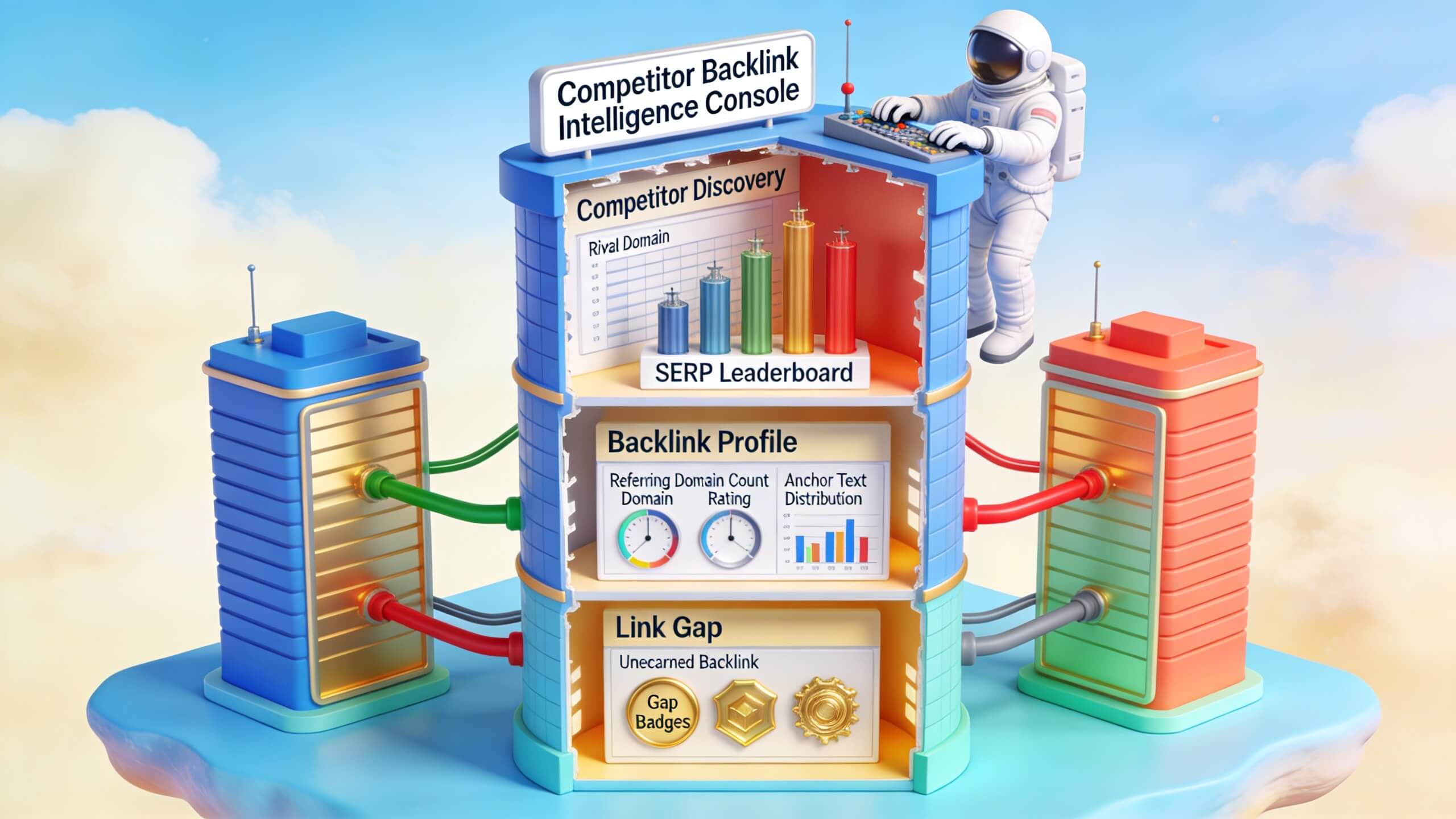
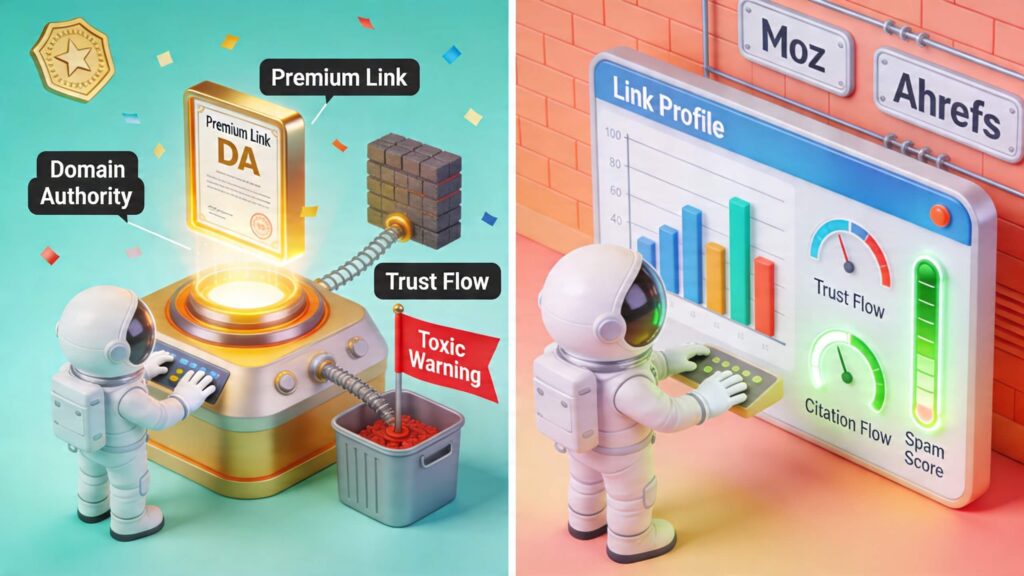
You cannot manage what you don’t measure. Regularly auditing your backlink profile is as crucial as building new links. Use a professional tool like Moz Link Explorer, Ahrefs, or Semrush Backlink Analytics to gain insights. Look for:
Growth Trends: Is the number of referring domains increasing naturally over time? Sudden, massive spikes can be a red flag for spam.
Source Quality: What percentage of your links come from domains with genuine authority versus low-quality directories or spam blogs?
Anchor Text Distribution: A natural profile shows diversity. An over-optimized profile dominated by exact-match commercial keywords can trigger algorithmic filters.
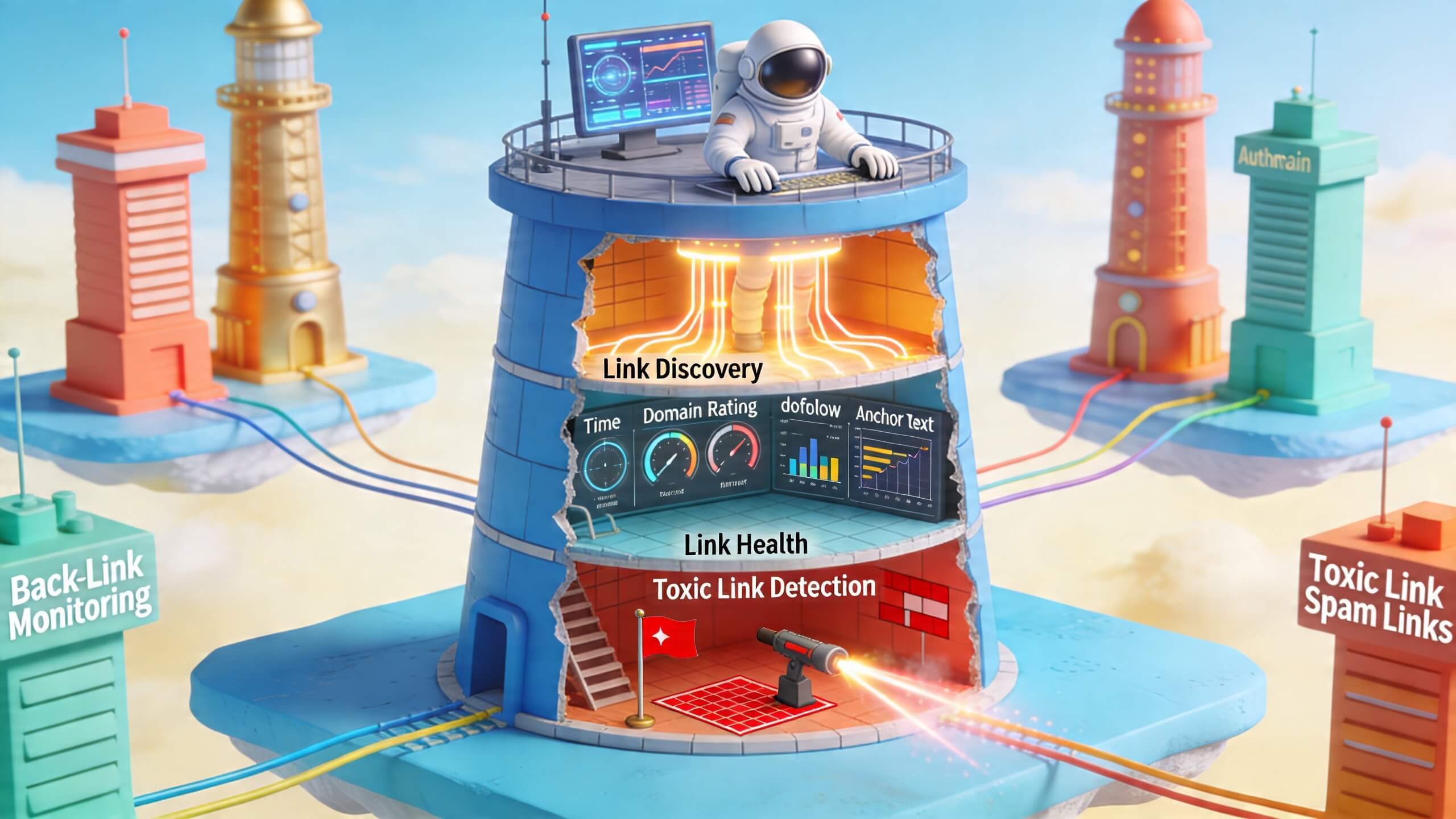
Toxic Backlinks: Proactively identify links from penalized sites, pornographic content, or irrelevant link networks. Your first step should always be to request removal from the webmaster. For persistent, harmful links you cannot remove, you can use Google’s Disavow Tool as a last resort, but use it with extreme caution, as misuse can harm your site.
Navigating the Risks: Black Hat Tactics and Penalties
The power of backlinks makes them a target for manipulation. Black hat SEOs use tactics like Private Blog Networks (PBNs), automated link spam in comments and forums, and large-scale paid link schemes. While these may produce short-term ranking gains, they are a profound business risk. Google’s algorithms, particularly the Penguin update and its real-time integration, are adept at identifying and devaluing artificial link patterns.
The consequences range from algorithmic devaluation (your site simply stops ranking well, a “ghost penalty”) to a manual action—a formal penalty notice in Google Search Console that can drop your entire site from search results. Recovery requires a laborious link audit and a reconsideration request, with no guarantee of success. The business cost of lost traffic during this period can be catastrophic. Sustainable SEO is built on white hat principles: creating value and earning trust, not gaming the system.
Sustaining Growth: Maintenance and Future-Proofing
A healthy backlink profile is a living asset. Maintenance involves continuous monitoring and rejuvenation. Set quarterly audits to check for new toxic links and assess the health of your top linking domains. Furthermore, practice content rejuvenation: identify your top-linked “hero” content pieces and update them comprehensively. Add new data, refresh outdated sections, and improve the design. Then, re-promote this updated asset to both your original linkers and new prospects. This “evergreen” approach ensures your foundational assets continue to earn links and traffic year after year, compounding your SEO equity.
Conclusion
Ultimately, understanding what are website backlinks is understanding the currency of trust on the web. They are not a mere technical checkbox but the manifestation of your content’s value and your brand’s authority. A strategic, white-hat approach to earning these digital endorsements—through exceptional content, genuine relationship-building, and tactical outreach—builds a moat around your search rankings that competitors cannot easily cross. This process compounds over time, turning your backlink profile into a durable engine for organic growth, lead generation, and market leadership. If you’re ready to transform your website’s authority and unlock predictable, sustainable traffic, the journey begins with an audit of your current backlink profile and a commitment to a value-first strategy.