Cart 0

Share
Table of Contents
Local SEO Software: The Complete Guide to Dominating Local Search in 2025
If your business relies on customers finding you through search engines, you already know that generic SEO strategies fall short when you target a specific city or neighborhood. That’s precisely where local SEO software becomes indispensable. These platforms do more than track keywords—they automate citation management, monitor your Google Business Profile performance, track customer reviews across dozens of sites, and provide actionable insights that directly impact your bottom line. Whether you run a single-location bakery in Austin or manage multi-location franchises, investing in the right local SEO tools can mean the difference between appearing in the Local Pack or being buried on page three. In this guide, I’ll walk you through everything you need to know about selecting, implementing, and maximizing local SEO software—drawing on over two decades of hands-on experience optimizing local search presence for hundreds of businesses.
Why Local SEO Software Is Non-Negotiable for Local Businesses
Think about how you search for a service near you. You type “plumber near me” or “best Italian restaurant in Chicago” and scan the map results and the three-pack of local listings. Those positions are fiercely competitive. Manual management of your NAP (Name, Address, Phone) data across dozens of directories, responding to reviews on multiple platforms, and tracking your rank for location-specific keywords is simply unsustainable without automation. Local SEO software centralizes these tasks, ensuring consistency—which Google treats as a trust signal—while freeing your time for higher-level strategy. According to a 2024 BrightLocal survey, 97% of consumers read online reviews for local businesses, and 76% regularly use local search to find a business nearby. If you’re not actively managing your local presence with dedicated software, you’re leaving visibility—and revenue—on the table.
Moreover, local search algorithms reward signals like proximity, prominence, and relevance. Local SEO management tools directly improve all three by helping you maintain accurate listings (prominence), target location-specific content (relevance), and accumulate positive reviews (proximity signals). The businesses that treat local SEO as a passive afterthought lose ground daily to competitors who leverage automation. I’ve seen family-owned hardware stores outrank national chains simply by using the right software stack consistently.
Essential Features of Top-Tier Local SEO Software
Not all local SEO platforms are created equal. After evaluating dozens of solutions over the years, I’ve identified five must-have features that separate effective tools from overpriced dashboards. Here’s what to scrutinize before you buy.
1. Automated NAP Citation Management
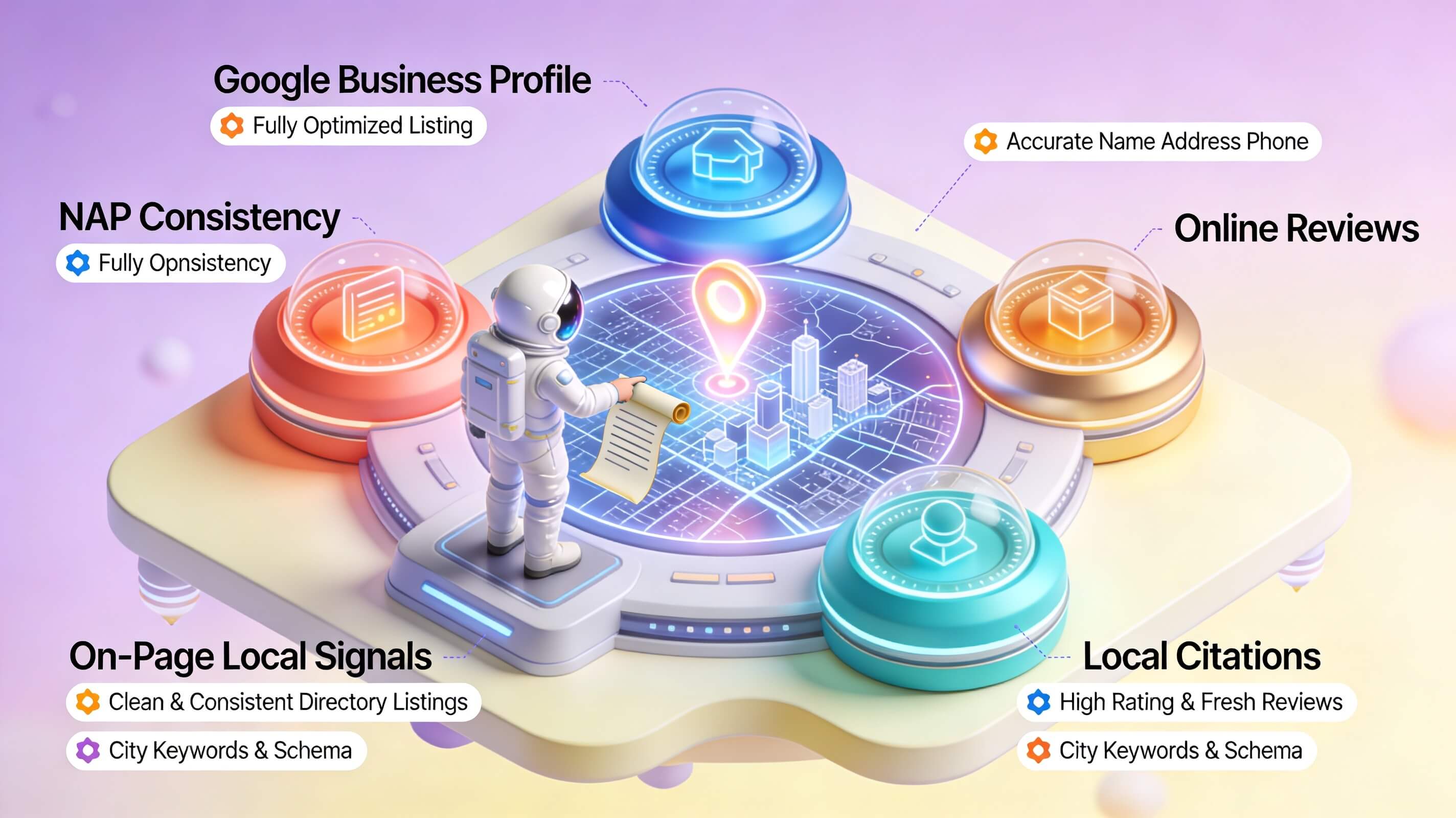
Inconsistent business information across the web is one of the quickest ways to confuse both customers and Google’s crawlers. Quality local citation building software scans hundreds of directories—from Yelp and Bing Places to industry-specific sites—and flags discrepancies in your name, address, or phone number. The best platforms push updates in bulk and verify changes across partner networks. Without this automation, manually correcting a single error across fifty directories is tedious and error-prone. I’ve seen businesses lose 30% of their local traffic due to a wrong phone number on a single aggregator site.
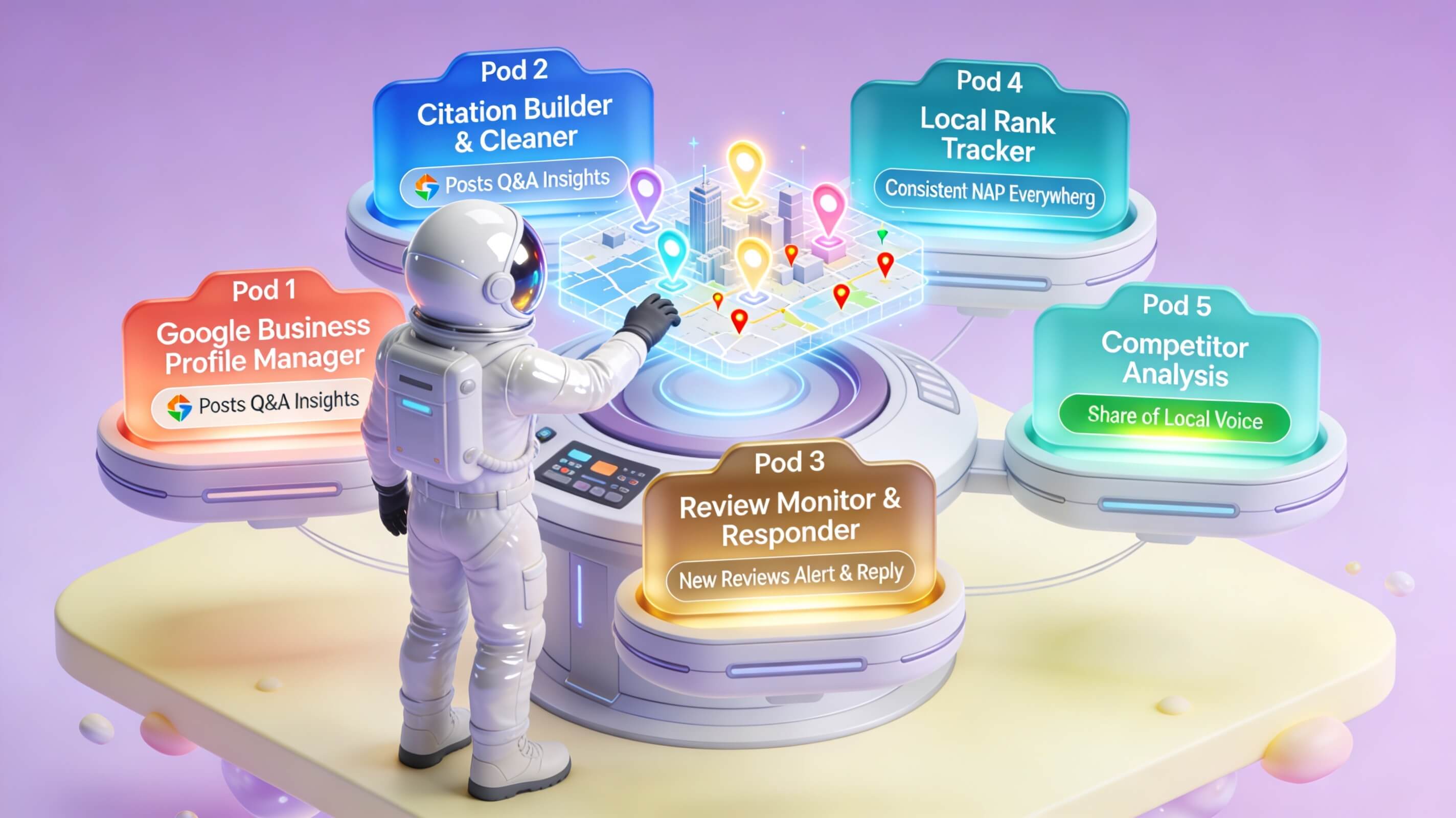
2. Review Monitoring and Response Automation
Customer reviews directly influence local rankings and conversion rates. Software that aggregates reviews from Google, Facebook, Yelp, TripAdvisor, and industry-specific sites into one dashboard lets you respond promptly without logging into each platform. Advanced tools even use sentiment analysis to prioritize negative reviews and suggest response templates. Remember: responding to reviews signals engagement to Google, and it shows potential customers that you care. In 2025, ignoring review management is akin to ignoring your storefront.
3. Local Keyword Research and Rank Tracking
Generic keyword research misses the nuance of local intent. “Pizza delivery” is different from “pizza delivery in Brooklyn.” Good local SEO software includes tools to discover hyperlocal phrases, analyze competitor keywords, and track your rankings within specific geographic areas (down to the zip code or radius). This granularity helps you tailor content and metadata to exactly what nearby searchers type. Without location-specific tracking, you’re flying blind.
4. Competitor Analysis and Gap Reporting
To beat local competitors, you need to know exactly what they’re doing. The best platforms let you monitor competitors’ listings, review profiles, backlink sources, and content strategies. Gap analysis reports show where you’re missing citations or keywords that competitors rank for. This feature alone can shave months off your optimization timeline by prioritizing the highest-impact actions.
5. Analytics and Reporting Dashboards
Data without actionable insights is noise. Look for software that provides clear visual dashboards showing trends in visibility, traffic, ranking changes, and review volume over time. Customizable reports that you can share with clients or stakeholders are essential for proving ROI. I recommend platforms that integrate with Google Search Console and Google Analytics to connect local performance with overall website metrics.
Comparison Table: Leading Local SEO Platforms
| Platform | Key Strength | Starting Price | Listings Management | Review Monitoring | Competitor Insights |
|---|---|---|---|---|---|
| BrightLocal | Comprehensive local audits & reporting | $29/month | Yes | Yes | Advanced |
| Moz Local | Distribution to top aggregators | $129/year | Yes | Basic | Limited |
| Yext | Multi-location enterprise features | $199/month | Yes | Yes | Moderate |
| Whitespark | Citation building & audit tools | $35/month | Yes | No | Strong |
| Google Business Profile (free) | Direct Google visibility control | Free | Limited | Yes | None |
How to Choose the Right Local SEO Software for Your Business
Selecting the perfect platform depends on your scale, budget, and technical comfort. A single-location boutique needs different tools than a dental chain with forty offices. Start by auditing your current local presence: how many directories list your business? How many reviews do you have? How many locations do you manage? For solopreneurs, a free tier like Google Business Profile combined with BrightLocal’s starter plan often suffices. For agencies managing multiple clients, Yext or BrightLocal’s white-label reporting might be worth the premium.
Don’t overlook the learning curve. Some platforms are notoriously complex, with dense dashboards that overwhelm newcomers. I always suggest signing up for free trials and testing the workflow before committing. Check whether the software integrates with your existing tech stack—CRM tools, email marketing platforms, or website builders. Seamless integration reduces friction and increases the likelihood you’ll actually use the tool consistently.
Pricing models vary widely. Some charge per location, others per feature set. Calculate the total cost of ownership over a year, not just the first month. Many affordable local SEO software options exist that don’t skimp on core features. For example, Whitespark’s citation finder tool is exceptionally effective for building high-quality local citations without a hefty annual contract.
Streamlining Local SEO Efforts with Automation and Workflows
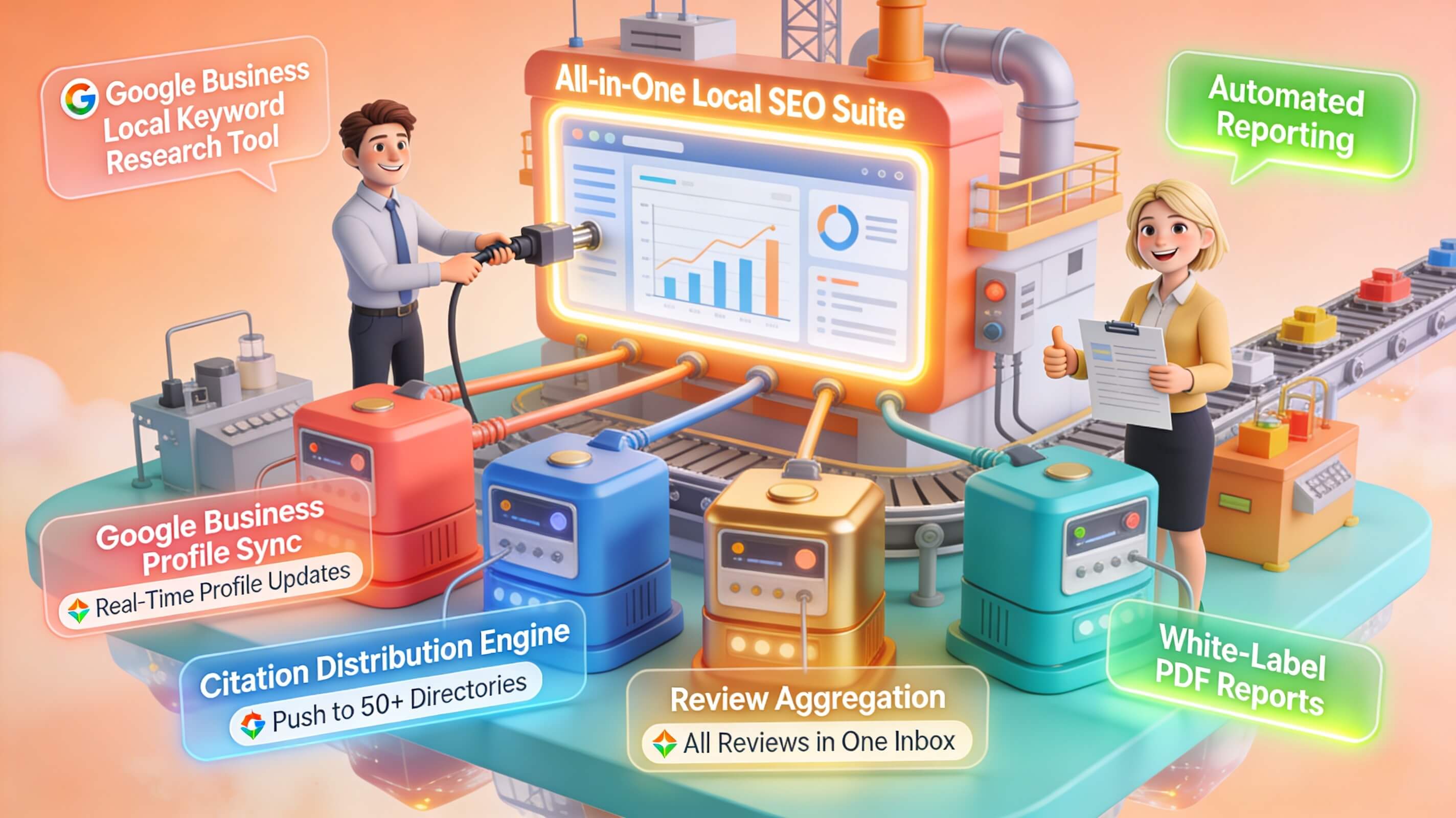
I’ve consulted with dozens of businesses that bought expensive local SEO software but never saw results because they didn’t configure it properly. The real magic lies in setting up automated workflows. Create rules that alert you when a new review comes in, when your NAP data changes on a key directory, or when a competitor gains significant traction. Use scheduling features to publish local content, run regular citation audits, and generate monthly reports without manual intervention.
Another overlooked feature is bulk posting for Google Business Profile. The best local SEO tools allow you to schedule posts, offers, and updates across multiple locations simultaneously. This consistency signals to Google that your business is active and relevant. Combine this with automated review request emails—many platforms can send review invites to customers after a purchase—and you create a virtuous cycle that steadily improves your local authority.
Overcoming Common Local SEO Challenges with Software
Even seasoned marketers face roadblocks in local SEO. Let me address three persistent challenges and how software helps solve them.
Duplicate listings are rampant. If your business has been around for years, you likely have multiple, conflicting listings on the same directories. Manual resolution is a nightmare. Software like Moz Local or BrightLocal scans for duplicates and either merges or suppresses them. This cleaning process can produce stunning improvements in local Pack rankings within weeks.
Negative review management causes anxiety, but software provides early warnings and response frameworks. You cannot delete negative reviews on most platforms, but you can respond professionally. Tools that offer sentiment tracking let you spot negative feedback before it snowballs and alert you to respond within hours—not days. I’ve trained many clients to view negative reviews as opportunities; a thoughtful response often wins back customers and demonstrates transparency to future prospects.
Keeping up with algorithmic changes is another hurdle. Google updates its local search algorithm hundreds of times per year. Software providers constantly adapt their metrics and benchmarks, so you benefit from their R&D. Instead of guessing what works, you rely on data-driven insights that evolve with the search landscape.
Real-World Results: Case Studies from Local SEO Software Implementation
Let’s look at two scenarios I’ve worked with directly to illustrate the measurable impact of dedicated local SEO tools.
Case Study: Multi-Location Home Services Company
A plumbing company with twelve locations across three states was struggling with inconsistent listings. Each branch had different phone numbers listed on various directories, and review responses were haphazard. After implementing BrightLocal across all locations, they achieved 95% NAP consistency within sixty days. Their lead generation via local search increased by 47% over six months, and their average rating rose from 3.8 to 4.3 stars through systematic review response workflows. The software paid for itself within the first quarter.
Case Study: Single-Location Specialty Retail Store
A boutique bookstore in Portland was invisible online beyond Google Business Profile. They had no citations on industry-specific directories and minimal review volume. Using Whitespark’s citation builder, they added 45 new high-quality citations in two months. Combined with an automated review request campaign, their Local Pack appearance frequency went from zero to appearing for seven relevant keyword clusters. Foot traffic attributed to organic search grew 32% year-over-year.
These examples aren’t anomalies—they represent the typical trajectory when businesses commit to consistent local SEO management software.
Best Practices for Maximizing Local SEO Software ROI
Buying the software is step one. Using it effectively is where most people stumble. Here are evidence-backed practices I teach my clients.
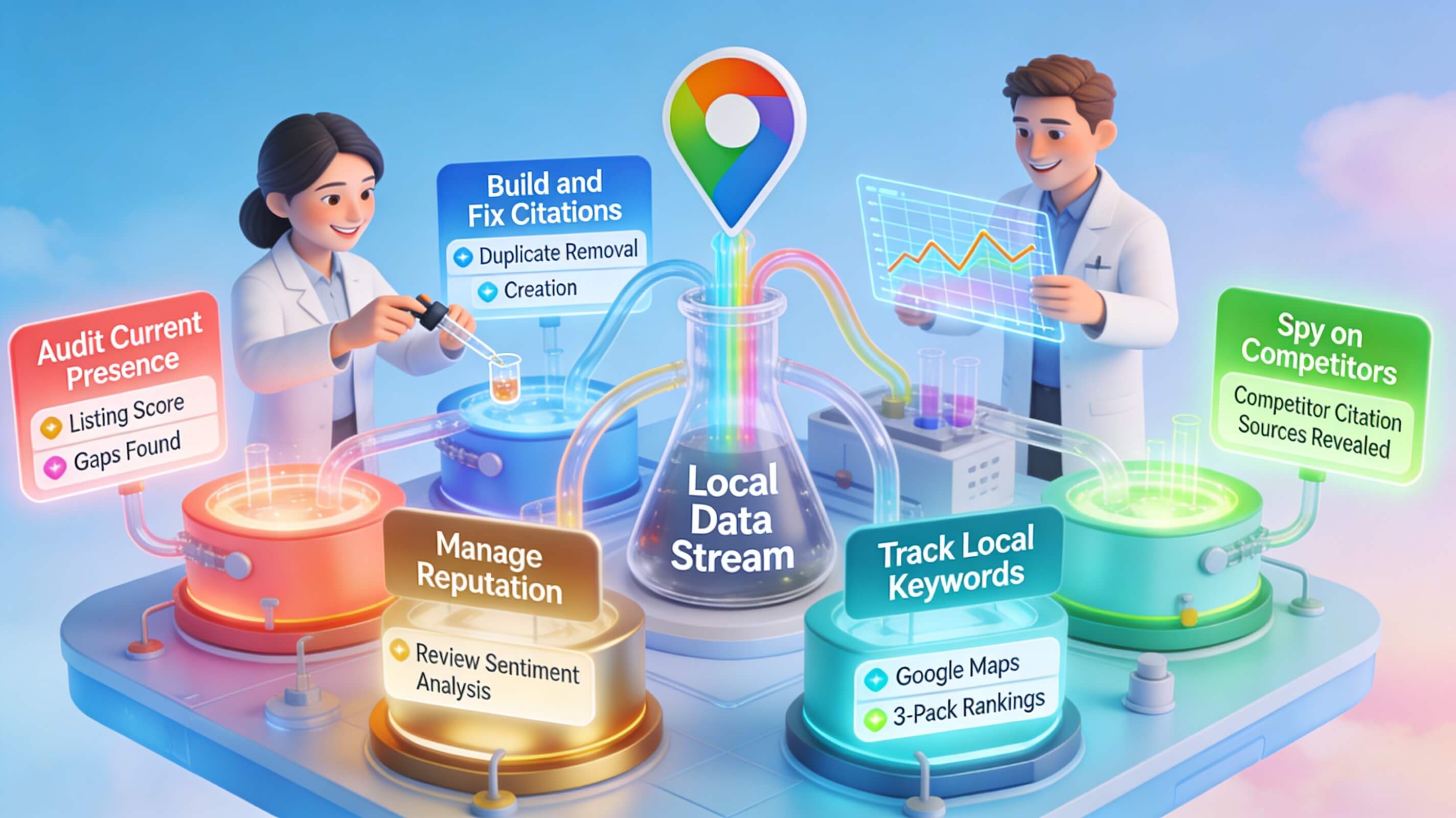
First, audit your current local presence before importing data into any tool. Manual clean-up of your core listings—Google Business Profile, Yelp, Apple Maps, Bing, Facebook—creates a solid foundation. Software works best on a clean dataset. Second, set up alerts immediately for review notifications and citation changes. Third, integrate with your CRM or point-of-sale system to trigger review requests automatically. Fourth, schedule monthly citation audits—most platforms offer this as an automated report. Fifth, monitor competitor activity weekly. Seeing a competitor boost their reviews or add new citations lets you react quickly.
Another underutilized feature is local content optimization. Many platforms now analyze your on-page content for local relevance and suggest improvements like adding neighborhood names, landmarks, or local events to your pages. Pair this with schema markup—your software can often generate structured data for LocalBusiness—and you send strong relevance signals to search engines.
The Future of Local SEO Software: Trends to Watch
The landscape evolves faster than ever. Voice search continues to grow; more than 40% of voice queries are local. Software that integrates with AI-driven natural language processing will soon offer dynamic content suggestions optimized for spoken queries. Additionally, user-generated content—like photos and videos posted by customers—is gaining weight in local rankings. Platforms that help businesses solicit and manage UGC will have an edge.
Hyperlocal targeting down to specific neighborhoods or even street corners is becoming more precise. Expect tools to offer radius-based bidding suggestions for local ads and automated location page creation for multi-site businesses. Data privacy regulations also influence review management; compliant software that respects customer consent will become standard.
Machine learning is already powering predictive analytics in platforms like Yext and BrightLocal. Soon, software will forecast the impact of specific actions—like adding ten citations or responding to all reviews within two hours—on your local ranking potential. This shift from descriptive to prescriptive analytics will democratize expert-level strategy for small business owners.
How Local SEO Software Integrates with Broader Digital Marketing
Local SEO doesn’t exist in a vacuum. Your software should complement—not replace—your other marketing channels. For instance, tracking local keyword rankings helps inform your content calendar. If you discover that “emergency dentist in Austin” is climbing, you can create a dedicated landing page with local schema and run a targeted ad. Similarly, review insights can shape your service offerings. If multiple reviews mention slow service, you know where to focus operational improvements before investing more in ads.
Many local SEO tools now offer integration with social media management platforms, email marketing services, and analytics suites. The best setups create a unified view of your online presence. I recommend choosing software that supports API access or has pre-built connectors to the other tools in your stack. This interconnectedness reduces data silos and ensures you’re making decisions based on a complete picture.
Common Pitfalls to Avoid When Using Local SEO Software
Even experienced practitioners make mistakes. Here are three I see repeatedly.
Over-reliance on automation. While software handles repetitive tasks, it cannot replace human judgment. A generic response to a heartfelt negative review feels robotic and can backfire. Always personalize your replies. Similarly, automated citation updates sometimes introduce errors—always review changes before publishing.
Ignoring the first-party data. Your Google Business Profile dashboard provides direct data about how customers find you. Some software attempts to replace this, but you should still log into your GBP account periodically to check for insights, Q&As, or policy changes that software might not surface.
Failing to train your team. If you delegate local SEO management, ensure the person understands both the software and the fundamentals of local search. I’ve seen expensive licenses wasted because no one knew how to interpret the reports. Invest an hour per month in training until the workflows become second nature.
Measuring Success: KPIs That Matter in Local SEO
Vanity metrics like total impressions are less useful than conversion-focused indicators. Track these instead: Local Pack appearance rate (how often your business shows in the map results for target queries), review response rate and speed, citation consistency score (many tools provide a 100-point scale), phone call volume from Google Business Profile, and direction requests. Each of these correlates directly with revenue, not just visibility.
Set baseline measurements before implementing any software and re-evaluate monthly. A 10% improvement in citation consistency often precedes a 15-20% increase in organic visibility, but the lag time can be three to six weeks. Patience and consistent use of the tool are key. Many businesses abandon software after sixty days because they don’t see immediate spikes, but local SEO is a marathon, not a sprint.

Choosing Between Free and Paid Local SEO Tools
Free options like Google Business Profile provide essential visibility but limited functionality. They lack multi-location management, competitor tracking, and automated citation building. Paid tools fill these gaps. For single-location businesses with modest competition, a combination of GBP and a low-cost tool like Whitespark’s citation finder can be sufficient. For competitive markets or multiple locations, investing in a comprehensive platform like BrightLocal or Yext yields strong ROI.
Consider the opportunity cost of manual work. If you spend ten hours per month managing citations and reviews, and your hourly rate is $75, that’s $9,000 annually in labor. A $600/year software subscription that automates 80% of that work is clearly a bargain. Factor this into your decision rather than simply comparing sticker prices.
Conclusion
Local SEO software has evolved from a nice-to-have accessory into a core operational necessity for businesses that serve local customers. The right platform saves you time, ensures your business information is accurate across the web, helps you manage your online reputation proactively, and provides the competitive intelligence needed to outmaneuver local rivals. From automated citation management to review monitoring and local rank tracking, these tools handle the tedious, detail-oriented work that human teams often neglect or execute inconsistently. Based on two decades of experience in this space, I can confidently say that businesses using dedicated local SEO software consistently outperform those relying on manual methods or generic SEO tools. The difference isn’t just in rankings—it’s in phone calls, store visits, and revenue.
If you haven’t yet integrated a local SEO platform into your digital marketing stack, now is the time. Start by auditing your current local presence, define your must-have features, and compare at least two platforms using free trials. Commit to using the software for a full quarter before judging results, and make consistent management a habit rather than a project. The local search landscape is only getting more competitive, and the businesses that invest in the right infrastructure today will be the ones appearing at the top tomorrow. Don’t let your competitors automate their way to better visibility while you fall behind. Take action, choose a tool that fits your needs, and watch your local search presence transform.