
Cart 0

Share
Table of Contents
Local SEO Link Building: Connecting Your Business in Local Digital Networks
For any local business, visibility in local search results is the difference between a steady stream of new customers and being invisible to your community. Local SEO link building is the strategic process of acquiring hyperlinks from other relevant websites to your own, specifically tailored to improve your standing in geographically targeted search queries. In the most direct terms, if you want your business to appear when someone searches “best plumber in Austin” or “organic coffee shop Brooklyn,” you need a link profile that signals local authority to search engines like Google. This goes beyond generic backlinks; it is about weaving your business into the digital fabric of your specific community. I have spent over two decades in this industry, and I can tell you that the businesses that dominate local pack results are not necessarily the biggest—they are the best connected within their local digital networks. This article does not rehash fluff. It delivers a battle-tested framework for building a local link profile that drives real, measurable results.
Understanding this concept is critical because Google’s local algorithm relies heavily on three factors: relevance, distance, and prominence. Link building directly influences prominence. When a respected local chamber of commerce, a reputable news site, or a well-known community blog links to your website, Google interprets that as a powerful vote of confidence. It signals that your business is a legitimate, active, and trusted part of the local economy. Without this signal, you are simply a website with good on-page SEO, but lacking the off-page authority to compete for high-intent local traffic. The rest of this guide will give you a comprehensive, step-by-step roadmap to build that authority, covering every technique from guest blogging to citation management, and ending with a clear call to action for your digital marketing success.
Why Local SEO Link Building Matters More Than Ever
The digital landscape for local businesses has become extraordinarily competitive. A decade ago, simply having a Google My Business profile and a few directory listings could secure a top ranking. Today, that is baseline entry. The real differentiator is a robust, locally-focused backlink profile. When I consult with local service providers or retail shops, the first data set I analyze is their link landscape compared to their top three competitors. More often than not, the business with the most authoritative local links holds the top spot in the local pack. This is not a coincidence; it is a direct result of Google’s relentless focus on trust and authority.
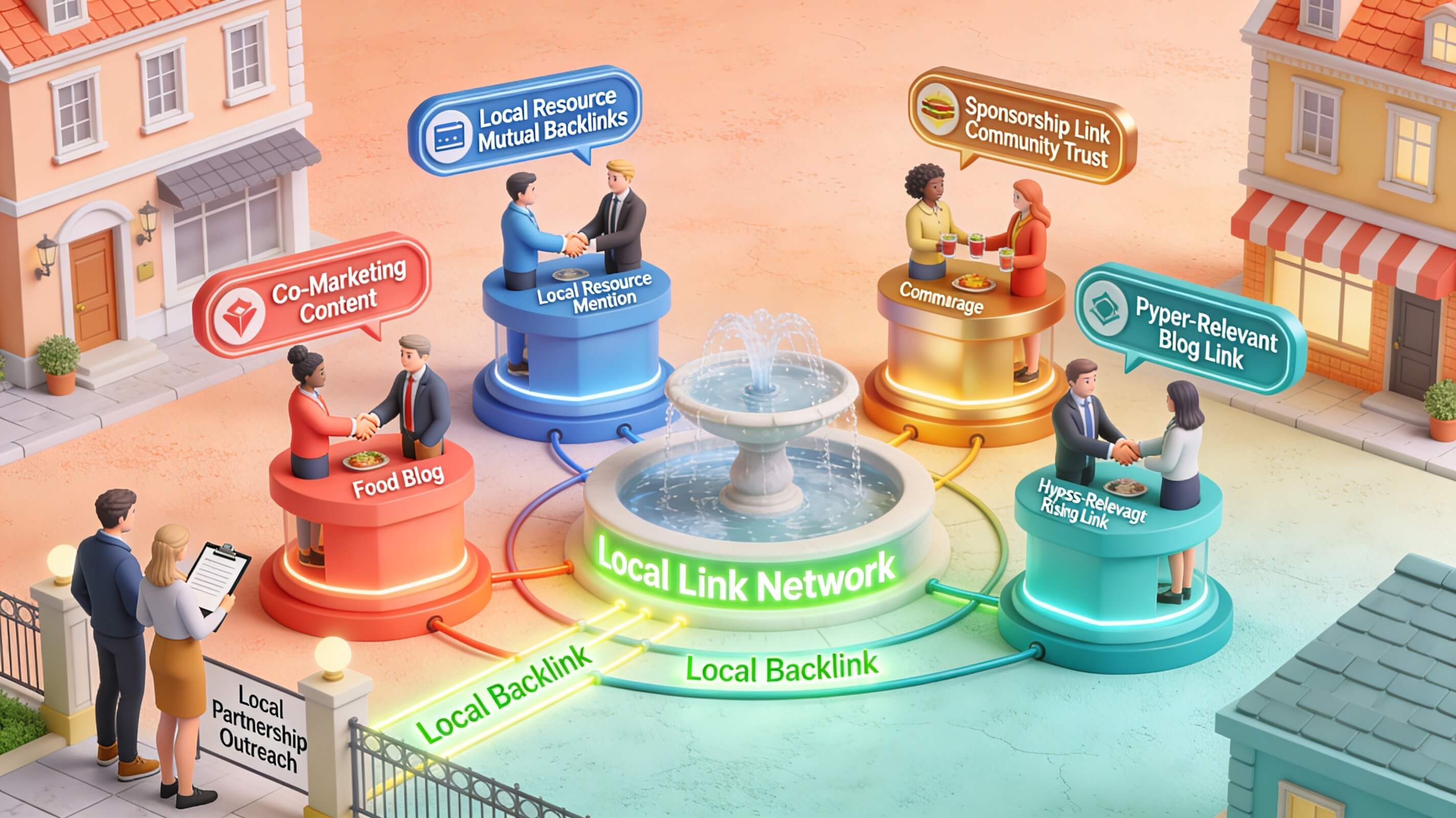
Consider the way Google evaluates a website. A link from a national industry publication is valuable, but a link from the local newspaper’s article about your business’s charity drive is exponentially more powerful for local search. It proves to the algorithm that you are not just an entity existing on the internet, but a real, physical business interacting with your community. Local SEO link building therefore serves as a trust signal that cannot be easily faked. It tells Google, “Yes, this business is exactly where it says it is, and the local community confirms its value.” This is why prioritizing this type of link building yields a higher return on investment than many other SEO tactics. You are building a foundation of digital proof that withstands algorithm updates, as long as you focus on quality and relevance over manipulative shortcuts.
The Foundation: Understanding Local Backlink Ecosystems
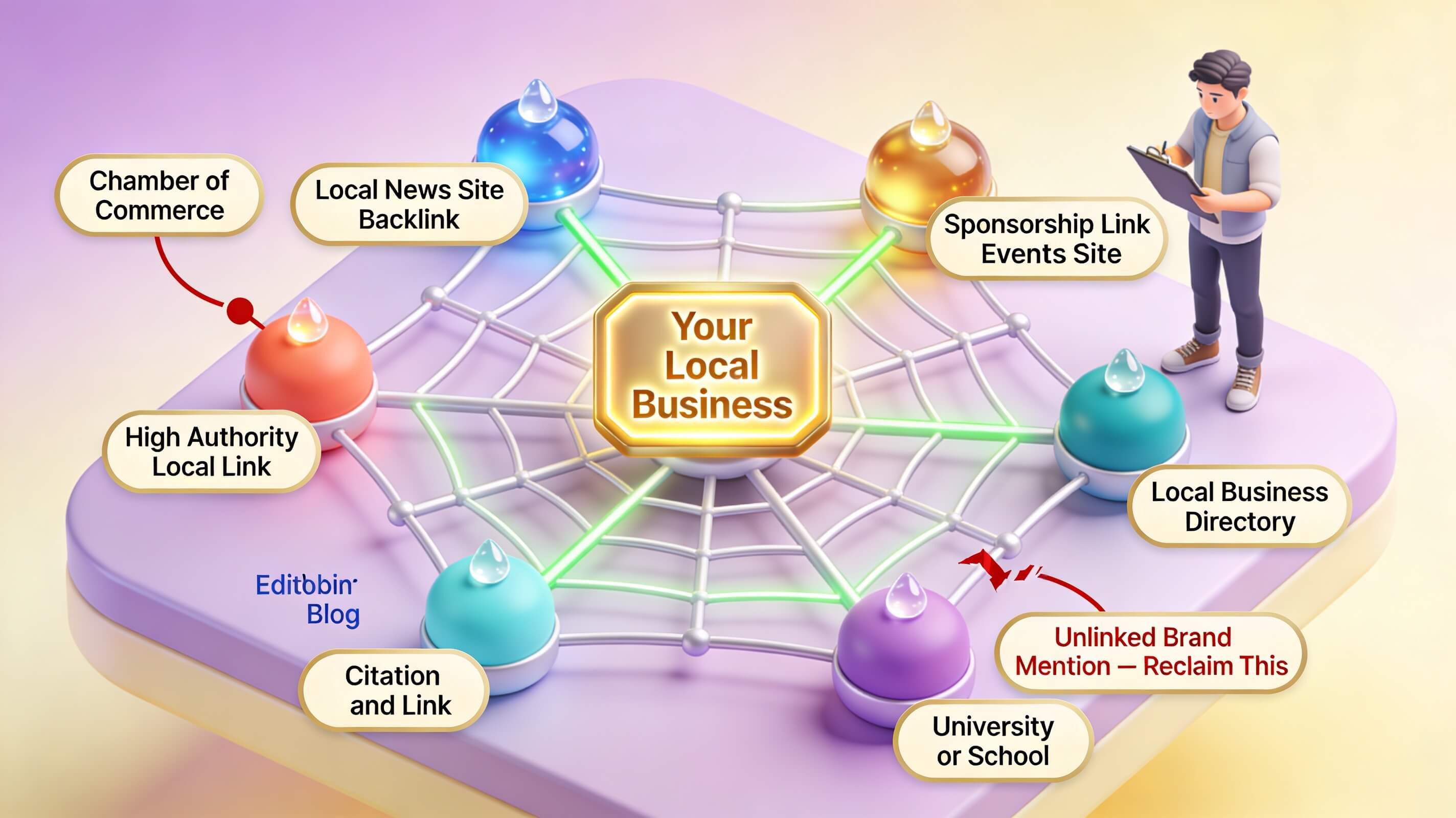
Before you start sending emails or writing guest posts, you must understand the ecosystem you are entering. A local backlink ecosystem consists of a network of websites within a specific geographic area that hold authority. These include local news outlets, university websites, government domains (.gov), community organizations, chambers of commerce, local event pages, and industry-specific directories with a geographic focus. The fundamental rule is that a link from a high-authority local source is worth ten times more than a generic, spammy directory link from a site with no geographic relevance.
I often advise my clients to create a “link asset map” of their city or region. Identify the top 20 most influential local websites. Is there a popular local food blog? A prominent real estate site? The local chapter of a professional organization like the BNI or Rotary Club? These are your targets. Your goal is not to get a link from just any website, but from those that are recognized by Google as pillars of your local community. This requires research. Spend time looking at your competitors’ backlinks using tools and noting which local sites consistently reference them. This reveals the specific ecosystem you need to break into. Once you understand the players, you can strategize how to build genuine relationships that lead to natural, valuable links. This is not about quick wins; it is about planting yourself firmly within the local digital network.
Guest Blogging for Local Authority Signals
Guest blogging remains one of the most effective tactics for local SEO link building, but only when executed with precision. The old method of writing generic articles for any site that will accept them is dead and can actually hurt your rankings. Instead, you must focus on hyper-local guest posting. Approach local news blogs, community lifestyle websites, and even the blogs of complementary local businesses. For instance, a local dentist might write a guest post for a local parenting blog about “Top 5 Dental Health Tips for Kids in [City Name].” The link back to the dentist’s site from that blog carries immense local relevance.
To execute this successfully, you need to pitch value. Do not send a generic email asking for a link. Instead, provide a well-researched, insightful article idea that genuinely benefits the host site’s readership. Target sites that have a demonstrable local readership and a domain authority that indicates they are trusted. Your author bio should be clear and include a link to your site, but more importantly, the content itself should contain a contextual link back to a relevant page on your site. This contextual link—placed naturally within the body of the article about a specific topic—is the most valuable type of backlink you can earn from guest blogging. It signals to Google that your page is a resource worth referencing, not just a spammy signature line. Remember this: one high-quality guest post on a leading local news blog can do more for your local SEO than fifty posts on irrelevant, low-authority directories. Always prioritize the relevance and authority of the host website over the sheer volume of links you can generate.
Content Marketing That Attracts Local Links Naturally
The most sustainable form of local SEO link building is creating content that other local sites cannot help but link to. This is often called linkable assets. Instead of chasing links, you make your website a hub of local information so valuable that other sites reference it naturally. This approach aligns perfectly with Google’s guidelines and builds long-term authority. Think about what your community lacks. Does your city have a good “Best of” list for local services? Could you create a comprehensive guide to local parks, a map of historic landmarks, or an annual report on local industry trends? These are the types of content that local news sites, schools, and real estate agents will link to.
For example, I worked with a local moving company that created a hyper-detailed guide titled “The Complete Guide to Moving to [City Name].” It included information on school districts, utility setup, traffic patterns, and neighborhood summaries. Within six months, over 15 different local sites—including a local apartment complex site, a real estate agent’s blog, and a university’s relocation page—had linked to it. No outreach emails were sent for those particular links; they were earned purely because the content was the best resource on the web for that specific topic. That is the power of local content marketing. To replicate this, invest time in identifying gaps in the local online ecosystem and fill them with exceptional, data-driven, or insightful content. This approach not only builds links but also establishes your business as the definitive local expert, driving both SEO value and real-world credibility.
Leveraging Local Directories for Maximum Impact
Local directories are often underestimated, but when used correctly, they are a cornerstone of local authority. However, the key phrase here is “used correctly.” Many businesses make the mistake of submitting to hundreds of low-quality, spammy directories that do nothing for their search rankings. You must practice strict selectivity. The highest-value directories are those with high domain authority and strict editorial guidelines for their listings. This includes giants like Yelp, Google Business Profile, and Bing Places, but also industry-specific directories.
The table below illustrates a comparative value of different types of local directories. Use this to prioritize your efforts.
| Directory Type | Example | SEO Impact | Effort Required |
|---|---|---|---|
| Major Review Platforms | Google Business Profile, Yelp | Very High | Medium |
| Chamber of Commerce | Local City Chamber | High | Medium |
| Industry-Specific (Local focus) | Local Home Builders Association | High | Low |
| General Business Directories | Yellow Pages, Manta | Low to Medium | Low |
| Low-Quality Auto-Submit Sites | Various spam directories | Negative | Very Low |
Do not simply list your business name, address, and phone number (NAP). Optimize each listing by choosing the correct categories, writing a compelling description that includes your primary local keywords, and uploading high-quality photos. Ensure that the NAP information is absolutely identical across every single directory. A single inconsistency—such as “St.” versus “Street”—can confuse Google’s algorithm and undermine your citation building efforts. Listings on sites like Yelp also provide an opportunity to earn links from user-generated content, such as responses to reviews that link back to your site.
Building Local Citations: Quality Over Quantity
A local citation is simply any online mention of your business’s name, address, and phone number. Building these citations is a fundamental activity in local SEO link building. While not every citation is a clickable backlink, they all serve to reinforce your business’s legitimacy to search engines. The most effective approach is to build citations on authoritative platforms first. Focus on the major data aggregators like Infogroup, Localeze, and Neustar/LocalEze, as they distribute your data to hundreds of other directories. Then, concentrate on the top 10-20 local directories that are highly relevant to your specific industry and location.
A critical mistake I observe is businesses trying to get citations on every possible site. This is not only time-consuming but also introduces risk. Low-quality citations on spammy sites can actually trigger Google’s spam filters, damaging your local reputation. Instead, be strategic. For a law firm, getting a citation on the local bar association’s website and a respected legal directory like Avvo is far more valuable than 50 random listings. For a restaurant, being listed on the local food blog’s “Best of” list and the official city tourism website trumps a hundred generic yellow pages listings. The strategy is to think like a local reviewer and ask, “Which websites would a local resident trust to find a business like mine?” Those are the sites where your citation matters most. Track your citations using a tool to ensure consistency and promptly fix any inaccuracies you find.
Optimizing Local Business Listings for Link Building (Featured Snippet Section)
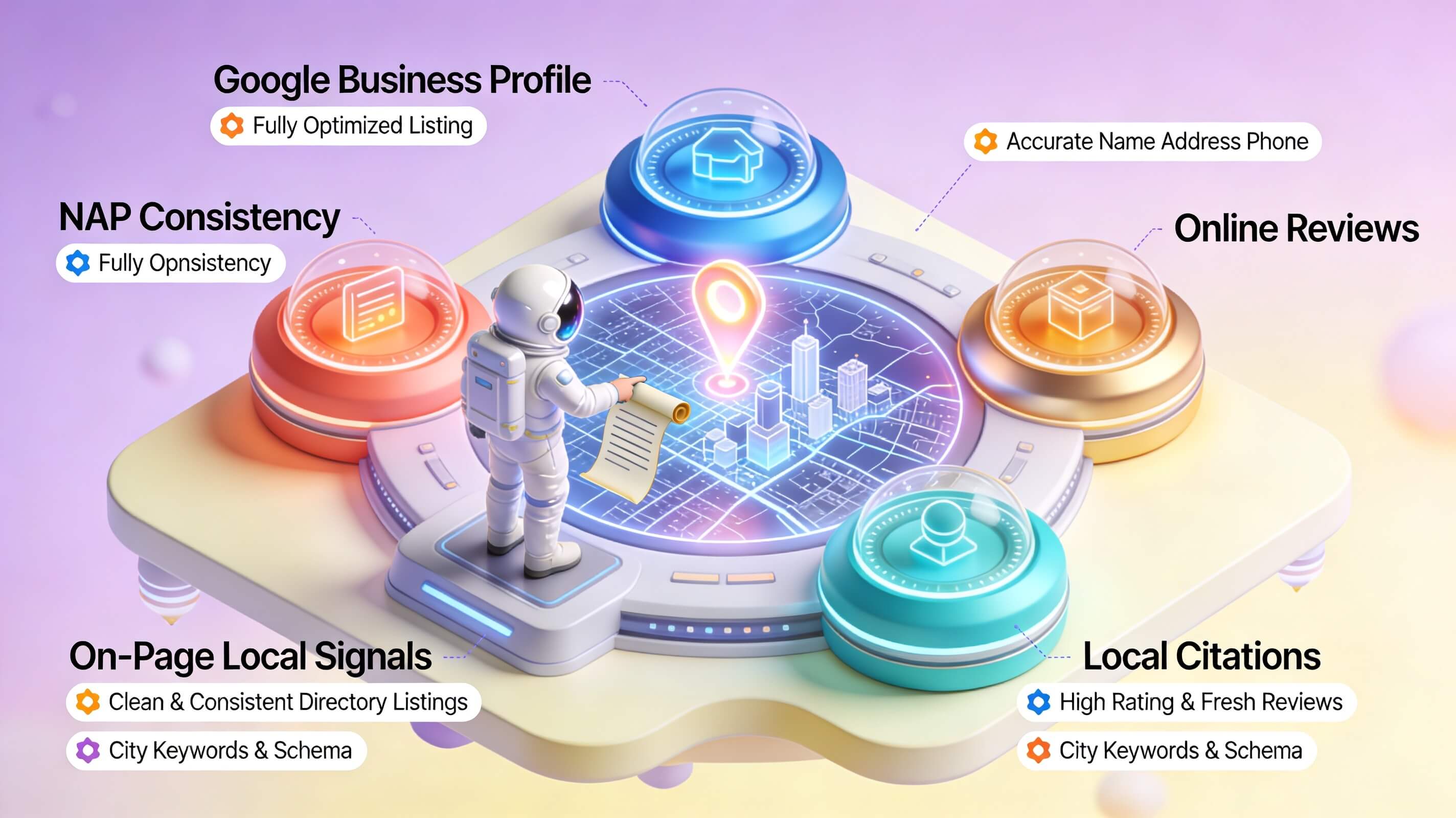
Optimizing your local business listings is not just about getting found; it is a direct source of link building value. A well-optimized listing can earn you links from other sites that use your data to create local resource pages. Here is the definitive definition and process for this strategy:
What is local business listing optimization for link building? It is the systematic process of creating and maintaining complete, accurate, and engaging profiles on local directories and platforms, specifically designed to increase the likelihood of other websites linking to your business information or profile page.
Numbered Steps to Optimize for Link Acquisition:
Step 1: Create a Complete Hub Listing. Your Google Business Profile is the non-negotiable starting point. Ensure every field is filled out, from services and products to hours and attributes. A complete profile signals authority and is more likely to be referenced by others.
Step 2: Generate and Manage Reviews. Actively solicit reviews from satisfied customers. Respond to every single review, both positive and negative. Pages with high ratings and active review responses are trusted more and are more frequently linked to from local news articles, real estate sites, and community blogs.
Step 3: Leverage Posts and Photos. Regularly post updates, offers, and events directly to your Google Business Profile and other platforms. These posts are indexed by Google and can rank for local queries. Other sites may link to these posts as news items or community updates.
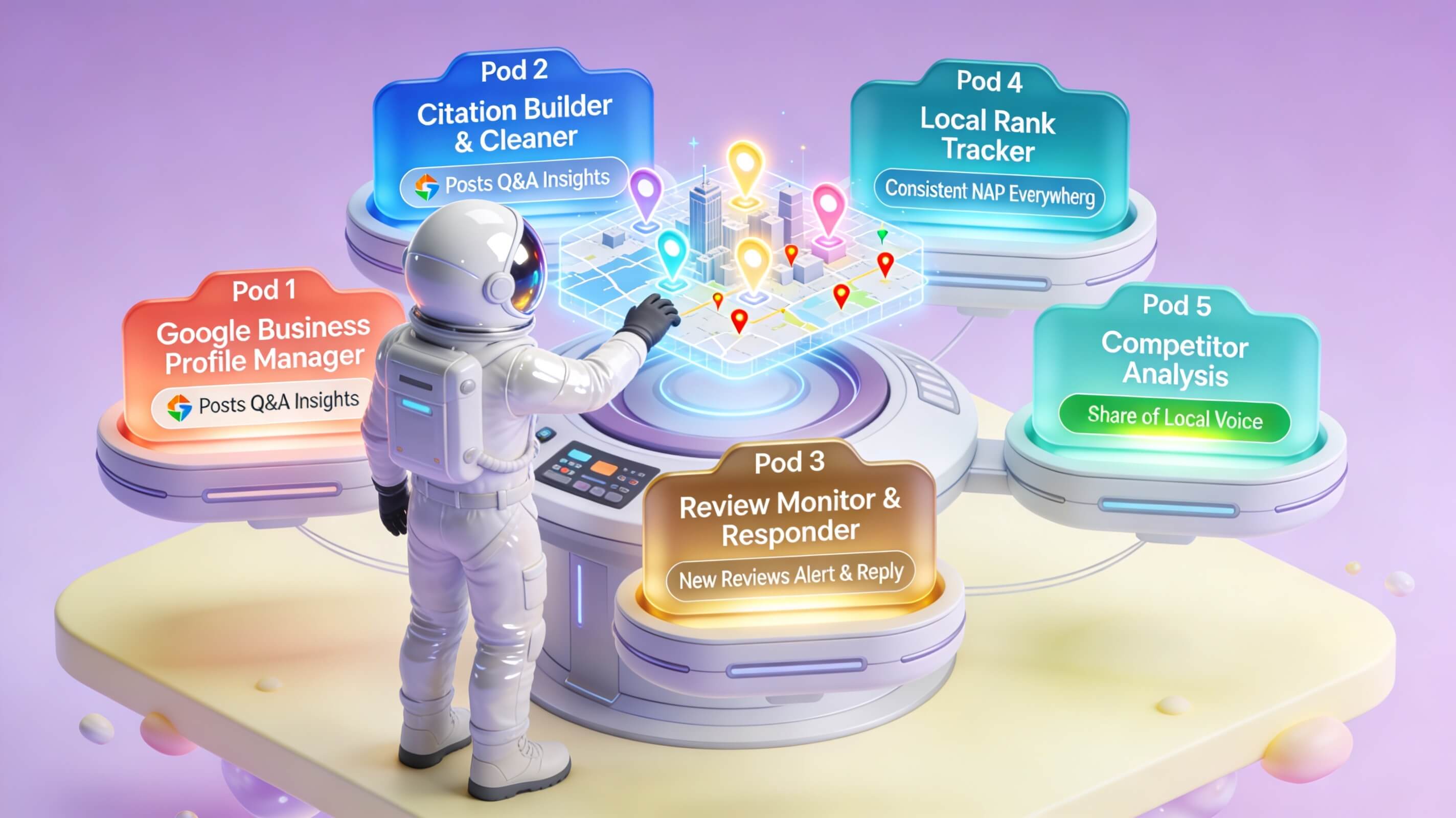
Step 4: Ensure NAP Consistency. Manually verify that your Name, Address, and Phone number is identical on your website, your Google profile, and all major directories. Use a tool like Moz Local to scan for inconsistencies. This consistency builds the trust required for other sites to confidently link to you.
Step 5: Add a Link to Your Site in Your Profile. I know this sounds basic, but many businesses forget to include a direct link from their directory profile to their website. Ensure this link is present and uses your correct domain. For example, on Yelp, the website link in your business profile is a direct do-follow backlink in many cases, providing direct SEO value.
Measuring What Matters in Local Link Building
To succeed in local SEO link building, you must treat your efforts as a data-driven campaign, not a one-time task. This means measuring the right metrics. The vanity metric to ignore is the total number of backlinks. Instead, focus on the quality and impact of your links. Track your local keyword rankings in the local pack (the map results) and the organic (non-map) results. If you acquire a link from a major local newspaper, you should see a noticeable movement in your rankings for your core terms within a few days or weeks.
Another vital metric is referral traffic from local domains. Using a tool like Google Analytics, segment traffic by source. If you get a link from a local blog, watch how many people click through to your site. This traffic is highly qualified and likely to convert because it comes from a trusted local source. Additionally, monitor your domain authority (often measured by a third-party tool like Moz’s Domain Authority) but understand that this is a relative metric. A local business with a domain authority of 30 that has links from high-authority local sites is often more competitive than a national company with a domain authority of 40 that has no local ties.
Finally, audit your competitor’s local backlink profile regularly. See which local sites are linking to them that are not linking to you. This is your list of target opportunities. Create a spreadsheet and track your outreach for each target. Did you send an email? Did they respond? Did you get the link? Without this systematic tracking, you are flying blind. Use tools like Ahrefs or SEMrush to streamline this analysis and discover new link opportunities you might have missed.
Advanced Strategies for Community-Centric Link Building
Once you have mastered the basics, you can move into more advanced, community-centric tactics that set you apart from competitors. One of the most powerful is sponsoring local events or charities. When you sponsor a local youth sports team, a 5K run, or a community festival, you are almost always given a link on the event’s website. This link is not just a backlink; it is a powerful public relations asset. It signals to Google and your community that you are an engaged, contributing member of the local economy. Furthermore, this often leads to mentions in local news articles covering the event, creating a cascade of high-quality, natural links.
Another advanced tactic is to join your local Chamber of Commerce. Most chambers offer a member directory page with a link back to your website. More importantly, the chamber often has a blog or newsletter where they highlight member achievements, providing another opportunity for a link. Similarly, get involved with local business networking groups and professional associations. The digital footprints left by these memberships—such as directory pages, event listings, and press releases—all contribute to a rich, diverse, and highly authoritative backlink profile.

Do not overlook the power of local media outreach (digital PR). If your business does something newsworthy—hiring a new executive, launching a innovative service, or celebrating a milestone—write a press release and target local journalists. News sites like your local ABC or NBC affiliate’s website are among the most authoritative in your region. A single link from a .news or .tv domain can dramatically boost your local search visibility. This requires a proactive approach, but the payoff is enormous. Build a list of local journalists who cover your industry and nurture those relationships. Send them story ideas that are genuinely newsworthy, not just self-promotional fluff. When done right, this is the highest form of local link building.
Conclusion
Local SEO link building is not a shortcut; it is a strategic investment in your business’s digital future within your community. It requires patience, consistency, and a genuine focus on adding value to the local ecosystem. By implementing the strategies outlined here—from targeted guest blogging and creating linkable local assets to building high-quality citations and engaging in digital PR—you are not just manipulating search engine rankings. You are building a digital footprint that reflects the real-world reputation of your business. That is the only kind of link building that withstands algorithm changes and delivers long-term, sustainable growth.
Your local competitors are likely already pursuing some of these tactics. The question is, are you going to lead the pack or follow it? Start today by auditing your current local link profile. Identify your top three competitors and analyze their best local backlinks. Then, choose one strategy from this guide and execute it relentlessly. Whether it is writing one exceptional guest post or optimizing your Google Business Profile for link attraction, every action builds momentum. The local digital networks are waiting. It is time to connect your business to them and dominate your local market.
Ready to build a local link profile that drives real revenue? Start implementing these tactics today. For a personalized assessment of your current local SEO health, consider a professional audit. The path to local market leadership begins with a single, high-quality local backlink. Do not wait for your competitors to get there first.
Comments are closed.