
Cart 0

Share
Table of Contents
Big Data Analytics: Extracting Insights from Vast and Complex Datasets
In today’s data-driven world, organizations face a paradox: they generate more data than ever before, yet extracting meaningful insights from vast and complex datasets remains a formidable challenge. Big data analytics offers the solution. By applying advanced computational techniques, statistical models, and machine learning algorithms, businesses can process terabytes of structured and unstructured data to uncover patterns, predict outcomes, and make informed decisions. The sheer volume of data—from social media feeds, IoT sensors, transaction logs, and customer interactions—requires tools that go beyond traditional spreadsheets. With big data analytics, you can transform raw information into a strategic asset that drives growth, efficiency, and competitive advantage. This article delves into the core methodologies, tools, and strategies that define big data analytics, and provides expert insights into how organizations across industries can leverage these capabilities to thrive.
Understanding the Foundations of Data Analysis and Mining
To harness the full potential of big data analytics, you must first differentiate between data analysis and data mining. Data analysis involves examining datasets to draw conclusions using statistical and analytical tools. It focuses on answering specific questions and validating hypotheses. Data mining, on the other hand, is about discovering hidden patterns, correlations, and anomalies within large volumes of data—often without a predefined hypothesis. Both disciplines complement each other and form the backbone of any robust big data analytics strategy.
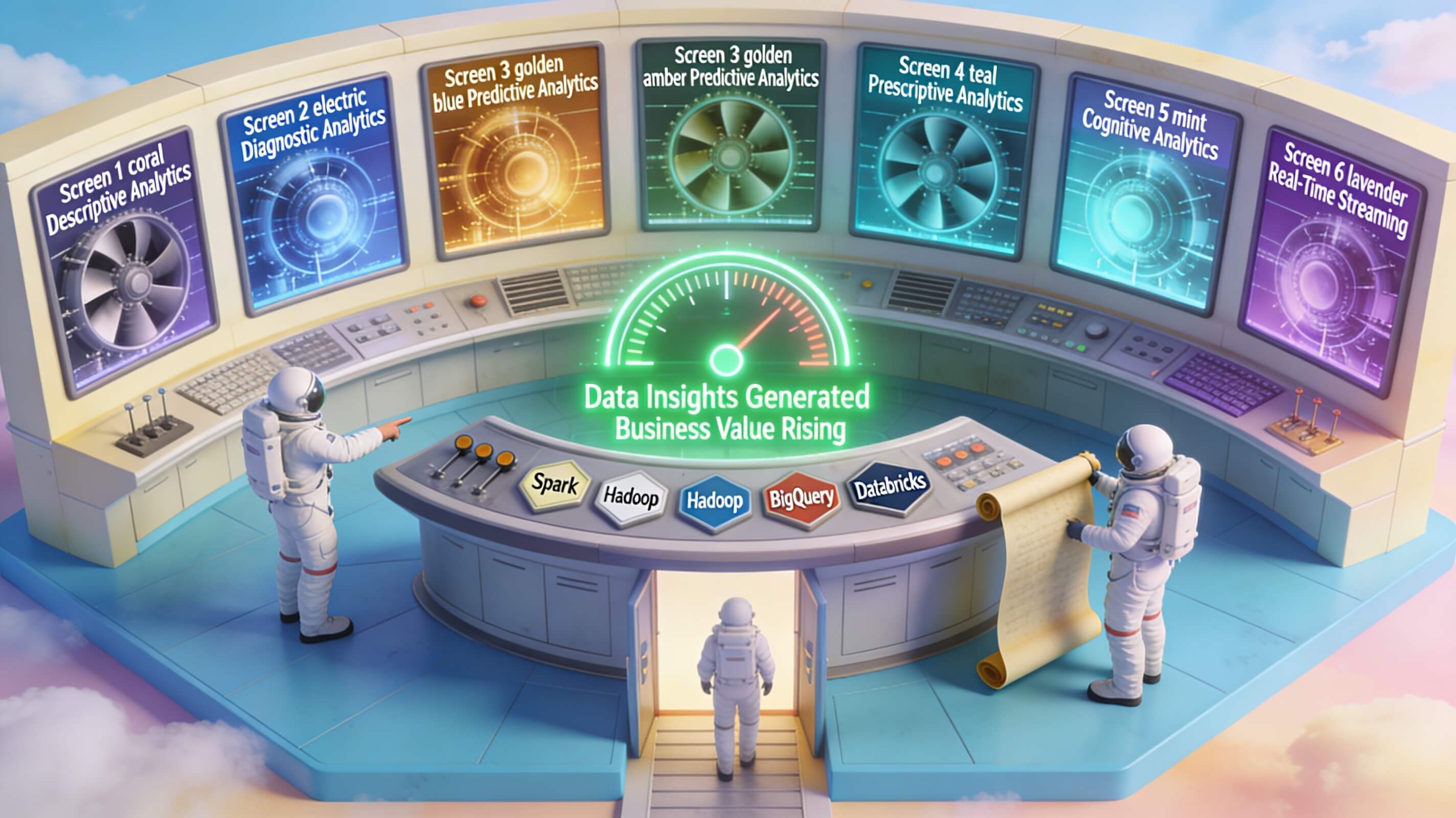
Data analysis techniques can be categorized into three types: descriptive, predictive, and prescriptive. Descriptive analysis summarizes historical data using metrics such as mean, median, and standard deviation. It answers “what happened?” Predictive analysis uses statistical models and machine learning to forecast future trends. It answers “what could happen?” Prescriptive analysis goes a step further by recommending actions based on predictive insights. It answers “what should we do?” Together, these layers enable organizations to move from reactive to proactive decision-making.
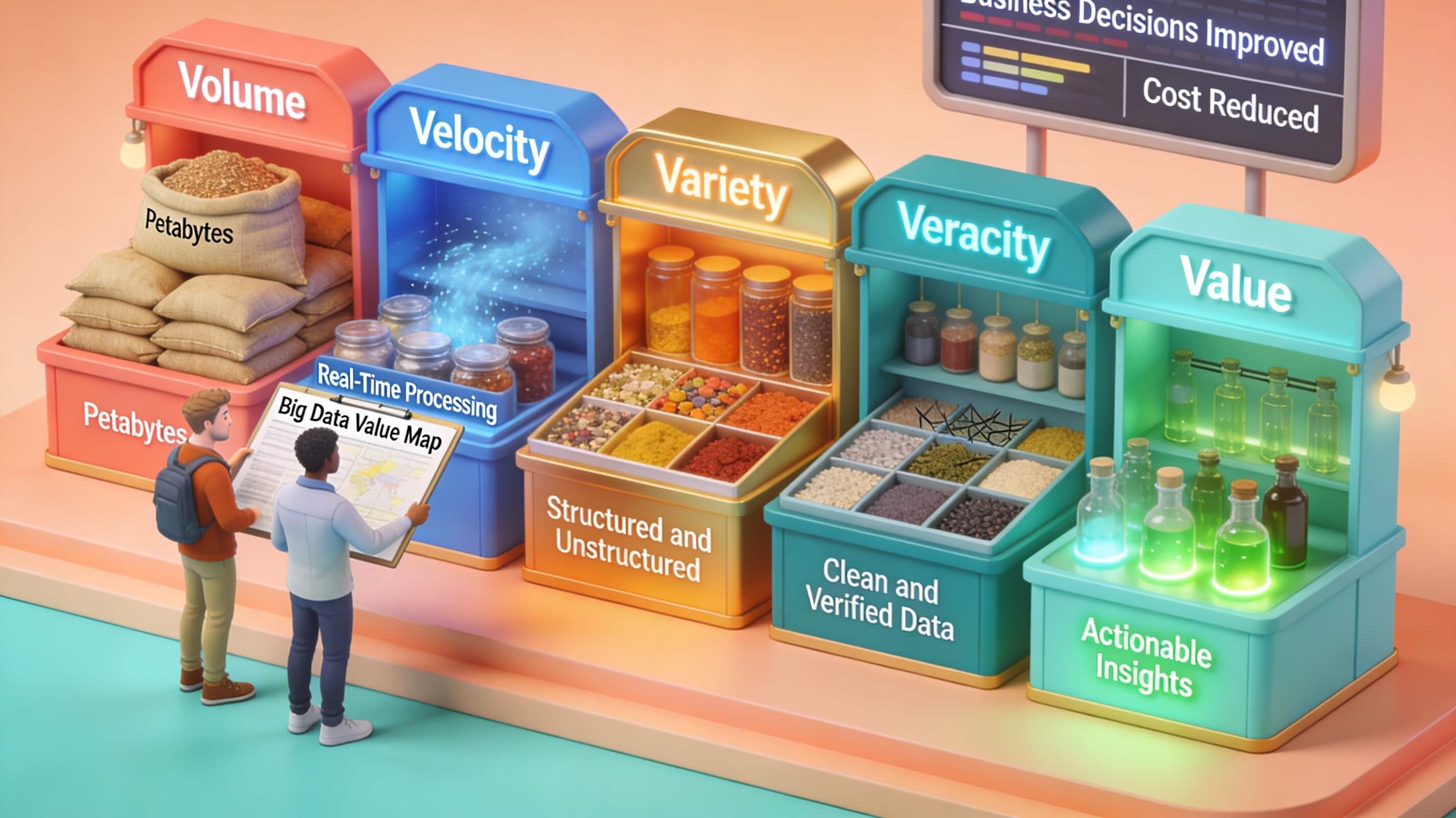
Data mining techniques include classification, regression analysis, and clustering. Classification assigns data points into predefined categories, helping businesses identify trends like customer churn risk. Regression analysis examines relationships between variables to predict numeric outcomes—for example, estimating sales based on advertising spend. Clustering groups similar data points based on attributes, allowing marketers to segment audiences without prior assumptions. These methods are essential for extracting actionable knowledge from complex datasets.
According to IBM’s guide to data mining, successful data mining requires clean data, domain expertise, and the right algorithms. Without these, even the most sophisticated big data analytics pipeline can yield misleading results.
Predictive Analytics and Machine Learning in Big Data Analytics
Predictive analytics and machine learning are revolutionizing how organizations extract insights from complex datasets. Predictive analytics uses historical data to forecast future events with a degree of probability. It relies on statistical models, decision trees, and regression techniques. Machine learning—a subset of artificial intelligence—enables systems to automatically learn and improve from experience without explicit programming. When integrated into big data analytics, these technologies unlock real-time predictions and automated decision-making.
Consider a retail company managing millions of customer transactions. Using predictive analytics, the firm can forecast demand for specific products during holidays. By training a machine learning model on purchase histories, browsing behavior, and demographic data, the system identifies which customers are most likely to buy winter apparel. This allows for personalized marketing campaigns that maximize ROI while reducing wasted ad spend.
Another example comes from cybersecurity. Dark Reading’s analysis of ML in security shows how machine learning models analyze network traffic patterns to detect anomalies in real time, flagging potential breaches before they escalate. Big data analytics amplifies this capability by processing terabytes of log data from firewalls, servers, and endpoints simultaneously.
To successfully leverage predictive analytics and machine learning, organizations must invest in skilled data scientists and scalable infrastructure. Tools like Apache Spark and TensorFlow accelerate model training, but the human element—defining business problems, selecting features, and validating results—remains critical. When done right, these technologies transform big data analytics from a descriptive tool into a prescriptive engine for growth.
The Role of Business Intelligence in Extracting Actionable Insights
Business intelligence (BI) bridges the gap between raw data and strategic decisions. Within the big data analytics ecosystem, BI platforms aggregate, analyze, and visualize data from multiple sources, presenting it in interactive dashboards and reports. This democratizes access to insights, enabling non-technical stakeholders to explore trends and make data-driven choices without relying solely on data teams.
Leading BI tools include Tableau, Microsoft Power BI, and SAS Business Intelligence. Each offers unique strengths for handling complex datasets:
| Tool | Primary Use Case | Key Feature for Big Data Analytics |
|---|---|---|
| Tableau | Data visualization and dashboarding | Handles millions of rows; integrates with Hadoop and Spark |
| Microsoft Power BI | Data modeling and ad hoc analysis | Natural language queries; Azure integration for scaling |
| SAS Business Intelligence | Advanced analytics and statistical modeling | Built-in predictive and machine learning algorithms |
Choosing the right BI solution depends on your organization’s data maturity, technical expertise, and scalability needs. For instance, a mid-sized e-commerce company might start with Power BI due to its low learning curve, while a large financial institution may require SAS for regulatory compliance and complex modeling. Big data analytics amplifies the value of BI by feeding it high-quality, real-time data, ensuring that dashboards reflect the current state of operations rather than stale snapshots.
The Gartner glossary on business intelligence emphasizes that BI must evolve to incorporate augmented analytics—using AI to automate insight generation. This trend aligns with big data analytics’ goal of reducing human bias and accelerating discovery.
Data Visualization: Turning Complexity into Clarity
Data visualization is an essential component of big data analytics because it transforms abstract numbers into intuitive graphics. When dealing with complex datasets, traditional tables and spreadsheets overwhelm the human brain. Visualizations like bar charts, line graphs, heat maps, and scatter plots reveal patterns, outliers, and relationships instantly. This facilitates faster decision-making and improves communication among stakeholders.
To be featured in search snippets, we offer this concise definition: Data visualization is the graphical representation of information and data using visual elements like charts, graphs, and maps to help users understand trends, outliers, and patterns in large datasets.
Common visualization techniques include:
- Bar charts – Ideal for comparing discrete categories, such as sales by region.
- Line charts – Perfect for showing trends over time, like monthly website traffic.
- Heat maps – Use color intensity to indicate magnitude, useful for geographic data or correlation matrices.
- Scatter plots – Reveal relationships between two continuous variables, like advertising spend vs. conversions.
According to Tableau’s guide to data visualization, effective visualization requires understanding your audience and choosing the right chart type. In big data analytics, where datasets contain millions of points, interactive dashboards allow users to drill down into specifics without losing the big picture. Visualizations also enhance data storytelling, making insights memorable and actionable for executives and team members alike.
Driving Data-Driven Decision Making with Big Data Analytics
Data-driven decision making (DDDM) is the practice of basing strategic choices on empirical evidence rather than intuition or anecdotal experience. Big data analytics supercharges DDDM by providing granular, real-time data from multiple sources. Organizations that adopt DDDM consistently outperform their peers in profitability, operational efficiency, and customer satisfaction.
Benefits include reduced risk through objective analysis, faster response to market changes, and more personalized customer experiences. For example, consider how McKinsey’s research on big data highlights that retailers using data-driven personalization see a 10–30% increase in revenue. This is because they can tailor offers to individual preferences, optimize pricing dynamically, and forecast demand with high accuracy.
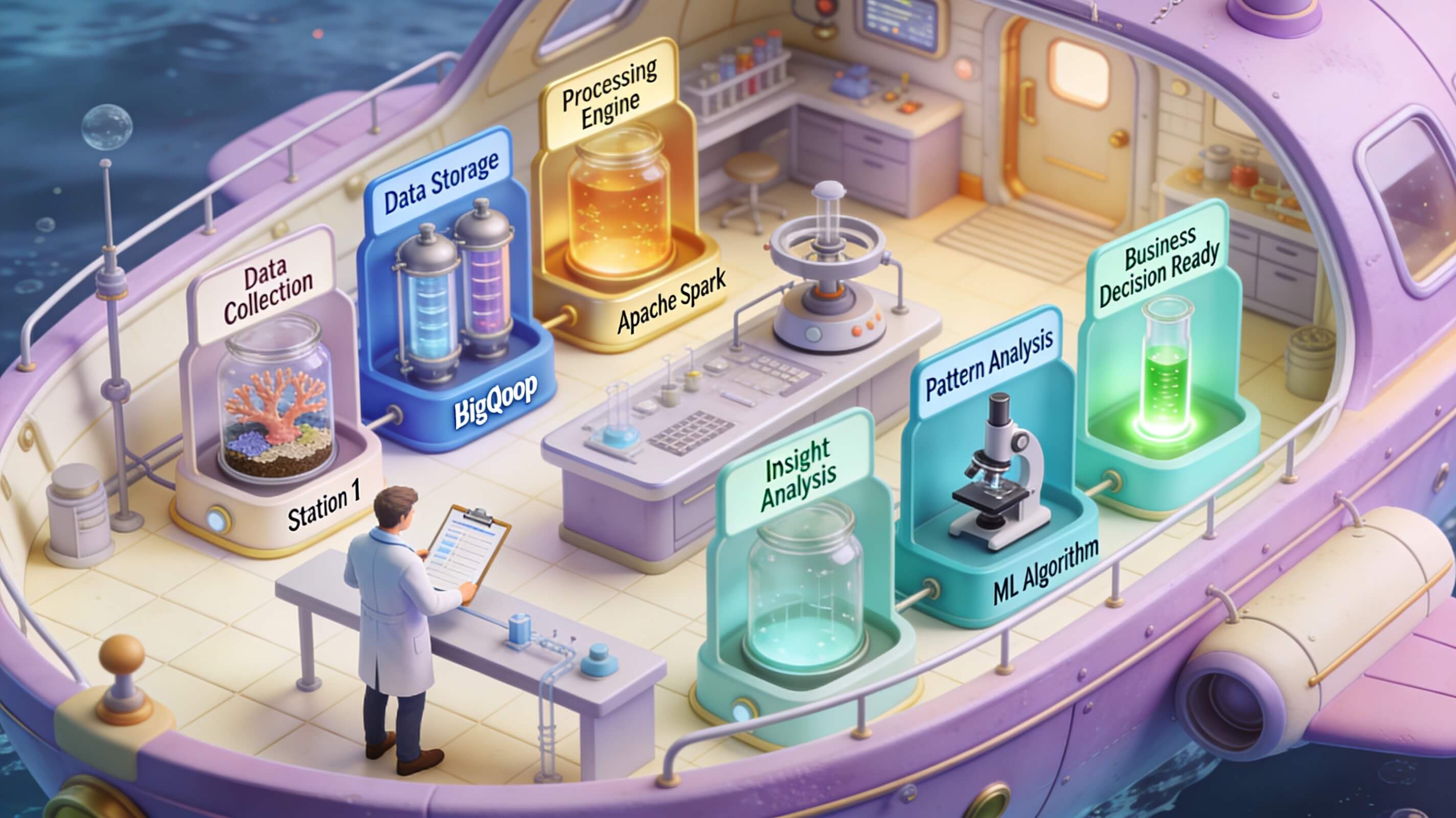
Implementation requires a structured framework: identify relevant data sources, clean and integrate data, apply analytical methods, visualize results, and communicate findings to decision-makers. Amazon exemplifies this approach by using purchase history, browsing behavior, and even mouse cursor movements to recommend products. Netflix similarly leverages viewing patterns to suggest content, resulting in reduced churn and higher user engagement.
For smaller organizations, the journey starts with a single use case. A local restaurant chain could analyze POS data combined with online reviews to determine which menu items are popular in specific locations. As confidence grows, so can the scale of big data analytics initiatives. The key is to start small, measure results, and iterate quickly.
Effective Data Management Strategies for Reliable Analytics
Big data analytics is only as good as the data it consumes. Poor data quality, security lapses, or inaccessible archives can undermine even the most sophisticated models. Therefore, implementing robust data management strategies is non-negotiable. These strategies encompass three pillars: data quality, security, and accessibility.
Data quality management involves ensuring accuracy, completeness, consistency, and timeliness. Common issues include missing values, duplicate records, and inconsistent formats (e.g., dates stored as strings). Automated validation rules and data profiling tools help catch these problems early. CIO’s guide to big data quality recommends establishing data governance councils that define standards and monitor adherence across departments.
Data security management protects sensitive information from breaches and unauthorized access. Encryption, access controls, and regular audits are baseline requirements. With regulations like GDPR and CCPA imposing heavy fines, compliance is both a legal and ethical imperative. Big data environments, which often span cloud and on-premises infrastructure, require unified security policies.
Data accessibility management ensures that authorized users can retrieve data quickly and in usable formats. Data lakes, warehouses, and lakehouse architectures provide scalable storage, while metadata catalogs help users discover relevant datasets. Self-service analytics tools further empower business users to query data without IT bottlenecks. Balancing accessibility with security is delicate—role-based permissions and data masking can provide the necessary controls.
Effective data management creates a foundation where big data analytics can operate efficiently. Without it, insights are unreliable, decisions are risky, and investments in analytics tools yield diminishing returns.
Extract Actionable Insights from Complex Datasets
The ultimate goal of big data analytics is to extract actionable insights—pieces of knowledge that directly inform decisions and strategies. To achieve this, you need to bridge the gap between raw data and business outcomes. A structured approach includes identifying key metrics aligned with strategic goals, segmenting data to uncover granular patterns, and using visualizations to communicate findings clearly.
For example, a SaaS company analyzing user behavior might track metrics like activation rate, monthly active users, and feature adoption. By segmenting users based on subscription tier, onboarding source, or geographic region, the team can pinpoint which groups are underutilizing certain features. This insight drives targeted training campaigns or product enhancements, increasing retention and revenue.
Another technique is to analyze customer behavior by overlaying transactional data with web analytics and call center logs. A telecom provider might discover that customers who call support multiple times within a week are five times more likely to churn. Armed with this insight from big data analytics, the provider can proactively offer discounts or technical assistance to retain at-risk customers.
According to Harvard Business Review’s piece on big data impact, companies that embed analytics into daily workflows see stronger performance than those treating it as a separate function. The most actionable insights come from iterative experimentation: test a hypothesis, measure the result, refine the model, and repeat. This continuous loop ensures that big data analytics remains relevant and impactful as market conditions evolve.
The Future of Big Data Analytics: AI, Edge Computing, and Real-Time Processing
The landscape of big data analytics is evolving rapidly, driven by innovations in artificial intelligence, edge computing, and real-time processing. These trends promise to make analytics faster, more automated, and more context-aware, enabling organizations to act on insights in moments rather than days.
Artificial intelligence and machine learning are becoming deeply integrated with analytics platforms. Instead of human analysts manually creating models, AutoML tools automatically select algorithms, tune hyperparameters, and validate performance. This democratizes advanced analytics, allowing domain experts to leverage big data insights without deep coding skills. AI also enhances natural language querying, where users ask plain-language questions and receive immediate visual answers.
Edge computing addresses the challenge of processing data generated by billions of IoT devices. Instead of sending all data to a central cloud, edge analytics processes it at the source. A smart factory, for example, can monitor equipment vibrations and temperature in real time, triggering maintenance alerts before a breakdown occurs. IBM’s introduction to edge computing highlights how this approach reduces latency and bandwidth costs while enabling faster decision-making—a critical advantage in manufacturing, healthcare, and autonomous vehicles.
Data governance and privacy regulations will continue to shape big data analytics practices. Consumers are increasingly aware of how their data is used, and regulators are tightening rules. Future analytics frameworks must incorporate privacy-by-design principles, such as differential privacy and federated learning, where models train on decentralized data without moving sensitive information. Organizations that proactively adopt ethical data practices will build trust and avoid reputational damage.
Real-time analytics is moving from a luxury to a necessity. Stream processing engines like Apache Kafka and Apache Flink allow businesses to analyze data as it arrives, enabling instant responses to changing conditions. Financial institutions detect fraud within milliseconds, while logistics companies reroute shipments based on live traffic data. The convergence of real-time analytics with AI will further accelerate the pace of innovation in big data analytics.
Conclusion
Big data analytics is not merely a technological capability—it is a strategic imperative for organizations seeking to thrive in an increasingly competitive and complex world. From understanding customer behavior and optimizing supply chains to predicting market trends and mitigating risks, the ability to extract insights from vast and complex datasets separates industry leaders from laggards. Throughout this article, we have explored the foundational techniques of data analysis and mining, the transformative power of predictive analytics and machine learning, the visual clarity offered by data visualization, and the critical role of effective data management. Real-world examples from companies like Coca-Cola, Walmart, Amazon, and Netflix demonstrate that big data analytics delivers measurable outcomes—higher profits, improved customer loyalty, and operational excellence.
Yet, success requires more than just tools and algorithms. It demands a culture that values data-driven decision making, investments in skilled talent, and a commitment to data quality and security. As the field evolves with innovations in AI, edge computing, and real-time processing, the opportunities expand further. Organizations that adapt early will not only gain a competitive edge but also build resilience against disruption.
Now is the time to act. Whether you are a marketing executive looking to refine campaign targeting, a supply chain manager aiming to reduce waste, or a business leader seeking sustainable growth, the insights from big data analytics can guide your next move. Start by auditing your existing data assets, identifying a high-impact use case, and experimenting with analytics tools. The journey begins with a single dataset and a question worth answering. Remember that every major breakthrough starts with a commitment to data-driven thinking.
Ready to transform your organization with big data analytics? Take the first step by evaluating your current data ecosystem and defining what success looks like. The future belongs to those who can turn data into decisions—and decisions into growth. Your next big insight is waiting to be discovered.
Permalink