
Cart 0

Share
Table of Contents
Mastering Data Analytics Platform Selection: Tools That Drive Real Business Impact
In the modern business landscape, raw data is abundant, but actionable intelligence remains rare. The difference between drowning in spreadsheets and outperforming your competition often comes down to one critical decision: selecting the right data analytics platform. This platform serves as the central nervous system for your organization’s data operations, enabling you to process, analyze, and visualize information at scale. Whether you are a mid-market enterprise or a growing startup, the tools you choose will directly impact your ability to make swift, confident decisions. This article goes beyond surface-level comparisons. It provides a seasoned expert’s framework for evaluating and implementing a data analytics platform, covering everything from data governance and integration to machine learning capabilities and change management. By the end, you will have a clear, actionable strategy for turning your data into a genuine competitive asset.
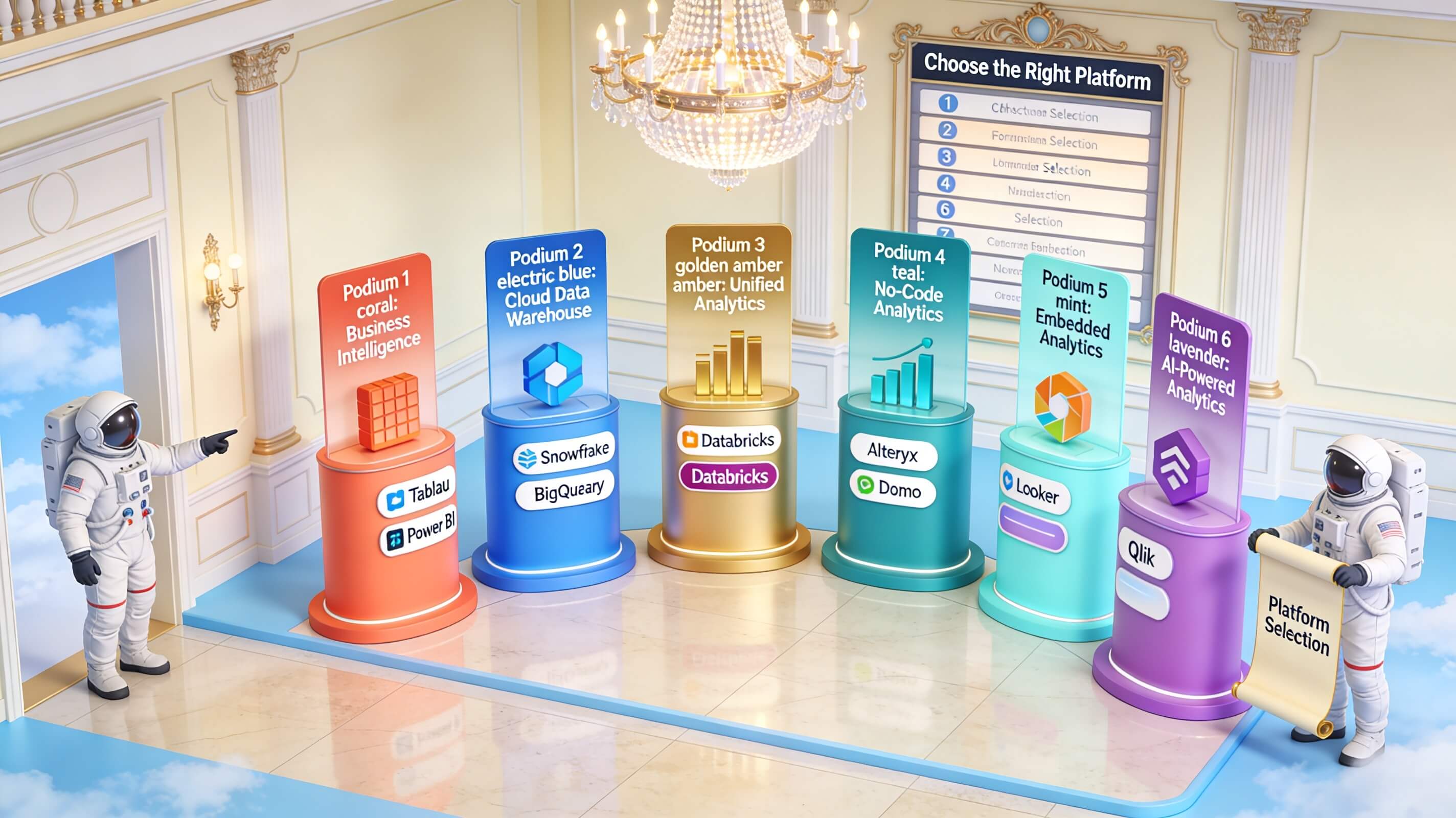
The most effective data analytics platforms do not just crunch numbers—they democratize insights across your organization. From the C-suite to frontline managers, everyone benefits from a system that translates complex datasets into intuitive visualizations and predictive forecasts. However, the sheer volume of options on the market can be paralyzing. Many buyers focus solely on features like dashboard aesthetics or processing speed, while ignoring foundational elements like data management, security protocols, and scalability. This is a costly mistake. A platform that lacks robust integration capabilities or fails to support advanced analytics will quickly become a bottleneck. To avoid this, you must approach the selection process with a holistic view, prioritizing systems that align with both your current workflows and your future growth trajectory. Let us examine the core components that separate a transformative data analytics platform from a mere reporting tool.
Foundations of a Data Analytics Platform
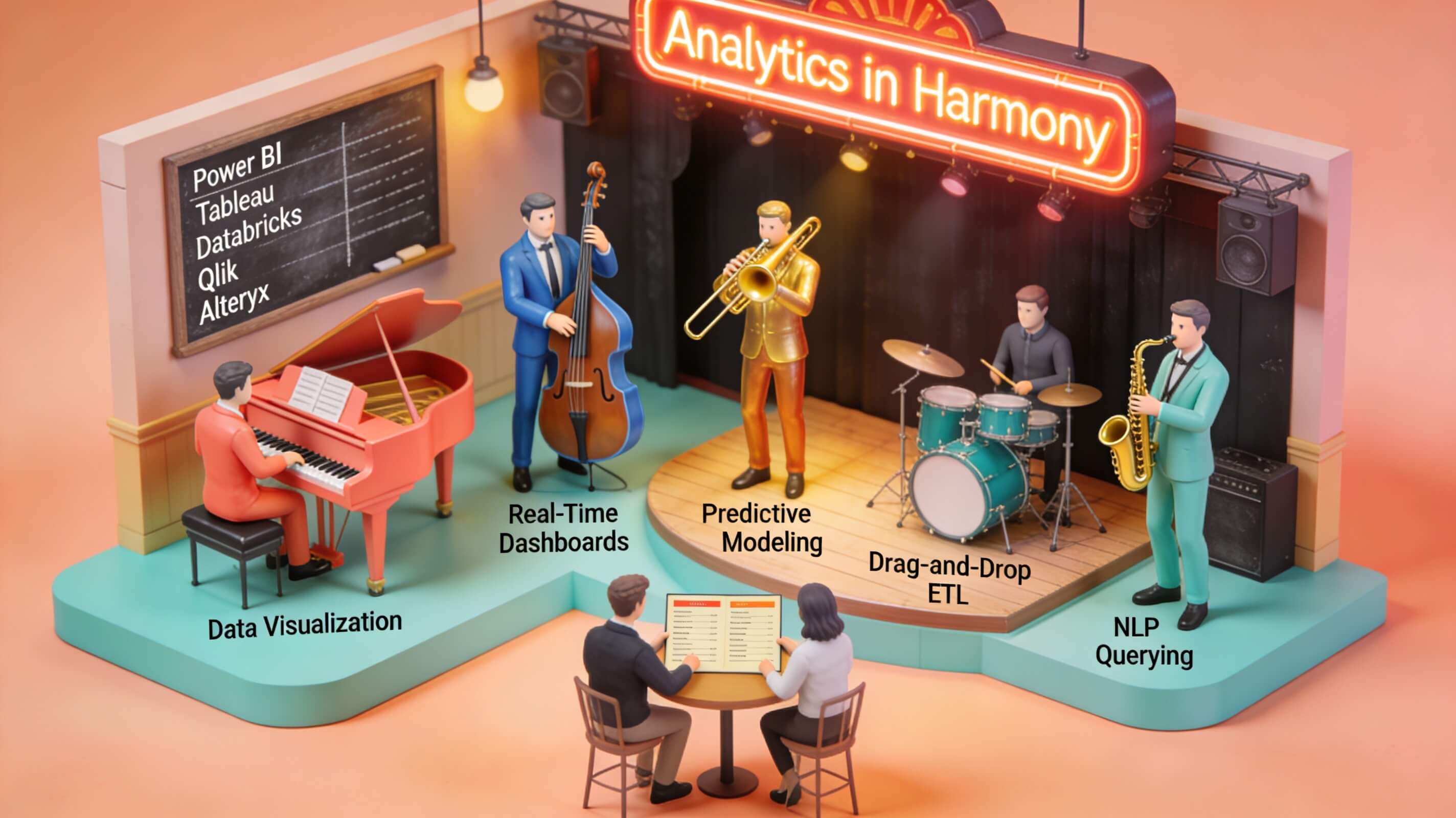
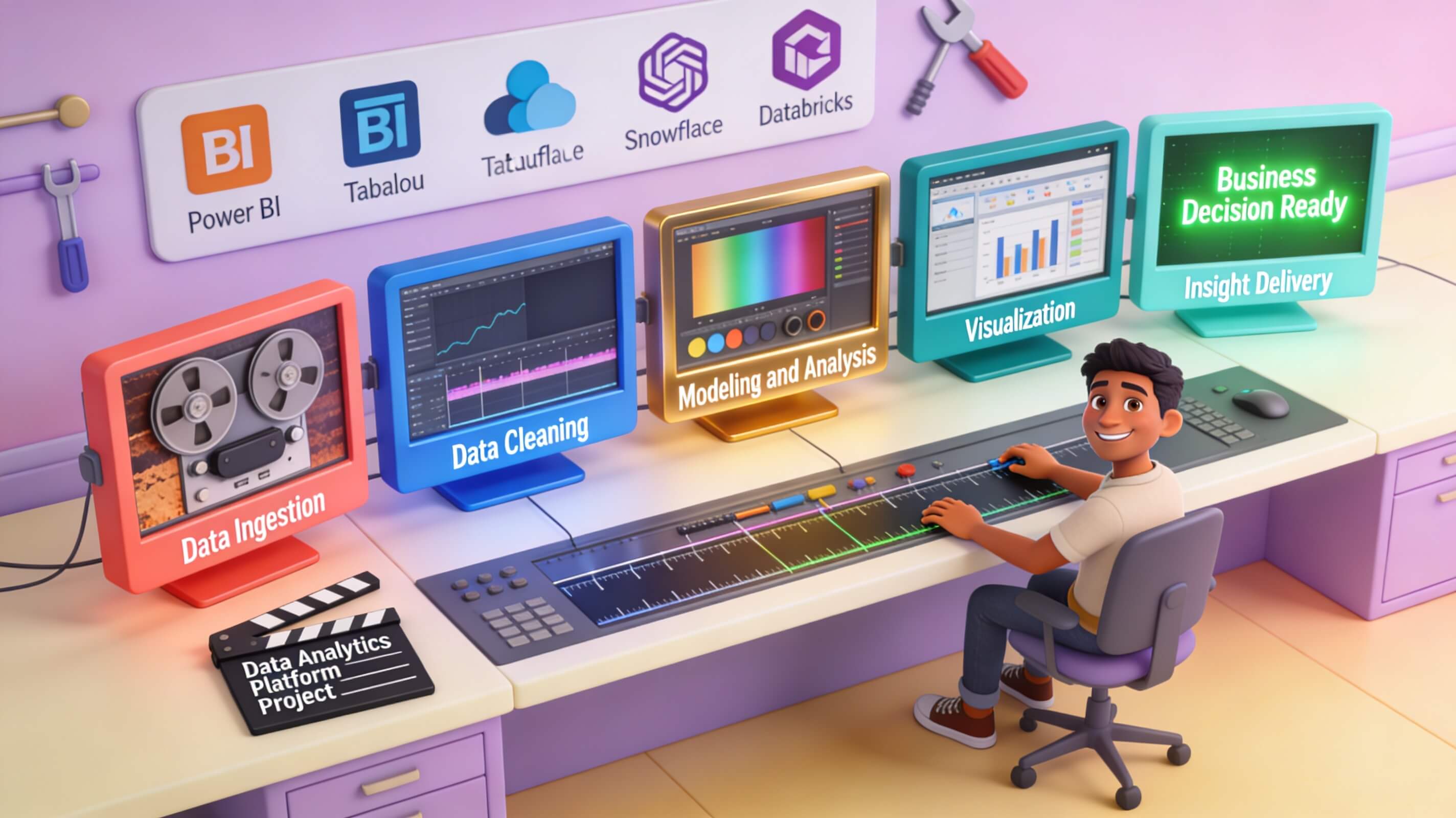
Before evaluating specific vendors, it is essential to understand what a modern data analytics platform actually comprises. At its core, it is an integrated suite of technologies designed to ingest, clean, transform, model, and visualize data. Unlike standalone spreadsheet tools, a dedicated platform handles massive volumes of structured and unstructured information in real-time or near-real-time. The best platforms combine a robust data management solution with powerful analysis engines, allowing users to move seamlessly from raw data to strategic action. You can think of it as a factory assembly line: raw materials enter, are refined through automated processes, and emerge as finished products—reports, dashboards, and predictions—that drive intelligent decisions.
A key differentiator among leading platforms is their ability to incorporate business intelligence and advanced analytics within a single environment. Historically, organizations used separate tools for reporting (BI) and modeling (advanced analytics). Today, convergence is the standard. A unified platform eliminates data silos and reduces the time spent moving data between systems. It also enables features like ad-hoc querying, natural language processing, and embedded analytics, which put power directly into the hands of business users. When assessing a platform, look closely at its architecture. Does it use a cloud-native design? Can it integrate with data lakes and warehouses? Is it built for modern data stacks? These technical foundations determine whether your investment will deliver long-term agility or become another legacy system.
Choosing a Data Analytics Platform: Core Criteria
Selecting the ideal data analytics platform is a strategic exercise, not a simple feature checklist. You must match the platform’s capabilities to your organization’s specific analytical maturity, technical resources, and business goals. I have observed countless companies chase shiny interfaces only to discover that their chosen tool cannot handle basic data governance requirements. Begin by assessing your data landscape. Do you rely heavily on transactional databases, or are you pulling from APIs, IoT streams, and third-party sources? The platform must offer strong data integration capabilities to connect these diverse inputs without extensive custom coding. Ease of connection is non-negotiable; the longer it takes to ingest new data, the slower your decision-making cycle becomes.
Scalability is another make-or-break factor for selecting a data analytics platform. Your data volume will almost certainly grow, and your analytical needs will become more complex. A platform that performs well with ten thousand records may choke on ten million. Look for cloud-based solutions that offer elastic compute and storage, allowing you to scale up during peak processing times and scale down to control costs. Additionally, evaluate the platform’s approach to data governance and security. With regulations like GDPR and CCPA, you must be able to track data lineage, enforce access controls, and audit usage. A robust data management solution within the platform should provide automated data profiling and quality checks. Without these features, your insights may be built on an unstable foundation of inaccurate or incomplete information. Finally, consider the user experience. If your business analysts and executives find the tool difficult to navigate, adoption will falter. Prioritize platforms with intuitive interfaces that still offer depth for power users.
Table: Key Evaluation Dimensions for a Data Analytics Platform
| Dimension | What to Look For | Why It Matters |
|---|---|---|
| Data Integration | Pre-built connectors, API access, real-time streaming support | Reduces manual ETL work and accelerates time-to-insight |
| Scalability | Cloud-native architecture, auto-scaling, multi-tenancy | Handles growing data volumes without performance degradation |
| Governance | Data lineage, role-based access, audit logs, quality rules | Ensures regulatory compliance and data trustworthiness |
| Advanced Analytics | Machine learning libraries, predictive modeling, NLP | Enables forecasting and deeper pattern discovery |
| Visualization | Customizable dashboards, drill-downs, real-time updates | Makes insights accessible to non-technical stakeholders |
Business Intelligence Software Integration
Business intelligence software is the public face of your data analytics platform. While the backend handles heavy lifting—aggregation, transformation, and model training—the BI layer is what decision-makers interact with daily. The best BI tools transform complex queries into clear, interactive dashboards and reports. When integrating BI software into your platform, prioritize flexibility. Does it allow users to create custom reports without relying on IT? Can it handle slice-and-dice analysis across millions of rows? A modern business intelligence tool should support both pixel-perfect reports for external stakeholders and self-service exploration for internal teams.
Another critical aspect of business intelligence software is its ability to handle real-time data. In fields like e-commerce, logistics, or finance, insights that are even a few minutes old can be irrelevant. Look for BI layers that connect directly to your streaming data sources, offering live dashboards that update automatically. This capability allows you to monitor key performance indicators, detect anomalies, and respond immediately to changing conditions. Furthermore, the BI software should support mobile access, ensuring that executives can check critical metrics from anywhere. By weaving business intelligence deeply into your data analytics platform, you create a culture of transparency and rapid feedback, where data is not an afterthought but a continuous part of daily operations.
Advanced Analytics Platform Capabilities
For organizations that have outgrown descriptive reporting—answering “what happened”—an advanced analytics platform is the next frontier. These platforms incorporate statistical modeling, machine learning algorithms, and even artificial intelligence to answer “what will happen” and “how can we make it happen.” The best advanced analytics platforms do not require a PhD in data science. They offer visual drag-and-drop interfaces for building predictive models, along with automated machine learning features that test multiple algorithms and select the best performer. This democratization of advanced analytics is a game-changer for companies that lack extensive data science teams.
When evaluating an advanced analytics platform, consider its support for the entire model lifecycle—from data preparation and feature engineering to model deployment and monitoring. Many organizations can build a predictive model, but far fewer can operationalize it effectively. The platform should allow you to push models directly into production environments, such as recommendation engines or fraud detection systems. Additionally, look for capabilities like natural language processing and text analytics, which can extract insights from unstructured data like customer reviews, support tickets, and social media feeds. An advanced analytics platform that combines these features with robust machine learning capabilities will give you a significant edge in identifying emerging trends and optimizing complex processes.
Data Visualization Platform Essentials
Even the most profound analytical insight is useless if it cannot be communicated effectively. This is where a strong data visualization platform comes into play. It acts as the bridge between raw numbers and human understanding. The right visualization platform does not just produce attractive charts; it enables interactive exploration. Users should be able to click on a region on a map to see underlying metrics, or filter a global dashboard to view performance by a specific product line. These interactive filters and drill-down capabilities transform passive viewers into active data explorers, uncovering context that static reports miss.
Key features to prioritize in a data visualization platform include real-time updates, customizability, and integration with your existing data sources. Real-time updates ensure that dashboards reflect the current state of your business, which is critical for operational monitoring. Customizability is equally important—every organization has unique KPIs and reporting conventions. Avoid platforms that force you into rigid visualization templates. Instead, choose one that allows you to build bespoke views using a rich library of chart types, from heat maps and waterfall charts to sankey diagrams. Finally, seamless integration is paramount. The visualization layer should pull directly from your data analytics platform’s data models without requiring duplicate copies or complicated refreshes. When implemented correctly, a powerful data visualization platform becomes the single source of truth for your entire organization, aligning teams around shared metrics and driving a truly data-driven culture.
One practical example of this in action comes from the retail sector. A mid-sized apparel company integrated a visualization platform with its inventory and sales data. By using interactive filters, the merchandising team could instantly see which styles were underperforming in specific regions and adjust purchasing plans accordingly. This real-time visibility reduced overstock by 18% in the first quarter and improved gross margins. The lesson is clear: a data visualization platform is not a luxury—it is a critical tool for operational efficiency.
Predictive Analytics and Machine Learning Integration
Integrating predictive analytics into your data analytics platform moves your organization from reactive to proactive. Instead of merely reporting on past performance, you can forecast future outcomes and simulate different scenarios. Machine learning algorithms are the engine behind this capability. They identify patterns and relationships within historical data that human analysts might miss, using these patterns to generate predictions. The benefits of embedding machine learning into your platform are substantial. It enables automated predictions at scale—think of a streaming service recommending content to millions of users simultaneously. It also provides deeper insights by segmenting customers into micro-cohorts based on behavior, and it supports improved decision-making by simulating the impact of potential business moves before you make them.
In a business context, predictive analytics manifests in numerous ways. For example, an e-commerce company uses predictive models to forecast which products will be in high demand next month, allowing them to optimize inventory and marketing spend. In healthcare, predictive analytics helps identify patients at high risk of readmission, enabling proactive interventions that improve outcomes and reduce costs. The predictive analytics capabilities of your platform should align with your specific industry needs. If you are in finance, you will need robust fraud detection models. If you are in logistics, route optimization and demand forecasting are paramount. The best platforms offer pre-built models for common use cases while still allowing data scientists to train custom algorithms using Python or R. This flexibility ensures that you can start seeing value quickly and continue to innovate as your needs evolve.
Data Management Solutions Underpinning Success
The foundation of any successful data analytics platform is a bulletproof data management solution. Without clean, consistent, and governed data, even the most sophisticated algorithms will produce faulty outputs. A modern data management solution handles the entire data lifecycle: ingestion, storage, transformation, cataloging, and archiving. It ensures that data from different sources—CRM, ERP, marketing automation, social media—conforms to the same definitions and quality standards. This is the bedrock of data trust. When business leaders see a dashboard, they must have complete confidence that the numbers are accurate and timely. Data management makes this possible through automated data quality checks, master data management, and metadata management.
An effective data management solution also enforces governance policies. This is not just about security; it is about accessibility. With proper data cataloging, users across your organization can discover and understand datasets, reducing duplication and encouraging reuse. For example, consider a field service organization. When the data management solution syncs customer service records with field dispatch data, both teams work from the same customer history. This leads to fewer dispatches, faster first-time fix rates, and higher customer satisfaction. Additionally, strong governance ensures compliance with regulations like HIPAA or PCI DSS, which is mandatory for many industries. When you evaluate a data management solution, look for features like data lineage visualization (showing where data originated and how it was transformed), automated profiling, and role-based access controls. Investing in this layer is not optional—it is the prerequisite for any serious analytics initiative.
Implementing a Data Analytics Platform for Long-Term Value
Selecting the right software is only half the battle. The true value of a data analytics platform is realized through careful implementation. Rushing the rollout can lead to low adoption rates and wasted investment. Based on my experience working with dozens of organizations, the most successful implementations follow a phased, people-centric approach. Start with a focused pilot project. Choose a single department or use case—such as marketing campaign ROI analysis or supply chain optimization—where the impact can be clearly measured. This pilot serves as a proof of concept, allowing you to validate the platform’s capabilities, identify any integration issues, and build a success story that will drive broader adoption.
Next, invest heavily in training and ongoing support. A common failure point is underestimating the learning curve. Even the most intuitive tools require users to develop new mental models for interacting with data. Provide hands-on workshops, create internal documentation, and identify power users who can champion the tool within their teams. Consider establishing a center of excellence that provides ongoing guidance and accelerators. Monitoring performance is the third pillar of successful implementation. Track metrics like daily active users, number of reports created, and average query response time. Regularly survey stakeholders to understand friction points. Use this feedback to continuously refine your analytics implementation strategy. Finally, align the platform’s capabilities with your organization’s strategic goals. If your priority is customer retention, focus your initial dashboards on churn metrics and sentiment analysis. When the platform clearly supports business objectives, executives are more likely to allocate resources and champion its use across the company.
Conclusion
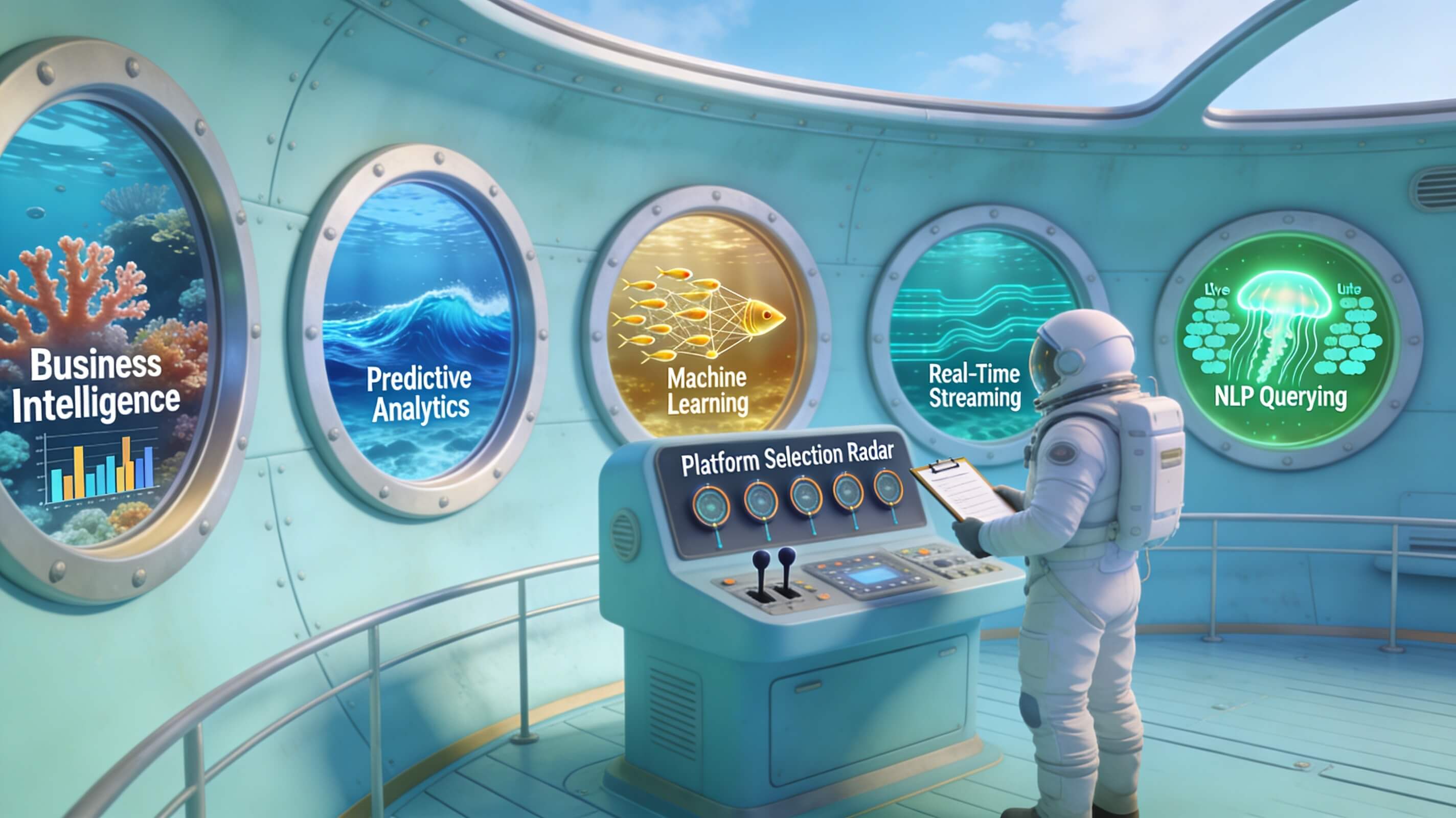
The journey to becoming a truly data-driven organization begins with a single, critical decision: selecting the right data analytics platform. As we have explored, this is not a purchase to be taken lightly. It requires a deep understanding of your data infrastructure, your team’s capabilities, and your long-term strategic objectives. By prioritizing robust data management, flexible integration, powerful visualization, and advanced analytics like predictive modeling, you can build a platform that serves as a genuine engine for growth. The market offers no shortage of tools, but the winners are those that match form to function—choosing platforms that not only look impressive in a demo but also deliver tangible results in production.
Remember that technology is only part of the equation. A successful implementation demands strong change management, continuous training, and a commitment to aligning analytical outputs with business outcomes. Start small, prove value, and scale deliberately. The insights you generate—whether optimizing inventory, reducing customer churn, or identifying new revenue streams—will compound over time, creating a significant competitive moat. In an era where data is the most valuable resource a company can own, the ability to transform it into action is the ultimate differentiator.
Now is the time to take action. Evaluate your current analytics stack with a critical eye. Identify the gaps that are holding your team back from making faster, smarter decisions. If you are ready to accelerate your organization’s data journey, reach out to our team of analytics strategists. We specialize in helping businesses like yours design and deploy platforms that drive real, measurable outcomes. Your data holds the answers—let us help you unlock them.
Comments are closed.