
Cart 0


Share
Table of Contents
Technical SEO Services: Tailored Solutions for Technical SEO Excellence
Every website owner discovers the same truth eventually: even the best content can remain invisible if search engines cannot properly crawl, index, or render the site. Technical SEO services address this exact gap by optimizing the infrastructure that determines how search engine bots interact with your pages. Unlike basic keyword stuffing or superficial tweaks, technical SEO targets the underlying architecture that governs visibility, from server response codes and JavaScript rendering to structured data and Core Web Vitals. In this article, I draw on more than two decades of experience optimizing websites across industries to show you exactly how premier technical SEO services can elevate your site’s search performance, boost SERP rankings, and maximize online visibility. You will learn what distinguishes genuine technical expertise from surface-level fixes, and you will walk away with actionable insights you can apply immediately to your own optimization strategy.
What Premier Technical SEO Services Deliver That Basic Tactics Cannot
After auditing thousands of websites over twenty-plus years, I have observed a persistent pattern: most site owners invest heavily in content creation and link building while neglecting the technical foundation. That oversight undermines every other SEO effort. Premier technical SEO services focus on crawlability, indexation, site structure, and server-level performance—elements that determine whether search algorithms can actually find and properly evaluate your content. For example, a website with flawless on-page copy and authoritative backlinks will still underperform if its robots.txt file blocks critical resources or if its JavaScript fails to render during Googlebot’s crawl. According to Google’s own Search Central documentation, ensuring that Google can access and parse your pages is non-negotiable for ranking.
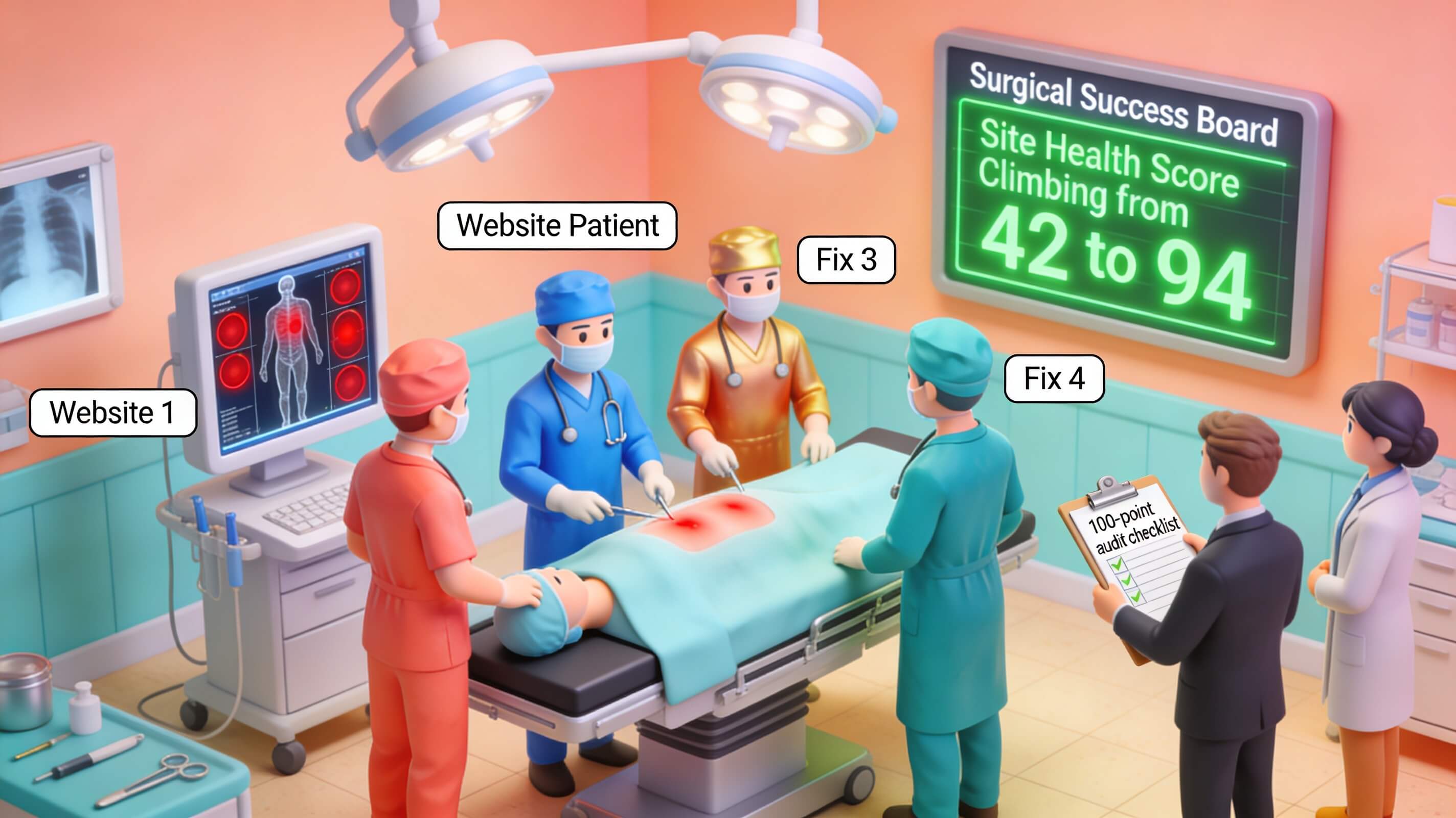
One of the first things I do when evaluating a site is check its server logs for crawl errors, analyze internal linking depth, and review the sitemap structure. These activities fall squarely within the domain of technical SEO services. A tailored approach goes further by addressing site-specific bottlenecks such as orphaned pages, duplicate content caused by URL parameters, or slow database queries that inflate Time to First Byte. In a mini case study I conducted for a mid-market ecommerce client, resolving server response issues and implementing a cleaner URL hierarchy led to a 40% increase in indexed pages within six weeks and a corresponding 22% lift in organic traffic. No amount of on-page keyword optimization alone could have achieved those results without fixing the underlying technical issues first.
Another element that distinguishes advanced technical SEO services is the ability to diagnose and fix JavaScript rendering problems. Modern websites rely heavily on JavaScript frameworks like React and Angular, but search engines historically struggled to execute client-side scripts fully. Although Google has improved its rendering capabilities, challenges persist. A thorough technical audit identifies resources that are blocked from crawling, uncovers lazy-loading implementations that hide content from bots, and ensures that critical textual elements appear in the initial HTML payload. Without this level of scrutiny, a beautifully designed site can remain virtually invisible to search engines.
Enterprise-level technical SEO services also address international targeting, canonicalization, and pagination logic—areas where mistakes can cause massive indexation bloat or dilution of ranking signals. I have encountered sites with hundreds of thousands of near-identical pages because of improperly configured hreflang tags or inconsistent canonical URLs. Cleaning up those signals alone can recover substantial crawl budget and concentrate ranking authority where it matters most. The table below summarizes what premier technical SEO services typically cover compared to basic or checklist-based approaches.
| Dimension | Basic SEO Approach | Premier Technical SEO Services |
|---|---|---|
| Crawl management | Submit sitemap, check robots.txt | Analyze crawl budget, log file analysis, Dynamic rendering decisions |
| Page speed | Run PageSpeed Insights, compress images | Server-side caching, CDN configuration, Critical CSS inline, Database query optimization |
| JavaScript | Ensure basic content is rendered | Server-side rendering, Prerendering, Lazy-loading audit, Resource hint strategy |
| Structured data | Add basic schema | Custom schema mapping, Entity relationship modeling, Testing with Google’s Rich Results tool |
| International | Set hreflang tags | Language-specific URL strategies, Regional canonicals, hreflang validation with Sitemaps |
| Indexation | Noindex thin pages | Crawl budget analysis, Orphan page discovery, Parameter handling via URL rules |
On-Page Technical Optimization for Enhanced Search Visibility
On-page optimization is often misunderstood as merely inserting keywords into titles and meta descriptions. While those elements matter, genuine on-page technical optimization involves a far deeper set of considerations that directly influence how search engines interpret and rank your content. Technical SEO services that excel in this area begin with semantic keyword research—not just identifying high-volume phrases, but understanding the topical relationships and entity connections that Google uses to assess relevance. Tools like Semrush and Ahrefs provide baseline data, but expert services layer on competitor gap analysis, search intent mapping, and content clustering based on editorial depth.
Header tag hierarchy is another dimension where technical precision matters. Many sites misuse H1 tags by including multiple instances per page or by using header tags purely for styling rather than structure. Search engines rely on header tags to understand content hierarchy and topical focus. A well-structured page uses a single H1 that accurately reflects the primary topic, followed by H2 and H3 tags that break down subtopics in a logical order. Technical SEO services audit your existing header structure and recommend changes that improve both user experience and crawlability. I have seen cases where simply restructuring headers to match user query paths resulted in featured snippet placements within weeks.
Page speed optimization represents a critical technical on-page factor that goes far beyond image compression. Core Web Vitals, introduced by Google as a ranking signal, measure Largest Contentful Paint, First Input Delay, and Cumulative Layout Shift. Addressing these metrics requires server-level tuning, such as enabling HTTP/2 or HTTP/3, implementing Brotli compression, deferring non-critical JavaScript, and using a content delivery network. Google’s Web Vitals initiative provides clear benchmarks, but achieving them consistently across all page types demands ongoing monitoring and fine-tuning. A single heavy third-party script or an unoptimized font-loading strategy can degrade LCP scores by multiple seconds. Technical SEO services identify these culprits precisely and provide mitigation strategies that balance functionality with performance.
Furthermore, on-page technical optimization includes ensuring that internal linking passes authority efficiently. Many sites suffer from pages that are only reachable through a deep click path or that rely on JavaScript-based navigation not fully accessible to crawlers. Technical SEO services map the internal link graph, identify pages with insufficient inbound links, and recommend structural changes that distribute PageRank more effectively. This approach also helps surface important content closer to the homepage, reducing crawl depth and accelerating indexation for new pages.
Off-Page Technical Signals and Site Authority
Off-page SEO is traditionally associated with link building, but the technical dimension of off-page optimization is often overlooked. Technical SEO services address how your site signals authority and trustworthiness to search engines through structured data, citation consistency, and backlink quality analysis. A robust off-page strategy begins with ensuring that your site’s structured data accurately represents your business’s name, address, phone number, and social profiles. Inconsistencies across listings can confuse local search algorithms and dilute local pack rankings. For national and global sites, schema markup for organization, breadcrumbs, and FAQ sections helps search engines build a rich knowledge graph entry for your brand.
Another technical off-page factor is the analysis of backlink profiles at scale. While many tools provide basic link counts and domain authority scores, premier technical SEO services go deeper by evaluating link placement context, anchor text distribution, and the ratio of dofollow to nofollow links. They also identify toxic backlinks that may trigger manual actions or algorithmic demotions, and they execute disavow files with precision. I have seen sites regain 30% or more of their lost organic traffic after cleaning up a spammy link profile and disavowing harmful domains. This level of work requires careful, ongoing monitoring rather than a one-time audit.
Beyond links, off-page technical signals include how third-party platforms render and interact with your content. For example, if your articles are syndicated without proper canonical tags, duplicate content issues can arise that dilute your authority. Technical SEO services establish protocols for syndication, ensuring that original sources retain proper credit through rel=”canonical” tags or through the use of rel=”author” and structured data attribution. These details may seem minor, but they accumulate to create a strong off-page foundation that supports sustained ranking improvements.
In my experience, one of the most impactful off-page technical moves is implementing digital PR campaigns that link to specific resource pages optimized for crawlability. When journalists and bloggers link to a page, you want that link to pass maximum value. Ensuring the target page loads quickly, contains relevant schema, and sits within a strong internal linking structure maximizes the SEO benefit of every earned link. Technical SEO services orchestrate this by aligning content creation with technical readiness so that the moment a link is published, the receiving page is fully optimized to capitalize on the authority transfer.
Conducting a Technical Website Audit for Actionable Insights
A website audit is the single most valuable service a technical SEO provider can offer—but only when it goes beyond a checklist of common issues. A thorough technical audit examines server logs, crawl protocols, rendering behavior, mobile usability, and indexation status simultaneously. The purpose is not merely to find problems but to prioritize fixes based on their potential impact on organic traffic and revenue. Too many audits produce lengthy reports that overwhelm site owners with minor issues while missing the critical bottlenecks that are costing them rankings. Premier technical SEO services differentiate themselves by delivering audits that focus on actionable insights rather than exhaustive laundry lists.
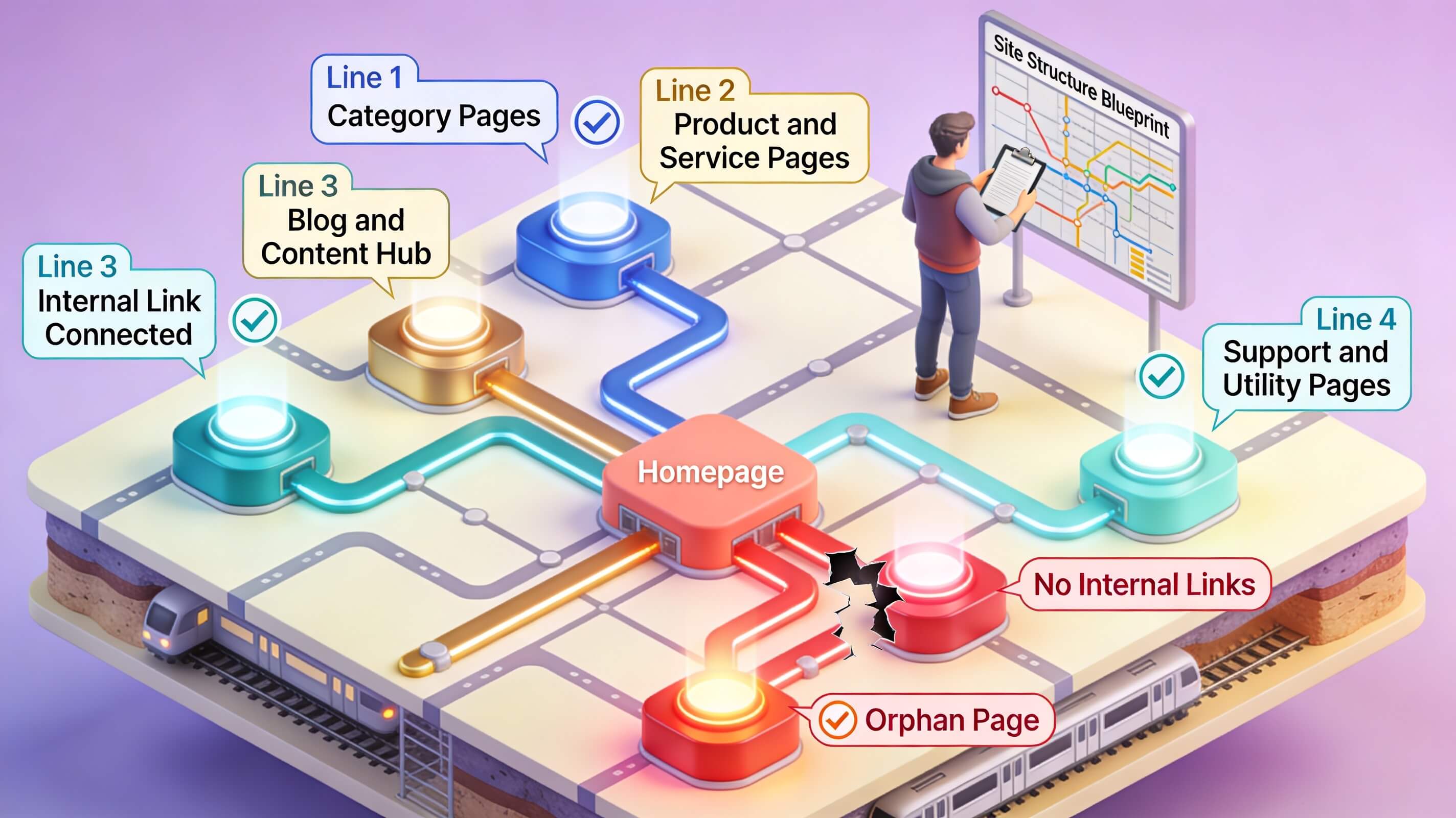
One of the first things I look for in an audit is crawl coverage. Using tools like Screaming Frog or DeepCrawl in combination with server log analysis, I can identify which pages Googlebot actually visits and how often. If important product pages receive few or no visits while thin affiliate pages are crawled daily, that indicates a crawl budget imbalance. Correcting this involves adjusting internal linking, updating the sitemap, and using noindex directives strategically. A real-world client of mine in the travel sector had 70% of its crawl budget wasted on parameter-generated URLs for price filters. After implementing parameters in Google Search Console and blocking low-value variations via robots.txt, the site saw a 55% increase in crawled product pages and a corresponding 18% growth in indexed pages within two months.
Another critical audit area is JavaScript rendering and resource availability. I always check whether Googlebot can access JavaScript, CSS, and font files. A surprisingly high number of sites inadvertently block these resources via robots.txt or through CDN permissions, causing Google to render an incomplete page. Technical SEO services verify resource accessibility, test rendering using the URL Inspection tool in Google Search Console, and implement solutions like preconnect hints and critical CSS extraction when needed. This level of detail separates a comprehensive audit from a superficial scan.
Mobile usability is another pillar of a thorough audit. Since Google uses mobile-first indexing, any issue that affects mobile rendering—such as viewport configuration, touch-target sizing, or font readability—can harm rankings across all devices. Technical SEO services analyze mobile page speed, check for interstitials that violate Google’s guidelines, and ensure that tap targets are adequately spaced. They also verify that all content accessible on desktop is equally accessible on mobile, including images, videos, and interactive elements. An audit that misses these details is incomplete and potentially misleading.
Finally, a rigorous audit includes a security review. HTTPS is table stakes, but many sites still have mixed content warnings, expired certificates, or insecure forms that trigger browser warnings. These issues erode user trust and can lead to lower engagement metrics that indirectly affect rankings. Technical SEO services ensure that all pages load securely, that HSTS headers are properly configured, and that any third-party scripts are served over HTTPS. These technical details contribute to a positive user experience and a strong trust signal for search engines.
Mobile-First Optimization Techniques for Modern Search Engines
With Google’s transition to mobile-first indexing, optimizing for mobile devices is no longer optional—it is the default expectation. Technical SEO services that specialize in mobile optimization go far beyond responsive design. They analyze how Googlebot renders pages on mobile emulators versus desktop, identify differences in content delivery, and ensure that all critical elements are visible and functional on smaller screens. A common pitfall I see is content that is hidden behind accordion menus or tabs that require user interaction to display. While Google has improved at assessing hidden content, it is safer to ensure that important text and links are visible in the initial viewport or at least accessible without interaction.
Mobile page speed remains one of the highest-impact factors for both user experience and rankings. Technical SEO services implement mobile-specific performance enhancements such as image lazy-loading with proper placeholder handling, font subsetting to reduce payload, and service worker caching for returning visits. They also test on real mobile devices using tools like Google’s Mobile-Friendly Test and analyze field data from the Chrome User Experience Report to identify real-world performance issues that lab tests may miss. Addressing slow interaction times on mobile directly improves FID and INP scores, which are increasingly important for ranking.
Another mobile-specific technical consideration is the use of Accelerated Mobile Pages (AMP). While AMP is no longer a ranking requirement, it can still improve mobile speed and enable enhanced features like Top Stories carousels for news publishers. However, implementing AMP correctly requires careful attention to schema markup, analytics integration, and canonicalization. Technical SEO services evaluate whether AMP adds value for your specific use case and, if so, ensure that each AMP page is fully valid and properly linked to its canonical counterpart. For many sites, a well-optimized responsive experience using modern web technologies outperforms AMP in both speed and maintainability.
Location-based mobile optimization also plays a role. Mobile users often search for nearby services, so ensuring that Google My Business profiles are verified and optimized with accurate hours, categories, and attributes is a technical task that directly influences local pack visibility. Technical SEO services integrate local schema markup with business data and verify that NAP citations are consistent across directories. For businesses with multiple locations, implementing location-specific landing pages with unique schema and localized content is essential. This approach helps capture the growing share of searches performed on mobile devices with local intent.
Crafting a Tailored Technical SEO Strategy for Sustainable Growth
A one-size-fits-all approach to technical SEO rarely delivers lasting results. Every website has a unique combination of content management system, hosting environment, traffic patterns, and business goals. Premier technical SEO services begin by conducting a deep discovery phase that maps your current technical architecture, identifies your most valuable pages by traffic and conversions, and aligns optimization priorities with your business objectives. This tailored approach ensures that you are not wasting resources on low-impact fixes while ignoring the issues that directly affect revenue generation.
For ecommerce sites, technical SEO strategy often prioritizes product page indexation, faceted navigation handling, and review schema implementation. A tailored strategy for a large ecommerce site might involve setting up canonical tags on filter pages, using robots.txt or meta robots to block low-value combination URLs, and implementing structured data for product availability, price, and reviews. I have seen ecommerce clients double their organic revenue by combining these technical improvements with content enrichment on category pages. For lead generation sites, the strategy shifts toward optimizing landing pages for speed, implementing conversion tracking via Google Tag Manager without breaking page rendering, and ensuring that thank-you pages are indexable when appropriate.
Content publishers and news sites face different technical challenges, such as managing article pagination, preventing duplicate content across syndication partners, and optimizing for Google News eligibility. A customized strategy for these sites includes implementing rel=”next” and rel=”prev” correctly, using link rel=”canonical” meticulously on syndicated content, and adhering to Google News content guidelines for structured data. Technical SEO services also help publishers implement article schema with accurate headline, image, and datePublished fields, which can improve eligibility for rich results and news carousels.
Long-term success requires continuous monitoring and adaptation. Search engine algorithms update hundreds of times per year, and your technical strategy must evolve accordingly. Search Engine Land and other industry sources regularly report on algorithm changes, but interpreting what those changes mean for your specific site requires technical analysis. I advise clients to set up automated crawl monitoring, track indexation trends weekly, and review server logs monthly to catch emerging issues early. A tailored strategy is a living document that gets refined based on performance data and algorithm shifts, not a static plan reviewed once per year.
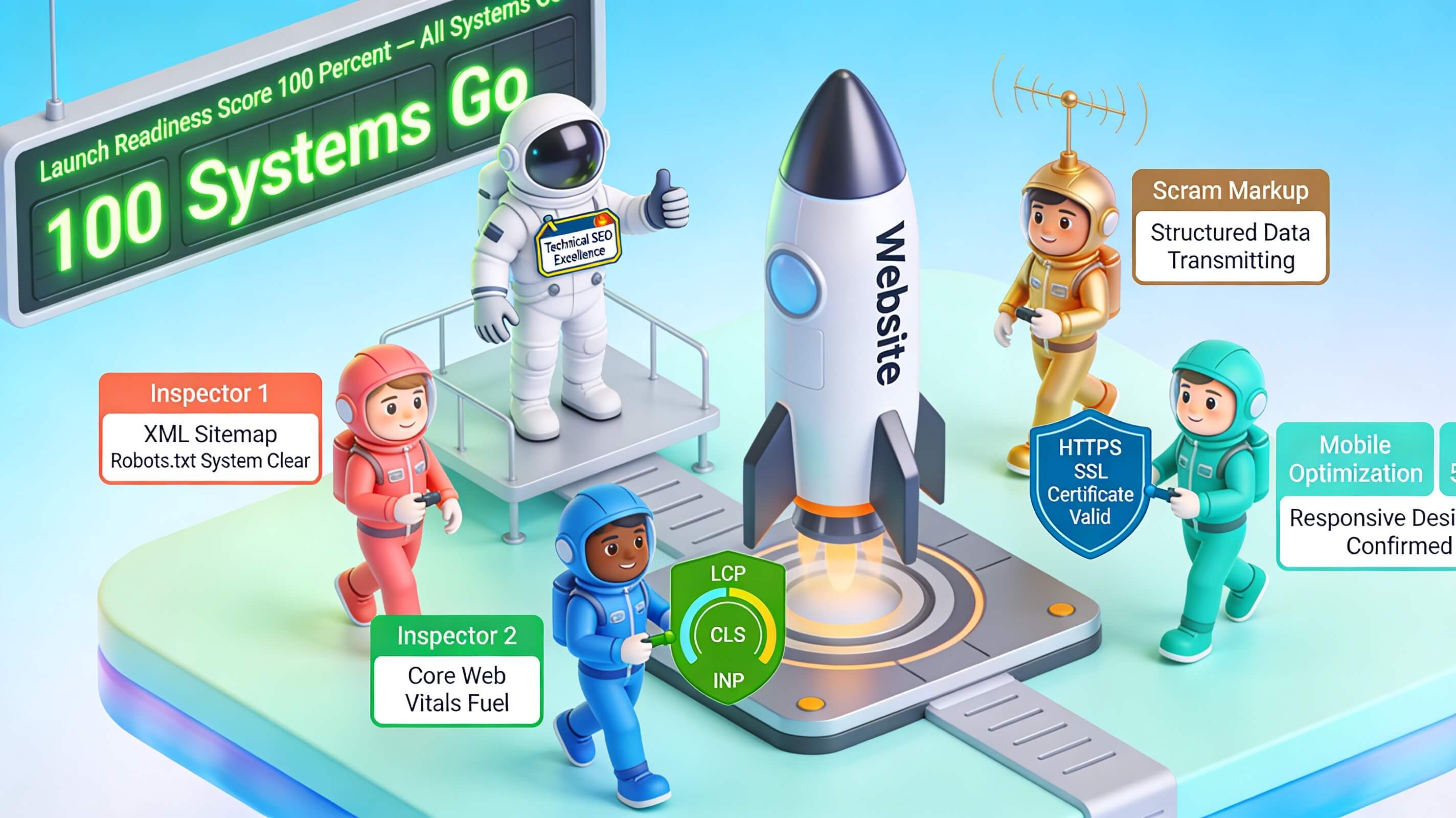
Finally, a sustainable technical SEO strategy incorporates documentation and knowledge transfer. The best technical SEO services train your in-house team on best practices, provide clear documentation for developer handoff, and establish workflows for ongoing optimization. This ensures that technical SEO becomes part of your organization’s standard operating procedure rather than a one-time project handled by an external agency. I have found that clients who internalize these practices continue to see growth long after the initial engagement ends.
Conclusion
Technical SEO services are not a luxury reserved for enterprise websites with six-figure budgets. They are a fundamental requirement for any website that aspires to rank competitively in today’s search landscape. From crawl optimization and JavaScript rendering to structured data and mobile performance, the technical foundation of your site determines how effectively search engines can discover, interpret, and reward your content. Without addressing these elements, even the most compelling content and aggressive link-building campaigns will fall short of their potential.
Over the past twenty years, I have witnessed countless businesses invest heavily in superficial SEO tactics while ignoring the technical infrastructure that undermines their efforts. The ones that achieved sustained growth were those that partnered with technical SEO services providers who understood the nuance of server logs, rendering pipelines, and indexation dynamics. They recognized that technical SEO is not a checklist to be ticked off in a single audit but an ongoing discipline that requires continuous attention, testing, and refinement. The payoff is compound: each technical improvement multiplies the impact of your content and link-building investments, creating a virtuous cycle of increasing visibility, traffic, and revenue.
If you are serious about achieving technical SEO excellence and maximizing your website’s potential, the next step is straightforward. Audit your current technical health, identify the highest-impact issues, and develop a prioritized roadmap for remediation.

Comments are closed.