
Cart 0

Share
Table of Contents
Semantic SEO: Understanding the Semantics of Search Engine Optimization
Semantic SEO represents the most profound transformation in search engine optimization since the dawn of digital marketing. Rather than chasing isolated keywords, modern search optimization demands a nuanced grasp of language, context, and user intent. Search engines today process queries through natural language processing and machine learning, delivering results that align with what users genuinely mean—not merely the words they type. For digital marketers and website owners pursuing sustainable visibility, mastering Semantic SEO has shifted from optional to essential. This approach requires you to think beyond individual search terms and instead build content ecosystems that answer real questions, solve genuine problems, and demonstrate topical authority. The fundamental premise is straightforward: search engines now prioritize relevance and meaning over mechanical keyword matching. When you optimize semantically, you create signals that help Google, Bing, and other platforms understand your content the way a human reader would. This includes entity recognition, relationship mapping between concepts, and comprehension of user context. In this guide, you will learn how semantic search works, why it matters for your rankings, and exactly how to implement strategies that align with modern search algorithms. You will discover how to conduct research that uncovers user intent, structure your website for maximum semantic clarity, and measure what truly matters. Every technique shared here comes from real-world application and industry-tested methodologies. By the end, you will have a concrete roadmap for transforming your SEO approach from keyword-centric to semantically rich.
The Evolution from Keyword Matching to Semantic Understanding
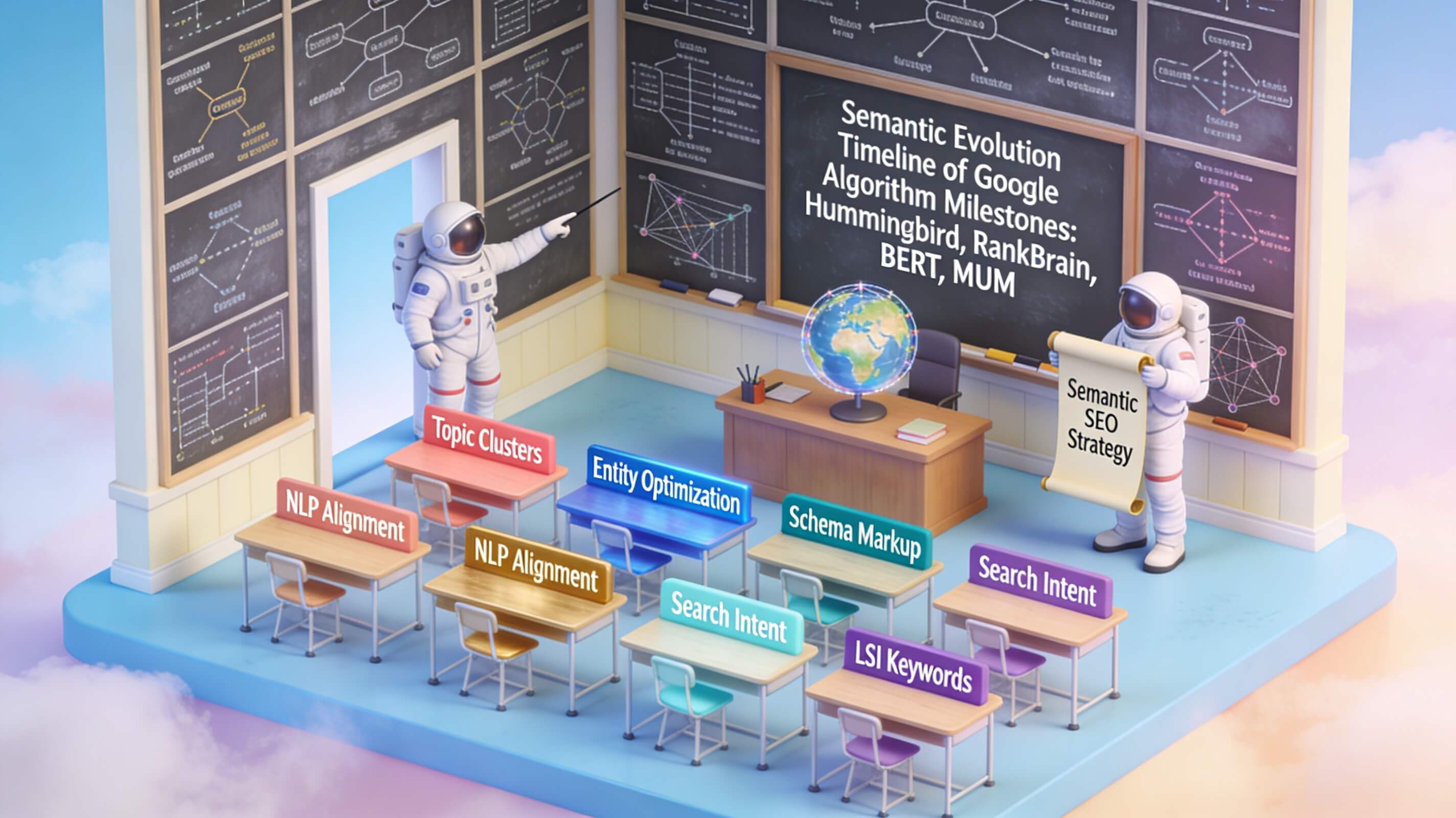
Search engines have come a long way since the days of simple keyword matching. In the early 2000s, Google relied heavily on exact-match keywords and backlink counts to determine rankings. That approach worked reasonably well for basic queries, but it left significant gaps. Users typing ambiguous phrases often received irrelevant results because algorithms lacked the ability to interpret context. The introduction of the Knowledge Graph in 2012 marked a turning point. Google began mapping entities—people, places, things—and the relationships between them. This shift allowed search engines to understand that a search for “Apple” could mean the fruit or the technology company, depending on surrounding terms and user history. Semantic SEO emerged directly from this evolution. Instead of optimizing for isolated keywords, you now optimize for concepts, topics, and entities. Search engines analyze the semantic meaning of your content by evaluating how you connect ideas, the depth of your coverage, and the authoritative sources you reference. For instance, a page about “coffee brewing methods” should naturally include related entities like water temperature, grind size, extraction time, and equipment types. The more comprehensively you cover these associated concepts, the better search engines understand your topical authority. This evolution also shifted focus to co-occurrence—terms that frequently appear together in quality content. Google uses these patterns to infer relevance. When your content consistently pairs “espresso” with “pressure,” “crema,” and “temperature,” it signals deep subject knowledge. The takeaway is clear: modern SEO success depends on building interconnected content clusters that demonstrate expertise rather than assembling pages around scattered keywords.
How Search Engines Interpret Context and User Intent
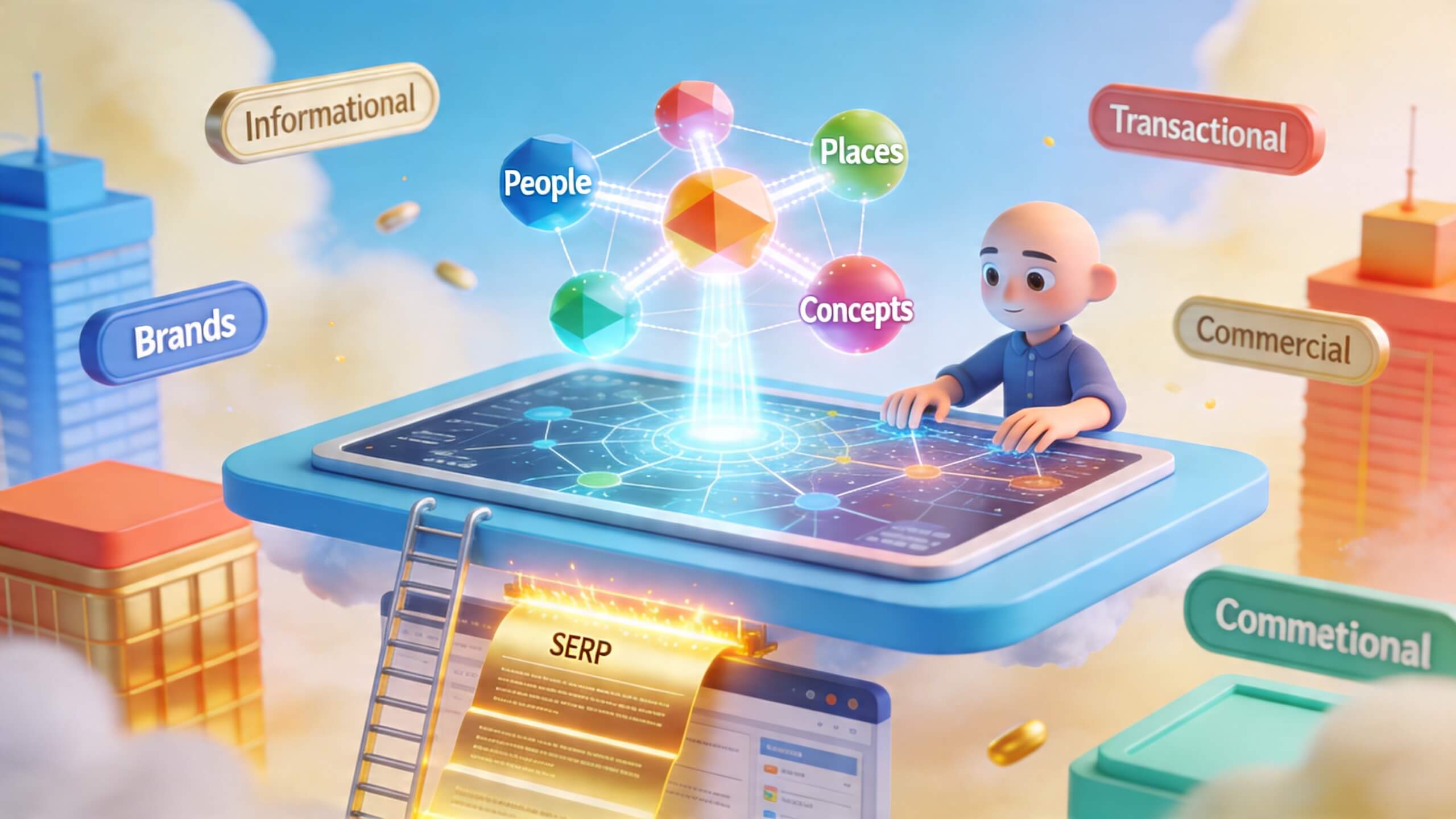
Understanding how search engines interpret context is crucial for effective Semantic SEO. Google employs advanced algorithms like BERT and MUM to analyze the relationships between words in a query. BERT, introduced in 2019, uses bidirectional transformer models to understand the nuance of each word based on surrounding words. For example, the query “can you get medicine for someone pharmacy” differs significantly from “can you get medicine for someone who is sick.” BERT recognizes that the first asks about prescription rules, while the second asks about medical advice. MUM goes further by processing information across multiple languages and formats, including text, images, and video, to provide comprehensive answers. For your SEO strategy, this means you must write for humans first. Avoid keyword stuffing at all costs. Instead, craft content that answers the full range of questions a user might have about a topic. Consider the four types of search intent: informational, navigational, commercial, and transactional. Semantic SEO requires you to map your content to the specific intent behind each query. If someone searches “how to fix a leaking faucet,” they want step-by-step instructions, not a product page for faucet parts. By aligning your content with intent, you improve dwell time, reduce bounce rates, and send positive signals to search engines. Another critical element is entity recognition. Google identifies named entities in your content—people, places, organizations, products—and understands how they relate. When you write about “Michelin-starred restaurants in Lyon,” Google knows Lyon is a city in France and Michelin relates to quality ratings. Structuring your content with clear entity references strengthens your semantic footprint. Use schema markup to explicitly define these relationships for search engines, which we will cover in detail later.
Keyword Research and Topic Clusters for Semantic Relevance
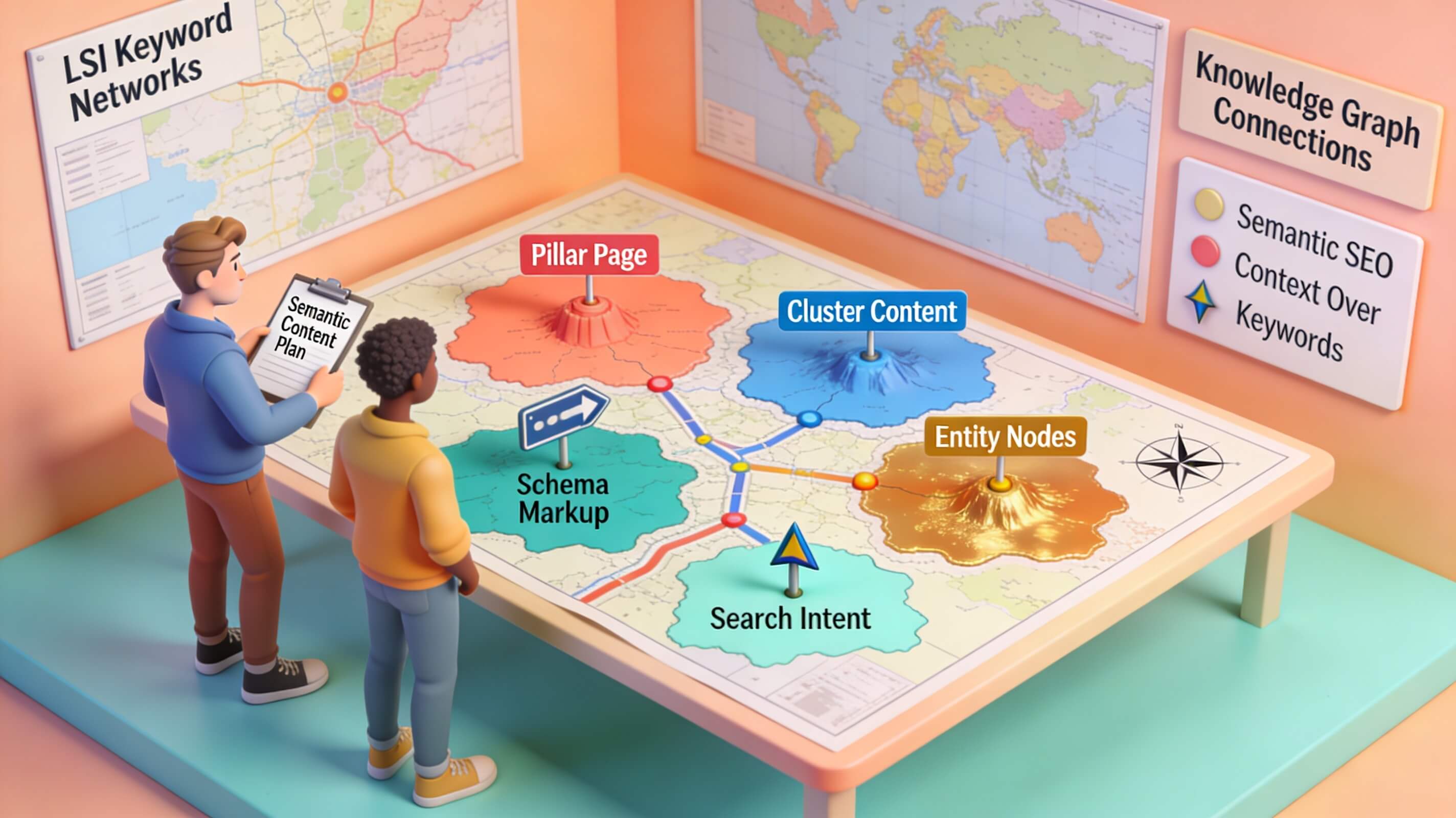
Keyword research in the age of Semantic SEO looks markedly different from traditional approaches. You are no longer hunting for high-volume exact-match phrases to stuff into headers and paragraphs. Instead, you are building topic clusters that demonstrate comprehensive coverage of a subject. Start by identifying your core topic pillar—the broad subject you want to establish authority around. For instance, “digital marketing” could serve as a pillar. Then, create cluster content that explores subtopics like content marketing, email automation, social media analytics, and paid advertising. Each cluster page should link back to the pillar page and to related cluster pages, creating a semantic web of interconnected content. For research tools, use platforms like Ahrefs and SEMrush to identify related terms, questions, and entities that naturally belong together. Look at the “People Also Ask” boxes and related searches on Google to understand what users associate with your topic. Another powerful technique is analyzing the top-ranking pages for your target query. Examine the subtopics they cover, the entities they mention, and the structure they use. This gives you a blueprint for semantic depth. Long-tail keywords are particularly valuable in Semantic SEO because they often carry clear intent. A search for “best running shoes for flat feet with narrow heels” tells you exactly what the user needs. By addressing these specific queries thoroughly, you capture high-intent traffic and demonstrate expertise. Create a semantic keyword map that groups related terms by intent and topical relevance. This map guides your content creation and ensures every piece serves a purpose in your broader semantic strategy.
Structured Data and Schema Markup as Semantic Signals
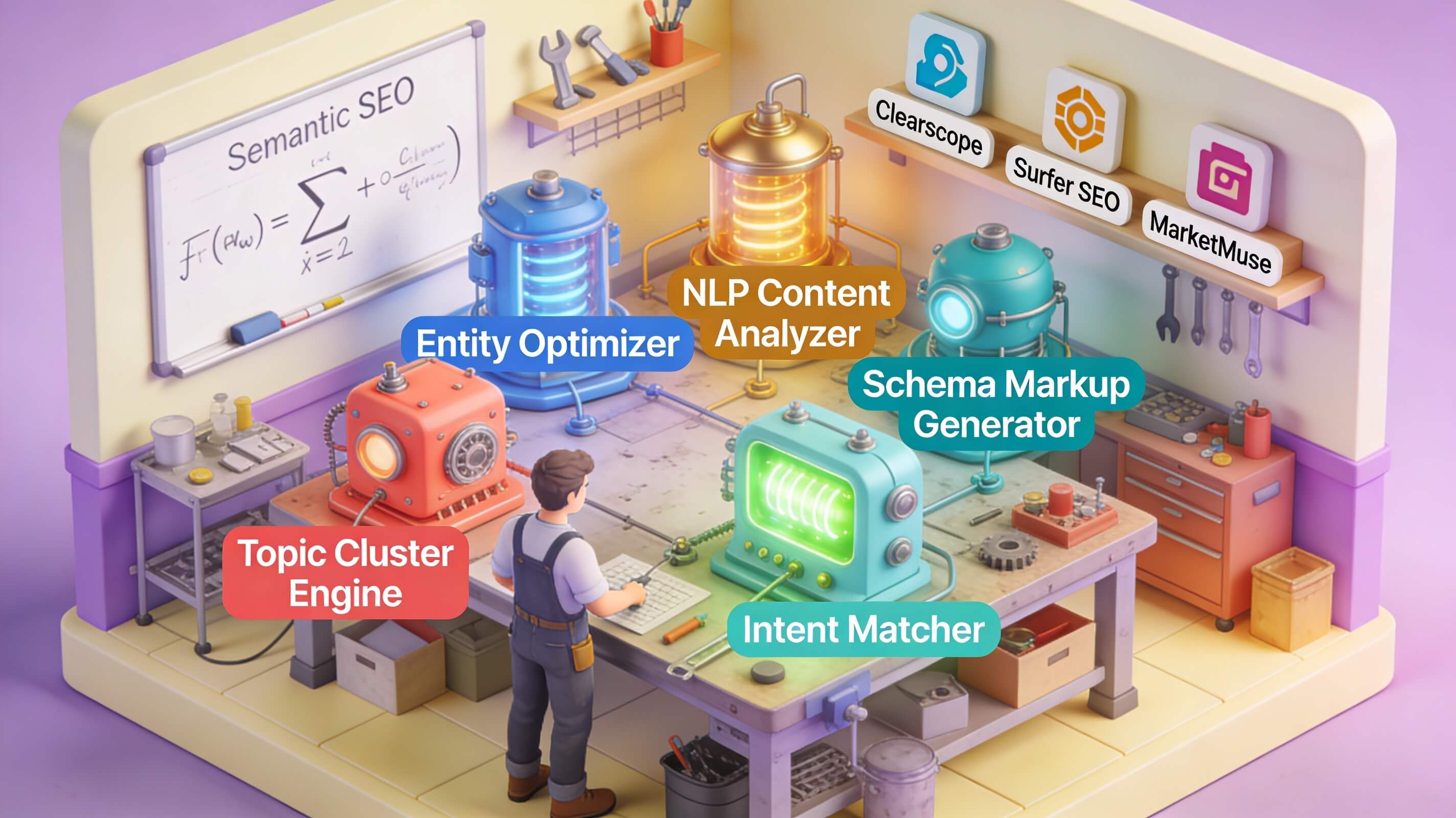
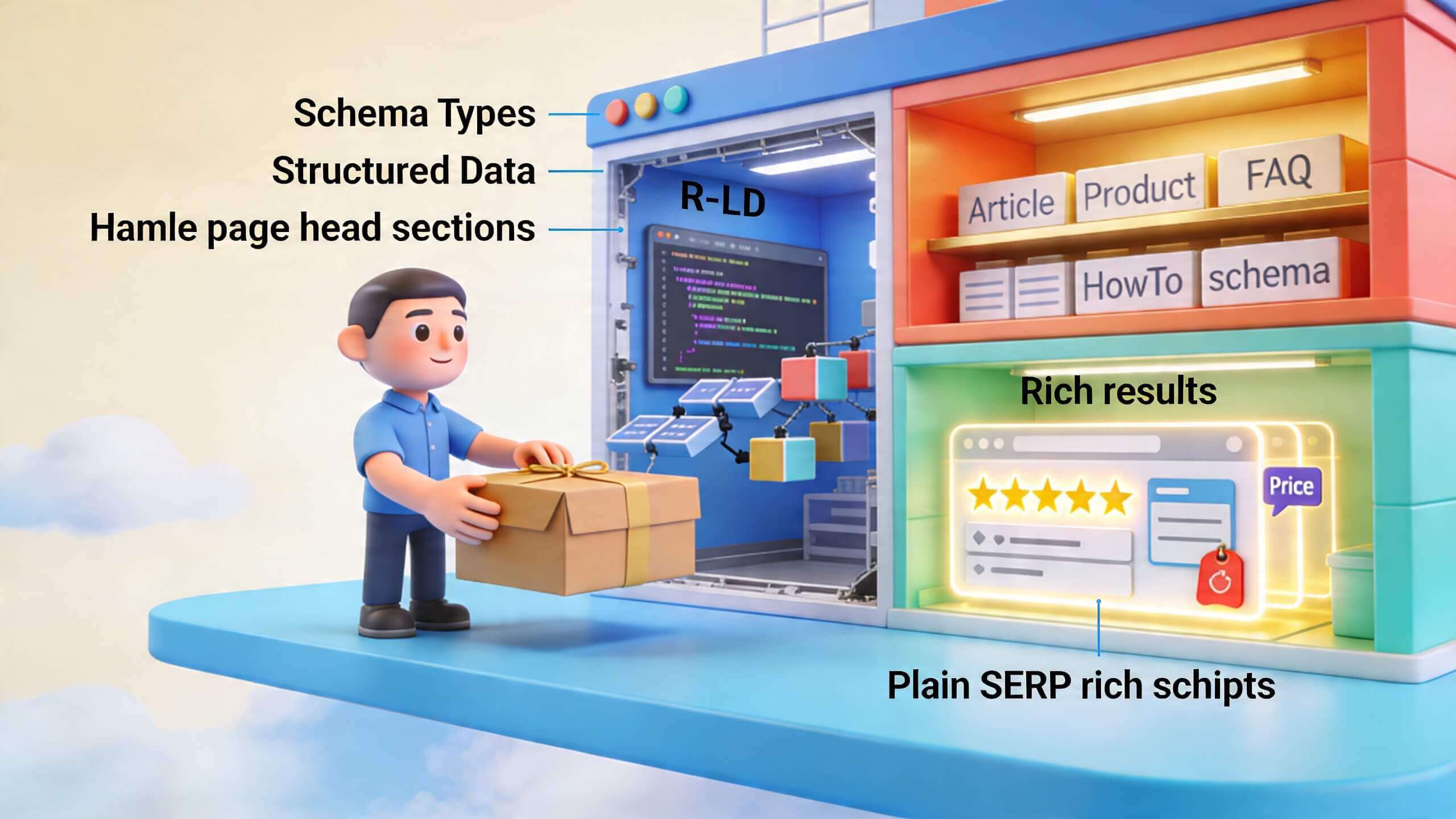
Structured data markup is one of the most direct ways to communicate semantic meaning to search engines. Schema.org provides a standardized vocabulary that allows you to label elements on your page with precise definitions. When you add schema markup, you tell Google exactly what your content represents—whether it is a recipe, a product, an event, a FAQ, or an article. This markup helps search engines understand your content without ambiguity, which directly supports Semantic SEO. For example, if you run a local business, using LocalBusiness schema with address, phone number, and hours helps search engines connect your content to location-based queries. The benefits extend beyond clarity. Structured data enables rich snippets in search results, including star ratings, price ranges, and answer boxes. These enhanced listings attract higher click-through rates and improve visibility. In fact, pages with schema markup often outrank competitors without it, even when other SEO factors are comparable. Implementing schema does not require advanced coding skills. Use Google’s Structured Data Markup Helper to generate the code, or install plugins like Yoast SEO for WordPress that automate basic schema. For more advanced implementation, focus on Article schema for blog posts, Product schema for e-commerce items, and FAQ schema for Q&A content. Test your markup using Google’s Rich Results Test tool to ensure errors do not block your efforts. A common mistake is applying schema inconsistently across your site. Every page should have appropriate markup that reflects its content type. Additionally, use BreadcrumbList schema to show page hierarchy, which reinforces semantic structure for both users and search engines.
| Schema Type | Best For | Key Properties | Rich Result Potential |
|---|---|---|---|
| Article | Blog posts, news articles | headline, datePublished, author | Top stories, rich snippets |
| FAQPage | Q&A content | question, answer | Expanded rich results |
| Product | E-commerce pages | name, price, availability | Price, reviews, stock info |
| LocalBusiness | Local SEO | address, telephone, openingHours | Local pack listings |
| BreadcrumbList | All hierarchical pages | item, position | Breadcrumb trail in SERPs |
Crafting Content That Aligns with Semantic Search Principles
Content creation for Semantic SEO requires a deliberate focus on depth, clarity, and entity relationships. Every piece of content you publish should answer specific questions while naturally incorporating related concepts. Start by identifying the primary entity your page targets. For a page about “Mediterranean diet,” the primary entity is the diet itself. Secondary entities include olive oil, legumes, whole grains, fish, and red wine consumption. Your content should explicitly connect these entities in meaningful ways. For example, explain how olive oil contributes to heart health within the context of the diet. This entity-rich approach helps search engines build a comprehensive picture of your expertise. Another critical aspect is using natural language patterns. Write the way your audience speaks and searches. Voice search has accelerated this trend because users ask complete questions: “What is the best way to store fresh herbs?” rather than typing “store fresh herbs.” Incorporate conversational phrasing throughout your content, but maintain professionalism and accuracy. Include definitions of key terms early in your article to establish context. When you define “semantic relevance” in your own words, search engines recognize that your page is a valuable resource for users seeking that definition. Aim for comprehensive coverage that exceeds the minimum. If competing articles cover five subtopics, cover eight or nine with original insights, data points, or expert analysis. This depth signals authority and keeps users engaged longer. Use internal links to connect related content, reinforcing your site’s semantic structure. Every internal link acts as a relationship statement: “this topic connects to that topic.” When done systematically, internal linking creates a knowledge graph within your domain that search engines can crawl and understand.
User Experience and Technical SEO in a Semantic Framework
User experience has become inseparable from Semantic SEO. Search engines interpret user behavior signals as indicators of content quality and relevance. Metrics like dwell time, bounce rate, and pages per session tell Google whether your content satisfies the intent behind the query. If users land on your page and quickly return to search results, it signals a mismatch. Therefore, optimizing user experience directly supports your semantic optimization efforts. Fast loading speed is non-negotiable. Google’s Core Web Vitals measure loading performance, interactivity, and visual stability. Aim for Largest Contentful Paint under 2.5 seconds, First Input Delay under 100 milliseconds, and Cumulative Layout Shift under 0.1. These metrics affect rankings directly and indirectly through user satisfaction. Mobile responsiveness is equally critical. Over 60% of searches now occur on mobile devices, and Google uses mobile-first indexing. Your semantic markup, content structure, and entity relationships must work seamlessly on smaller screens. Navigation clarity also plays a role. A logical site hierarchy helps both users and search engines understand how your content relates. Use descriptive category names, breadcrumbs, and clear menu labels. This structure reinforces the semantic relationships you have built through your content. For technical SEO, pay attention to canonical tags, robots.txt, and sitemap files. Ensure search engines can efficiently crawl and index your semantically rich pages. Use the Yoast SEO plugin or Rank Math to manage these elements in WordPress. Another often overlooked factor is page structure. Use header tags in proper order—H1 for the title, H2 for main sections, H3 for subsections. This hierarchy communicates the relative importance of each topic segment and helps search engines parse your content logically.
Measuring the Impact of Your Semantic SEO Strategy
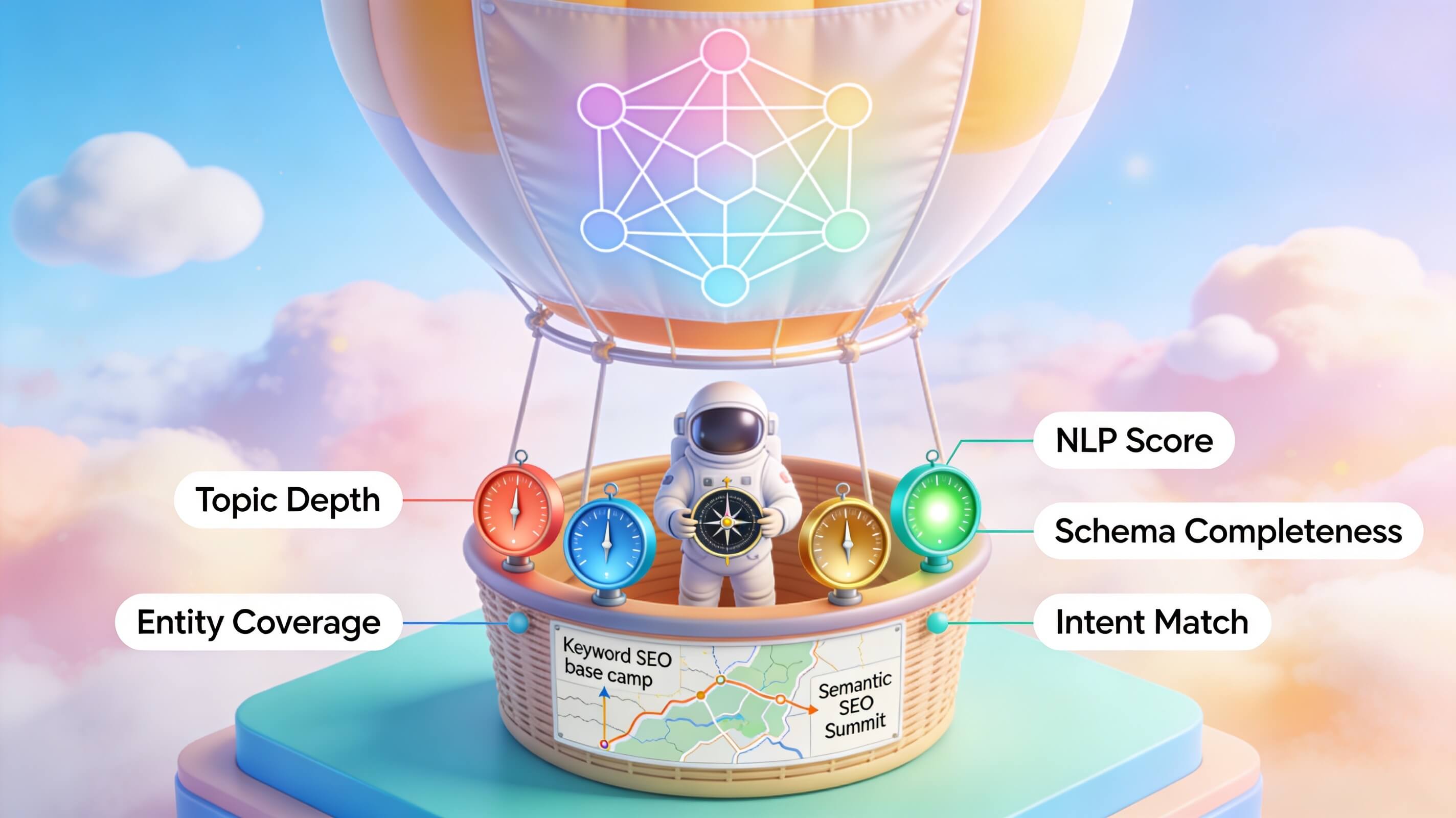
Measuring success in Semantic SEO requires metrics that reflect user engagement and content relevance rather than vanity numbers. Start with organic search traffic from targeted queries, but dig deeper into the quality of that traffic. Analyze which pages rank for informational queries versus transactional ones. Pages that attract high dwell time and low bounce rates indicate strong semantic alignment. Track featured snippet acquisition as a direct measure of semantic success. When Google pulls your content into a featured snippet, it confirms that your page provides the most concise, relevant answer for that query. Use tools like Moz and Search Engine Journal to monitor snippet appearances. Another key metric is keyword movement for semantically related terms. If you optimize for a core topic, you should see ranking improvements for associated long-tail variations over time. For example, a well-optimized page about “intermittent fasting” might start ranking for “time-restricted eating benefits” and “16:8 fasting schedule.” This spread indicates that search engines understand your topical authority. Monitor entity associations using Google’s Natural Language API demo. Paste your content into the tool to see which entities and categories Google identifies. If the detected entities match your target topic, your semantic optimization is working. If not, adjust your content to strengthen entity signals. Track click-through rates from search results. Rich snippets often drive higher CTRs, but the relationship between your title tag and user intent matters more. Use the Google Search Console to identify queries with high impressions but low CTR, then refine your meta descriptions and title tags to better match intent. Finally, measure conversion rates from semantic traffic. The ultimate goal is not just ranking but relevance that drives action. Create custom reports in Google Analytics that track goal completions from organic traffic segments.
Preparing for the Future of Semantic Search
The future of semantic search will bring even deeper integration of artificial intelligence, natural language understanding, and personalized context. Google’s MUM model, announced in 2021, can understand information across languages and formats. This means your content may be evaluated for its ability to answer questions in multiple languages or through video and image content simultaneously. Semantic SEO strategies must evolve to include multimedia optimization. Label images with descriptive alt text that reflects the entity and context within the image. Create video transcripts that include your target entities and their relationships. Another emerging trend is search without explicit queries. Google’s Multitask Unified Model can generate answers without users typing complete queries, anticipating needs based on context and past behavior. This makes semantic depth even more critical because your content must be discoverable through passive recommendations, not just active searches. The rise of AI-generated content also presents both opportunities and risks. While tools can help scale content creation, they often lack the nuanced entity relationships and expert insights that search engines increasingly reward. Your competitive advantage lies in original research, data-driven analysis, and genuine expertise that cannot be easily replicated. Focus on building topical authority through comprehensive content clusters that evolve over time. Regularly update your pillar pages with fresh information, new studies, and updated statistics. Search engines reward content that remains current and accurate. Also, pay attention to E-E-A-T—Experience, Expertise, Authoritativeness, and Trustworthiness. This framework, rooted in Google’s Search Quality Evaluator Guidelines, directly impacts rankings for YMYL topics. Demonstrate experience by sharing real-world case studies and practical insights from your work. Cite authoritative sources and link to reputable studies. For instance, reference research from Google’s SEO guide to support your claims. Building a personal brand through thought leadership also strengthens the author entity behind your content.
Conclusion
Semantic SEO is not a passing trend or a niche tactic—it represents the fundamental direction of search engine technology. As algorithms grow more sophisticated in understanding language, context, and user intent, the old playbook of keyword stuffing and backlink chasing becomes obsolete. The strategies outlined in this guide form a complete framework for achieving sustainable visibility in today’s search landscape. You now understand how to shift from keyword-centric thinking to entity-based optimization, how to structure content clusters that demonstrate topical authority, and how to use schema markup to explicitly communicate meaning to search engines. You have learned that user experience directly influences semantic relevance through engagement signals, and that measuring success requires metrics tied to intent satisfaction rather than vanity counts. The future demands continuous learning and adaptation. Embrace AI tools as assistants, but never lose sight of the human reader. The most semantically rich content comes from genuine expertise and a commitment to answering real questions. Start by auditing your existing content. Identify gaps in entity coverage and opportunities to build connected topic clusters. Implement structured data across your site systematically. Monitor your results using the metrics and tools discussed, and refine your approach based on data. This is not a one-time fix but an ongoing process of improvement. The rewards, however, are substantial. Higher rankings, improved click-through rates, lower bounce rates, and more qualified traffic all follow from a well-executed semantic strategy.
Comments are closed.