
Cart 0

Share
Table of Contents
Questionable Content: Evaluating Content Credibility in the Digital Age
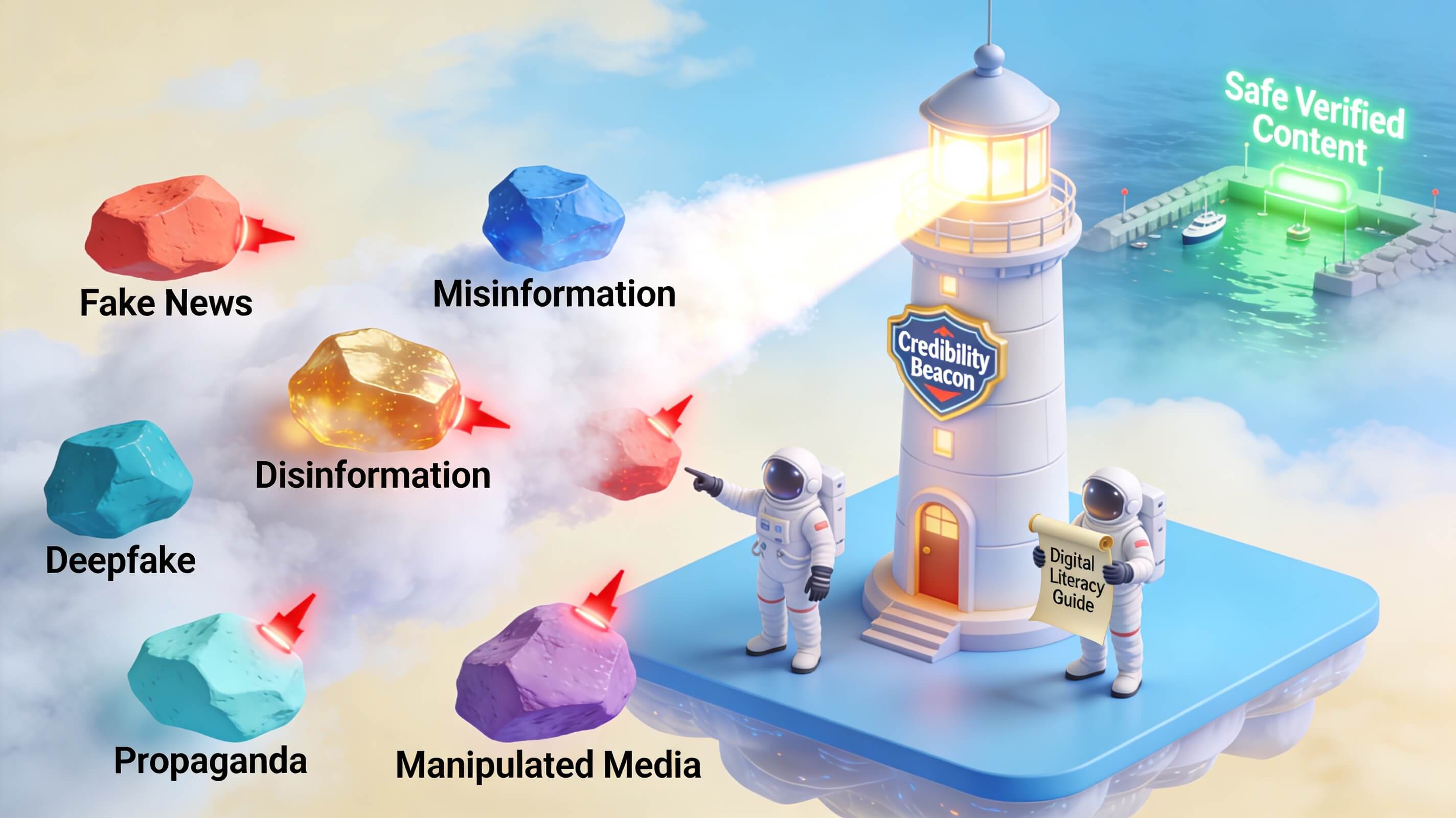
Every day, millions of pieces of digital content flood our screens, from social media posts to news articles and blog entries. The challenge of evaluating content credibility has never been more pressing. With the explosion of questionable content across platforms, distinguishing reliable information from misleading material requires deliberate effort. In this comprehensive guide, I will share strategies honed over two decades of digital media analysis to help you navigate this complex landscape. The ability to identify questionable content is not merely a skill—it is a necessity for informed decision-making in today’s information ecosystem. Whether you are a student, professional, or casual consumer, understanding how to evaluate what you read online protects you from misinformation and empowers you to engage critically with digital resources.
Poor information hygiene can lead to flawed conclusions, reputational damage, and even real-world harm. From health misinformation to political propaganda, the consequences of consuming unverified content are far-reaching. This article equips you with practical frameworks, reliable tools, and expert insights to strengthen your digital literacy and assess content credibility with confidence.
Understanding Questionable Content and Its Impact
Questionable content encompasses any material that lacks factual accuracy, relies on exaggerated claims, or intentionally misleads readers. Understanding questionable content requires recognizing its various forms, which include fabricated news stories, manipulated images, biased opinion pieces presented as objective reporting, and unsubstantiated health advice. The proliferation of such material on digital resources has eroded public trust in media and institutions.
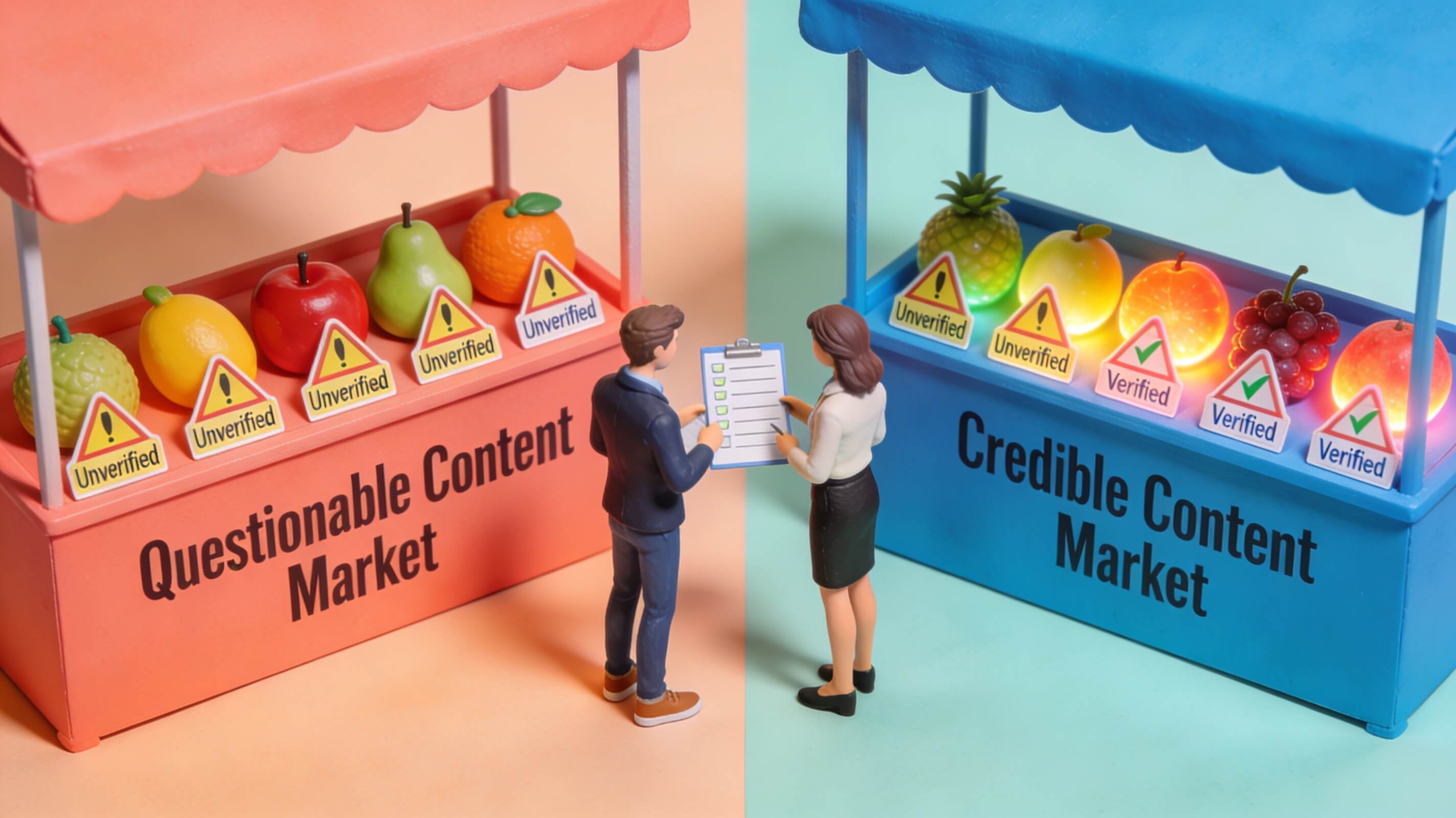
Research from the Pew Research Center indicates that roughly two-thirds of U.S. adults report encountering made-up news online, and nearly half struggle to distinguish factual reporting from commentary. This confusion creates fertile ground for content credibility crises. When evaluating questionable content, you must examine the publication’s track record, the author’s expertise, and the evidence supporting claims. A legitimate news outlet typically publishes corrections when errors are identified, maintains transparent editorial policies, and provides clear attribution for sources. In contrast, purveyors of questionable content often avoid accountability and lack editorial oversight.
The psychological impact is equally concerning. Repeated exposure to questionable content can lead to cynicism, where individuals begin to distrust all information sources, including legitimate ones. This phenomenon, known as “information fatigue,” undermines democratic discourse and public health efforts. By developing robust evaluation skills, you can protect yourself from these harmful effects and contribute to a healthier information environment.
Identifying Reliable Sources: The Foundation of Content Credibility
Before diving into specific evaluation techniques, establishing criteria for reliable sources is essential. A reliable source demonstrates source reliability through consistent accuracy, transparent funding, and adherence to journalistic standards. Major news organizations like Reuters, the Associated Press, and the BBC maintain strict editorial guidelines. When assessing an unfamiliar website, look for an “About Us” page that discloses ownership, funding sources, and editorial mission. Credible outlets invite scrutiny; dubious ones hide their origins.
For academic or technical topics, peer-reviewed journals remain the gold standard. However, many legitimate publications bridge the gap between academic research and public understanding, such as The Conversation, which features articles written by academics and edited by professional journalists. Similarly, NPR provides thorough fact-checking and editorial oversight. When evaluating controversial websites, consider whether the content cites specific, verifiable sources or relies on anonymous claims. A site that consistently links to primary documents, references reputable studies, and acknowledges opposing viewpoints demonstrates higher content credibility.
Another critical factor is timeliness. Information that was accurate six months ago may now be outdated, especially in fast-moving fields like medicine or technology. Check publication dates and look for updated versions of articles. A responsible publisher will clearly mark updates or corrections. This attention to detail separates trustworthy digital resources from questionable content that often goes stale without revision.
Recognizing Red Flags in Digital Content
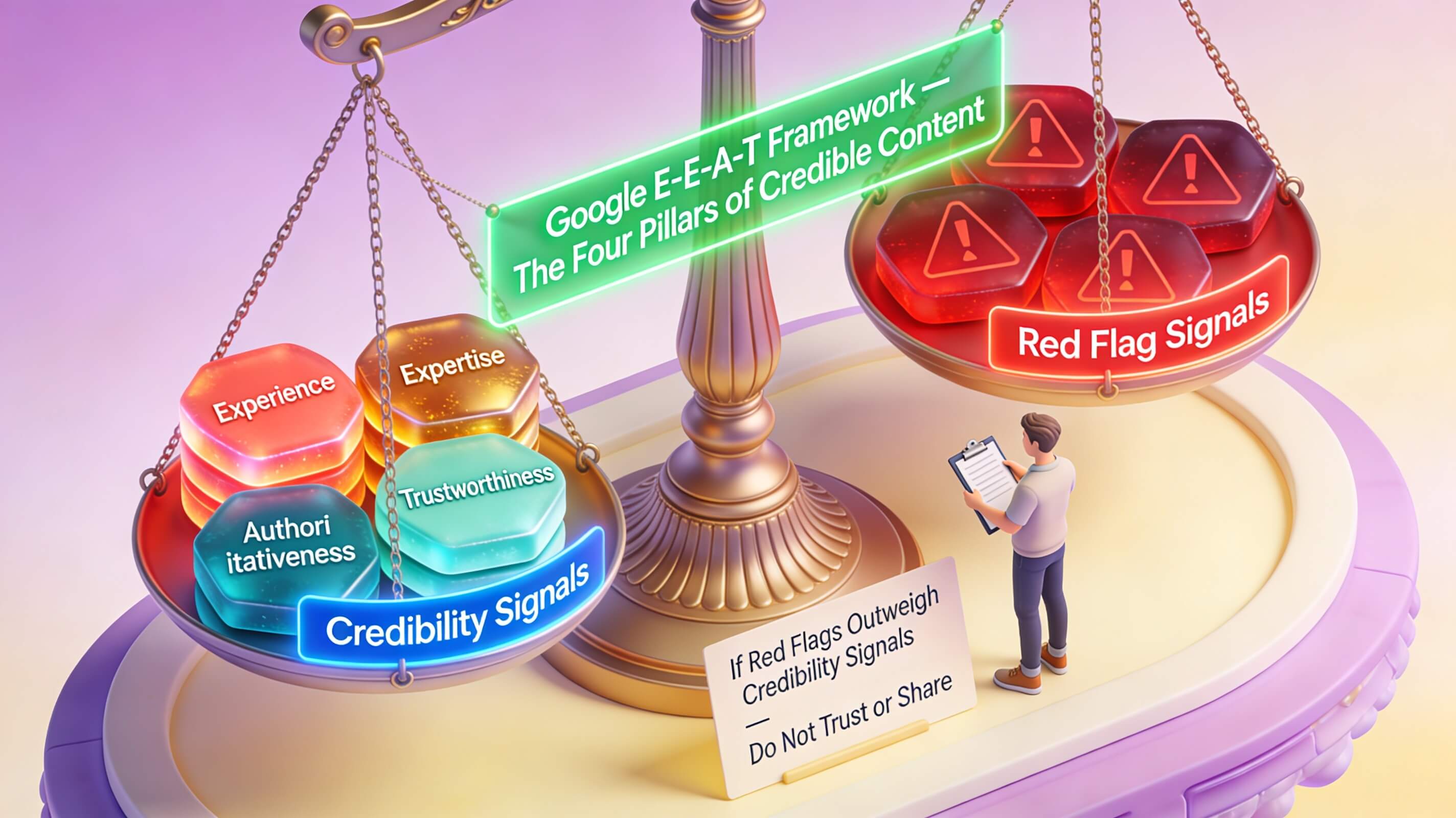
Experienced digital media analysts have identified consistent patterns that signal questionable content. First, examine the headline. Sensationalized headlines that use all caps, exclamation points, or emotionally charged language are designed to provoke clicks rather than inform. If the headline makes an extraordinary claim, the article likely exaggerates or distorts the truth. Second, evaluate the author’s credentials. Does the author have relevant expertise? A piece on climate change written by a political commentator without scientific background should raise suspicion. Reputable publications provide author bios with credentials and links to previous work.
Third, scrutinize the evidence presented. Legitimate articles support claims with data, expert quotes, and references to primary sources. Questionable content often relies on anecdotal evidence, unnamed sources, or circular reasoning. Cross-referencing claims with trusted sources like Snopes or FactCheck.org can quickly reveal inaccuracies. Fourth, check the website’s design and functionality. While not definitive, professional-looking sites with functioning links, proper grammar, and clear navigation tend to invest more in credibility. Shoddy design often accompanies questionable content.
Finally, consider the emotional response the content elicits. Misinformation strategically triggers anger, fear, or outrage to bypass critical thinking. If you feel a strong emotional reaction, pause and verify before sharing. This metacognitive pause is a powerful tool against manipulation. By internalizing these red flags, you can more effectively identify questionable content and protect yourself from its influence.
Evaluating Controversial Websites and Debatable Topics
Controversial websites often mix true information with falsehoods to appear credible. This tactic, known as “truth sandwiching,” makes the entire package more believable. When evaluating such sites, apply the “three-source rule”: find two independent, reputable sources that corroborate a claim before accepting it. For debatable subject matter like political policy or historical reinterpretation, seek out primary documents. Government databases, court rulings, and academic archives provide unfiltered evidence.
Navigating debatable subject matter also requires understanding bias. Every source has some bias, but the degree matters. A source that openly acknowledges its perspective and still adheres to factual accuracy is more trustworthy than one that pretends to be objective while pushing an agenda. The Media Bias/Fact Check website offers detailed analyses of thousands of news sources, rating them on bias and factual accuracy. Use this tool to calibrate your assessment of controversial websites.
When discussing sensitive issues online, prioritize civil discourse. Engage with those who disagree by asking clarifying questions rather than making accusations. This approach not only yields better information but also models responsible digital citizenship. Remember that the goal is not to win arguments but to arrive at well-supported conclusions. By developing these habits, you strengthen your ability to discern content credibility even in polarized environments.
Assessing Content Credibility: A Structured Framework
To systematize your evaluation, I recommend a four-step framework that addresses author credentials, source reliability, information accuracy, and bias recognition. This framework transforms abstract judgment into concrete action.
| Credibility Factor | What to Check | Red Flags | Green Flags |
|---|---|---|---|
| Author Credentials | Education, experience, publications in the field | Anonymous, irrelevant background, no publication history | Academic affiliation, peer-reviewed work, recognized expertise |
| Source Reliability | Editorial standards, correction policy, funding transparency | No “About Us,” no corrections policy, hidden ownership | Clear policies, known reputation, independent ownership |
| Information Accuracy | Cited sources, data verification, expert quotes | Unsupported claims, vague references, outdated data | Primary sources, recent data, multiple corroborating sources |
| Bias Recognition | Language tone, selective coverage, framing | Loaded language, omission of opposing views, ad hominem attacks | Balanced presentation, acknowledgment of limitations, civil tone |
Apply this table every time you encounter questionable content. For example, if a health article claims a miracle cure, check the author credentials first. Does the author hold a medical degree or have published research on the topic? Move to source reliability: is the website affiliated with a hospital or university? Then verify information accuracy: does the article cite clinical trials with links? Finally, assess bias: does the piece present alternative treatments dismissively or fairly? This systematic process prevents emotional reactions from overriding rational evaluation.
Reliable Fact-Checking Resources and Digital Tools
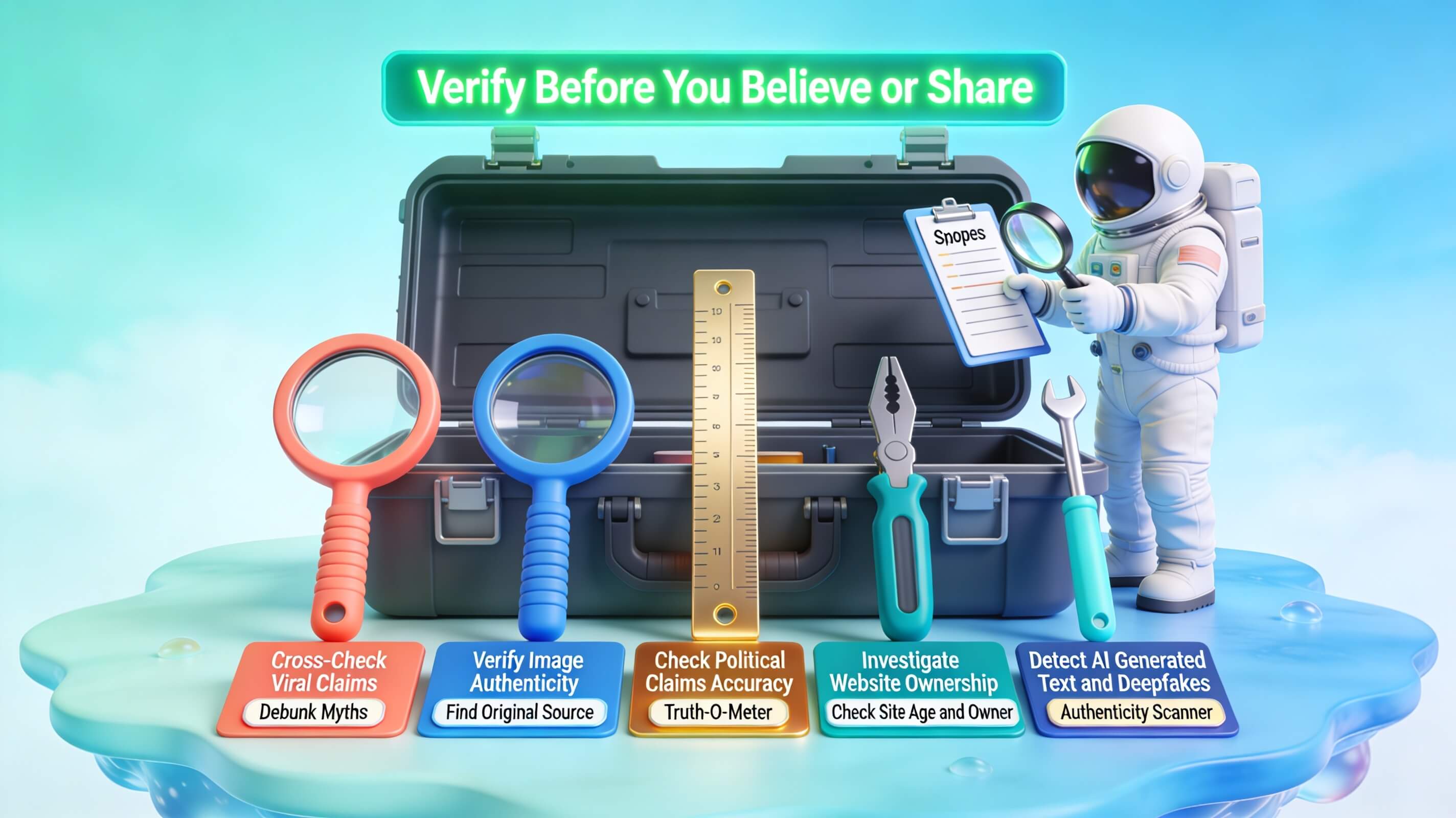
Arming yourself with reliable fact-checking resources dramatically improves your ability to evaluate questionable content. Beyond Snopes and FactCheck.org, consider using PolitiFact for political claims and health-specific checkers like Health Feedback. The International Fact-Checking Network at the Poynter Institute maintains a directory of verified fact-checkers worldwide, which is invaluable for international stories.
Browser extensions can also streamline your evaluation. NewsGuard provides trust ratings for thousands of news websites, while the WOT (Web of Trust) extension aggregates user reviews about site reliability. These tools are not infallible but serve as helpful first filters. For image verification, TinEye allows reverse image searches to trace the original source of photos, revealing if they have been altered or taken out of context.
When using these resources, understand their limitations. Fact-checkers can sometimes lag behind breaking news, and partisan checkers may have their own biases. Therefore, cross-reference multiple fact-checkers for the same claim. If you find consensus across ideologically diverse checkers, the claim is likely false or misleading. This triangulation method is one of the most robust approaches to evaluating questionable content in real-time.
For deeper investigation, academic databases like Google Scholar and PubMed provide access to peer-reviewed studies. While these require more effort to navigate, they offer definitive evidence on scientific and scholarly questions. Incorporating these resources into your research habits elevates your content credibility assessment from guesswork to informed analysis.
Practicing Digital Literacy and Promoting Media Education
Developing digital literacy is an ongoing process that requires intentional practice. Start by curating your information diet. Follow diverse, reputable sources and periodically audit who you follow on social media. Unfollow accounts that consistently share questionable content, as repeated exposure normalizes misinformation. Second, practice lateral reading—a technique used by professional fact-checkers. Instead of staying on the questionable website to evaluate it, open new tabs to research the source and claims independently. This method is more effective than vertical reading (scrolling down the same page) for identifying misinformation.
Third, engage in reflection after consuming news. Ask yourself: What did I learn? What evidence supported the main claim? Are there alternative interpretations? This metacognitive habit strengthens your critical thinking muscles. For parents and educators, promoting media literacy education is crucial. Integrate lessons on source evaluation into school curricula from elementary grades onward. The News Literacy Project offers free resources for educators, including lesson plans and interactive games that teach these skills effectively.
Community initiatives also play a vital role. Libraries and civic organizations can host workshops on digital literacy, creating spaces for adults to learn these skills. In my experience consulting with schools and nonprofits, the most successful programs combine theoretical knowledge with hands-on practice. Participants who actively evaluate sample articles during workshops retain skills far longer than those who only receive lectures. This participatory approach should be the standard for media literacy education in the digital age.
Addressing Inappropriate Material and Protecting Well-Being
Encountering inappropriate material, including offensive content or harassment, requires immediate action. Most platforms provide reporting mechanisms—use them. When you report questionable content, you not only protect yourself but also help algorithms learn to suppress harmful material. For persistent harassment from specific accounts, blocking and muting features are your first line of defense. Do not hesitate to curate your online environment aggressively.
Protecting your mental health is equally important. Research published in the Journal of Medical Internet Research shows that repeated exposure to online toxicity increases symptoms of anxiety and depression. Set boundaries around news consumption: limit scrolling to specific times, turn off push notifications from news apps, and take regular “digital detox” breaks. If you feel overwhelmed after encountering distressing material, speak with a trusted friend or consider professional counseling. Your well-being must take precedence over staying informed.
Finally, recognize that addressing questionable content is a collective responsibility. By reporting, blocking, and sharing accurate information, you contribute to a safer digital ecosystem. Every action you take—whether correcting a friend’s misconception publicly or privately, or amplifying verified sources—reinforces norms of accuracy and respect.
Featured Snippet: How to Evaluate Content Credibility in Three Steps
For quick reference, follow this concise three-step process when you encounter questionable content:
Step 1: Investigate the source. Open a new tab and search for the website’s name along with the word “bias” or “credibility.” Check Media Bias/Fact Check or NewsGuard for ratings. Look for an “About Us” page that discloses funding and editorial policies. If the site lacks transparency, treat its claims with extreme skepticism.
Step 2: Verify the evidence. Identify the core claim of the article. Search for that claim on FactCheck.org or Snopes. If the claim references a study, look up the study on PubMed or Google Scholar. Check if independent, reputable news outlets report the same story. If you cannot find corroboration from multiple reliable sources, the claim is likely questionable.
Step 3: Check your own bias. Ask yourself whether you want the information to be true. Confirmation bias makes us more likely to accept claims that align with our beliefs. Force yourself to consider counterarguments and seek out opposing viewpoints. If the content triggers a strong emotional reaction, pause for at least an hour before sharing or acting on the information.
Conclusion
The ability to evaluate questionable content is one of the most important skills for navigating modern life. In an environment where misinformation spreads faster than facts, each of us must become a critical gatekeeper of the information we consume and share. By applying the frameworks and resources discussed in this article, you can strengthen your capacity to assess content credibility with precision and confidence. Remember that this is not a one-time effort but a continuous practice. The digital landscape evolves rapidly, and so must our evaluation strategies.
I urge you to take immediate action: bookmark the fact-checking resources provided, share this article with someone who would benefit from these insights, and commit to verifying one questionable claim per week. Small, consistent actions compound into significant digital literacy gains. If you run a business or manage content strategies, integrate these evaluation standards into your team’s workflows. The return on investment—in reputation, trust, and accurate decision-making—is immense.
Stay curious, stay skeptical, and always seek the truth behind the headline. The health of our information ecosystem depends on your vigilance.