Cart 0

Share
Table of Contents
Increase Website Traffic with Web Optimization
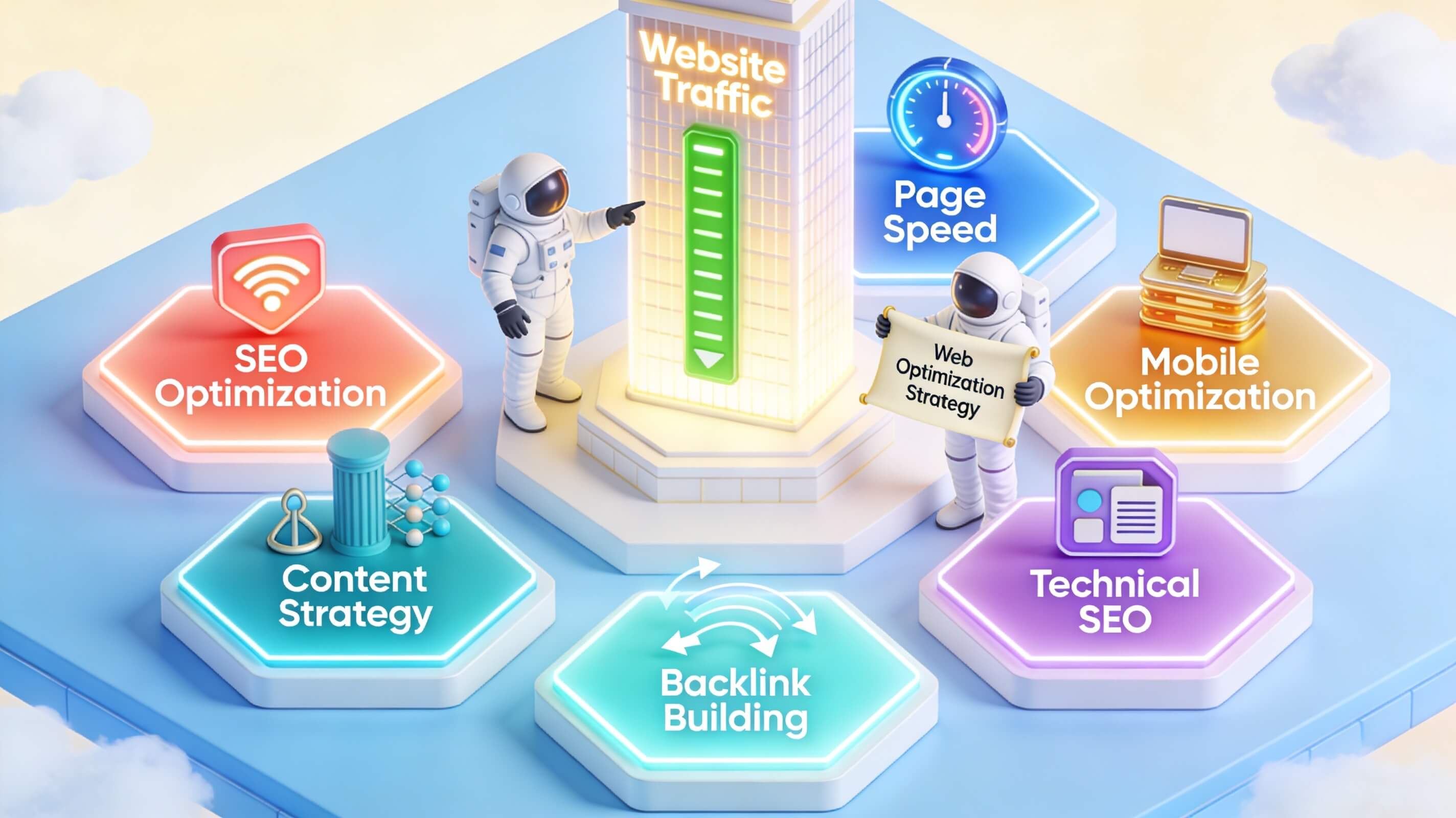
To truly increase website traffic with web optimization in 2024, you must move beyond surface-level tactics and embrace a holistic, data-driven methodology. The simple truth is that organic search remains the single largest driver of high-intent traffic, accounting for over 53% of all trackable website visits according to BrightEdge research. This means your ability to capture and retain that traffic hinges on a finely tuned machine where technical performance, content relevance, user experience, and search engine signals work in perfect harmony. A website that loads slowly, fails on mobile, or offers thin content will never achieve its traffic potential, no matter how much you spend on promotion. This guide provides a comprehensive, expert-level blueprint for transforming your digital presence. We will dissect every critical component—from server response times and structured data to content depth and conversion-focused design—providing actionable steps that lead to sustainable, compounding traffic growth. Forget quick fixes; we are building a foundation for long-term dominance.
The Core Mechanics of Web Traffic Growth
Understanding the fundamental mechanics of web traffic growth is essential before implementing any specific tactic. When you systematically work to increase website traffic with web optimization, you are not just tweaking a few settings; you are activating a series of positive feedback loops. Improved site speed reduces bounce rates, which signals to Google that your content is valuable. High-quality, optimized content earns natural backlinks, boosting your domain authority. Better rankings lead to more visibility, which generates more engagement data that search engines interpret as validation. This compounding effect is why well-optimized websites experience exponential, not linear, traffic growth over time. In contrast, an unoptimized site suffers from a vicious cycle: slow speeds cause high bounce rates, which signals poor quality, leading to lower rankings and even less traffic. The difference between these two paths is the difference between a business that struggles for every visitor and one that attracts a steady stream of qualified leads organically. The ROI of organic traffic is also superior; organic visitors convert at an average rate of 2.7% to 3.75%, often outperforming paid traffic despite having a lower customer acquisition cost. This superior return on investment makes mastering optimization a non-negotiable priority for any serious business.
Technical Optimization: The Non-Negotiable Foundation
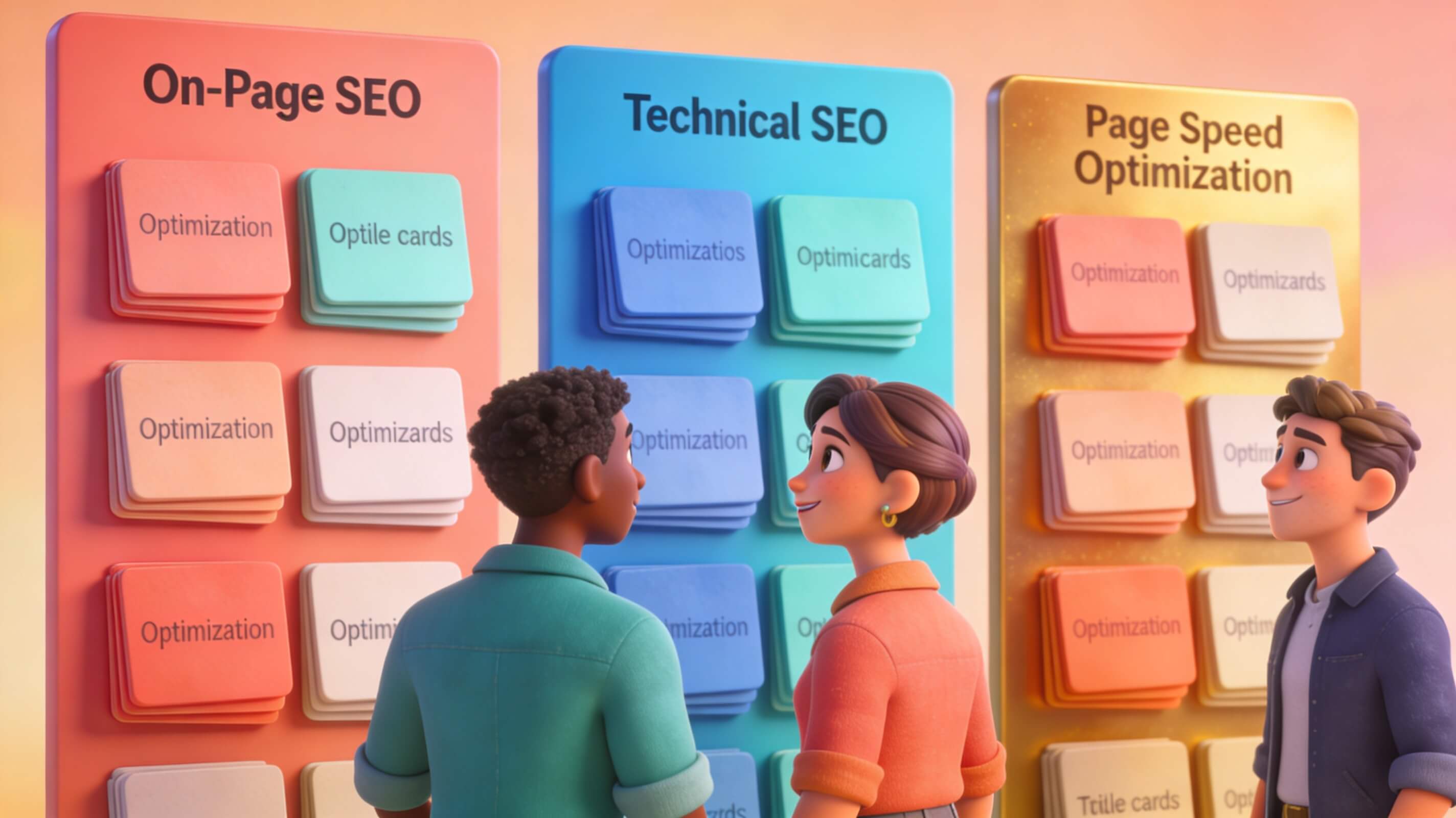
Before you write a single word of content, your website’s technical infrastructure must be flawless. Technical optimization is the bedrock upon which all other efforts to increase website traffic with web optimization are built. A slow, broken, or un-crawlable site will sabotage even the most brilliant content strategy. This section covers the critical technical elements that demand immediate attention.
Mastering Website Speed and Performance
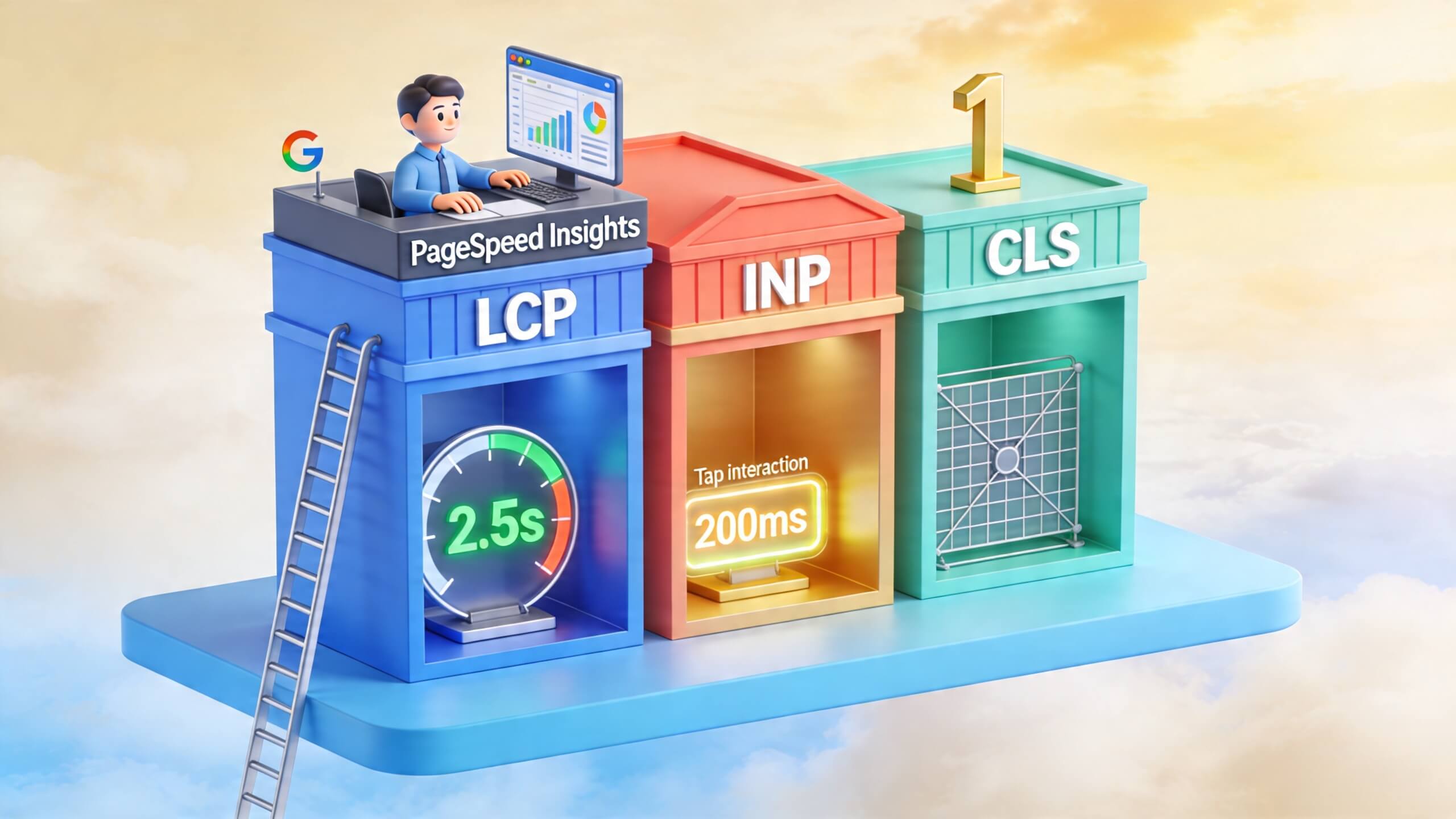
Page speed is a direct ranking factor and a primary driver of user experience. Research from Google shows that as page load time increases from one second to five seconds, the probability of a user bouncing increases by 90%. The impact is staggering: a 322% increase in visitor abandonment. To combat this, you must implement a multi-pronged speed optimization strategy. Start by minimizing HTTP requests by combining CSS and JavaScript files. Then, optimize all images using modern formats like WebP and compress them without sacrificing quality. Leverage browser caching to store static resources locally for returning visitors. Utilize a Content Delivery Network (CDN) to serve your content from servers geographically closer to your users, drastically reducing latency. Finally, minify your HTML, CSS, and JavaScript to remove unnecessary characters. The results are tangible. For example, Renault reduced its largest contentful paint (LCP) to under one second, resulting in a 14% drop in bounce rate and a 13% increase in conversions. NDTV improved average page speed by 80%, achieving a 43% reduction in bounce rate. These are not just metrics; they are direct drivers of revenue and user retention.
Mobile-First Optimization for Modern Search
With Google’s mobile-first indexing now the standard, your website’s mobile version is the primary version used for ranking and indexing. If your site is not perfectly optimized for mobile, you are effectively invisible to the majority of web traffic. Mobile optimization is no longer optional; it is a prerequisite for anyone looking to increase website traffic with web optimization. This requires implementing a responsive design that adapts seamlessly to any screen size. Ensure fonts are readable without zooming, touch targets are large enough for fingers, and forms are simplified for easy input. Mobile users are notoriously impatient; they expect instant access and will abandon a slow or clunky mobile experience in seconds. A poor mobile experience leads to high bounce rates, lower dwell time, and ultimately, lower search rankings. Google’s algorithm now penalizes sites that provide a poor mobile experience, regardless of how good the desktop version is. This makes mobile optimization the single most critical technical task for modern SEO.
Structured Data and Crawlability
Structured data markup (using Schema.org vocabulary) is a powerful tool that helps search engines understand the context and relationships within your content. By implementing structured data, you enable rich snippets in search results, which can dramatically improve click-through rates. For example, adding Product schema can display prices, availability, and star ratings directly in the search results. FAQ schema can address multiple user queries simultaneously, and Article schema can signal publication dates and author authority. Furthermore, ensuring your site is easily crawlable is fundamental. An XML sitemap acts as a roadmap for search engine bots, guiding them to all your important pages. Regularly submit your sitemap to Google Search Console to accelerate the discovery of new or updated content. A well-structured sitemap ensures comprehensive indexing and helps fresh content rank faster.
Content Optimization for Organic Traffic Dominance
Once your technical foundation is solid, the next step is to create content that is both user-centric and search-engine-optimized. High-quality, relevant content is the engine that drives long-term organic traffic. The goal is to create resources that are so valuable that users naturally want to share them and link to them. This is the most sustainable way to increase website traffic with web optimization.
Strategic Keyword Research and Implementation
Effective keyword research goes beyond simply finding high-volume terms. It requires understanding the search intent behind each query. Are users looking for information (informational), a specific site (navigational), or ready to buy (transactional)? Tools like Ahrefs, Semrush, and Google Keyword Planner can help you identify these terms, but the real skill lies in analyzing the search engine results pages (SERPs) to understand what type of content currently ranks. Look for long-tail keywords, which are more specific and have lower competition but higher conversion intent. Once you have your keywords, implement them naturally. Avoid keyword stuffing. Instead, place your primary keyword in the title tag, H1 header, and within the first 100 words of your content. Use related terms and synonyms throughout the body to create a rich, topical map. A natural keyword density of 1-2% is a good target for readability.
Developing High-Quality, Authoritative Content
Content quality is the deciding factor between a visitor who stays and converts and one who bounces back to the search results. High-performing content is comprehensive, original, and well-structured. It should answer multiple related questions, provide unique insights or data, and be easy to scan. Use clear subheadings, bullet points, and multimedia elements like images, videos, and infographics to break up text and enhance understanding. Research from HubSpot indicates that articles between 2,250 and 2,500 words tend to attract the highest organic traffic, but length should always serve search intent. A short, direct answer is better than a long, padded article. Your content must demonstrate expertise, authoritativeness, and trustworthiness (E-E-A-T) to rank well in today’s competitive landscape. This means citing credible sources, including author bios, and ensuring your information is accurate and up-to-date.
Content Promotion and Distribution
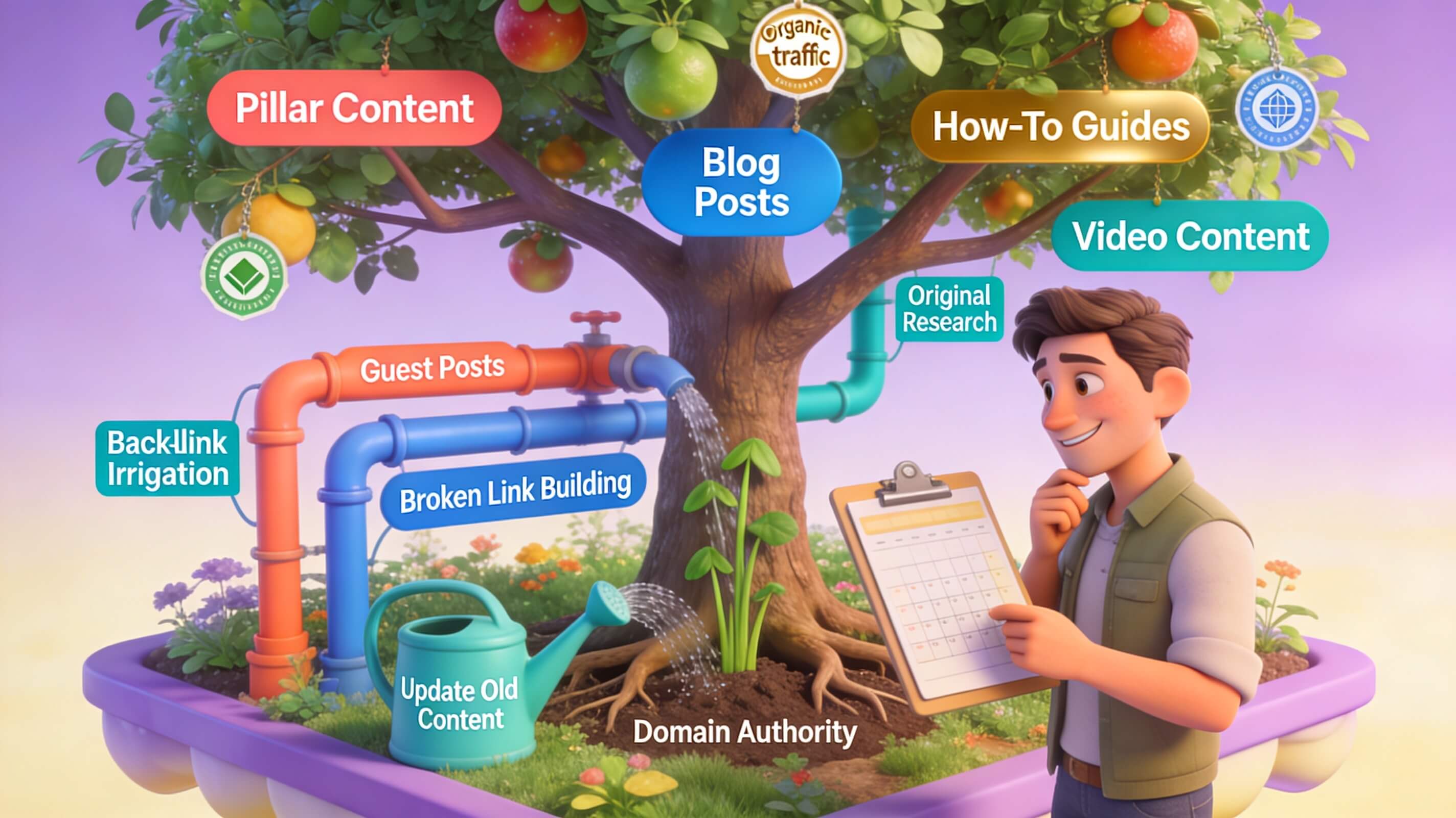
Creating great content is only half the battle. You must actively promote it to ensure it reaches your target audience. Effective promotion amplifies your reach and accelerates the process of earning backlinks. Share your content across all relevant social media platforms, tailoring the message for each audience. Submit your content to industry-specific communities, forums, and content aggregators. Reach out to influencers and journalists who might find your content valuable for their own work. Repurpose your content into different formats—a blog post can become a video, an infographic, or a podcast episode. Internal linking from your existing, high-performing content is also a powerful and often overlooked promotion strategy. This initial push creates momentum, which leads to more shares, more backlinks, and ultimately, higher rankings.
User Experience (UX) as a Ranking Signal
User experience is no longer a separate concern from SEO; it is a core component of it. Search engines are increasingly sophisticated at measuring user satisfaction. Metrics like bounce rate, time on page, and pages per session are used as signals of content quality. A positive UX leads to higher engagement, which search engines reward with better rankings. Therefore, optimizing for user experience is a direct way to increase website traffic with web optimization.
Navigation, Site Architecture, and Readability
Intuitive navigation is the cornerstone of a good user experience. Your site’s architecture should be logical and flat, allowing users to reach any page within three clicks. Clear menu structures, breadcrumb trails, and a robust internal linking strategy help users find information quickly and encourage exploration. Well-organized websites see visitors accessing significantly more pages per session. In terms of readability, use a clean, professional design with sufficient white space. Choose readable typography with appropriate font sizes and line spacing. Break up your content with short paragraphs (2-3 sentences), descriptive subheadings, and bullet points. This scannable format makes it easy for users to digest information quickly, reducing bounce rates and increasing engagement.
Conversion-Focused Design Elements
A high-traffic site is useless if it doesn’t convert visitors into leads or customers. Your design should guide users towards a desired action. Strategic calls-to-action (CTAs) should be clear, action-oriented, and visually distinct. Place them at logical points in the user journey, such as after a compelling piece of content or at the end of a product page. Minimize friction in forms and checkout processes. Each additional field in a form decreases completion rates. Use trust signals like security badges, customer testimonials, and money-back guarantees to reassure visitors. A seamless, conversion-focused design ensures that the traffic you work so hard to attract actually generates business results.
Leveraging SEO Best Practices
Search engine optimization is the most cost-effective long-term strategy to increase website traffic with web optimization. Unlike paid advertising, which stops generating traffic the moment you stop paying, the effects of SEO compound over time. This section covers the key on-page, off-page, and technical SEO practices that drive sustainable growth.
On-Page SEO Fundamentals
On-page SEO ensures that search engines can understand the topic and relevance of your content. Every page should have a unique, compelling title tag (under 60 characters) that includes your primary keyword. The meta description (under 160 characters) should be a persuasive summary that encourages clicks. Use a clear hierarchical structure with header tags (H1, H2, H3) to organize your content. Your URL should be short, descriptive, and include the target keyword. Finally, optimize all images by compressing them and using descriptive alt text. Each of these elements serves both search engines and users, improving both visibility and click-through rates.
Off-Page SEO and Link Building
Off-page SEO is about building your website’s authority and reputation. The most important off-page signal is backlinks from other reputable websites. Search engines view a link from an authoritative site as a vote of confidence. The quality of these links is far more important than the quantity. One link from a high-domain-authority site like Forbes or The New York Times is worth more than dozens of links from low-quality directories. Effective link-building strategies include creating “linkable assets” like original research, comprehensive guides, or useful tools. Guest posting on relevant industry publications, broken link building, and digital PR are also powerful methods. A strong backlink profile signals to Google that your content is trustworthy and valuable, which directly boosts your rankings.
Technical SEO for Search Engine Accessibility
Technical SEO ensures that search engines can easily discover, crawl, and index your content. This includes having a properly configured robots.txt file to guide crawlers, an XML sitemap for content discovery, and canonical tags to prevent duplicate content issues. Your site must be served over HTTPS for security, and you must manage redirects properly to preserve link equity. Regular technical audits using tools like Google Search Console, Screaming Frog, or Semrush are essential to identify and fix issues like broken links, crawl errors, and slow-loading pages. A technically sound site removes all barriers that might prevent search engines from accessing and ranking your content.
| SEO Category | Key Elements | Primary Traffic Impact |
|---|---|---|
| On-Page SEO | Title tags, meta descriptions, header tags, content optimization, URL structure | Improves search visibility and click-through rates (CTR) |
| Off-Page SEO | Backlink building, brand mentions, social signals, digital PR | Builds domain authority and boosts overall rankings |
| Technical SEO | Site speed, mobile-friendliness, crawlability, security (HTTPS), structured data | Enables search engine access, indexing, and rich results |
| Local SEO | Google Business Profile, local citations, online reviews | Captures geographically-specific, high-intent search traffic |
Measuring and Analyzing Performance
You cannot improve what you do not measure. Data-driven optimization is the key to long-term success. Tools like Google Analytics 4 (GA4) and Google Search Console provide a wealth of data on visitor behavior, traffic sources, and search performance. By systematically analyzing this data, you can identify what is working, what is not, and where the biggest opportunities for growth lie. This continuous cycle of measurement and improvement is how you sustain your efforts to increase website traffic with web optimization.
Essential Traffic Metrics to Track
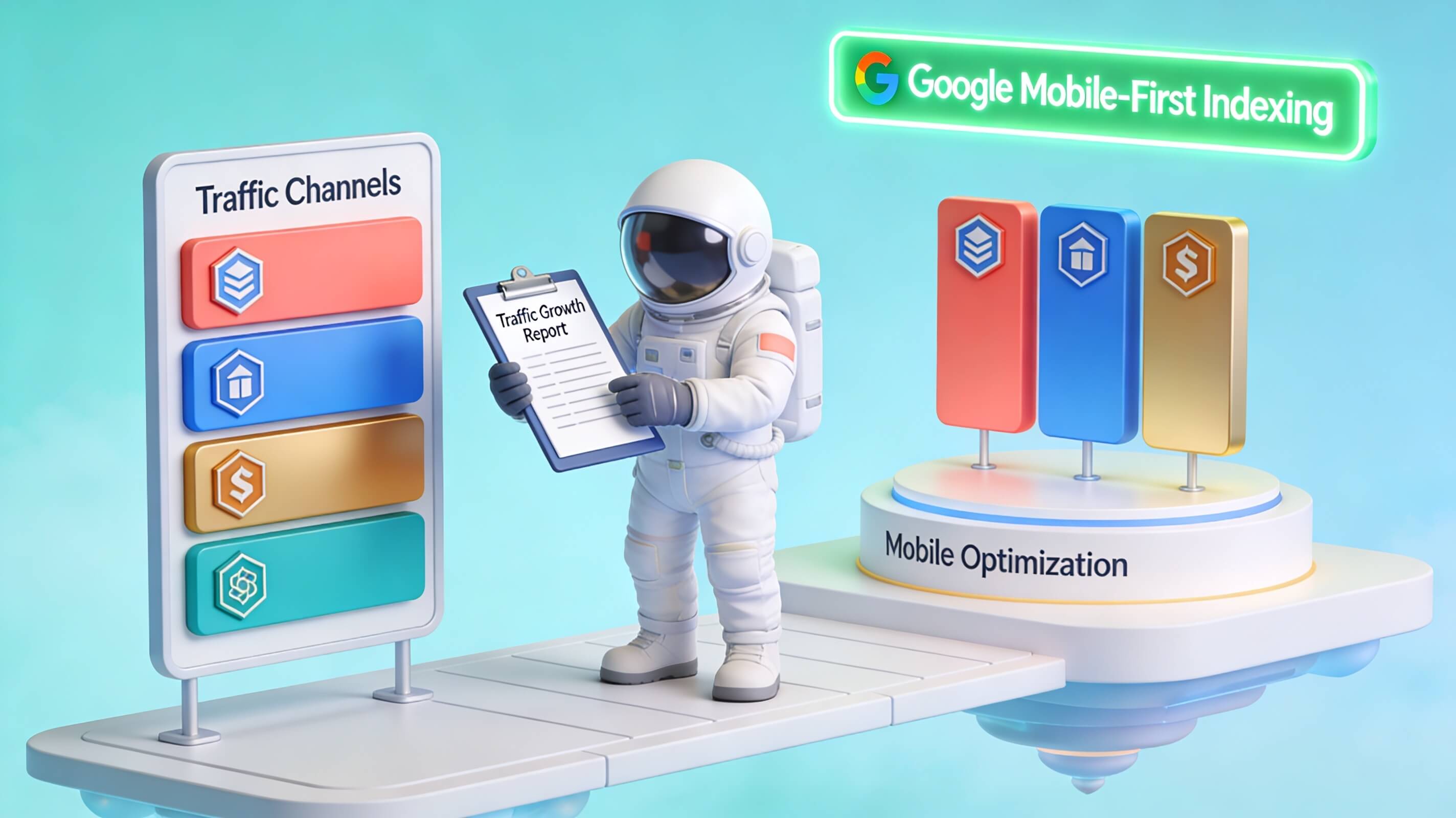
Focus on the metrics that provide actionable insights. Total sessions and organic traffic volume give you an overview of your reach. Bounce rate and average session duration indicate engagement quality. Pages per session shows how well your content encourages exploration. Conversion rate is the ultimate measure of success. However, context is key. A high bounce rate on a single-page resource might be perfectly normal. The goal is to identify patterns and trends over time, not to react to individual data points. Use Google Search Console to track your average position, click-through rate, and the specific queries driving traffic to your site. This data is invaluable for refining your keyword strategy and content creation.
A/B Testing for Continuous Improvement
To achieve peak performance, you must adopt a culture of testing. A/B testing (also known as split testing) allows you to compare two versions of a page element to see which one performs better. You can test headlines, CTA button colors and text, page layouts, image choices, and form designs. The key to effective testing is to change only one variable at a time and to run the test until you reach statistical significance. This ensures your results are reliable and not due to chance. By continuously testing and implementing winning variations, you can systematically improve your conversion rates and user engagement over time.
Conclusion
Successfully learning how to increase website traffic with web optimization is not a one-time project but an ongoing commitment to excellence. It requires a holistic strategy that integrates technical performance, high-quality content, superior user experience, and persistent SEO efforts. The websites that dominate their markets are those that treat optimization as a core business function, not an afterthought. Start by auditing your technical foundation—fixing speed and mobile issues is the highest priority. Then, invest in creating genuinely valuable content that serves your audience’s needs. Refine your user experience to reduce friction and guide visitors toward conversion. Finally, build authority through a strategic link-building and promotion plan. The compounding nature of this work means that the effort you invest today will pay dividends for months and years to come. If you are ready to transform your digital presence and achieve sustainable, predictable traffic growth, our team of seasoned experts is here to help you build and execute a custom optimization roadmap. Contact us today to start your journey toward digital dominance.