
Cart 0

Share
Table of Contents
How to Be a Content Creator
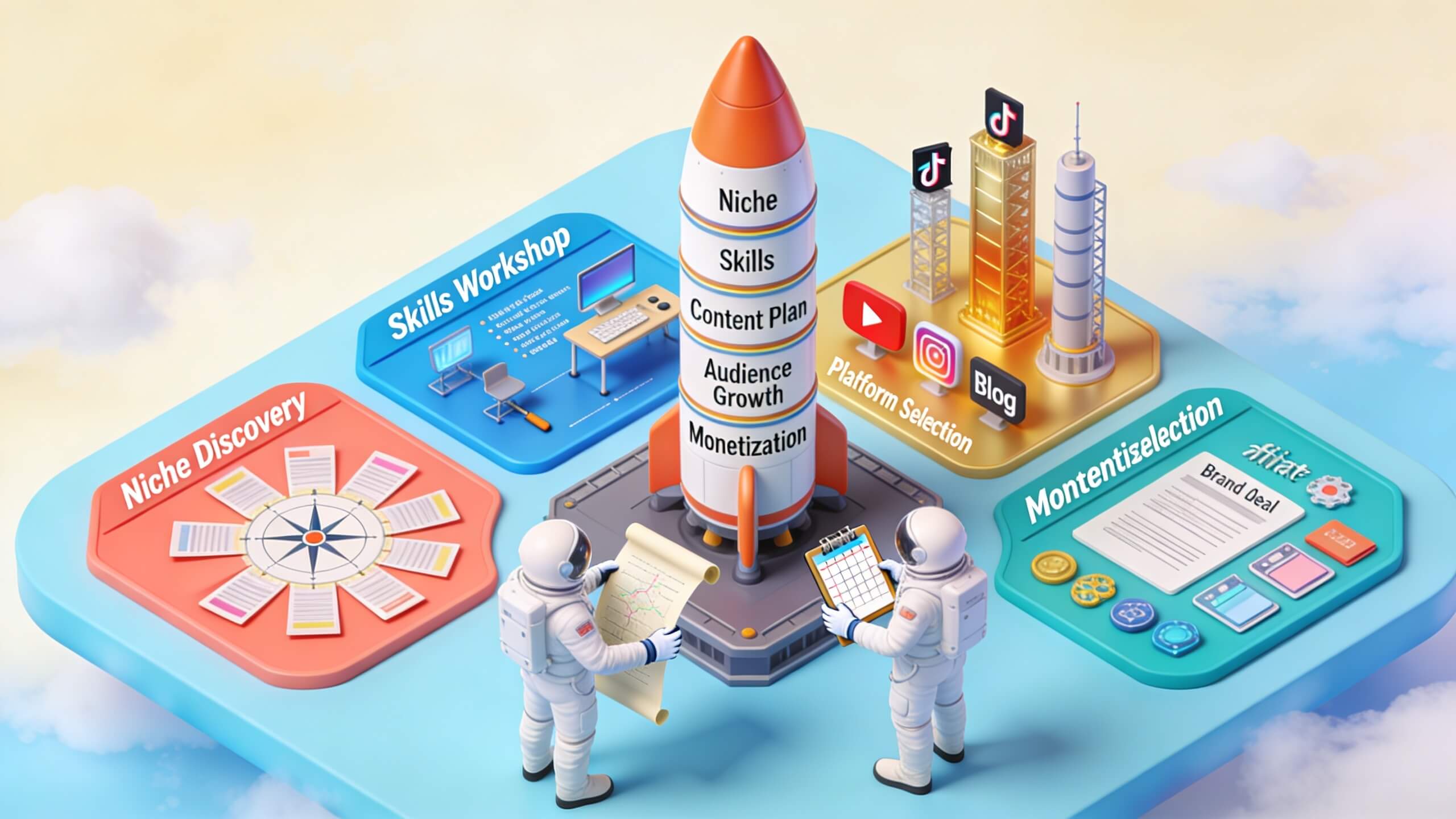
To be a content creator in today’s digital economy is to operate at the intersection of artistry and entrepreneurship. It’s not merely about posting photos, recording videos, or writing blog posts; it’s about building a sustainable personal brand that resonates with a specific audience. After two decades of navigating this landscape—from the early days of niche forums to the current era of algorithm-driven platforms—I can tell you that the fundamentals remain surprisingly constant. You must provide genuine value, foster deep trust, and maintain relentless consistency. This guide will walk you through the entire journey, from identifying your unique niche and mastering essential skills to scaling your audience and monetizing your influence. Whether you dream of being a full-time YouTuber, a newsletter writer, or a social media strategist, the blueprint is the same: start with a clear mission, create content that serves a real need, and treat your community as your most valuable asset. Let’s cut through the noise and get to the work that actually matters.
Understanding the Content Creation Landscape
The first step in learning how to be a content creator is to understand the ecosystem you’re entering. This isn’t a hobby where you post occasionally and hope for the best. It’s a professional discipline where you produce material—whether text, audio, video, or imagery—that educates, entertains, or inspires a targeted group of people. The landscape is crowded, yes, but it’s also dynamic. Quality and strategy consistently rise above the noise. The most successful creators I’ve mentored don’t just follow trends; they study platform mechanics, audience psychology, and content formats to create work that stands out. You are both an artist and an entrepreneur. Your content is your product, and your audience is your community. Treating it as anything less than a business will leave you frustrated and underpaid.
One critical insight from my years in the trenches: the barrier to entry is lower than ever, but the barrier to success is higher. Anyone can hit “record” or “publish.” The difference lies in your ability to understand the nuances of each platform. Instagram rewards visual storytelling and community engagement. YouTube thrives on watch time and search-driven content. TikTok’s algorithm favors trends and rapid retention. A blog or website—your owned digital home—gives you complete control over your audience relationship. The creators who thrive are those who master one or two platforms deeply rather than spreading themselves thin across every new app. They become students of the system, learning how to work with algorithms rather than against them.
Identifying and Dominating Your Niche
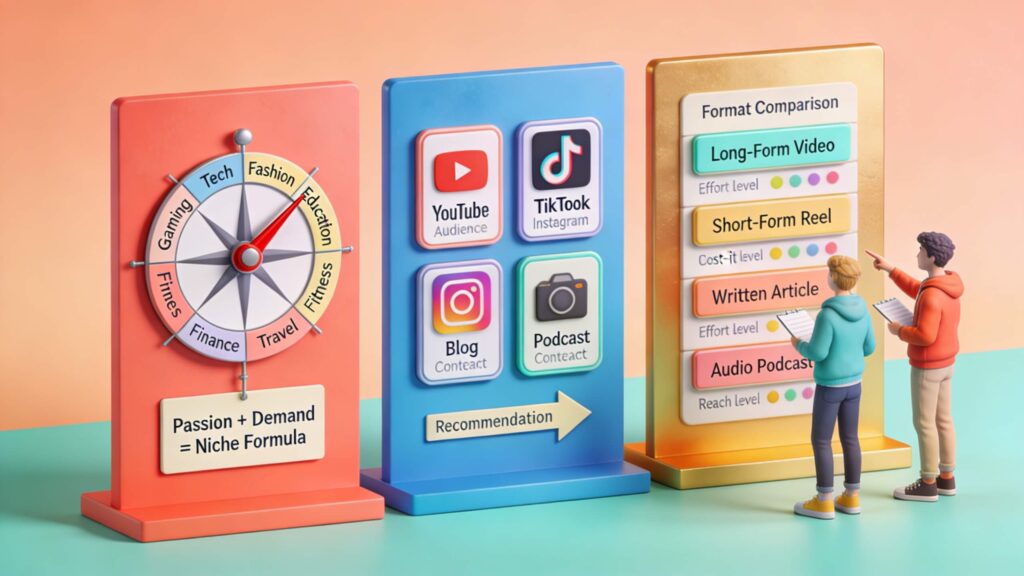
A clearly defined niche is the cornerstone of a sustainable content creator career. It’s the specific, focused area where you establish authority and attract a dedicated following. A niche is more than a topic; it’s the intersection of your passion, your expertise, and a measurable audience need. Trying to appeal to “everyone” is a fast track to obscurity. In my two decades of consulting, I’ve seen that the most successful creators are those who go deep, not wide. They become the go-to source for a particular community, whether it’s sustainable living for urban dwellers, in-depth tutorials for a specific software, or historical analysis of a niche film genre.
To find your niche, conduct a ruthless self-audit. List your skills, knowledge areas, and genuine interests. Then, validate them against market demand using tools like Google Trends or by analyzing subreddits and forum discussions. Look for “content gaps”—questions your target audience is asking that aren’t being fully answered by existing creators. Your niche should feel slightly challenging but inherently exciting; it’s the topic you can discuss for hundreds of hours without burnout. Once defined, every piece of content should reinforce your position within this space, building a cohesive library that demonstrates deep expertise. For example, a creator focusing on “budget-friendly vegan meal prep for college students” will outperform a generic “food blogger” because the specificity attracts a highly engaged audience with clear needs.
Developing Non-Negotiable Creator Skills
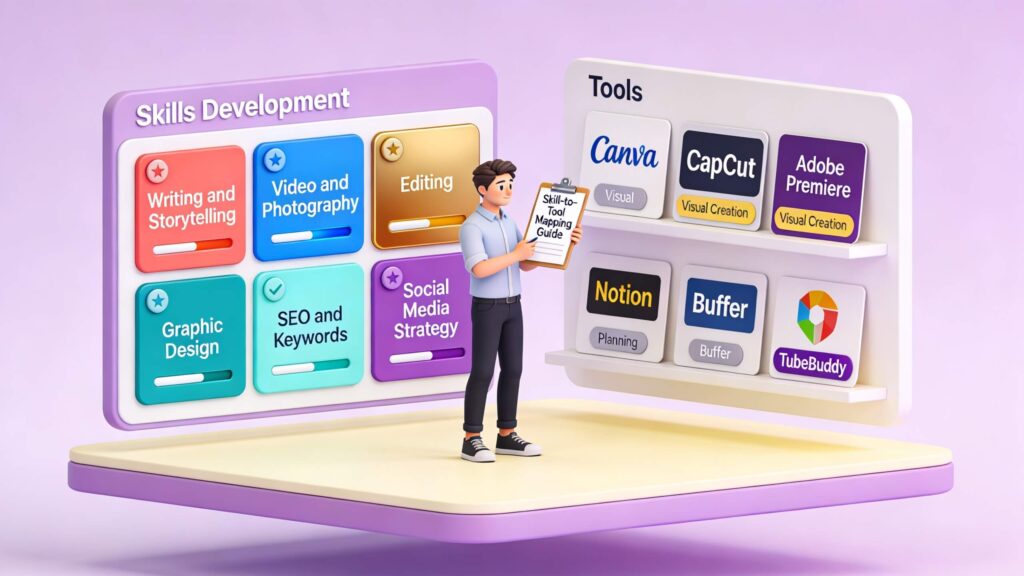
Beyond passion, professional content creation demands a suite of hard and soft skills. These are the tools that transform ideas into compelling, polished work that stands out in a crowded feed. You cannot skip this step. The creators who succeed are those who invest in their craft, whether through formal training, countless hours of practice, or both.
Strategic Writing and Communication
Every creator, regardless of medium, must be a competent writer. This extends beyond blogs to video scripts, compelling social captions, and clear email newsletters. Effective writing for content is concise, scannable, and infused with your unique voice. It’s about structuring information for clarity, using powerful headlines, and understanding basic copywriting principles to drive engagement. Practice is non-negotiable; write daily, study masters of the craft, and always edit ruthlessly. I’ve seen podcasters fail because they couldn’t write an engaging show description, and YouTubers struggle because their video titles lacked search appeal. Writing is the foundation upon which all other content skills are built.
Technical Proficiency in Production
Quality is a filter. Audiences have become discerning, and poor audio or blurry visuals can undermine your message. Invest time in learning core software. For visual creators, this means mastering the Adobe Creative Suite or accessible alternatives like Canva. For video creators, proficiency in editing software like DaVinci Resolve or Premiere Pro is essential. For podcasters, learning audio cleanup in Audacity or Descript is crucial. This technical knowledge liberates your creativity, allowing you to produce work that matches your vision without dependency on others. One of my clients, a travel vlogger, spent six months learning color grading. That single skill elevated his content from amateur to professional, doubling his subscriber growth within a year.
Basic Data Literacy
A successful content creator must also be a part-time analyst. You need to understand platform analytics to know what resonates. This isn’t about chasing vanity metrics, but about interpreting data to make smarter creative decisions. Which video retention drops at the 30-second mark? Which blog post has the highest engagement time? Learning to read this data allows you to double down on what works and refine or abandon what doesn’t, creating a feedback loop that steadily improves your content’s performance. I recommend setting aside one hour per week to review your analytics. Look for patterns, not anomalies. A single viral post is noise; consistent performance across multiple pieces is signal.
Crafting Deeply Engaging Content
Creating content that captivates and retains an audience requires moving beyond simple information delivery. It’s about crafting experiences. Engagement is the currency of the digital world, and it is earned through value, emotion, and interaction. The most powerful tool is storytelling. Frame your information within a narrative arc—present a problem, share a journey of discovery, and conclude with a resolution or insight. Use visuals not as decoration, but as integral narrative components; a well-chosen graph or a candid behind-the-scenes photo can convey more than paragraphs of text.
Most importantly, focus on relevance over volume. One piece of content that perfectly solves a pressing problem for your audience is worth a dozen generic posts. This approach builds anticipation and trust, turning casual viewers into loyal community members. I’ve worked with creators who publish daily but see minimal growth, and others who publish weekly and build empires. The difference is depth. When you create content that feels like a gift—something your audience genuinely needed but didn’t know they were looking for—you earn their attention and their loyalty. Always ask yourself: “Does this piece of content make my audience’s life better?” If the answer isn’t a clear “yes,” reconsider.
| Content Element | Engagement Purpose | Key Consideration |
|---|---|---|
| Headline/Title | Capture Attention | Use curiosity, benefit, or urgency; include primary keyword. |
| Opening Hook | Retain Interest | State a surprising fact, ask a provocative question, or present a relatable problem within 3 seconds. |
| Core Narrative | Deliver Value | Structure information logically (Problem, Agitation, Solution). Use subheadings and visuals for scannability. |
| Call-to-Action (CTA) | Drive Interaction | Be specific. Ask for a comment, a share, or a click. One clear CTA per piece is most effective. |
Building a Cohesive and Authentic Brand
Your personal brand is the sum of every interaction someone has with your work. It’s your reputation, your aesthetic, and your voice. A strong brand makes you memorable and trustworthy, which is essential for converting followers into advocates and customers. Start by defining your brand identity: your core mission, values, and unique perspective. What do you stand for? What will you never do? This internal compass guides all external decisions.
Next, develop a cohesive visual style—a consistent color palette, font usage, and compositional style across all platforms and thumbnails. This visual consistency acts as instant recognition in a chaotic scroll. Then, cultivate your unique voice. Is your tone witty and irreverent, or calm and authoritative? Your voice should be an amplified version of your authentic self. Finally, and most critically, maintain relentless consistency and authenticity. Your audience should know what to expect from you, not just in quality, but in values. In an era of skepticism, authenticity is your greatest asset. Share failures alongside successes, and let your brand evolve organically as you grow. I’ve seen creators lose their audience overnight when they tried to be someone they weren’t. Don’t make that mistake.
Strategies for Expanding Your Audience Reach
Creating great content is only half the battle; you must ensure it’s seen. Strategic audience growth involves a mix of optimization, collaboration, and community leverage. First, master the basics of search engine optimization (SEO) for your owned platforms like your blog or YouTube. Conduct keyword research to align your content with what your audience is actively searching for. Optimize titles, descriptions, and image alt-text. Second, embrace strategic collaboration. Partner with creators in adjacent niches for cross-promotion. This isn’t just about guest posts; think co-hosted live streams, podcast interviews, or collaborative projects. These partnerships expose you to established, trusted communities.
Third, actively engage in existing communities where your audience lives—relevant subreddits, Facebook groups, or Discord servers. Provide genuine value there without spamming your links. Become a helpful member first, and a promoter second. Finally, repurpose your core content into multiple formats. A single long-form video can become a blog post, several social media clips, an infographic, and a podcast episode, maximizing the reach of your effort across different platform algorithms and user preferences. One of my clients, a finance educator, repurposed one 20-minute YouTube video into 12 Instagram Reels, 5 tweets, and a newsletter. That single piece of content generated 40% of her monthly traffic for six months.
Monetizing Your Content Creator Career
Turning your creative work into a sustainable income is a pivotal phase in your content creator career. Monetization should be viewed as a natural extension of the value you provide, not a separate pursuit. The most effective models build upon the trust and audience you’ve already established. The foundational pillar is often direct audience support through platforms like Patreon or member-only subscriptions, which offer predictable revenue in exchange for exclusive content or community access.
Affiliate marketing, where you earn a commission on products you genuinely recommend, aligns your success with that of your audience—you profit only if they find value. Sponsored content and brand partnerships can be lucrative, but require careful curation to maintain authenticity; only partner with brands that fit your niche and values seamlessly. For many, creating and selling their own digital products—like e-books, online courses, presets, or templates—represents the highest margin and most brand-aligned income stream. It leverages your specific expertise directly. Remember, diversification is stability. Relying on a single income source, like ad revenue from one platform, is risky. A robust content creator business weaves together several of these streams, creating a financial ecosystem that can withstand algorithm changes and market shifts.

Maintaining Inspiration and Avoiding Burnout
The long-term journey of a content creator is a marathon, not a sprint. Creative burnout—a state of emotional, physical, and mental exhaustion—is the single greatest threat to a sustainable career. Proactively managing your inspiration and well-being is not a luxury; it’s a critical business strategy. Institutionalize systems that protect your creativity. Schedule regular “input” time where you consume content unrelated to your niche, explore new hobbies, or simply disconnect. This refills your creative well.
Implement a sustainable content calendar that balances ambitious projects with simpler, format-based content to maintain consistency without constant strain. Learn to separate your self-worth from analytics; a video’s performance is data, not a grade on your creativity. Build a support network of fellow creators who understand the unique pressures of the field. Furthermore, physical health is inseparable from creative output. Prioritize sleep, nutrition, and movement. As one seasoned creator I’ve advised for years puts it, “The best SEO strategy is consistency, and the only way to be consistent for years is to not hate the process.” Protect your passion by designing a workflow that is humane, varied, and sustainable.
Fostering Genuine Audience Engagement
True growth is not just in follower count, but in the depth of connection with your audience. Engagement transforms passive consumers into active community members and brand advocates. This requires moving beyond broadcasting to facilitating conversation. Be systematically responsive. Dedicate time to reply to comments thoughtfully, answer questions in subsequent content, and acknowledge user-generated content that mentions you. Utilize interactive features like polls, Q&A stickers, and community posts not just for content ideas, but to make your audience feel heard.
Consider creating a dedicated space for your most engaged followers, such as a Discord server or a private Facebook group, to foster peer-to-peer connections. The principle here is reciprocity. You ask for their time and attention; in return, you provide not just content, but recognition and a sense of belonging. This cultivated community becomes your most valuable asset—a source of unwavering support, honest feedback, and social proof that attracts new followers organically. It’s the ultimate competitive moat in the content creator landscape. I’ve seen creators with 10,000 deeply engaged followers outperform those with 100,000 passive ones in terms of revenue and impact.
Conclusion
Forging a successful path as a content creator is a profound exercise in combining authentic creativity with disciplined strategy. It requires you to be the visionary, the producer, the marketer, and the community manager all at once. This journey, from identifying your niche and honing your craft to building a brand and establishing multiple revenue streams, is iterative and demanding. Yet, it is uniquely rewarding, offering unparalleled opportunities for expression, connection, and impact. The digital landscape is perpetually evolving, but the core principles of providing genuine value, fostering trust, and engaging with consistency remain timeless. Your unique perspective is your greatest asset. Now, with this comprehensive blueprint in hand, the next step is to begin. Define your niche, create your first piece of strategic content, and start building the community only you can lead. The world is waiting for your voice.
If you’re ready to take the next step in your journey, contact our team for a personalized strategy session. We’ll help you refine your brand, optimize your content, and build a sustainable income stream. Your story deserves to be told—let’s make sure it’s heard.


Comments are closed.