Cart 0

Share
Table of Contents
Analytics Big Data: Navigating the Insights of a Data-Driven World
In the modern business landscape, the sheer volume of information generated every second is staggering. But for leaders like you, the real challenge isn’t collecting data—it’s transforming that raw, chaotic stream into a clear, strategic advantage. Analytics big data provides the methodology and tools to sift through this noise, identify meaningful patterns, and make decisions that are not just reactive but predictive. This article is your comprehensive guide to mastering this discipline. We will move beyond surface-level definitions to explore how you can implement a robust data strategy, overcome common pitfalls, and future-proof your organization. You will learn not just the “what” but the “how” of turning vast datasets into tangible business outcomes, from optimizing supply chains to personalizing customer experiences. The goal is simple: equip you with the knowledge to make analytics big data a core driver of your success.
Understanding the Core of Data Analytics
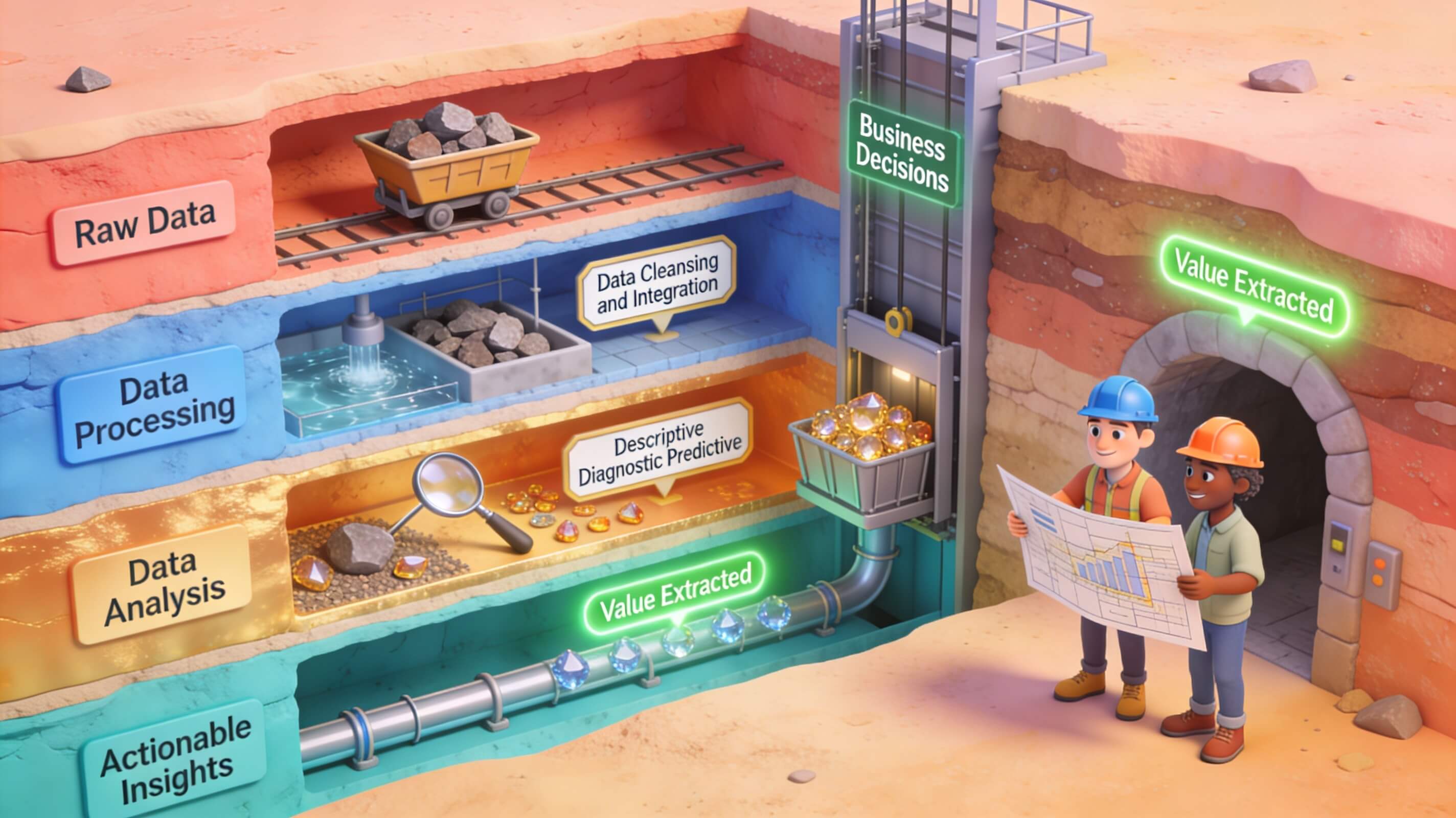
Before we dive into the complexities of massive datasets, it is crucial to establish a solid foundation. Data analytics, at its core, is the science of examining raw data to draw conclusions. It involves applying systematic computational processes to uncover hidden patterns, correlations, and trends. Think of it as the engine that converts raw fuel (data) into motion (insights). Without this engine, your data is just a heavy, inert asset. The true power lies in the ability to ask the right questions of your data. For instance, a retailer might analyze point-of-sale data not just to see what sold, but to understand *why* certain products performed better in specific regions or during particular seasons. This level of inquiry is what separates a data-driven decision-making culture from one that merely collects information. The process is iterative, requiring constant refinement of hypotheses and models. As you move through this guide, remember that the goal is not to analyze data for its own sake, but to generate actionable intelligence that directly impacts your bottom line.
The Strategic Role of Big Data Analytics
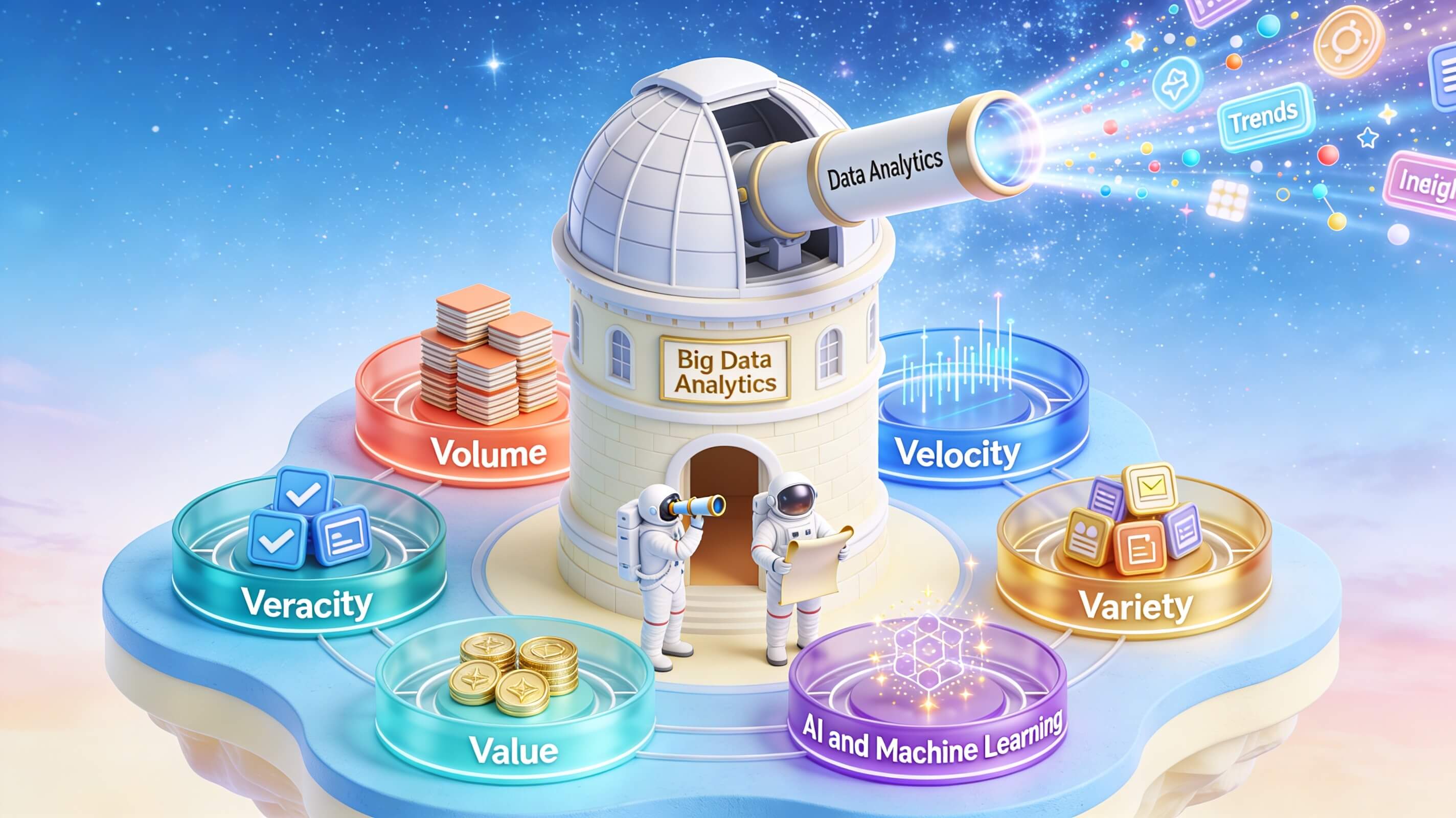
When data volume, velocity, and variety exceed the capacity of traditional tools, you enter the realm of big data analytics. This is not just a scaled-up version of standard analytics; it is a fundamentally different approach that requires specialized infrastructure and techniques. The role of big data analytics is to handle petabytes of information—from social media feeds to IoT sensor streams—and extract value from it in near real-time. For example, a logistics company can use big data analytics to monitor fleet movements, weather patterns, and traffic conditions simultaneously. This allows for dynamic route optimization that saves millions in fuel costs and improves delivery times. The strategic advantage here is profound: you are no longer looking in the rearview mirror at past performance; you are using predictive models to steer your business forward. This capability enables you to identify emerging market trends before your competitors, anticipate customer churn, and proactively manage risks. The challenge, however, is that with this power comes complexity. The tools required—like Apache Hadoop, Spark, and cloud-based data lakes—demand significant investment and expertise. But for organizations that master it, the return on investment is transformative, creating a defensible competitive moat in a crowded marketplace.
Harnessing Data for Business Success
The ultimate test of any analytics initiative is its ability to drive business success. This goes beyond simply having a dashboard; it means embedding data into the very fabric of your operations. The process begins with a clear understanding of your business objectives. Are you trying to increase customer lifetime value? Reduce operational costs? Launch a new product line? Each goal requires a different analytical approach. For instance, a financial services firm aiming to reduce fraud would employ anomaly detection algorithms on transaction data. A media company looking to boost engagement might use collaborative filtering to recommend content. The key is to align your data strategy with your strategic priorities. This also means fostering a culture where decisions at every level are grounded in evidence. It is not enough for the C-suite to be data-literate; your marketing team, product managers, and customer service representatives must also be empowered to use data in their daily work. This democratization of data, supported by user-friendly tools and clear governance, is what turns data insights into a company-wide superpower. Remember, the most sophisticated model in the world is useless if it doesn’t lead to a concrete action that improves a key performance indicator.
The Criticality of Data Analysis in Strategy
Within the broader umbrella of business success, the specific act of data analysis is the linchpin. It is the rigorous, methodical process of inspecting, cleansing, transforming, and modeling data with the goal of discovering useful information. This is where the rubber meets the road. A common mistake is to confuse data reporting with data analysis. Reporting tells you what happened; analysis tells you *why* it happened and what is likely to happen next. For example, a report might show a 10% drop in website traffic. An analysis would then segment that traffic by source, device, and user behavior to discover that the drop was concentrated in organic search traffic from mobile users following a Google algorithm update. This insight then informs a specific action: optimizing mobile pages for the new ranking factors. This depth of understanding is what separates companies that react to change from those that anticipate and shape it. To perform effective data analysis, you need a combination of statistical knowledge, domain expertise, and curiosity. It is a discipline that rewards skepticism and a willingness to challenge assumptions. The best analysts are not just number crunchers; they are storytellers who can weave a compelling narrative from a sea of numbers.
The Process of Data Mining for Deeper Insights
To extract the most valuable nuggets from your data, you must employ the practice of data mining. This is the computational process of discovering patterns in large datasets involving methods at the intersection of machine learning, statistics, and database systems. It is a proactive, exploratory activity, unlike the more confirmatory nature of hypothesis testing. Data mining is about letting the data speak, revealing unexpected correlations and clusters that you might not have thought to look for. A classic example is the “beer and diapers” correlation found in retail data, where analysis of transaction logs revealed that men often bought beer and diapers together on Thursday evenings. This insight, which no one would have hypothesized, led to a profitable store layout change. The process typically follows a structured methodology like CRISP-DM (Cross-Industry Standard Process for Data Mining), which includes phases like business understanding, data understanding, data preparation, modeling, evaluation, and deployment. Each phase is critical. Rushing through data preparation, for instance, can lead to “garbage in, garbage out” models. The most successful data mining projects are those that are tightly coupled with business goals and have a clear path to deployment from the outset. It is a powerful tool, but it requires discipline and a clear-eyed understanding of its limitations, such as the risk of overfitting a model to historical data that may not predict the future.
The Role of Data Visualization in Communication
Even the most profound insights are worthless if they cannot be communicated effectively. This is where data visualization plays an indispensable role. It is the graphical representation of information and data, using visual elements like charts, graphs, and maps to make complex data more accessible, understandable, and usable. A well-designed visualization can reveal trends, outliers, and patterns in a fraction of a second that would take hours to find in a spreadsheet. For a business leader, this is critical for rapid decision-making. Imagine a supply chain manager monitoring a real-time dashboard that uses color-coded maps to show inventory levels across global warehouses. A red zone indicates a potential stockout, allowing for immediate intervention. This is the power of visualization: it transforms abstract numbers into a clear, actionable picture. The key is to design visualizations that are honest and not misleading. Avoid chart junk, use appropriate scales, and always consider your audience. A technical team might need a detailed scatter plot with regression lines, while an executive board might prefer a simple bar chart showing year-over-year growth. The best visualizations are those that tell a story, guiding the viewer to the most important conclusion without requiring them to interpret the raw data themselves. Tools like Tableau, Power BI, and D3.js have democratized this capability, but the human skill of design thinking remains paramount.
Overcoming Challenges in Big Data Analytics
Embarking on a big data analytics journey is not without its obstacles. The most common challenges are not technical but organizational and cultural. One of the biggest is data silos, where information is trapped in different departments or legacy systems, making it impossible to get a unified view. Another is the talent gap; skilled data scientists and engineers are in high demand and short supply. Furthermore, ensuring data quality and consistency across disparate sources is a monumental task. Dirty data—with missing values, duplicates, or errors—will inevitably lead to flawed insights. Then there is the issue of scalability. Your infrastructure must be able to handle growing data volumes without performance degradation. Finally, and perhaps most critically, is the challenge of data privacy and governance. With regulations like GDPR and CCPA, you must be meticulous about how you collect, store, and use personal data. A single breach or compliance failure can be catastrophic. To overcome these, you need a multi-pronged strategy. Invest in a robust data integration platform to break down silos. Build a culture of data literacy and provide training. Implement automated data quality checks. Adopt cloud-based, elastic infrastructure that scales on demand. And most importantly, establish a clear data governance framework from day one, with defined roles, responsibilities, and policies. The organizations that succeed are those that treat these challenges not as barriers, but as design constraints that force better, more disciplined execution.
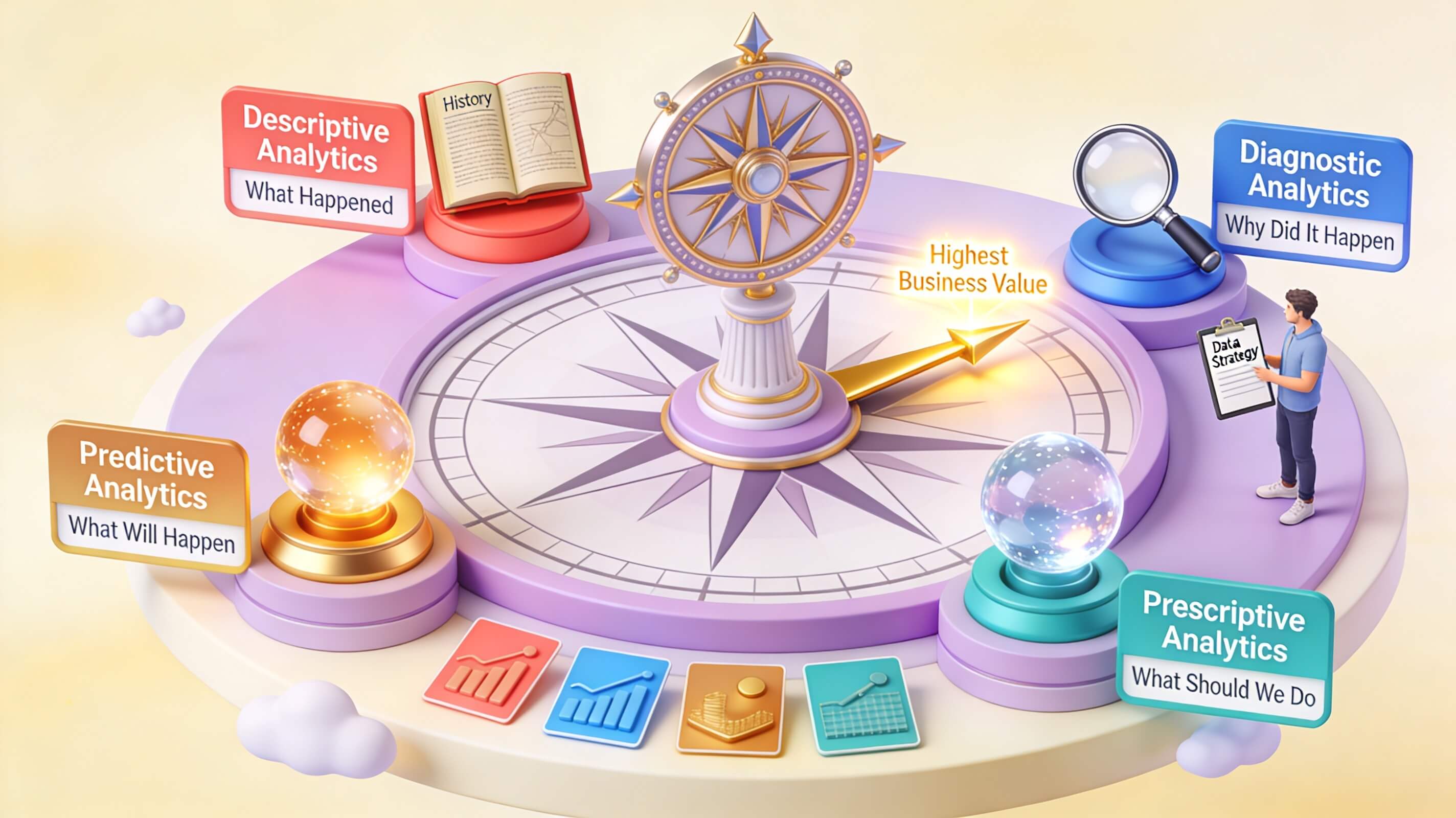
The Impact of Big Data Analytics Across Industries
The transformative power of big data analytics is not theoretical; it is being demonstrated every day across a wide range of sectors. Let’s examine a few key industries to see the tangible impact.
Retail
In retail, the application of big data analytics has been revolutionary. Retailers are no longer guessing what customers want; they are using data to predict it. By analyzing purchase history, browsing behavior, social media sentiment, and even in-store foot traffic, they can create hyper-personalized marketing campaigns. Amazon’s recommendation engine, which drives a significant portion of its sales, is a prime example. Beyond marketing, retailers use analytics for dynamic pricing, where prices are adjusted in real-time based on demand, competitor pricing, and inventory levels. They also optimize their supply chains by forecasting demand with high accuracy, reducing both stockouts and excess inventory. The result is higher margins, better customer satisfaction, and a more agile business model. For example, a fashion retailer might use data insights from social media to predict which colors and styles will be popular next season, allowing them to place manufacturing orders months in advance.
Healthcare
Healthcare is another sector being profoundly reshaped by data. The potential to save lives and reduce costs is immense. Data-driven decision-making in healthcare involves analyzing patient records, clinical trial data, genomic information, and wearable device data to improve outcomes. For instance, predictive models can identify patients at high risk of readmission, allowing hospitals to intervene with targeted follow-up care. In medical imaging, machine learning algorithms can analyze X-rays and MRIs to detect tumors or other anomalies with accuracy that rivals or even surpasses human radiologists. On the operational side, hospitals use analytics to optimize bed management, staff scheduling, and supply chain logistics for critical items like PPE and medications. The ultimate goal is to move from a reactive, fee-for-service model to a proactive, value-based care model where data is used to prevent disease and keep populations healthy. A mini case study from the Mayo Clinic shows how they used analytics to reduce sepsis mortality by identifying high-risk patients hours before they showed clinical symptoms, allowing for early, life-saving intervention.
Manufacturing
In manufacturing, the term “Industry 4.0” is synonymous with the integration of big data analytics into production processes. Sensors on factory equipment generate a constant stream of data on temperature, vibration, pressure, and output. By analyzing this data, manufacturers can implement predictive maintenance, predicting when a machine is likely to fail and scheduling repairs before a costly breakdown occurs. This minimizes downtime and extends the life of expensive capital equipment. Analytics is also used for quality control. By correlating production parameters with defect rates, manufacturers can identify the root cause of quality issues and adjust processes in real-time. This leads to lower scrap rates, less rework, and higher overall equipment effectiveness (OEE). For example, a car manufacturer might analyze data from its paint shop to optimize temperature and humidity levels, resulting in a significant reduction in paint defects. This data-driven approach transforms the factory floor from a cost center into a source of competitive advantage through efficiency and precision.
| Industry | Primary Use Case | Key Benefit | Example Data Source |
|---|---|---|---|
| Retail | Personalized Marketing & Pricing | Increased Sales & Customer Loyalty | Transaction logs, web clicks |
| Healthcare | Predictive Diagnostics & Treatment | Improved Patient Outcomes & Reduced Costs | EHRs, medical images, wearables |
| Manufacturing | Predictive Maintenance & Quality Control | Reduced Downtime & Higher Yield | IoT sensors, production logs |
| Finance | Fraud Detection & Risk Management | Reduced Losses & Regulatory Compliance | Transaction data, credit reports |
Best Practices for Implementing Analytics Big Data
To successfully implement a big data analytics program, you need more than just technology. You need a strategic framework and a set of proven best practices. First, start with a clear business problem. Do not invest in a data lake just because it is trendy. Identify a specific pain point, such as high customer churn or inefficient inventory management, and build your solution around solving it. Second, invest in data governance from the start. This means defining who owns the data, what quality standards it must meet, and how it can be used. A strong governance framework prevents chaos and ensures compliance. Third, prioritize data quality. Implement automated processes for data cleansing, validation, and deduplication. A model trained on poor data will produce poor results. Fourth, choose your technology stack wisely. Consider cloud-based solutions for scalability and flexibility. Platforms like AWS, Azure, and Google Cloud offer managed services for data warehousing, processing, and machine learning. Fifth, build a cross-functional team. You need data engineers to build the pipelines, data scientists to build the models, and business analysts to interpret the results and drive action. Finally, embrace an iterative approach. Start with a minimum viable product (MVP), test it with real users, learn from the results, and refine. Do not try to build a perfect system on the first attempt. This agile methodology allows you to demonstrate value quickly and build momentum for larger initiatives. Remember, the goal is not to have the most complex system, but the most effective one for your specific needs.
The Future of Analytics Big Data
The field of analytics big data is not static; it is evolving at a breathtaking pace. Several key trends are shaping its future, and understanding them is crucial for staying ahead. The most significant is the convergence of big data with artificial intelligence and machine learning. In the future, analytics will be less about humans querying data and more about automated systems that learn, adapt, and make decisions autonomously. For example, an AI-driven supply chain could self-optimize based on real-time demand signals, weather data, and geopolitical events without human intervention. Another major trend is edge computing. As IoT devices proliferate, it becomes inefficient to send all data to a central cloud. Edge computing processes data locally, near the source, enabling real-time analytics for applications like autonomous vehicles and smart factories. This reduces latency and bandwidth costs. Blockchain technology also has a role to play, particularly in ensuring data provenance and security. In industries like finance and healthcare, where trust is paramount, blockchain can provide an immutable record of data transactions, ensuring that the data being analyzed is authentic and hasn’t been tampered with. Finally, we will see more comprehensive data visualization tools. Augmented and virtual reality will allow analysts to step inside their data, exploring complex 3D models of everything from molecular structures to global supply chains. These trends point to a future where analytics big data is not just a tool for analysis, but the central nervous system of the intelligent enterprise, driving autonomous, real-time decision-making.
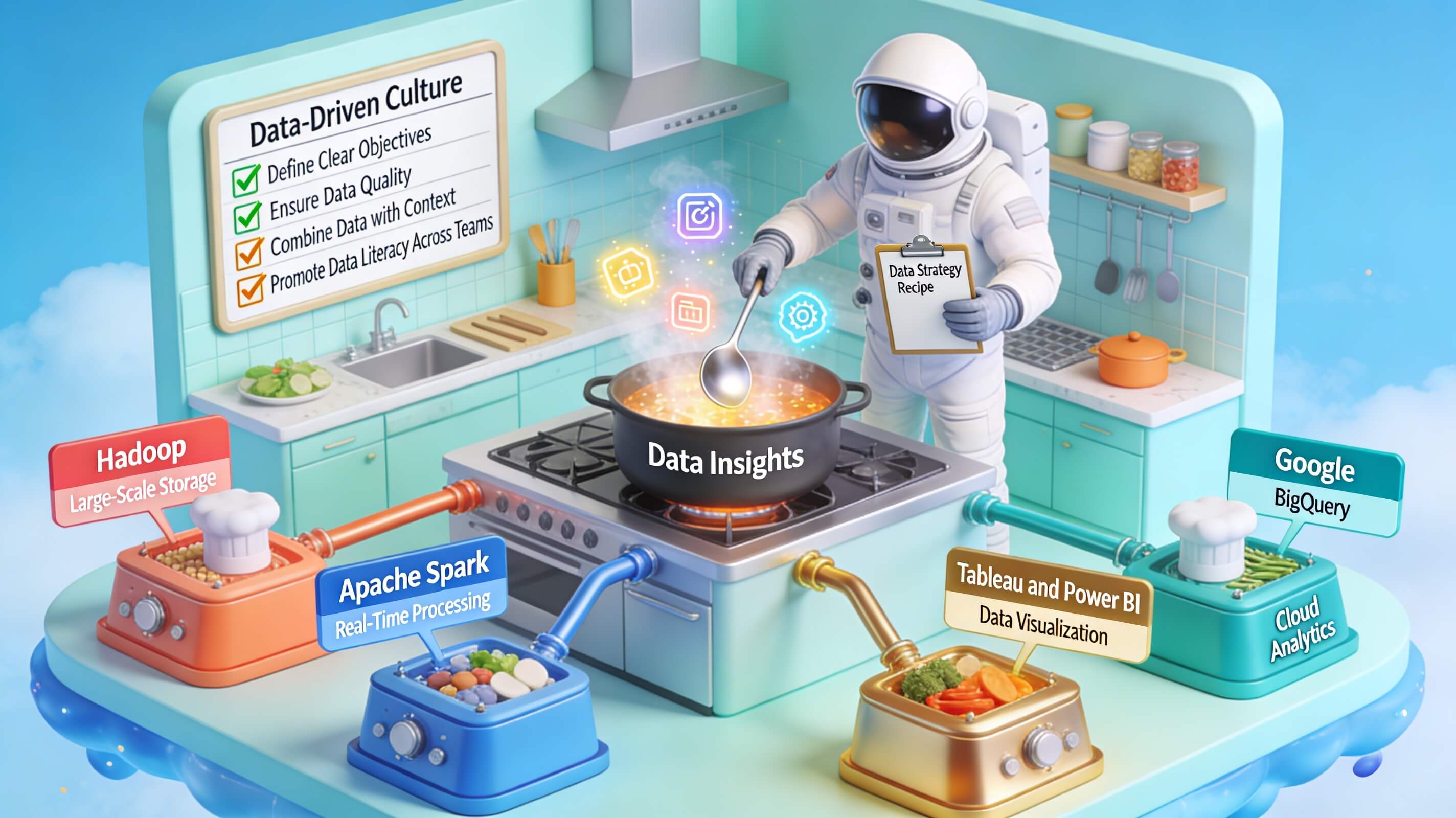
Maximizing the Value of Your Data Investments
Investing in analytics big data is a significant commitment, and you must actively work to maximize its return. This requires a shift from a project-based mindset to a capability-based one. You are not building a single dashboard; you are building an organizational muscle. To do this, focus on democratizing data access. Make it easy for people across the company to find and use the data they need, within appropriate governance boundaries. This often means investing in a data catalog and self-service analytics tools. Another critical factor is continuous learning. The data landscape changes constantly. Encourage your team to experiment with new techniques, attend conferences, and pursue certifications. A culture of learning will keep your capabilities sharp. Furthermore, measure the impact of your analytics initiatives rigorously. Tie every project back to a key business metric, whether it is revenue, cost savings, or customer satisfaction. This not only proves ROI but also helps you prioritize future investments. Finally, foster collaboration between your data team and the business units. The best insights often come from a dialogue where data scientists understand the business context and business leaders appreciate the possibilities of data. By following these principles, you can ensure that your investment in analytics big data delivers sustained, growing value over the long term, rather than being a one-off project that fades away.
Conclusion
Navigating the world of analytics big data is no longer optional; it is a fundamental requirement for survival and growth in the modern economy. As we have explored, this discipline is not just about technology but about a strategic commitment to data-driven decision-making. From understanding the core principles of data analysis and mining to overcoming the very real challenges of implementation and governance, the path is clear. The industries we examined—retail, healthcare, and manufacturing—demonstrate that the potential for transformation is immense, touching every aspect of operations from customer experience to supply chain efficiency. The future, driven by AI, edge computing, and blockchain, promises even greater capabilities for autonomous, real-time insight. However, all of this potential is contingent on one thing: action. The knowledge contained here is a powerful starting point, but it is only through deliberate implementation, continuous learning, and a steadfast focus on business value that you will unlock the true power of your data. The question is no longer *if* you should embrace analytics big data, but *how quickly* you can integrate it into the core of your strategy. The data is waiting. The tools are available. The time to act is now.