
Cart 0


Share
Content marketing has evolved from simple blog posts into sophisticated, data-driven strategies that drive measurable business outcomes and sustainable competitive advantages. Modern marketers face mounting pressure to create compelling content that cuts through digital noise while demonstrating clear return on investment. With content marketing generating three times more leads per dollar than traditional advertising while costing 62% less, strategic content approaches have become non-negotiable for brands seeking growth. This comprehensive guide delivers actionable tips for content marketing success across strategy development, content creation, distribution optimization, and performance measurement. Whether launching new content initiatives or refining existing programs, these evidence-based tips for content marketing will help you engage audiences, build authority, and achieve remarkable results in today’s competitive digital landscape.
Table of Contents
Foundational Strategy: Developing Your Content Marketing Framework
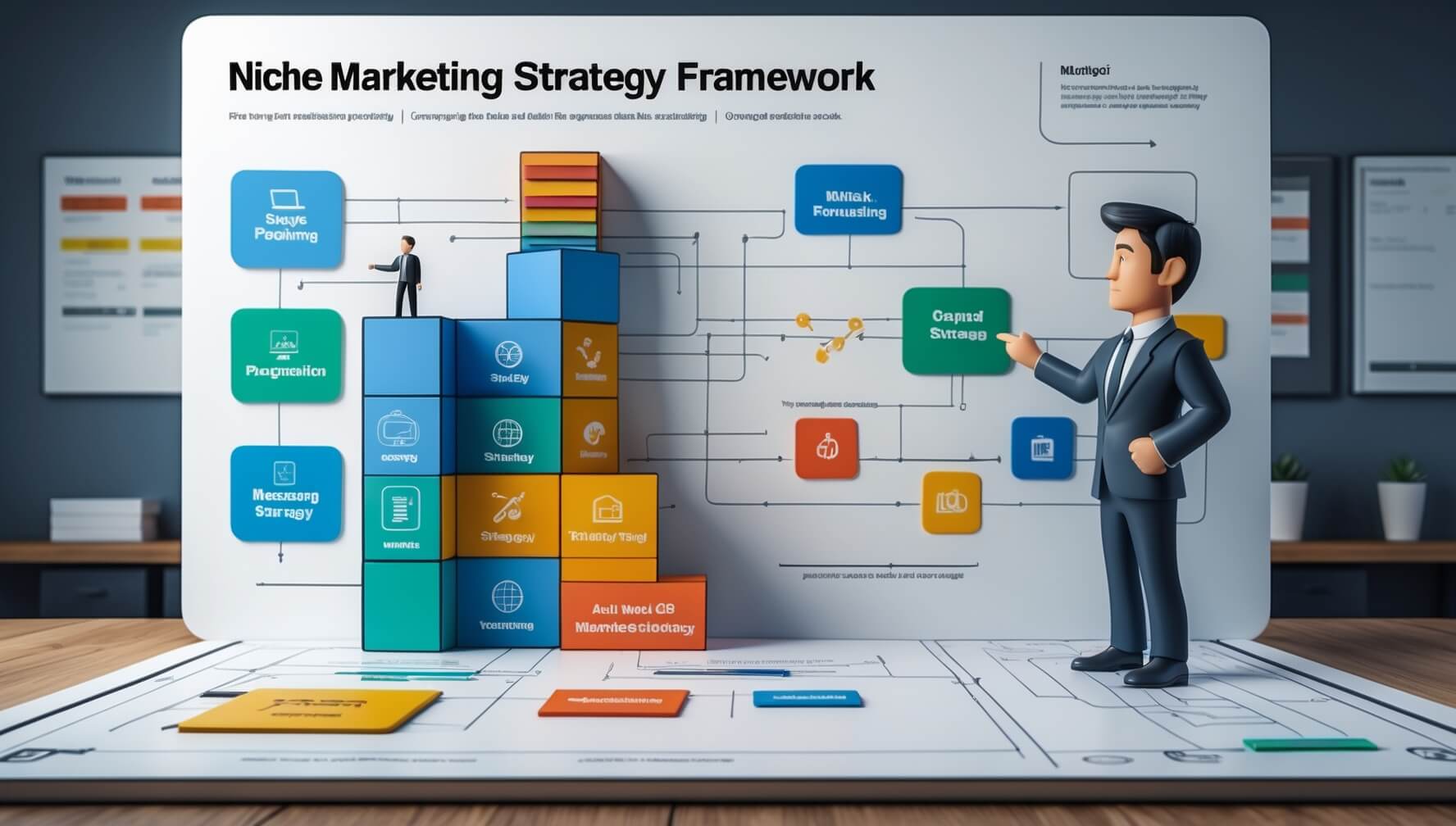
Strategic content marketing begins with clear frameworks aligning content initiatives with business objectives and audience needs. Without strategic foundations, content efforts scatter across disconnected tactics producing minimal cumulative impact. Building robust content marketing frameworks requires systematic approaches integrating audience research, competitive analysis, and measurable goal-setting.
Define Clear Business Objectives and Content Goals
Effective content marketing starts by establishing specific, measurable objectives tied directly to business outcomes. Vague goals like “increase brand awareness” provide insufficient direction—successful content strategies define precise targets: generate 500 marketing-qualified leads quarterly, reduce customer acquisition cost by 30%, or achieve 25% year-over-year organic traffic growth. When content goals connect directly to revenue metrics, executive stakeholders understand content marketing’s strategic value rather than viewing it as discretionary expense.
Goal hierarchies help organize content initiatives across different funnel stages. Top-of-funnel content builds awareness through educational resources, thought leadership, and trend analysis reaching broad audiences. Middle-funnel content guides evaluation through comparison guides, detailed how-tos, and expert interviews helping prospects assess options. Bottom-funnel content drives conversions through customer stories, implementation guides, and ROI calculators that seal purchasing decisions. Recent research shows that companies utilizing content marketing experience 6x higher conversion rates than those without strategic content initiatives, demonstrating goal-driven content’s transformative potential.
Conduct Comprehensive Audience Research
Deep audience understanding separates exceptional content from forgettable noise. Comprehensive research examines demographics (age, location, income, education), psychographics (values, interests, lifestyle), and behavioral patterns (content consumption habits, purchase triggers, decision-making processes). Rather than relying on assumptions, successful content marketers gather empirical evidence through customer surveys, interviews, analytics analysis, and social listening revealing authentic audience needs and preferences.
Creating detailed buyer personas transforms abstract audience data into concrete character profiles guiding content decisions. Effective personas include demographic details, professional roles, goals and challenges, content preferences, and decision criteria. For B2B contexts particularly, understanding purchasing committee dynamics—identifying technical evaluators, budget holders, and end users—ensures content addresses all stakeholders influencing buying decisions. Personas evolve as businesses learn more about audiences, requiring regular updates reflecting market changes and emerging insights.
Map the Customer Journey
Customer journey mapping visualizes the complete path from initial awareness through consideration, decision, and post-purchase stages. Each journey phase presents distinct information needs requiring specific content approaches. Awareness-stage prospects need educational content explaining problems and potential solutions without aggressive sales pitches. Consideration-stage prospects compare alternatives requiring detailed feature comparisons, case studies demonstrating outcomes, and expert perspectives validating approaches. Decision-stage prospects finalize choices needing pricing transparency, implementation details, and risk-mitigation information reducing purchase anxiety.
Journey mapping identifies content gaps where prospects lack information needed to progress toward purchase. By aligning content inventory against journey stages, marketers spot opportunities creating high-impact content addressing critical decision points. Post-purchase journey stages prove equally important—onboarding content, advanced usage guides, and community resources prevent churn while creating advocates who generate valuable word-of-mouth promotion extending content reach organically.
| Journey Stage | Customer Mindset | Content Types | Key Objectives |
|---|---|---|---|
| Awareness | Experiencing problems, seeking information | Blog posts, guides, research reports, social content | Build visibility, establish authority, attract traffic |
| Consideration | Evaluating solutions, comparing alternatives | Comparison guides, case studies, webinars, expert interviews | Demonstrate value, differentiate from competitors |
| Decision | Ready to purchase, reducing risk | Product demos, testimonials, pricing guides, ROI calculators | Drive conversions, overcome objections |
| Post-Purchase | Maximizing value, seeking support | Onboarding resources, tutorials, community forums, success stories | Reduce churn, create advocates, encourage expansion |

Content Creation Excellence: Producing High-Impact Assets
Creating compelling content that resonates with audiences and drives results requires systematic approaches balancing creativity with strategic discipline. Quality content doesn’t happen accidentally—it results from deliberate processes ensuring every asset delivers genuine value while advancing business objectives.
Prioritize Quality Over Quantity
Content volume alone never guarantees success—publishing mediocre content frequently generates less value than producing fewer exceptional pieces. Search engines increasingly prioritize content quality through algorithm updates rewarding depth, expertise, and user satisfaction while penalizing thin, derivative content. One comprehensive, authoritative guide addressing topic exhaustively typically outperforms dozens of superficial posts covering subjects inadequately. Quality-focused approaches concentrate resources on creating genuinely valuable content audiences want to consume, share, and reference repeatedly.
Defining quality requires understanding what constitutes value for specific audiences. B2B technical audiences value detailed specifications, implementation guidance, and performance benchmarks supporting informed decisions. Consumer audiences often prioritize entertainment, inspiration, or practical tips solving everyday problems. Regardless of audience, quality content demonstrates expertise through original research, unique perspectives, or comprehensive coverage unavailable elsewhere. Investing time in thorough research, thoughtful analysis, and polished production pays dividends through superior engagement and lasting impact.
Leverage Diverse Content Formats
Format diversity expands content reach by accommodating different consumption preferences and contexts. Some audiences prefer reading detailed articles, while others favor watching videos or listening to podcasts during commutes. Multiple formats addressing identical topics maximize accessibility—converting written guides into video tutorials, infographics, or audio content lets single ideas reach varied audience segments through their preferred channels.
Video content particularly demonstrates exceptional effectiveness across platforms. Recent data confirms viewers retain 95% of messages from video compared to just 10% from text, explaining video’s popularity for product demonstrations, explainer content, and testimonials. Short-form video dominates social platforms, with TikTok, Instagram Reels, and YouTube Shorts driving massive engagement through quickly consumable content. Meanwhile, long-form video on YouTube excels for detailed tutorials and educational content requiring extended attention. Balance short engagement-focused content with substantive long-form pieces building authority and trust.
Incorporate Storytelling and Emotional Connection
Facts and features inform, but stories persuade and inspire. Storytelling transforms abstract concepts into relatable narratives creating emotional connections that drive decision-making. Customer success stories illustrate how products solve real problems for people facing similar challenges. Founder stories humanize brands by revealing motivations, struggles, and values guiding business decisions. Even data-heavy content benefits from narrative framing—presenting statistics as part of larger stories about market evolution or customer transformation makes information memorable and meaningful.
Authentic stories resonate powerfully because audiences recognize genuine experiences versus manufactured marketing messages. User-generated content—customer testimonials, social media posts, community contributions—adds credibility through independent validation. Encouraging customers to share their stories and featuring authentic voices throughout content marketing builds trust that corporate messaging alone cannot achieve. Authenticity matters increasingly as audiences develop sophisticated filters detecting insincere promotional content.
Optimize for Search Intent and SEO
Creating outstanding content provides little value if target audiences never discover it. Search engine optimization ensures content reaches people actively seeking related information, making SEO-driven content among the highest ROI channels. Effective SEO starts with keyword research identifying terms audiences use when searching for solutions. However, keyword research extends beyond identifying high-volume terms—understanding search intent reveals whether users seek informational content, comparison tools, or transactional pages ready for purchase.
Optimizing content for search requires natural keyword integration throughout titles, headings, body copy, and meta descriptions without compromising readability. Structured content using clear heading hierarchies helps search engines understand topic organization and relevance. Internal linking connects related content pieces, distributing authority across sites while helping visitors discover additional valuable resources. Technical optimization—fast page load speeds, mobile responsiveness, clean URL structures—ensures search engines can efficiently crawl and index content. According to industry analysis, SEO-driven content delivers the highest long-term ROI with average cost-per-acquisition 62% lower than paid search, though typically requiring 6-12 months to reach peak performance.
Distribution and Promotion Strategies
Creating exceptional content represents only half the equation—strategic distribution ensures content reaches intended audiences through appropriate channels at optimal times. Content distribution requires systematic approaches combining owned, earned, and paid channels maximizing reach while maintaining efficiency.
Develop Multichannel Distribution Plans
Relying on single distribution channels creates unnecessary risk—algorithm changes, platform policy updates, or competitive dynamics can suddenly diminish reach through any individual channel. Diversified distribution spreads content across owned channels (email lists, blogs, websites), earned channels (social shares, media coverage, influencer mentions), and paid channels (social advertising, sponsored content, display ads). This multichannel approach builds resilience while reaching audiences wherever they consume content.
Channel selection should align with audience behaviors rather than marketer preferences. B2B audiences concentrate on LinkedIn, where professional content performs strongly. Visual brands thrive on Instagram and Pinterest. Technical communities gather on Reddit, Discord, and specialized forums. Research where target audiences spend time and prioritize channels matching these patterns. Distribution timing matters equally—analyzing when audiences actively engage helps schedule content for maximum visibility rather than defaulting to arbitrary publishing times.
Leverage Social Media Strategically
Social media amplifies content reach through sharing mechanics enabling viral distribution beyond initial audiences. However, social success requires platform-specific approaches recognizing each network’s unique characteristics and user expectations. LinkedIn audiences expect professional insights and industry analysis. Twitter/X values concise commentary and real-time discussion. Instagram prioritizes visual storytelling. Repurposing identical content across platforms without adaptation usually underperforms compared to platform-optimized content respecting each community’s norms.
Consistent posting schedules maintain audience engagement and algorithm favor—platforms reward active accounts by showing content to more users. Content calendars help maintain consistency while preventing last-minute scrambles creating rushed, lower-quality posts. Engagement proves equally important as publishing—responding to comments, participating in discussions, and acknowledging shares builds community relationships extending organic reach. Social media analytics reveal which content types resonate most, informing future creation and distribution decisions.
Build and Nurture Email Lists
Email marketing remains among the highest-converting content distribution channels despite social media’s visibility. Unlike rented audiences on social platforms vulnerable to algorithm changes, email lists represent owned audiences marketers control directly. Building substantial email lists requires offering compelling value propositions motivating visitors to share contact information—exclusive content, downloadable resources, webinar access, or community membership all serve as effective list-building incentives.
Segmented email campaigns dramatically outperform generic broadcasts by delivering personalized content matching subscriber interests and journey stages. New subscribers receive welcome sequences introducing brands and establishing expectations. Active customers get product updates and usage tips maximizing value. Lapsed users receive re-engagement campaigns with special offers or content highlighting missed developments. Email personalization extends beyond name insertion to include behavioral triggers, preference-based recommendations, and dynamic content adapting to individual subscriber characteristics.
Repurpose Content Across Formats
Content repurposing maximizes production investments by transforming single pieces into multiple assets serving different purposes and channels. One comprehensive research report generates blog post summaries, social media snippets, infographic visualizations, video presentations, podcast episodes, and email newsletter features. Repurposing extends content lifespan while reaching audiences preferring varied formats without requiring completely new creation efforts for each asset.
Strategic repurposing considers how format changes can add value rather than simply reformatting existing material. Video tutorials might extract key quotes for social posts, add visual examples enhancing comprehension, or combine multiple related videos into comprehensive courses. Webinar recordings become blog transcripts, slide decks, and short promotional clips teasing full sessions. This multiplier effect ensures maximum return from content creation investments while maintaining consistent messaging across channels.

Personalization and Audience Segmentation
Generic one-size-fits-all content increasingly underperforms as audiences expect relevant experiences tailored to their specific situations, interests, and needs. Personalization transforms content from broad messaging into targeted communications feeling individually relevant to each recipient.
Implement Data-Driven Personalization
Effective personalization relies on data revealing individual preferences, behaviors, and characteristics enabling content customization. Behavioral data tracks interactions like page views, content downloads, and email engagement indicating topic interests. Demographic and firmographic data provides context about industries, company sizes, and roles informing appropriate messaging. Psychographic data examining attitudes and values enables deeper personalization resonating with personal motivations beyond surface-level characteristics.
Technology enables personalization at scale through marketing automation, AI-powered recommendations, and dynamic content delivery. Website personalization shows different homepage experiences based on visitor sources, previous interactions, or detected interests. Email personalization delivers segment-specific offers and content recommendations based on past behaviors. Studies demonstrate that personalization can boost engagement by up to 84%, making it among the most effective content marketing strategies. Advanced personalization generates 42% higher conversion rates than generic content, with organizations implementing AI-driven personalization at scale reporting revenue increases of 10-30%.
Segment Audiences for Targeted Messaging
Audience segmentation divides broader audiences into distinct groups sharing common characteristics enabling tailored content strategies for each segment. Demographic segmentation groups by age, location, or income. Behavioral segmentation clusters based on purchase history, content consumption patterns, or engagement levels. Value-based segmentation differentiates high-value customers deserving premium content and attention from casual browsers requiring different approaches moving them toward conversion.
Segment-specific content addresses unique needs more effectively than generic messaging attempting to appeal to everyone simultaneously. New customer segments need onboarding content and educational resources. Existing customers want advanced tips maximizing value from current products. Enterprise prospects require detailed security documentation and compliance information less relevant to small business buyers. Creating targeted content libraries for key segments ensures relevant resources exist addressing each group’s specific questions and concerns throughout their journeys.
Performance Measurement and Continuous Improvement
Data-driven content marketing requires systematic performance measurement identifying what works, what doesn’t, and where optimization opportunities exist. Without measurement, content strategies rely on intuition and assumptions rather than empirical evidence guiding resource allocation toward highest-impact activities.
Establish Key Performance Indicators (KPIs)
Meaningful measurement starts with defining relevant KPIs connecting content performance to business outcomes. Vanity metrics like page views or social followers provide limited insight unless connected to conversion outcomes. More valuable KPIs include organic traffic growth indicating SEO effectiveness, lead generation volume showing conversion optimization success, email engagement rates revealing audience interest levels, and customer acquisition cost demonstrating efficiency. Revenue attribution tracking which content influences purchases provides ultimate validation of content marketing’s business impact.
Different content types require different success metrics. Top-funnel awareness content measured through reach, impressions, and new visitor acquisition. Middle-funnel consideration content evaluated via engagement depth, return visitor rates, and lead capture. Bottom-funnel conversion content assessed by conversion rates, revenue influence, and sales cycle impact. Aligning measurement frameworks with content objectives ensures performance evaluation reflects intended purposes rather than applying uniform metrics regardless of content goals.
Leverage Analytics Tools and Platforms
Modern analytics platforms provide comprehensive visibility into content performance across channels and touchpoints. Google Analytics tracks website traffic sources, user behaviors, and conversion paths revealing how visitors discover and engage with content. Social media analytics built into platforms like LinkedIn, Facebook, and Twitter show post-level performance including reach, engagement, and click-through rates. Marketing automation platforms measure email campaign performance and lead nurturing effectiveness. Combining data from multiple sources creates holistic performance views impossible from single-platform analysis.
Attribution modeling helps understand how content influences conversions across multi-touch customer journeys. First-touch attribution credits initial content introducing prospects. Last-touch attribution rewards final content before conversion. Multi-touch attribution distributes credit across all content touchpoints recognizing multiple influences on purchasing decisions. While perfect attribution remains elusive, improving attribution accuracy helps optimize content investments toward highest-converting assets and channels.
Conduct Regular Content Audits
Periodic content audits systematically evaluate existing content inventories identifying high-performers worth amplifying, underperformers requiring optimization, and outdated material needing updates or removal. Audits examine metrics like organic traffic, conversion rates, engagement depth, and backlink profiles revealing content driving results versus content consuming resources without commensurate returns.
Audit findings inform strategic decisions about content refresh priorities, format diversification opportunities, and topic gap identification. High-performing content earning strong engagement but minimal conversions might need clearer calls-to-action or improved conversion paths. Quality content ranking poorly in search likely needs SEO optimization improving visibility. Outdated statistics, broken links, or obsolete product information damage credibility requiring immediate updates maintaining accuracy and trustworthiness.
Implement Continuous Testing and Optimization
Content marketing excellence requires continuous experimentation testing hypotheses about what resonates with audiences. A/B testing compares content variations isolating variables like headlines, formats, calls-to-action, or visual elements to identify highest-performing approaches. Testing one variable at time prevents confounding factors obscuring which specific changes drove performance differences. Systematic testing programs compound improvements over time as winning variations become new baselines for subsequent tests.
Optimization extends beyond individual content pieces to encompass broader strategic decisions. Testing different publishing frequencies reveals optimal posting cadences balancing consistency with production capacity. Channel allocation tests determine which distribution platforms deliver best ROI justifying increased investment. Content type experimentation identifies format preferences guiding production priorities. Embracing experimentation mindsets while accepting that not every test produces positive results accelerates learning and improvement rates.

Emerging Trends Shaping Content Marketing’s Future
Staying current with evolving content marketing trends enables competitive advantages as early adopters capture benefits before strategies become saturated. Several significant trends are reshaping content marketing landscapes requiring strategic responses from forward-thinking marketers.
AI-Powered Content Creation and Optimization
Artificial intelligence transforms content marketing through automation, personalization, and optimization capabilities previously impossible at scale. AI writing assistants help generate drafts, brainstorm ideas, and overcome creative blocks accelerating production workflows. AI-powered personalization engines deliver dynamic content adapting to individual user preferences and behaviors in real-time. Predictive analytics forecast content performance enabling data-driven topic selection and format decisions before creation begins.
However, AI serves best as augmentation rather than replacement for human creativity and strategic thinking. According to recent surveys, 52% of companies already use AI to improve marketing efficiency, with adoption accelerating rapidly. While AI excels at data analysis, pattern recognition, and routine tasks, human judgment remains essential for strategic direction, creative innovation, and authentic storytelling. The most effective approaches combine AI efficiency with human expertise creating scalable content systems producing quality output.
Interactive and Immersive Content Experiences
Passive content consumption gives way to interactive experiences engaging audiences actively rather than merely presenting information for consumption. Interactive content—quizzes, assessments, calculators, configurators—converts twice as effectively as static content while generating 4-5x more pageviews. Interactive infographics allow users to explore data dynamically revealing relevant insights through user-controlled navigation. Interactive videos with clickable elements, branching scenarios, and embedded forms create personalized viewing journeys increasing engagement and retention.
Augmented reality (AR) and virtual reality (VR) technologies enable immersive brand experiences previously impossible through traditional media. Furniture retailers let customers visualize products in home environments through AR apps. Real estate companies offer virtual property tours. Automotive brands provide immersive test drive simulations. As technologies become more accessible, immersive experiences will expand beyond early-adopter novelty into mainstream content marketing tools.
Community-Driven and User-Generated Content
Brands increasingly recognize that audiences themselves represent powerful content creators whose authentic voices carry more credibility than corporate messaging alone. User-generated content campaigns encourage customers to share experiences, photos, reviews, and stories featuring products or services. This content provides social proof influencing purchase decisions while generating authentic material brands can feature across channels with proper permissions and attribution.
Building engaged communities around brands creates ongoing content generation and amplification engines. Online communities on platforms like Discord, Slack, Reddit, or branded forums foster peer-to-peer discussions where community members answer questions, share tips, and advocate organically. Brand roles shift from sole content creators to community facilitators nurturing conversations and highlighting valuable community contributions. Community-driven approaches scale content production beyond what marketing teams alone could produce while building loyalty through inclusive participation.
Video-First and Short-Form Content Dominance
Video consumption continues explosive growth with platforms like TikTok, Instagram Reels, and YouTube Shorts driving engagement through quick, entertaining content. Short-form video particularly resonates with younger audiences expecting fast-paced, visually engaging content consumable in seconds rather than minutes. Brands adapting to short-form requirements create snackable content delivering value quickly while maintaining production quality that reflects brand standards.
Long-form video simultaneously thrives on platforms like YouTube where in-depth content builds authority and loyalty. Educational tutorials, detailed product reviews, and comprehensive guides serve audiences seeking substantive information rather than quick entertainment. The key lies in strategic balance—using short-form content for awareness and engagement while leveraging long-form content for deeper education and relationship building. According to projections, 82% of all online content will be video-based by 2027, making video literacy essential for content marketers across industries and segments.
| Trend | Key Characteristics | Implementation Approach | Expected Impact |
|---|---|---|---|
| AI-Powered Content | Automation, personalization, predictive analytics | Augment human creativity with AI tools for efficiency | Faster production, improved personalization, 52% adoption rate |
| Interactive Content | Quizzes, calculators, AR/VR experiences | Create engaging, user-controlled experiences | 2x conversion rates, 4-5x higher engagement |
| Community Content | User-generated content, peer discussions | Build platforms for customer stories and interactions | Authentic social proof, scaled content production |
| Video Dominance | Short-form and long-form video content | Balance quick engagement with in-depth education | 95% message retention, 82% of content by 2027 |
Conclusion: Implementing Effective Tips for Content Marketing
Mastering content marketing requires systematic approaches integrating strategic planning, creative execution, data-driven optimization, and continuous adaptation to evolving trends. These tips for content marketing provide comprehensive frameworks for developing content programs generating measurable business impact—from establishing clear objectives and conducting thorough audience research through creating compelling content, optimizing distribution, implementing personalization, and measuring performance systematically.
Content marketing’s proven ROI—generating three times more leads per dollar than traditional advertising while costing 62% less—demonstrates its strategic value when executed effectively. However, success demands commitment to quality over quantity, strategic distribution beyond simple publication, personalization reflecting individual audience needs, and continuous measurement enabling iterative improvement. Organizations building content marketing capabilities position themselves for sustainable competitive advantages as content increasingly drives customer acquisition, engagement, and retention across industries.
The future belongs to brands combining human creativity with technological capabilities, authentic storytelling with data-driven optimization, and consistent execution with adaptive experimentation. By implementing these evidence-based tips for content marketing while staying attuned to emerging trends like AI integration, interactive experiences, community engagement, and video dominance, marketers can build content programs delivering remarkable results. Content marketing excellence emerges not from single tactics but from integrated systems where strategy, creation, distribution, and measurement work synergistically advancing business objectives while genuinely serving audience needs. Organizations embracing this holistic approach will capture content marketing’s full potential transforming it from marketing expense into powerful growth engine driving lasting business success.
Comments are closed.