Cart 0

Share
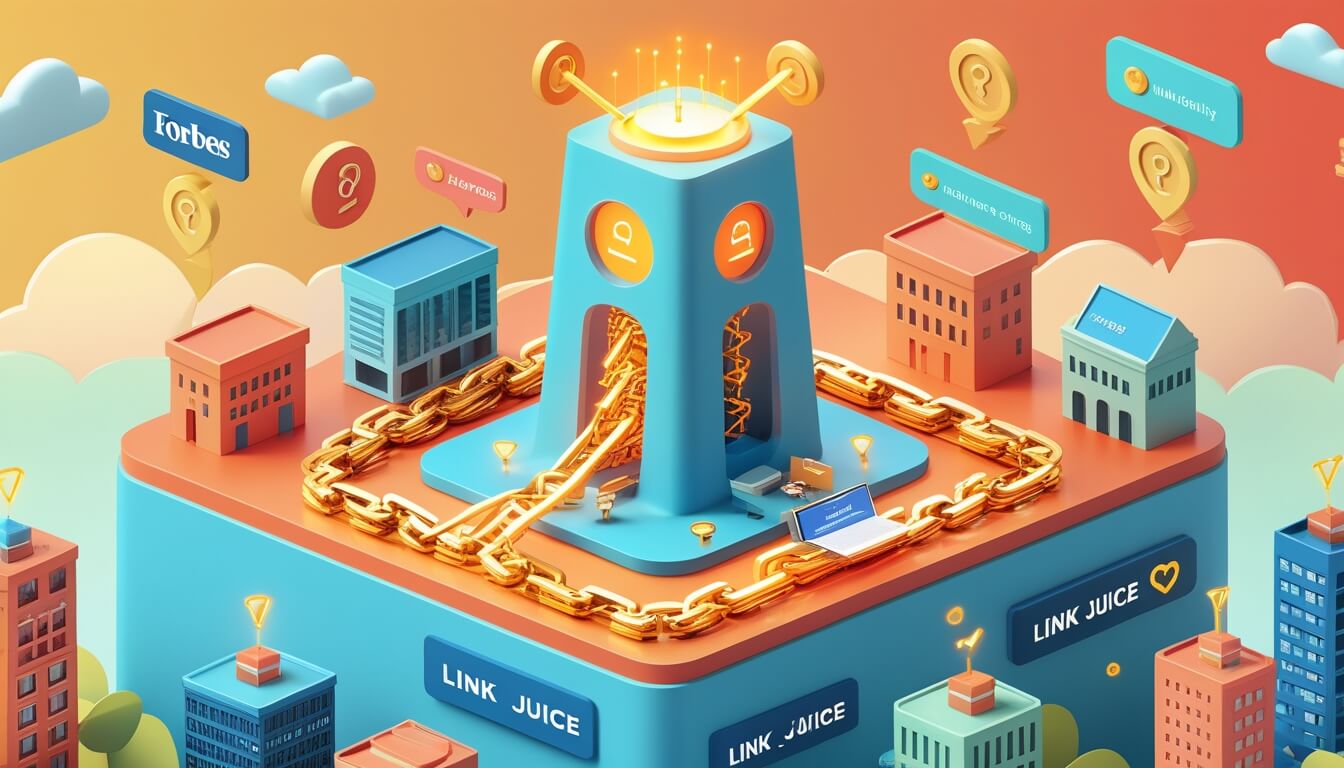
For any website serious about organic growth, understanding and acquiring do follow backlinks is non-negotiable. These specific types of hyperlinks are the cornerstone of a powerful SEO strategy, directly influencing your site’s authority and rankings on search engine results pages (SERPs). Unlike their “nofollow” counterparts, do follow links pass valuable link equity—often called “link juice”—from one site to another, signaling to search engines like Google that your content is credible, relevant, and worthy of citation. This article, crafted from over two decades of experience in the trenches of digital marketing, will serve as your definitive guide. We will move beyond basic definitions to explore sophisticated, sustainable strategies for building a high-quality backlink profile that drives lasting visibility and traffic. The goal is not just to list tactics, but to provide the deep strategic understanding needed to execute a link-building campaign that withstands algorithm updates and delivers measurable business results.

Table of Contents
What Are Do Follow Backlinks and Why Do They Matter?
At its core, a do follow backlink is a hyperlink from an external website to your own that does not contain the `rel=”nofollow”` attribute. This absence is critical. It tells search engine crawlers to “follow” this link, to count it as a vote of confidence, and to transfer a portion of the linking page’s authority to your linked page. This transfer is the fundamental mechanism behind PageRank, the original algorithm that made Google successful. While the algorithm has evolved into a complex system of hundreds of ranking factors, the principle of links as votes of trust remains paramount.
The impact of a single do follow backlink is not uniform; it’s weighted. Search engines evaluate the source. A link from a renowned, high-authority site like Harvard University or a major industry publication carries exponentially more weight than a link from a new, unknown blog. This concept is often measured by metrics like Domain Authority (DA) or Domain Rating (DR). Furthermore, relevance is key. A link from a highly authoritative but completely unrelated site (e.g., a pet food site linking to your financial software page) holds less value than a link from a moderately authoritative but highly relevant industry blog. The anchor text—the clickable words of the link—also provides context, telling search engines what your page is about.
The Critical Difference: Do Follow vs. No Follow
It’s a common misconception that nofollow links are worthless. They are not. A nofollow link can drive highly qualified referral traffic and contribute to brand awareness. The distinction lies in their SEO value. A nofollow link includes the `rel=”nofollow”` attribute, which instructs crawlers not to pass ranking credit or “follow” the link to your site. They are essential for a natural-looking link profile—think of links in blog comments, forum posts, or sponsored content—but they do not directly boost your page’s authority in search algorithms.
| Do Follow Backlinks | No Follow Backlinks |
|---|---|
| Pass link equity (“link juice”) to the linked page. | Do not pass link equity; they are a closed pathway for crawlers. |
| Directly influence search engine rankings and domain authority. | Do not directly contribute to SEO rankings. |
| Act as a strong signal of trust, authority, and relevance to search engines. | Primarily serve to drive referral traffic and diversify a link profile. |
| Acquired through earned editorial placements, guest posts, and resource links. | Commonly found in user-generated content, press releases, and paid advertisements. |
Building a Foundation: The Pillars of Modern Link Building
Effective link acquisition in today’s landscape is not about gaming the system; it’s about building a system of genuine value. The old tactics of directory submissions, article spinning, and private blog networks (PBNs) are not only ineffective but dangerous, risking manual penalties from Google that can devastate your traffic. Modern strategy rests on three pillars: creating indispensable content, fostering authentic relationships, and executing strategic outreach.
The first step is a paradigm shift: stop asking “How do I get a link?” and start asking “Why would someone link to this?” Your content must be the answer. This means investing in comprehensive, data-driven resources, original research, insightful commentary, or tools that solve a real problem better than anything else currently available. For instance, a well-researched “State of the Industry” report with proprietary survey data is inherently more linkable than a generic “Top 10 Tips” listicle. This approach aligns perfectly with Google’s Helpful Content System, which rewards content created for people first.
Actionable Strategies for Acquiring Quality Do Follow Backlinks
With a foundation of quality content, you can deploy targeted strategies. Guest posting remains powerful, but the emphasis must be on contributing genuine value to the host publication’s audience, not just securing a link. Your pitch should focus on a unique angle or data you can provide that their readers haven’t seen before.
Broken link building is a classic yet highly effective tactic. Using tools like Ahrefs or Screaming Frog, you can identify broken links (404 errors) on relevant, authoritative websites. You then reach out to the webmaster, courteously notify them of the broken link, and suggest your relevant, high-quality content as a superior replacement. This provides a direct service to the site owner, making them more receptive to your suggestion.
Another sophisticated method is the “Skyscraper Technique,” popularized by Brian Dean of Backlinko. It involves finding content in your niche that has already attracted many backlinks, creating something significantly better—more comprehensive, better designed, more up-to-date—and then proactively reaching out to everyone who linked to the original piece to suggest your improved resource. This targets websites already proven to link out in your space.

The Art and Science of Link Prospecting and Outreach
Your strategy is only as good as your target list. Effective prospecting goes beyond a simple Google search. Use advanced search operators to find specific link opportunities. For example, searching `”write for us” + “your industry”` or `”submit a guest post” + “your keyword”` can uncover formal guest post guidelines. More powerful is searching for resource pages: `”your topic” inurl:links` or `”recommended resources” + “your niche”` can find pages specifically designed to link out to useful sites.
Outreach is where most campaigns fail. It must be personalized, concise, and mutually beneficial. A templated, mass email blast will be ignored. Reference a specific article on their site, explain why your content complements their work and would benefit their audience, and make the “ask” easy. Tools like Mailchimp for sequencing and Hunter.io for finding email addresses can streamline the process, but the human touch is irreplaceable. Building a relationship before asking for a link—by engaging with their content on social media or commenting thoughtfully on their blog—dramatically increases success rates.
Analyzing and Auditing Your Backlink Profile
You cannot manage what you do not measure. Regular backlink analysis is as crucial as acquisition. A healthy backlink profile is diverse, featuring links from a mix of domain authorities, a variety of relevant referring domains, and natural anchor text. A sudden influx of low-quality, spammy links—often from negative SEO attacks or past poor practices—can trigger algorithmic filters or manual actions.
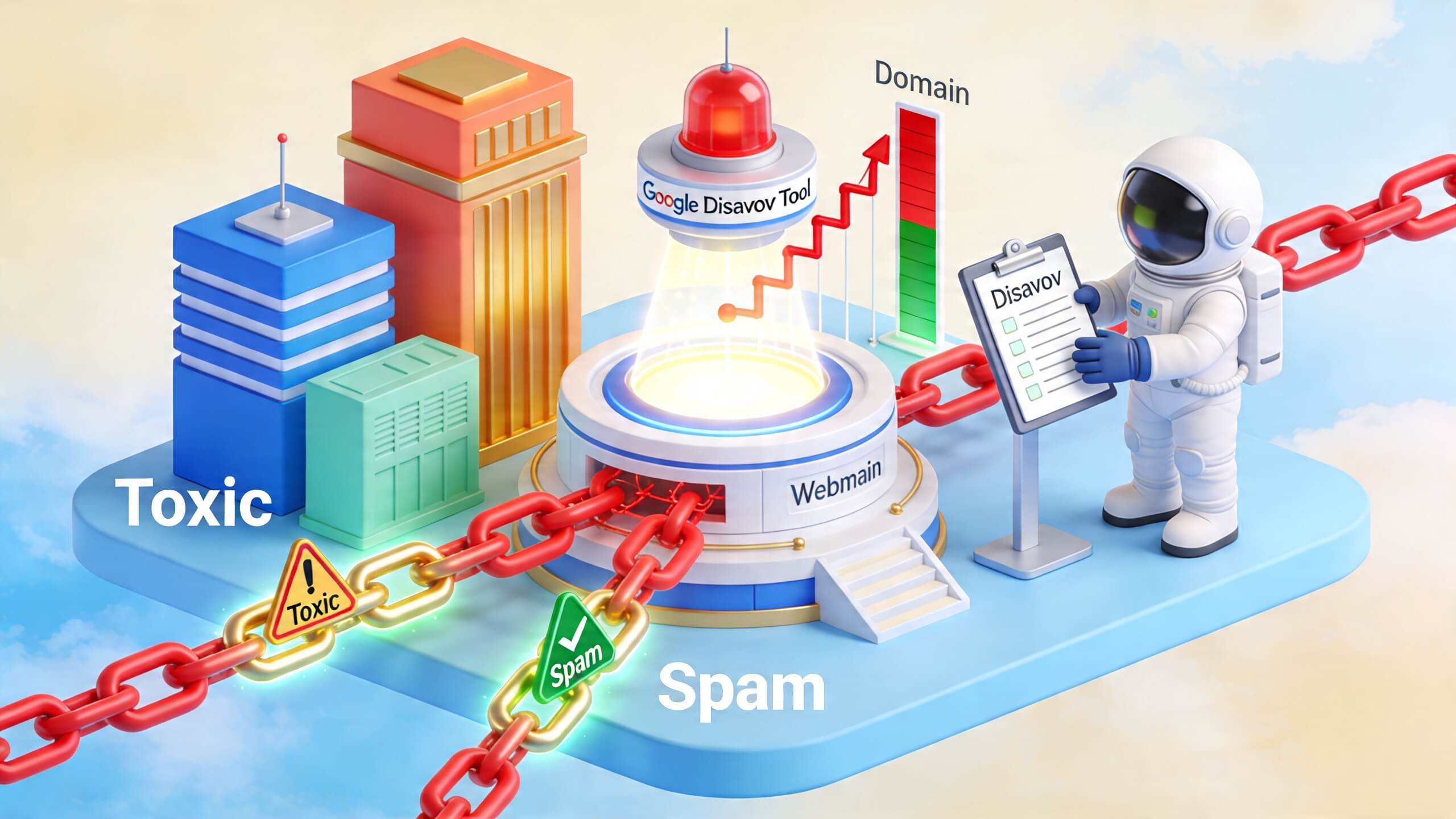
Use a robust tool like SEMrush, Ahrefs, or Moz’s Link Explorer to conduct quarterly audits. Look for toxic links characterized by spammy anchor text (e.g., “buy cheap pills”), links from irrelevant, low-authority sites, or links from known PBNs. Google’s Search Console provides a free, essential view of the links Google notices. If you identify harmful links you cannot get removed, you can use Google’s Disavow Tool to ask Google to disregard them, though this should be done with extreme caution and is not a substitute for manual cleanup efforts.
Advanced Concepts: E-A-T and the Future of Link Signals
Google’s guidelines increasingly emphasize Expertise, Authoritativeness, and Trustworthiness (E-A-T), especially for “Your Money or Your Life” (YMYL) topics. Do follow backlinks from authoritative sources are a primary external validator of your site’s E-A-T. A link from the Mayo Clinic to your health blog is a powerful trust signal. Therefore, your link-building efforts should increasingly focus on earning recognition from established institutions, academic sources, and government websites (.gov domains).
The future of link building will likely integrate more with overall brand building and digital PR. Earning mentions and links from major news outlets through data-driven stories or expert commentary (often called “digital PR”) builds powerful do follow backlinks and brand visibility simultaneously. Furthermore, while still debated, there is evidence that strong “brand signals”—such as a high volume of branded search queries and consistent mentions across the web—can reinforce the authority passed by traditional links. This means integrating your SEO and public relations strategies is no longer optional for competitive sectors.
Sustaining Success: Building a Process, Not Just a Campaign
The biggest mistake is treating link building as a one-off project. It is an ongoing marketing function. Sustainable success comes from building a repeatable process: ideation, creation, prospecting, outreach, and analysis. This requires resource allocation, whether it’s dedicating internal team members or partnering with a specialized agency.

Focus on building assets that generate links passively over time. A truly useful industry calculator, an interactive map, or a definitive, regularly updated guide will attract do follow backlinks for years without additional outreach. Monitor your competitors’ backlinks not to copy them, but to understand the landscape and identify new publication opportunities they’ve uncovered. Finally, always correlate your efforts with performance data. Track rankings for target keywords, monitor organic traffic growth, and use analytics to tie specific link acquisitions to increases in visibility. This data-driven approach justifies investment and refines your strategy.
Conclusion
Mastering the art of acquiring do follow backlinks is a marathon, not a sprint. It demands a commitment to quality, a strategic mindset, and relentless execution. The journey begins with a fundamental shift from seeking shortcuts to creating undeniable value. By developing content that serves as a primary resource, building genuine relationships within your industry, and deploying tactical outreach with precision, you construct a backlink profile that search engines recognize as a mark of true authority. Remember, each quality link is more than a ranking signal; it’s a gateway for targeted traffic and a testament to your brand’s credibility. In an algorithm that constantly evolves, this principled approach to link building remains the most durable strategy for achieving and sustaining top search engine rankings. If you’re ready to transform your website’s authority with a strategic, white-hat link-building partnership, our team of seasoned experts is here to architect and execute a campaign tailored to your unique goals.