Cart 0

Share
Table of Contents
Why Backlinks Are Important for SEO Success in 2025
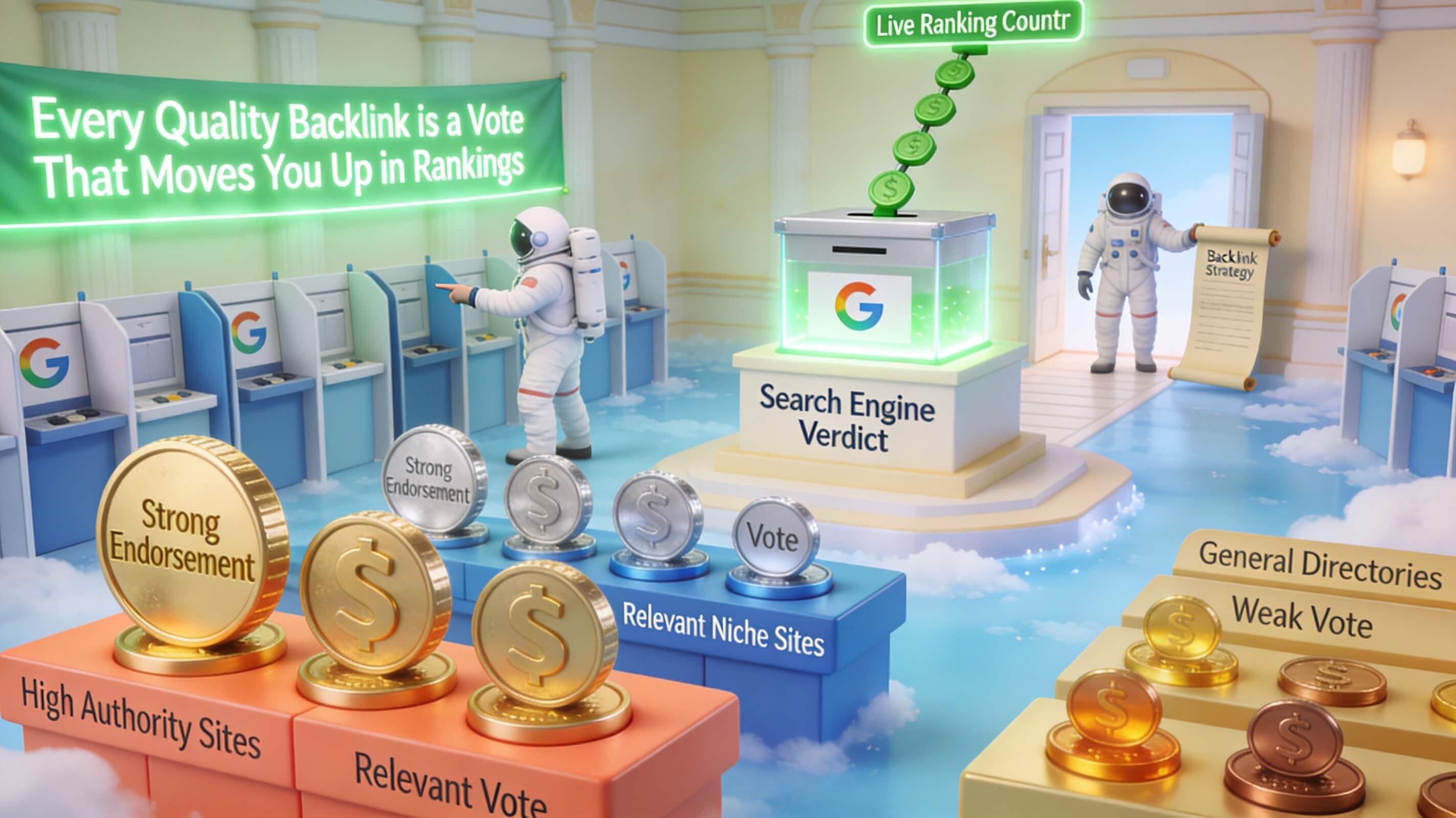
If you have spent any time working on search engine optimization, you have likely heard the term backlinks thrown around in meetings, blog posts, and strategy docs. But here is the truth that too many website owners overlook: backlinks are not just a nice-to-have ranking factor. They are the single most powerful signal search engines use to determine whether your content deserves to appear on page one. A backlink is essentially a vote of confidence from one website to another. When a reputable site links to yours, it tells Google, Bing, or any other search engine that your content is trustworthy, authoritative, and worth surfacing for relevant queries. Without a solid backlink profile, even the most beautifully written, perfectly optimized page will struggle to gain traction in today’s competitive digital landscape.
In my two decades of working in digital marketing, I have seen hundreds of sites go from obscurity to dominance simply by prioritizing link building the right way. The goal of this article is to give you a complete, actionable understanding of why backlinks matter, how they influence rankings and traffic, and exactly how you can build a backlink strategy that delivers real, measurable results. We will go deep into the mechanics of link equity, the difference between high-quality and spammy links, how to analyze your current profile, and the best practices that separate successful campaigns from wasted effort. By the time you finish reading, you will have everything you need to start building a backlink profile that actually moves the needle. Let us begin.
Understanding Why Backlinks Are Important as Trust Signals
Search engines have one primary goal: to deliver the most relevant, trustworthy results for every user query. But how do they decide which pages are trustworthy when there are millions of competing pages on the same topic? The answer lies in backlinks. Every time a website links to another, it is essentially vouching for that content. Think of it as a recommendation system. If a well-respected industry publication like Forbes or a niche authority site links to your page, the search engine interprets that as a strong signal that your content is credible.
The original Google algorithm, PageRank, was built almost entirely on this concept of link-based authority. While the algorithm has evolved immensely since those early days, the fundamental principle remains unchanged. Backlinks continue to be one of the top three ranking factors in Google’s algorithm, alongside content relevance and user experience signals. In fact, studies from industry tools like Ahrefs and Moz consistently show a strong correlation between the number of referring domains pointing to a page and that page’s search engine rankings.
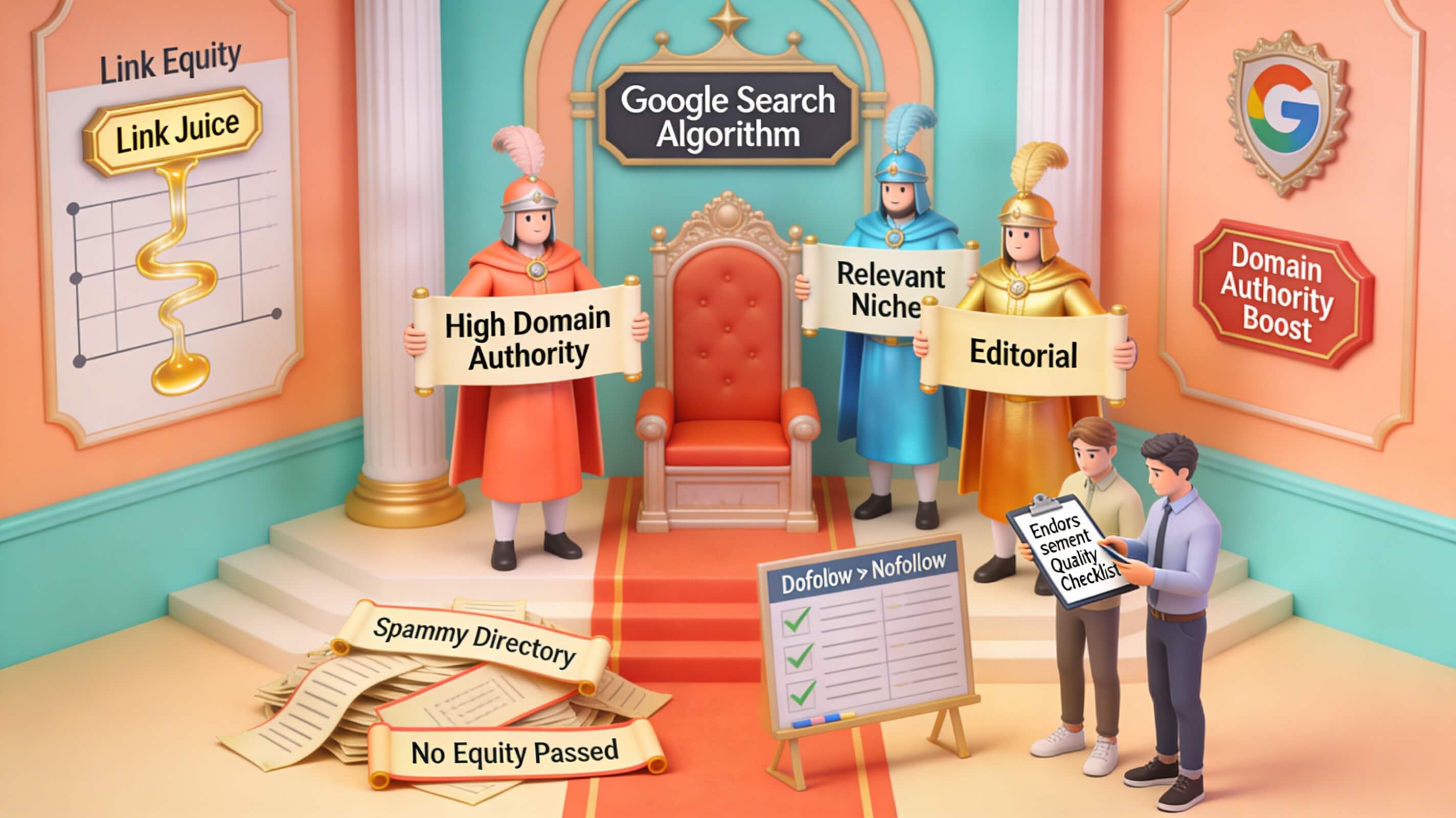
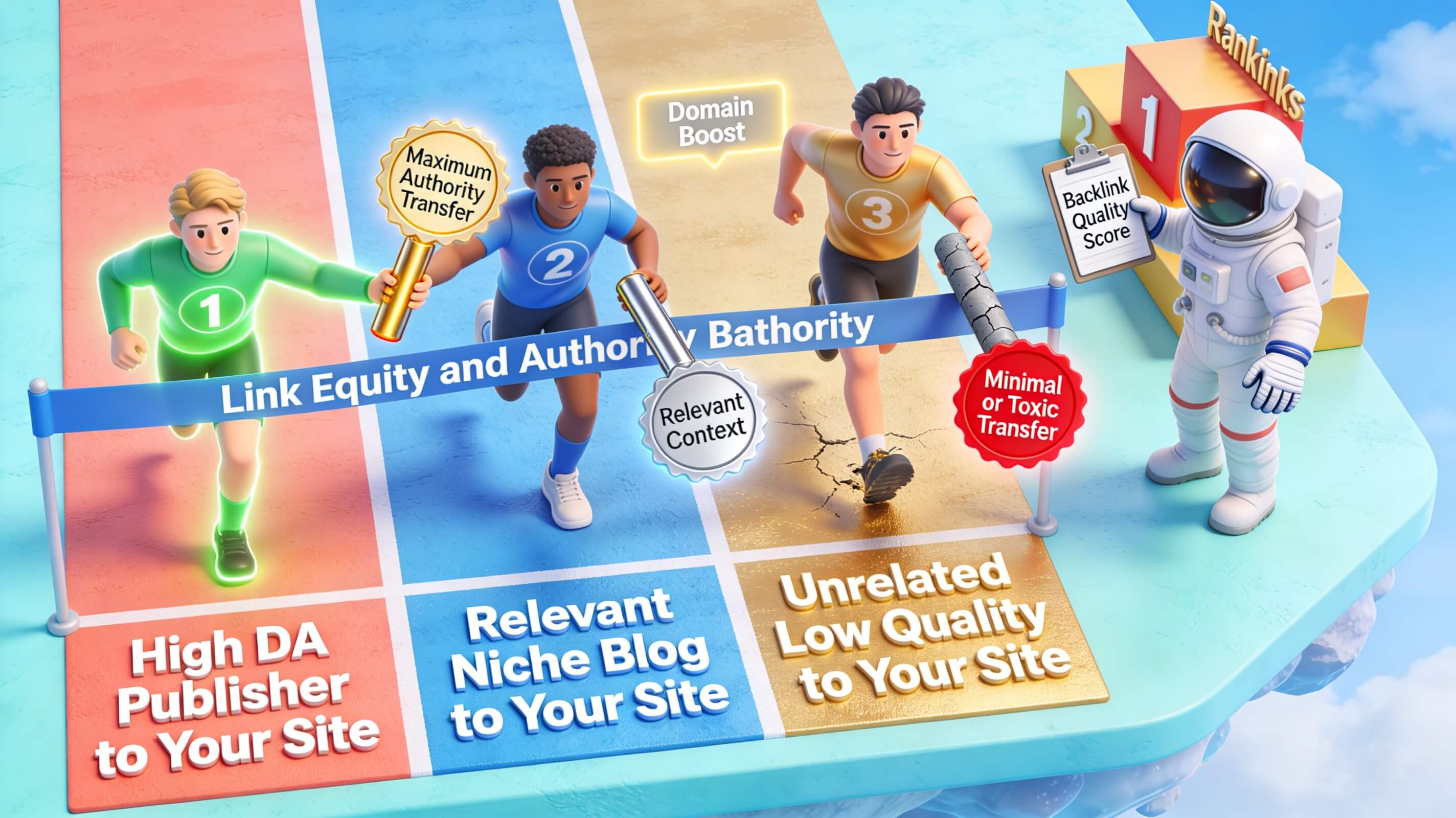
However, not every backlink carries the same weight. Search engines have become incredibly sophisticated at distinguishing between links that are earned naturally and links that are manipulated or bought. A single link from a high-authority, relevant website can do more for your rankings than fifty links from low-quality directories or spammy comment sections. This is why the concept of link quality has become the central focus of any serious link building strategy. You cannot simply chase numbers. You must chase relevance, authority, and context.
From a user perspective, backlinks also serve a practical function. They help users discover new resources and navigate between related content. When you link out to reputable sources within your own articles, you provide additional value to your readers. Similarly, when others link to you, they introduce their audience to your expertise. This creates a web of interconnected, authoritative content that benefits everyone involved. That is the entire ethos of the internet, and it is why search engines place so much emphasis on link signals.
The Core SEO Benefits of Backlinks
Understanding why backlinks are important starts with recognizing the concrete, measurable benefits they bring to your website. These are not theoretical advantages. They are proven outcomes that directly impact your bottom line.
Increased Organic Search Visibility
This is the most obvious benefit, but it deserves a deeper explanation. When you earn high-quality backlinks, your pages begin to rank for keywords that were previously out of reach. The link equity passed from authoritative domains helps your page compete against well-established competitors. Over time, as your backlink profile grows, you will notice your pages appearing for a wider range of relevant queries. This directly translates into more organic traffic without any increase in advertising spend.
Higher Domain Authority and Trust Flow
Domain Authority (DA) and Trust Flow are metrics developed by Moz and Majestic respectively, but they reflect a real concept that search engines use internally. A site with a strong backlink profile is perceived as more authoritative across all of its content. This means that even new pages you publish have a better chance of ranking quickly because the overall trust of your domain carries over. This is why established sites in competitive niches can rank a new post within hours, while a brand new site with no backlinks may take months to get indexed properly.
Faster Indexing and Crawl Efficiency
Search engine bots discover new content primarily through links. When a high-authority site links to your page, it signals to Google that this page is worth crawling and indexing promptly. This is especially valuable for new websites that have not yet built their own crawl budget. Backlinks act as pathways that guide bots through your content, ensuring that your best pages are indexed quickly and accurately.
Referral Traffic That Converts
Beyond the SEO benefits, backlinks are a direct source of referral traffic. When a user clicks a link from another site and lands on your page, that visitor comes with a certain level of trust already established. They are more likely to engage with your content, sign up for your newsletter, or make a purchase compared to a random visitor from a social media feed. This referral traffic often has higher conversion rates because it is contextually relevant.
To summarize these benefits in a clear and actionable format, consider the following table that compares the impact of different backlink quality levels on key SEO metrics.
| Backlink Quality Level | Impact on Rankings | Referral Traffic Potential | Domain Authority Boost | Risk of Penalty |
|---|---|---|---|---|
| High-authority, relevant link | Strong positive | High | Significant | Very low |
| Medium-authority, topical link | Moderate positive | Medium | Moderate | Low |
| Low-authority, unrelated link | Minimal to none | Low | Negligible | Moderate |
| Spammy or paid link | Negative | Very low | Negative | High |
This table makes it clear that chasing quantity at the expense of quality is a losing strategy. Every link you acquire should be evaluated against these criteria before you pursue it.
Key Ranking Factors for Evaluating Backlinks
To build a backlink profile that actually drives results, you need to understand exactly what search engines look for when evaluating each link pointing to your site. These ranking factors are not guesswork. They are based on years of data analysis, algorithm updates, and industry research.
Relevance Above All Else
Relevance is the single most important factor in determining the value of a backlink. A link from a website in your exact niche or a closely related industry carries substantially more weight than a link from a site in an entirely unrelated field. For example, if you run a fitness blog, a link from a respected nutrition site is far more valuable than a link from a car repair forum. Search engines use the context of the linking page and the linking site to assess whether the recommendation makes sense. When the link is highly relevant, it appears natural, and the search engine assigns more trust to that signal.
Domain Authority and Page Authority
The authority of the linking domain and the specific linking page matters enormously. A link from a site with a high Domain Authority passes more link equity than a link from a new or low-authority site. But do not ignore Page Authority entirely. A deep, well-written article on a moderately authoritative site can still pass significant value if the page itself has earned its own backlinks. You want to prioritize links from pages that are themselves well-linked and trusted.
Anchor Text Optimization
Anchor text is the clickable text that contains the hyperlink. Search engines use anchor text as a relevancy signal to understand what the linked page is about. Ideally, your anchor text should be descriptive and include your target keyword phrase where natural. However, overusing exact-match anchor text in an unnatural way can trigger spam filters. A healthy anchor text profile includes branded anchor text, generic calls to action like click here, partial-match keywords, and plain URLs. Diversity is the key to avoiding penalties while still passing relevant signals.
Link Placement Within Content
Where a link appears on a page matters, links embedded within the main body of an article, surrounded by relevant contextual content, carry the most value. Links placed in footers, sidebars, or author bio sections are often devalued because they are easier to manipulate. Search engines treat editorial links that are naturally woven into the narrative as genuine endorsements. This is why guest posting on reputable sites and earning in-content mentions should be a core part of your strategy.
Link Diversity and Natural Profile
A natural backlink profile is diverse. It includes links from different domains, different types of websites, using different anchor text variations, and pointing to different pages across your site. If all of your backlinks come from the same type of source or all use the same anchor text, it looks unnatural. Search engines are adept at detecting patterns that indicate manipulation. Building a diverse profile takes more effort, but it is the only sustainable way to build authority.
Internal Linking as a Foundational Strategy
Before you invest heavily in external backlinks, you must first get your internal linking house in order. Internal links are hyperlinks that point from one page on your domain to another page on the same domain. While they are not the same as external backlinks, they serve a critical supporting role in your overall link strategy.
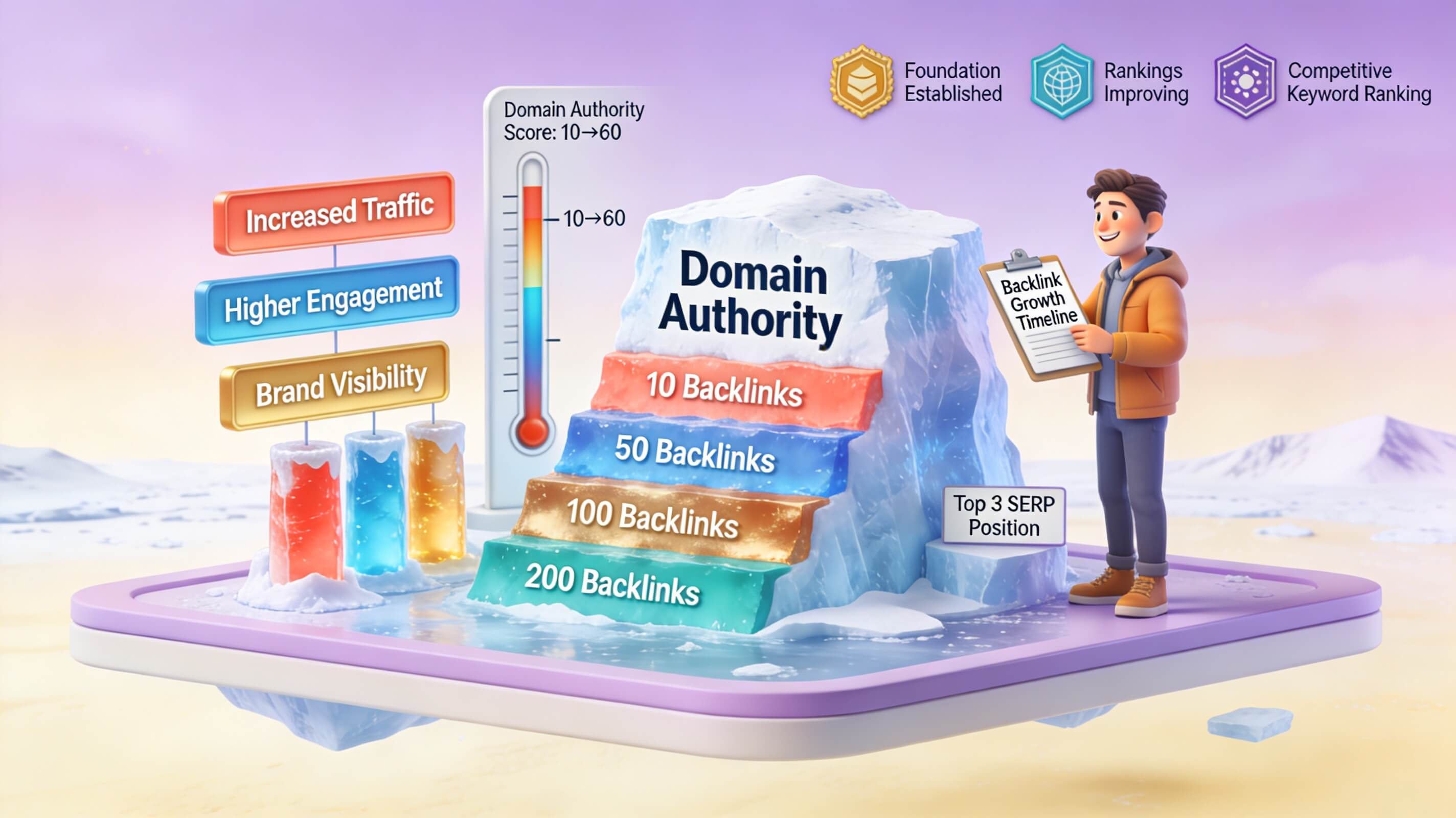
Internal links help search engines understand the structure of your website and the relationship between different pages. They distribute link equity throughout your site, ensuring that even your deeper pages receive some authority from your higher-ranking content. A strong internal linking structure also improves user experience by guiding visitors to related resources, increasing time on site, and reducing bounce rates.
Best practices for internal linking include using descriptive anchor text that accurately describes the linked page, linking to relevant content from within the body of your articles rather than just in navigation menus, and periodically auditing your internal links to fix broken links and update old references. Many site owners neglect this foundational element, but it is one of the easiest and most effective ways to improve your SEO without needing to earn a single external link.
I always advise my clients to treat internal linking as the scaffolding that supports their entire backlink strategy. When you eventually earn a powerful external link to your homepage or a key pillar page, that authority flows through your internal links to other important pages. Without proper internal linking, that link equity is wasted.
How to Build High-Quality Backlinks
Now that you understand the theory, let us get into the practical steps for building backlinks that actually move the needle. This is where most people get stuck, but with a systematic approach, you can generate a steady stream of valuable links.
Create Content That Naturally Attracts Links
The most sustainable way to earn backlinks is to create content that other people want to reference. This means going beyond basic blog posts and producing original research, comprehensive guides, data-driven studies, infographics, and interactive tools. Original data and unique insights are linkable assets because they provide value that cannot be found elsewhere. If you invest in creating a definitive resource on a topic in your niche, other sites will link to it as a citation. This is how you earn organic backlinks without outreach fatigue.
Leverage the Skyscraper Technique
The Skyscraper Technique, popularized by Brian Dean, involves finding existing popular content in your niche, creating something significantly better, and then reaching out to the sites that linked to the original. This method works because you are targeting sites that have already demonstrated a willingness to link to that type of content. You simply give them a superior alternative. The key is to make your version substantially better, whether through more depth, better design, updated data, or additional multimedia elements.
Build Relationships Through Genuine Outreach
Outreach is not about sending templated emails asking for a link. It is about building genuine relationships with other website owners, bloggers, journalists, and influencers in your industry. Start by engaging with their content on social media, leaving thoughtful comments, and sharing their work. Once you have established a connection, you can suggest collaboration opportunities such as guest posts, expert roundups, or joint research projects. When you approach someone as a partner rather than a supplicant, the results are dramatically better.
Guest Blogging on Reputable Sites
Guest blogging remains a viable strategy when done correctly. The key is to target sites that have high domain authority, a strong readership, and editorial standards. Do not accept every guest post opportunity that comes your way. It is better to publish one high-quality guest post on a top-tier site in your niche than twenty mediocre posts on low-quality blogs. Focus on providing genuine value to the host site’s audience, and your author bio link will naturally pass authority back to your site.
Monitor Unlinked Brand Mentions
There are likely hundreds of mentions of your brand, your products, or your name across the web that are not linked. These are low-hanging fruit. Use tools like Google Alerts, Mention, or Ahrefs Content Explorer to track when your brand is mentioned. When you find an unlinked mention, reach out to the site owner politely and ask if they could add a link. Most will be happy to do so because it adds value for their readers.
Analyzing Your Current Backlink Profile
You cannot improve what you do not measure. A thorough backlink analysis is the starting point for any effective link building strategy. You need to know exactly what your current profile looks like, which links are helping you, and which ones might be hurting you.
Use a backlink analysis tool to generate a complete list of your backlinks. Pay attention to the number of referring domains, the distribution of anchor text, the authority of linking sites, and the ratio of dofollow to nofollow links. A healthy profile should have a mix of both dofollow and nofollow links, as this looks more natural.
Identify any toxic or spammy links that could be dragging down your rankings. These often come from link farms, automated directories, or paid link networks. If you find such links, the first step is to try to remove them by contacting the site owner. If that fails, use Google’s Disavow Tool to tell the search engine to ignore those links. Do this sparingly and only for clearly manipulative links.
Regular analysis also helps you identify which of your pages are attracting the most backlinks. This insight can guide your content creation efforts. If a particular topic is generating links, double down on that topic with more in-depth resources.
Tools and Resources for Backlink Management
You do not have to do this work blindly. There are excellent tools available that give you a clear picture of your backlink profile, your competitors’ profiles, and opportunities for new links.
Ahrefs is widely considered the gold standard for backlink analysis. It offers accurate and regularly updated data on referring domains, anchor text, and link growth over time. Its Site Explorer tool allows you to see the top pages by backlinks for any domain, which is invaluable for competitive analysis.
Moz Link Explorer provides a similar set of features with the added benefit of the Domain Authority metric, which has become an industry standard. It is a solid choice, especially if you are already using other Moz tools in your workflow.
SEMrush offers a comprehensive backlink audit tool that integrates with its broader SEO suite. It is particularly useful for identifying toxic links and tracking your progress over time. Majestic SEO is another specialized tool that focuses heavily on link data, with metrics like Trust Flow and Citation Flow that give you a nuanced view of link quality.
On the free side, Google Search Console provides basic but essential backlink data. It shows you the top linked pages on your site and the top linking sites. While it does not offer the depth of paid tools, it is a reliable source of first-party data that you should check regularly.
Conclusion
Backlinks remain one of the most important pillars of any successful SEO strategy, and that is not going to change anytime soon. While the algorithms have evolved to place more emphasis on user experience, content quality, and technical performance, the fundamental signal of a vote of trust from one site to another has only grown more sophisticated and more valuable. Understanding why backlinks are important is the first step. The real work lies in building a systematic, ethical, and patient approach to acquiring them.
The sites that dominate search results today did not get there by accident or by cutting corners. They earned their authority through years of creating content that others wanted to reference, building genuine relationships within their industries, and maintaining a clean, diverse backlink profile. You can do the same, but it requires consistency and a focus on quality over quick wins. Start by auditing your current backlink profile and cleaning up any toxic links. Then, invest your energy into creating truly link-worthy content and reaching out to the right people in the right way. Every high-quality backlink you earn is an asset that compounds over time, driving traffic and authority long after the initial effort.
If you are serious about growing your organic search presence, make backlink building a consistent part of your monthly marketing activities. Track your progress, learn from your results, and keep refining your approach. The competition is fierce, but with the right strategy, you can build a backlink profile that sets your site apart and drives sustainable growth for years to come.