Cart 0

Share
Table of Contents
Brand Authority: Establishing and Amplifying Your Brand’s Dominance
In today’s hypercompetitive market, brand authority is the difference between being a commodity and being the go‑to expert. A consumer who trusts your brand authority will choose you over cheaper alternatives, defend you against criticism, and advocate for you unprompted. The search intent behind “brand authority” is clear: business leaders want a repeatable system to rise above noise, earn trust, and command their industry. Over two decades of helping brands scale, I’ve learned that authority isn’t earned through volume—it’s earned through consistent, credible demonstration of expertise. This article will lay out a proven framework to establish and amplify brand authority, covering everything from foundational pillars to advanced reputation management. By the end, you will have a blueprint to transform your brand perception and achieve market dominance.
Understanding Brand Authority: More Than Just Recognition
Many professionals conflate brand awareness with brand authority. Awareness means people know your name; authority means they trust your answers. The four pillars of brand authority form an interdependent cycle: recognition, credibility, reputation, and trust. Recognition opens the door; credibility makes people listen; reputation builds a story; trust closes the deal. To show how these work together, examine the table below.
| Pillar | Definition | Key Metric |
|---|---|---|
| Brand Recognition | Ability of consumers to identify your brand visually or by name | Unaided recall rate |
| Brand Credibility | Perception that your brand holds expertise and delivers on promises | Third‑party endorsements, certifications |
| Brand Reputation | Collective public opinion about your brand’s character and quality | Net Promoter Score, online sentiment |
| Brand Trust | Confidence that your brand will consistently act in the customer’s interest | Repeat purchase rate, referral frequency |
Neglecting any one pillar creates a weak link. For example, a company with high recognition but poor trust will see high bounce rates. I once consulted for a SaaS firm that had million‑dollar ad spend but single‑digit conversion rates. Their problem wasn’t awareness—it was that no one believed their claims. We rebuilt credibility through case studies, industry awards, and transparent pricing. Within six months, conversion tripled. The lesson: brand authority lives at the intersection of all four pillars.
Building a Solid Foundation for Brand Authority
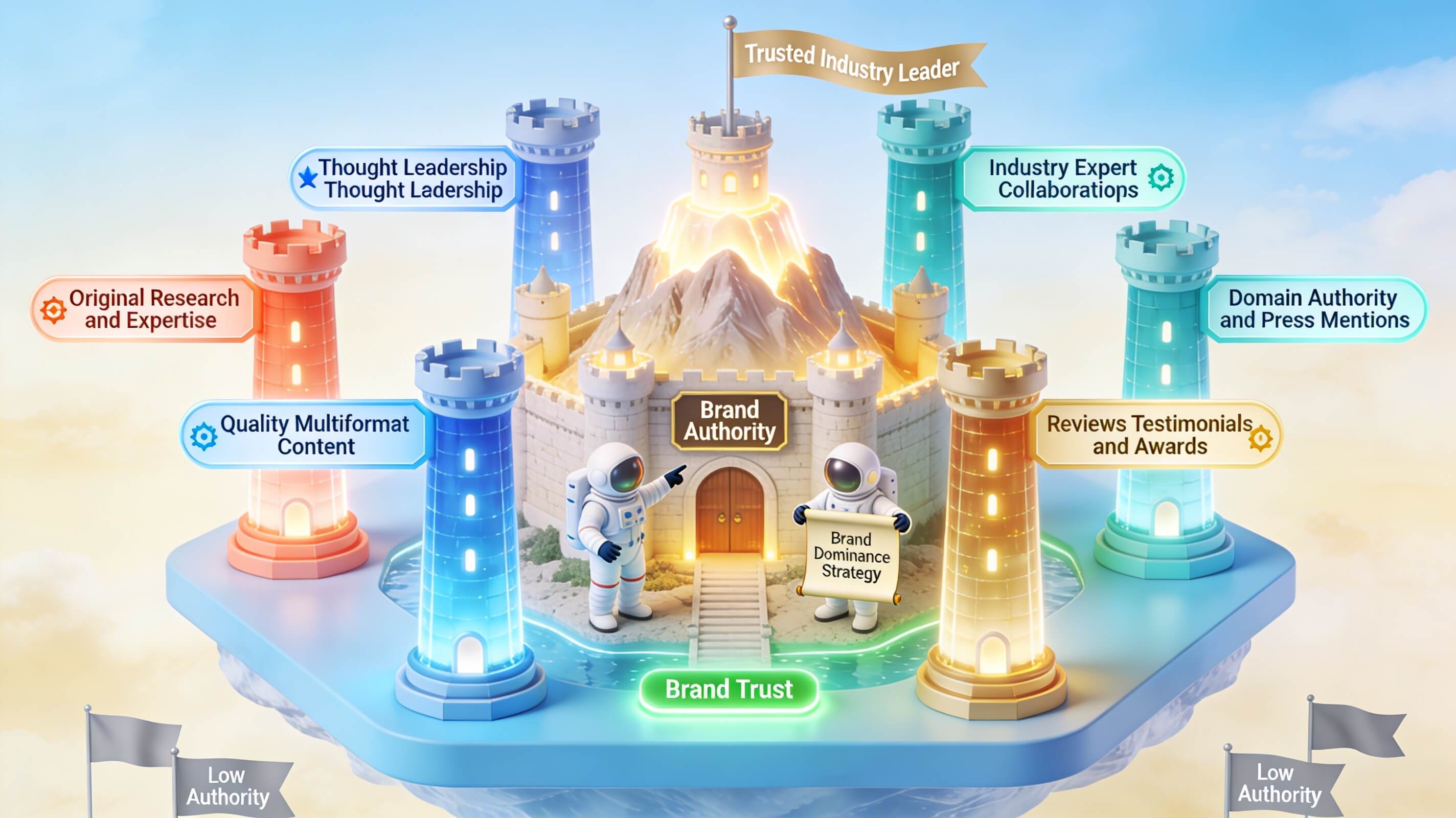
Before you can amplify authority, you need a base that can bear the weight. This foundation comprises visibility, reputation, and voice. Each element reinforces the others. You cannot shout “expert” loudly enough to fix a cracked reputation, nor can you whisper through industry noise. Here is how to build each layer with precision.
Increase Brand Visibility Without Losing Authenticity
Visibility is the fuel for brand authority, but it must be targeted. Blanketed advertising wastes budget. Instead, focus on platforms where your ideal audience already congregates. For a B2B consultancy, that might be LinkedIn and industry publications; for a consumer brand, Instagram and TikTok. Use retargeting to stay top of mind, but pair it with genuine value. A Forbes analysis shows that 67% of buyers cite “thought leadership content” as a reason they awarded business to a firm. So make your visibility efforts educational, not promotional. Sponsor a webinar, write guest posts for Moz or similar authorities, and engage in social listening to appear where conversations happen naturally.
Enhance Brand Reputation Through Customer Experience
Reputation is the byproduct of every interaction. A single negative review can undo years of positive perception if handled poorly. To enhance reputation intentionally, invest in customer service training that empowers employees to resolve issues instantly. Publish authentic testimonials and respond publicly to both praise and criticism. When I worked with a retail chain, we introduced a “no‑questions‑asked” return policy. Complaints dropped 40% and positive mentions surged. As Harvard Business Review notes, trust is built through repeated positive experiences. Consistency is the currency of reputation.
Establish an Authoritative Voice That Commands Respect
Your brand voice should sound like a trusted mentor, not a salesperson. That means using declarative language, citing data, and avoiding qualifiers like “might” or “possibly.” A personal insight: when we rewrote a client’s website copy to replace “we think” with “research shows” and added expert bylines, their page‑one Google ranking for competitive keywords jumped within weeks. Authority voice also requires you to take stands on industry issues. Do not fear polarizing a small group if it galvanizes your core audience. The best authoritative brands—think Patagonia or Neil Patel—unapologetically state their philosophy.
Creating Compelling Content That Cements Authority
Content is the vehicle through which brand authority travels. But not all content builds authority; some dilutes it. The key is to create material that answers the specific questions your audience has, using formats that signal depth: white papers, original research, video series, and comprehensive guides. Below are the five practices I’ve seen work across dozens of industries.
Know your audience at a behavioral level. Demographics are insufficient. You need to understand the fears, ambitions, and daily friction points of your prospects. Conduct surveys, analyze support tickets, and listen to sales call recordings. One client discovered that their top prospects worried most about implementation time, not cost. We created a step‑by‑step migration checklist that became their most‑shared asset.
Develop a content strategy that prioritizes depth over volume. Rather than publishing daily blog posts, commit to one authoritative piece per week. Map each piece to a stage of the buyer’s journey. For early stage, publish industry trend reports. For middle stage, produce comparison guides. For late stage, create case studies with ROI data. The Content Marketing Institute reports that 72% of top performers have a documented strategy, compared to 29% of low performers.
Leverage visuals for cognitive ease. The human brain processes images 60,000 times faster than text. Use infographics to summarize complex frameworks, embed short explainer videos on key pages, and include data visualization in reports. Visuals also increase shareability, which accelerates brand authority spread.
Tell stories that humanize expertise. Facts prove you’re smart; stories prove you’re relatable. Structure a case study like a hero’s journey: the customer had a problem (conflict), your brand provided a unique solution (guide), and the outcome exceeded expectations (resolution). This narrative arc makes your brand authority memorable.
Be authentically transparent. In an era of spin, honesty stands out. If your product has limitations, acknowledge them and explain workarounds. If you made a mistake, admit it publicly and outline corrective measures. Authenticity fosters trust, and trust is the bedrock of brand authority. I recall a software company that published a “Known Issues” page beside their product page. Instead of scaring customers away, it increased trial sign‑ups by 20% because users appreciated the candor.
Leveraging Influencer Partnerships to Amplify Credibility
Influencer marketing, when done correctly, transfers the influencer’s trust to your brand. But the default approach—paying macro‑influencers for a one‑off post—rarely builds sustainable brand authority. Instead, treat influencers as co‑creators. Identify individuals whose expertise genuinely complements yours. For a cybersecurity brand, that might be a well‑known ethical hacker; for a wellness brand, a registered dietitian with a newsletter following.
Build relationships before you ask for anything. Comment on their content, share their work, and invite them to private community discussions. Once trust is established, propose a collaboration like a joint webinar, co‑authored research paper, or ongoing video series. I facilitated a partnership between a logistics software company and a supply chain professor who had 150,000 LinkedIn followers. They co‑published a quarterly “State of Logistics” report. Within a year, the software brand was cited by Inc. and other major outlets, directly attributable to the professor’s credibility halo.
Track campaign performance beyond vanity metrics. Measure referral traffic, lead quality, and subsequent search ranking improvements for associated keywords. An influencer partnership that doesn’t increase organic search impressions for brand‑related terms isn’t building authority—it’s just renting attention.
Engaging With Your Audience to Reinforce Trust
Brand authority is not a broadcast; it’s a dialogue. Engagement is where trust deepens into loyalty. Yet many brands treat social media and forums as publishing channels, not conversation spaces. Shift your mindset: every comment is an opportunity to demonstrate expertise.
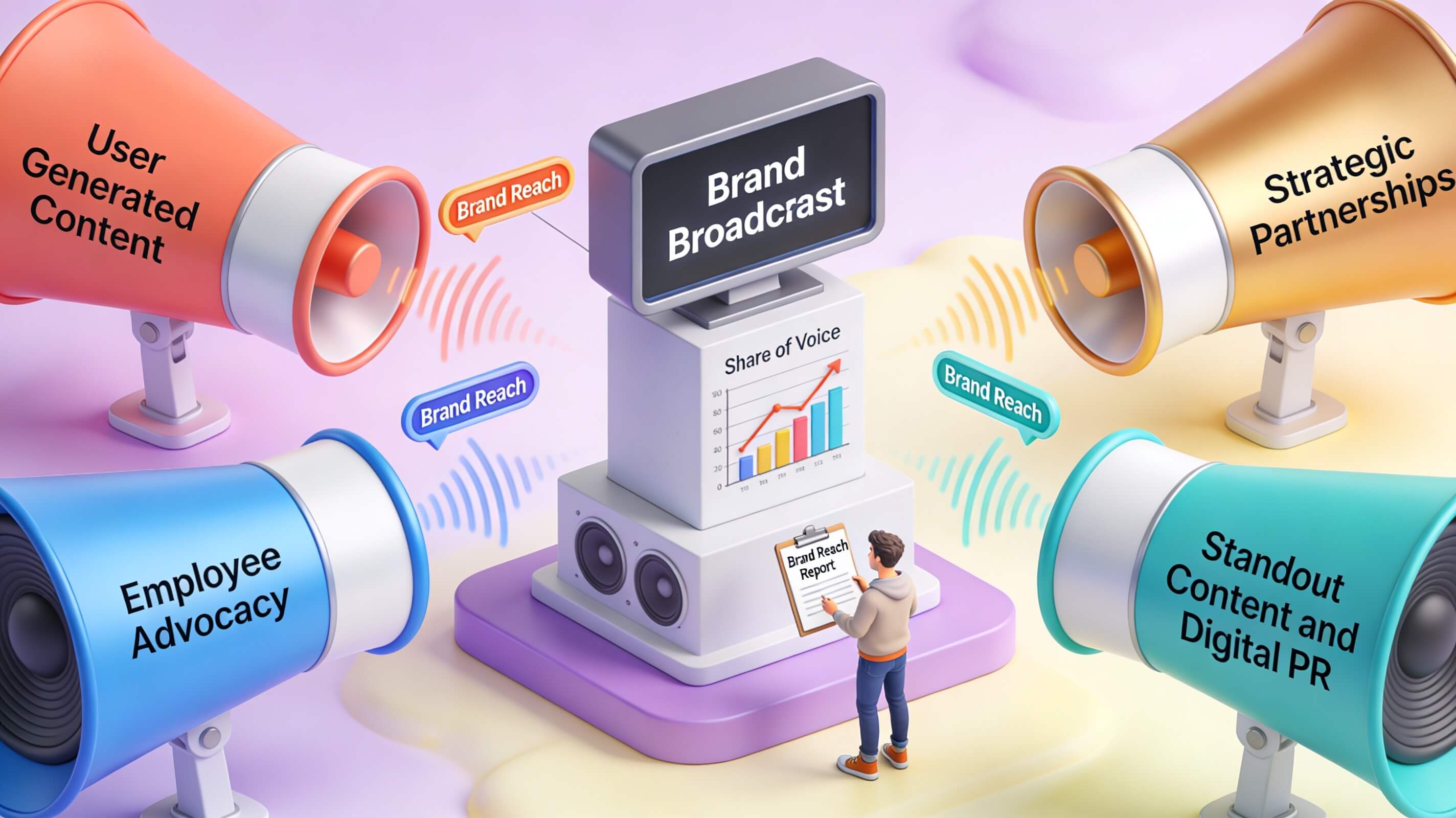
Listen actively. Set up alerts for brand mentions on platforms like Reddit, Twitter, and industry forums. When you find a question or complaint, respond personally and helpfully. Do not copy‑paste canned responses. Instead, provide specific advice. For example, if a customer complains about a product feature, explain the reasoning behind its design and offer a workaround. This turns a negative into a showcase of brand authority.
Create valuable content in response to recurring questions. If you notice five prospects a week ask the same question, turn the answer into a dedicated FAQ page or a short video. Then link to that content in future responses. This scales your authority while providing immediate value.
Personalize your communication. Use the person’s name, reference previous interactions, and adjust your tone to match theirs. Over time, your brand becomes associated with helpfulness and expertise. A Salesforce study found that 88% of customers say experience matters as much as products. Engagement is the experience that sets authoritative brands apart.
Host events—virtual or physical—that bring your community together. Webinars with live Q&A sessions allow you to demonstrate real‑time expertise. After the event, share the recording and a summary. This content then becomes another asset that signals brand authority on your site.
Establishing Thought Leadership as a Pillar of Brand Authority
Thought leadership goes beyond content; it is the active shaping of industry conversation. When you become the person or brand that others quote, invite to stages, and cite in reports, brand authority becomes nearly unassailable. Here are four high‑impact tactics I’ve used with clients.
Create exceptional, data‑driven content. Original research positions you as the source of truth. Survey your audience, analyze your own customer data, or commission third‑party research. Then publish the findings in a report with actionable takeaways. One client in the HR tech space surveyed 2,000 employees about remote work productivity. The resulting report generated 300 backlinks within three months.
Participate actively in industry conversations. Join LinkedIn groups, Twitter Spaces, or Reddit communities relevant to your niche. Do not just share your own articles; add thoughtful comments to others’ posts. Ask questions that provoke deeper analysis. The goal is to be seen as a knowledgeable peer, not a self‑promoter.
Speak at industry events. Conference speaking slots are gold for brand authority. Prepare a talk that teaches a specific skill or presents a new framework, not one that pitches your product. Many conferences accept proposals from non‑sponsors if the content is strong. After speaking, share the slide deck and a recap blog post. This amplifies the halo effect long after the event.
Build relationships with influencers. This tactic overlaps with influencer partnerships but focuses on intellectual exchange, not transactional collaboration. Interview influential figures for your podcast, invite them to co‑author a white paper, or collaborate on a research project. The association boosts your brand’s credibility by proxy. As AMA research indicates, brands that consistently engage in thought leadership see a 3‑5x increase in premium pricing power.
Monitoring and Managing Online Reputation to Protect Authority
Brand authority is fragile. One viral negative review, a poorly handled social media controversy, or a data breach can shatter years of work. That is why proactive reputation management is non‑negotiable. I advise brands to treat reputation like a financial asset—monitor it constantly, invest in its growth, and insure against catastrophic loss.
Create a monitoring strategy. Use tools like Google Alerts, Brand24, or Mention to track brand mentions across the web. Set up dashboards that flag sentiment changes, volume spikes, and key phrases. Review these weekly, not monthly. When a negative trend emerges, intervene before it becomes a crisis. For example, a client noticed a sudden cluster of complaints about shipping delays on social media. By addressing the root cause (a logistics partner error) and issuing a public apology with a timeline for resolution, they prevented the story from spreading to mainstream media.
Respond to negative comments professionally. Do not delete legitimate complaints; deleting only fuels distrust. Instead, acknowledge the issue, empathize, and offer a path to resolution. Take the conversation to a private channel (email or DM) after the public response to avoid prolonged public debate. Train your team to stay calm and factual. One well‑handled complaint can actually enhance brand authority by demonstrating accountability.
Cultivate positive reviews proactively. A critical mass of positive reviews drowns out the occasional negative one. Encourage satisfied customers to leave reviews on Google, Yelp, G2, or Trustpilot. Make it easy by providing a direct link. Feature the best reviews in your marketing materials and on your “Social Proof” page. But avoid incentivizing reviews directly, as that violates many platforms’ policies. Instead, focus on delighting customers so they naturally want to share.
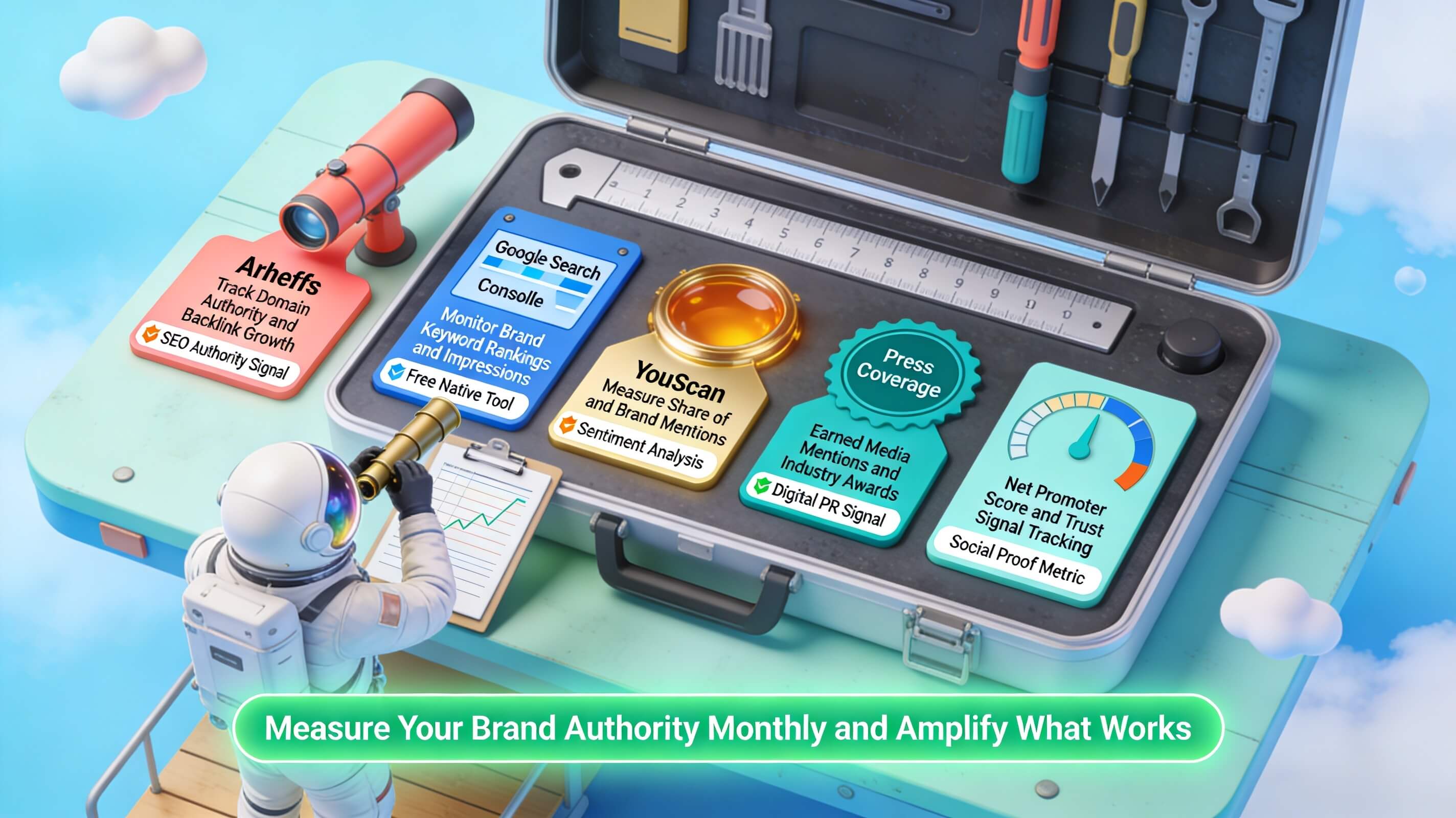
Reputation management also includes SEO: push positive content to the first page of search results for your brand name. Create pages like “About Us,” “Awards,” and “Press” that consistently rank above any negative pages. If negative content does appear, use the strategy of “content suppression” by creating fresh, authoritative content that outranks it over time.
Conclusion
Brand authority is not a distant milestone—it is an ongoing process of earning trust through visibility, credibility, reputation, and thought leadership. The strategies outlined here—building a solid foundation, creating compelling content, partnering with influencers, engaging your audience, establishing thought leadership, and managing your online reputation—work in synergy. Pick one area where your brand is weakest and start there. Then layer the others systematically.
Remember, brand authority is the ultimate competitive moat. It insulates you from price wars, attracts top talent, and commands customer loyalty even during market downturns. In twenty years, I’ve never seen a brand with strong authority fail—and I have seen brands with weak authority crumble despite brilliant products.
Now it is your turn. Begin auditing your current brand authority using the four pillars table earlier. Identify gaps, prioritize fixes, and execute with consistency. If you need help accelerating this process, my team specializes in brand authority audits and strategic roadmaps. Reach out to us—we will help you build a brand that doesn’t just compete but dominates. Your market is waiting for a leader. Make it you.