Cart 0

Share
Table of Contents
How to Get Into Data Analytics
If you’re looking to launch a high-impact, in-demand career, learning how to get into data analytics is a strategic move. Data analysts are the modern-day translators, converting raw, often chaotic information into clear, actionable insights that drive business decisions—from optimizing marketing campaigns and reducing customer churn to forecasting sales and improving operational efficiency. The demand for these skills spans every industry, creating a robust and growing job market for pragmatic problem-solvers. The most compelling part? You don’t need a specialized degree to make this transition. A successful pivot into data analytics hinges on a demonstrable blend of core technical proficiency, sharp analytical thinking, hands-on project experience, and the ability to communicate complex findings with clarity and confidence. This guide provides the authoritative, step-by-step roadmap you need to build that profile and secure your first role.
Understanding the Modern Data Analytics Landscape
Before diving into skill acquisition, you must understand the terrain. Data analytics is the end-to-end process of inspecting, cleaning, transforming, and modeling data to discover useful information, inform conclusions, and support decision-making. It’s a spectrum of roles, not a single job title. In practice, you’ll encounter several core positions, each with a slightly different focus. The Data Analyst is often the entry point, responsible for querying data, creating reports and dashboards, and providing descriptive insights to business teams. The Business Intelligence (BI) Analyst specializes in designing and maintaining the reporting infrastructure, ensuring stakeholders have consistent, timely access to key performance indicators (KPIs). Adjacent roles include the Data Scientist, who employs advanced statistical modeling and machine learning for prediction, and the Analytics or Data Engineer, who builds the robust pipelines and data warehouses that make analysis possible. Your initial goal isn’t to choose a final destination but to build the foundational toolkit that underpins all these paths. As you gain experience, you’ll naturally gravitate toward the business-facing, statistical, or engineering aspects you enjoy most.
Core Roles and Their Focus
It’s useful to visualize the ecosystem. While roles overlap, their primary objectives differ. A BI Analyst might spend 70% of their time in tools like Tableau or Power BI crafting interactive dashboards for leadership, while a Data Analyst might split time between SQL queries, Python for deeper analysis, and stakeholder meetings. An Analytics Engineer, however, works primarily in SQL and tools like dbt to transform raw data into clean, reliable datasets for the analysts. Understanding this workflow—from engineering to analysis to visualization—is crucial. It informs which skills you prioritize first. For most breaking into the field, the Data Analyst role is the most accessible target, as it emphasizes the full analytical cycle and business communication, providing a perfect platform for future specialization.
The Essential Skills Employers Demand
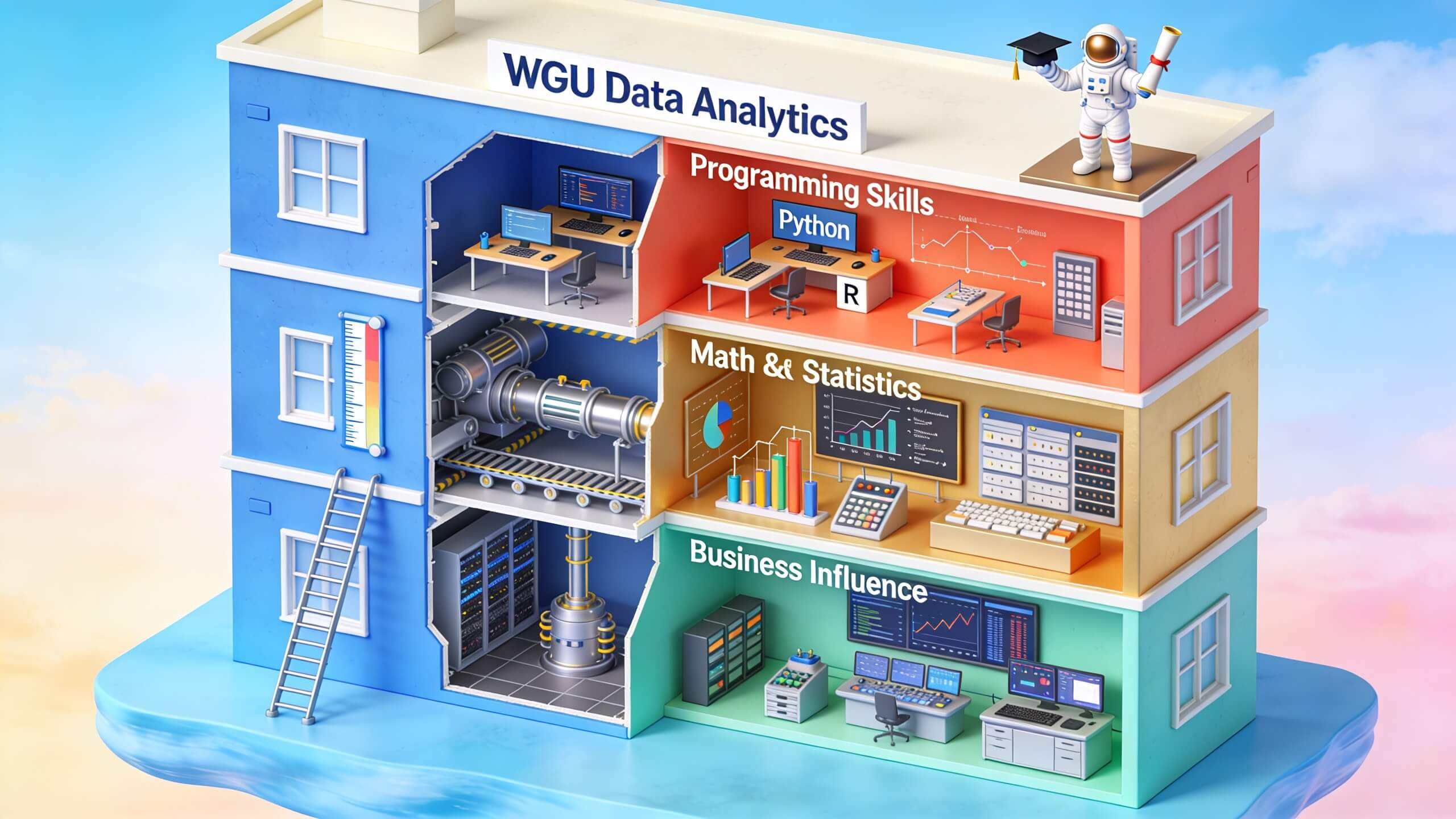
Scouring job postings reveals a remarkably consistent pattern. Employers aren’t just looking for tool operators; they seek candidates who can navigate the entire journey from a vague business question to a clear, data-driven recommendation. This requires a balanced mix of technical and non-technical competencies. On the technical side, SQL is non-negotiable. It’s the universal language for data retrieval and is often the first filter in the hiring process. Proficiency in spreadsheets (Excel or Google Sheets) remains vital for quick analysis, prototyping, and communicating with less technical colleagues. For more powerful data manipulation, statistical analysis, and automation, Python (or R) has become a standard expectation. Finally, the ability to create clear, compelling visualizations with a tool like Tableau or Power BI is what closes the loop, turning analysis into insight.
However, technical prowess alone is insufficient. The “softer” skills are what differentiate a good analyst from a great one. Communication is paramount—you must explain a p-value or a segmentation model to a marketing director in plain English. Business acumen allows you to connect metrics like “session duration” to outcomes like “customer lifetime value.” Underpinning it all is critical thinking: a relentless curiosity to question data sources, validate assumptions, and explore alternative explanations for trends. A common pitfall for newcomers is over-indexing on coding. The most effective analysts are bilingual, fluent in both the language of data and the language of business. For a grounded view of how these skills converge in real business scenarios, explore the practical learning paths offered by resources like Tableau Learn and Microsoft’s Power BI training.

Building Your Core Technical Stack
With the skill map in mind, you can strategically construct your “analytics stack.” The goal is not to achieve expert-level mastery in every tool simultaneously, but to develop functional competence across the essential pipeline: data extraction, transformation, analysis, and visualization. Start with SQL. It is the foundational key that unlocks access to organizational data. Focus on robust querying skills: SELECT statements, filtering (WHERE), aggregation (GROUP BY, SUM, COUNT), and, crucially, various JOINs to combine data from multiple tables. Once you can reliably pull the data you need, layer in Python. Its pandas library is industry-standard for data cleaning and exploration, while libraries like scikit-learn open doors to basic predictive modeling. Python’s versatility for automation (e.g., scheduling reports) is a huge value-add.
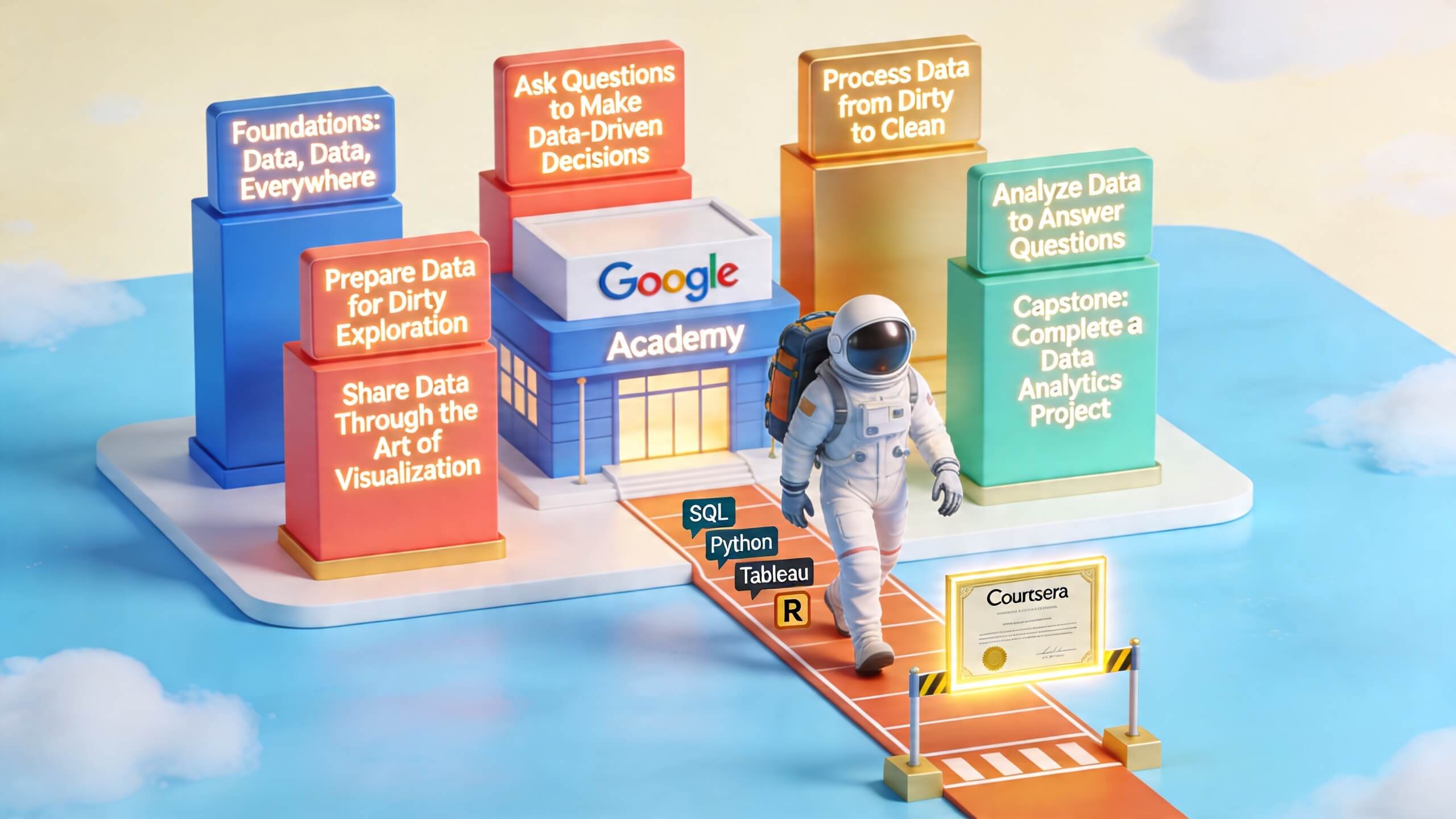
Do not neglect your visualization tool. Learning Tableau or Power BI teaches you how to think about visual storytelling and dashboard design—skills that are directly transferable to any BI platform. For structured learners, professional certificates provide a curated path. The Google Data Analytics Certificate offers a comprehensive beginner-friendly overview, while the IBM Data Analyst Professional Certificate provides a strong focus on Python and SQL. Remember, the certificate itself is less valuable than the projects you build during and, more importantly, after the course. The differentiator is your ability to handle ambiguous, real-world problems, not just follow tutorial steps.
Cultivating Analytical and Problem-Solving Mindset
Tools are meaningless without the analytical engine to wield them effectively. This is the other half of the equation for how to get into data analytics. It involves moving from “what happened” to “why it happened” and “what we should do.” Develop a habit of critical thinking with every metric. When you see a 10% increase in sales, immediately ask: Is this driven by a new customer segment or existing ones? Are we comparing to a seasonally weak period? Could a change in data tracking explain this? This skeptical, inquisitive approach is what prevents costly misinterpretations.
Strengthen your statistical fundamentals. You don’t need a PhD, but a firm grasp of concepts like distributions, hypothesis testing, confidence intervals, and the critical difference between correlation and causation is essential for validating your findings. Resources like Khan Academy’s Statistics course offer excellent primers. The most effective way to cement these skills is through consistent, deliberate practice. Commit to weekly mini-projects. Dedicate 2-4 hours to a small question: “Analyze movie ratings from this dataset” or “Explore cycling trip duration by user type.” Follow a disciplined process: define the question, acquire and clean data, analyze, and summarize findings. This builds not just skill, but also the invaluable muscle memory for the analytical workflow.
Gaining Practical Experience Through Projects and Internships
Your portfolio of projects is your most powerful credential. It provides tangible, reviewable proof of your skills and thinking process. To stand out, your projects must mirror real-world analytical engagements. Start with a clear, business-relevant question, such as “What factors are most predictive of customer churn for a telecom company?” or “Which features of our product drive the highest user engagement?” Source realistic data from platforms like Kaggle or public portals like Data.gov. Then, meticulously document your work through the full pipeline: data collection, cleaning, exploratory analysis, visualization, and finally, a set of actionable recommendations. Crucially, include a section on assumptions and limitations—this shows professional maturity and an understanding that all analysis exists within constraints.
Aim for 3-5 substantial, diverse projects. Showcase range: one SQL-intensive project querying a relational database, one interactive dashboard built in Tableau Public, and one Python notebook performing a regression analysis. Beyond solo projects, seek environments with real stakeholders. Internships and apprenticeships are invaluable, as they immerse you in the “in-company” reality of shifting priorities, ambiguous requests, and political dynamics. If traditional roles are elusive, consider freelance or pro-bono work. Platforms like Upwork have opportunities for dashboard builds, and local nonprofits often desperately need help with data-driven grant reporting or program assessment. This experience teaches you to deliver value under pressure, which is the ultimate test of an analyst.
Networking and Building Your Professional Presence
In a competitive field, who you know can be as important as what you know. Strategic networking opens doors to unadvertised opportunities, provides insider advice, and keeps you informed on industry trends. Begin by optimizing your LinkedIn profile. Use a headline like “Aspiring Data Analyst | SQL | Python | Tableau | Business Insights” and detail your projects in the experience section. Actively engage with the community. Join analytics-focused groups on LinkedIn, participate in subreddits like r/dataanalysis, and follow key influencers on Twitter/X. Attend virtual or in-person meetups for tools like Tableau or Python; these are goldmines for meeting practitioners.
When networking, shift your mindset from “asking for a job” to “seeking advice and feedback.” Pose specific, thoughtful questions: “Based on my portfolio, which area should I strengthen for a BI analyst role?” or “How would you approach this analytics case study?” This demonstrates genuine curiosity and respect for the professional’s time, making them more likely to assist. Furthermore, contribute to discussions, share interesting articles, and comment on others’ work. Building a visible, engaged professional persona makes you a known entity when opportunities arise.
Constructing a Compelling Data Analytics Portfolio
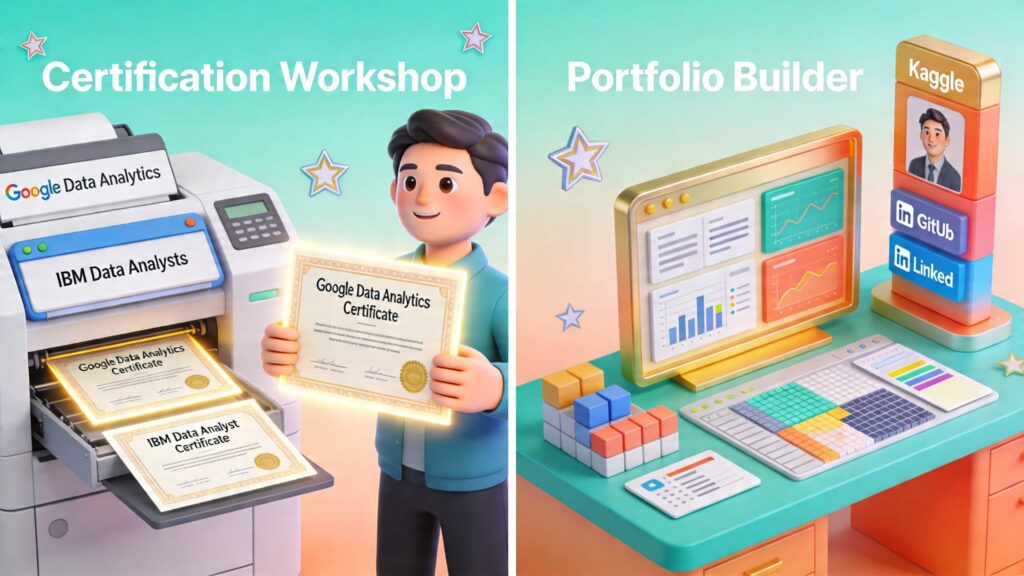
Your portfolio is your career centerpiece. It must be a curated exhibition of your best work, designed for a time-pressed hiring manager. Each project should tell a complete story. Structure them with: a clear problem statement (the business question), a description of your process (data sources, cleaning steps, tools used, analytical methods), key visualizations (embed images or links to interactive dashboards), and a conclusion with recommendations. Most importantly, lead with the outcome or impact. Instead of “Analyzed sales data,” write “Identified underperforming product categories, leading to a modeled 15% potential revenue increase through targeted promotions.”
Host your code cleanly on GitHub, ensuring each repository has a comprehensive README file that explains how to run your analysis. For dashboards, publish them on Tableau Public or the Power BI service for easy access. Presentation matters. Create a simple website (using GitHub Pages, WordPress, or a platform like Maven) to host your project summaries, or use a LinkedIn Featured section. The goal is to make it effortless for a recruiter to understand your skills and thought process in under two minutes.
Staying Current with Evolving Tools and Trends
The data ecosystem is dynamic. To build a sustainable career, you must cultivate a habit of continuous learning. This doesn’t mean chasing every new programming library, but staying aware of macro shifts in how analytics is practiced. Key trends in 2024 include the rise of cloud-native data platforms (like Snowflake, BigQuery, and Databricks) that centralize data, the growth of modern data stack tools like dbt for transformation, and the integration of AI-assisted analytics (such as Copilots within BI tools) that accelerate exploration while still requiring human oversight for validation and ethics.
To stay informed, follow a mix of sources. Subscribe to newsletters from reputable industry outlets like Harvard Business Review’s data section for strategic insights, and Forbes’ data intelligence coverage for business applications. Follow tool blogs (like the Tableau Blog or Mode Analytics blog) for technical updates. Engaging with the community on platforms like LinkedIn and Twitter will also surface relevant discussions and emerging best practices in real-time.
Acing the Data Analytics Interview Process
Interview preparation is where your skill-building converges into performance. Data analytics interviews typically assess three areas: technical prowess, analytical reasoning, and business communication. For the technical screen, expect live SQL queries involving multiple joins, subqueries, and window functions. You may also face take-home assignments in Python or a BI tool. For the analytical case study, you’ll be given a business scenario (e.g., “Our user sign-ups dropped last week—how would you investigate?”) and evaluated on your structured problem-solving approach, metric selection, and ability to consider multiple hypotheses.
Behavioral questions are equally critical. Use the STAR method (Situation, Task, Action, Result) to frame answers about handling ambiguous data, managing stakeholder disagreements, or prioritizing conflicting requests. Crucially, practice explaining your portfolio projects aloud. Be prepared to walk through your thought process, defend your methodological choices, and discuss what you would do differently. For a deeper dive into behavioral frameworks, review resources on the STAR interview method. Remember, the interview is your chance to show you’re not just a technician, but a business partner who uses data to drive decisions.

Strategic Use of Certifications and Credentials
Certifications are a supporting actor, not the star, of your career transition. They are most beneficial in specific scenarios: providing a structured learning path for beginners, validating tool-specific expertise (especially for BI roles), or adding credibility when your prior experience is in an unrelated field. The key is to select certifications that align with your target role and immediately apply the learning to original portfolio work.
Here is a comparison of common entry-point certifications to help guide your choice:
| Certification | Primary Focus | Best For |
|---|---|---|
| Google Data Analytics Professional Certificate | Broad foundation: Spreadsheets, SQL, R, Tableau, data storytelling. | Career-changers seeking a comprehensive, beginner-friendly introduction to the entire workflow. |
| IBM Data Analyst Professional Certificate | Hands-on skills: SQL, Python, Excel, dashboards (using Cognos), with a capstone project. | Learners who want a strong emphasis on Python and applied project work. |
| Tableau Desktop Specialist | Core competency in Tableau for visualization and dashboard creation. | Those targeting BI/dashboard-centric roles, seeking proof of specific tool mastery. |
| Microsoft Power BI Data Analyst Associate (PL-300) | End-to-end skills in data preparation, modeling, visualization, and deployment in Power BI. | Analysts entering organizations entrenched in the Microsoft ecosystem. |
Ultimately, a certification paired with a stellar portfolio is far more powerful than a certification alone. It demonstrates both knowledge and the ability to apply it.
A Practical 12-Month Roadmap to Your First Role
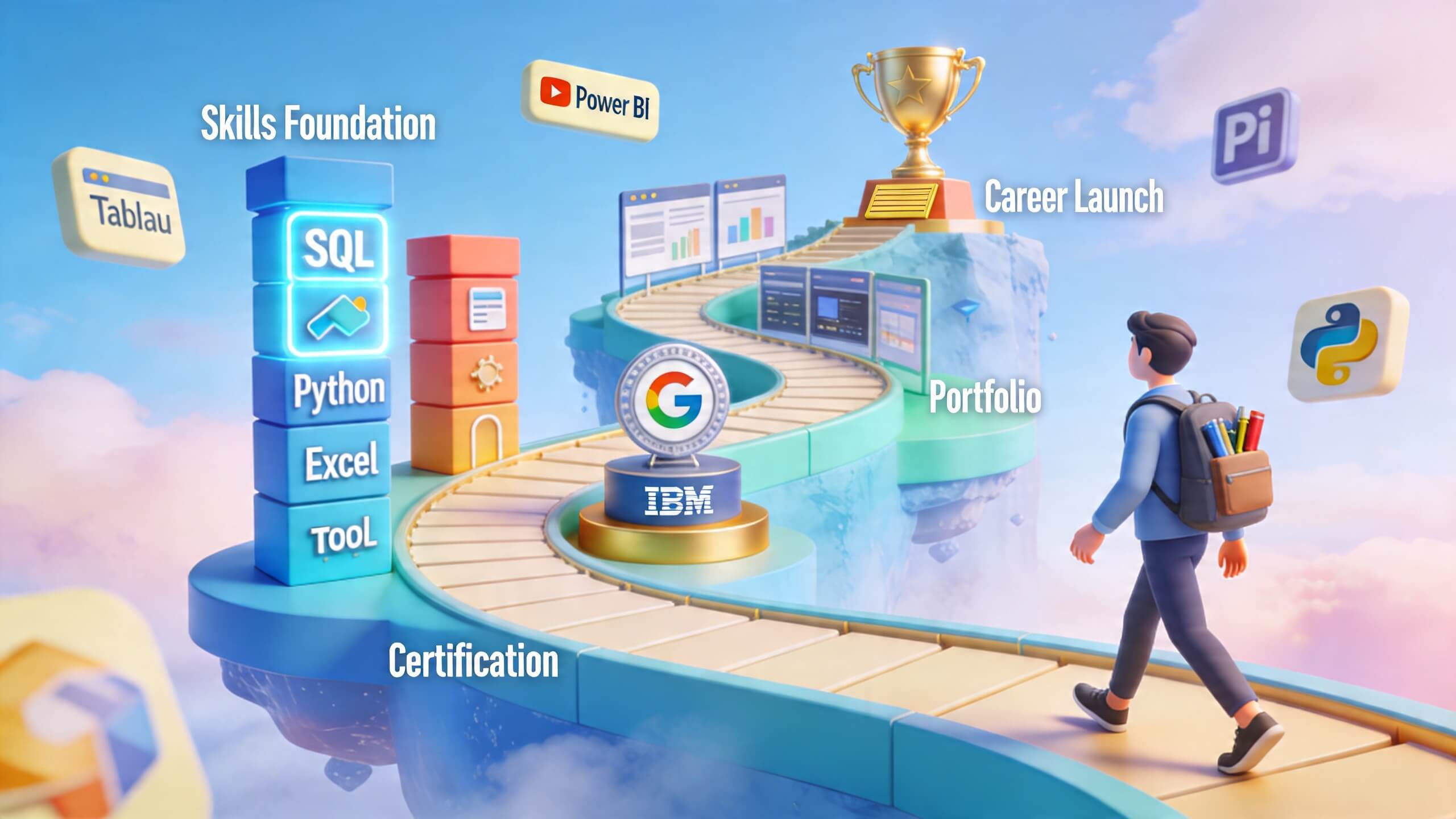
Breaking into data analytics is a marathon, not a sprint. A realistic, structured plan prevents burnout and ensures you build depth. Here is a condensed, actionable 12-month roadmap. Adjust the pace based on your weekly time commitment.
Months 1-3: Foundation. Dedicate this phase to absolute fundamentals. Achieve fluency in SQL—you should be comfortable writing complex queries. Simultaneously, solidify your statistics knowledge and master Excel/Sheets for pivot tables and data manipulation. Build 1-2 simple projects using SQL and Excel to answer basic business questions.
Months 4-6: Expansion. Introduce Python, focusing on pandas for data manipulation and matplotlib/seaborn for basic visualization. Begin learning a BI tool (Tableau or Power BI). Start integrating these skills: use Python to clean a dataset, then visualize it in your BI tool. Complete 2 more sophisticated projects that include a Jupyter notebook and a published dashboard.
Months 7-9: Integration and Depth. This is the portfolio-building phase. Undertake a large, end-to-end capstone project that mimics a real business problem. Deepen your understanding of A/B testing and basic analytics frameworks. Start networking actively: optimize LinkedIn, attend events, and request informational interviews.
Months 10-12: Polish and Launch. Finalize your portfolio website and GitHub. Begin applying for internships, apprenticeships, or entry-level roles. Intensify interview preparation, focusing on SQL drills, case studies, and behavioral questions. Refine your project narratives based on feedback from your network.
Conclusion
Learning how to get into data analytics is a journey of building and proving competency. It requires a deliberate, project-driven approach where you synthesize technical skills, analytical thinking, and business communication into a compelling professional profile. There is no single “right” path, but the most successful candidates are those who treat their education as a hands-on workshop, constantly applying theory to practice through portfolios, networking, and real-world problem-solving. The demand for individuals who can bridge the gap between data and decision has never been higher. By following this structured roadmap—focusing on the core stack, cultivating the analyst’s mindset, gaining tangible experience, and strategically presenting your capabilities—you position yourself not just as a candidate, but as a future asset ready to deliver value from day one. Your analytical career begins with the first query, the first chart, the first project. Start building today.