
Cart 0


Share
Table of Contents
Backlink Outreach: Building Connections Through Strategic Link Building
If your website is struggling to gain visibility in search engine results, the answer isn’t just more content—it’s strategic backlink outreach. This process involves proactively contacting website owners, editors, and bloggers to secure high-quality links back to your site. Why does it matter? Because search engines like Google treat backlinks as votes of confidence. The more authoritative the linking site, the more trust flows to your domain. Backlink outreach isn’t about spamming requests; it’s about building genuine relationships that result in natural, relevant links. Done correctly, it drives organic traffic, improves domain authority, and boosts rankings for competitive keywords. However, many marketers waste time on low-value tactics like directory submissions or paid links. The real leverage lies in a targeted, relationship-first approach. This article will walk you through every stage of the outreach link building process—from identifying opportunities to crafting messages that get responses, measuring results, and scaling your efforts with professional services. By the end, you’ll have a complete blueprint to turn link building from a tedious chore into a sustainable growth engine for your SEO strategy.
Understanding Backlink Outreach and Its Impact on SEO
To appreciate why backlink outreach is central to modern SEO, you need to understand how search engines evaluate web pages. Google’s algorithm uses hundreds of factors, but backlinks remain one of the top three ranking signals. A link from a reputable site signals that your content is valuable enough to reference. This is especially true for link building outreach because it allows you to control which sites link to you, rather than waiting passively for links to appear. Without outreach, you rely solely on organic linking, which is slow and unpredictable. With a deliberate campaign, you can accelerate your site’s authority growth by months.
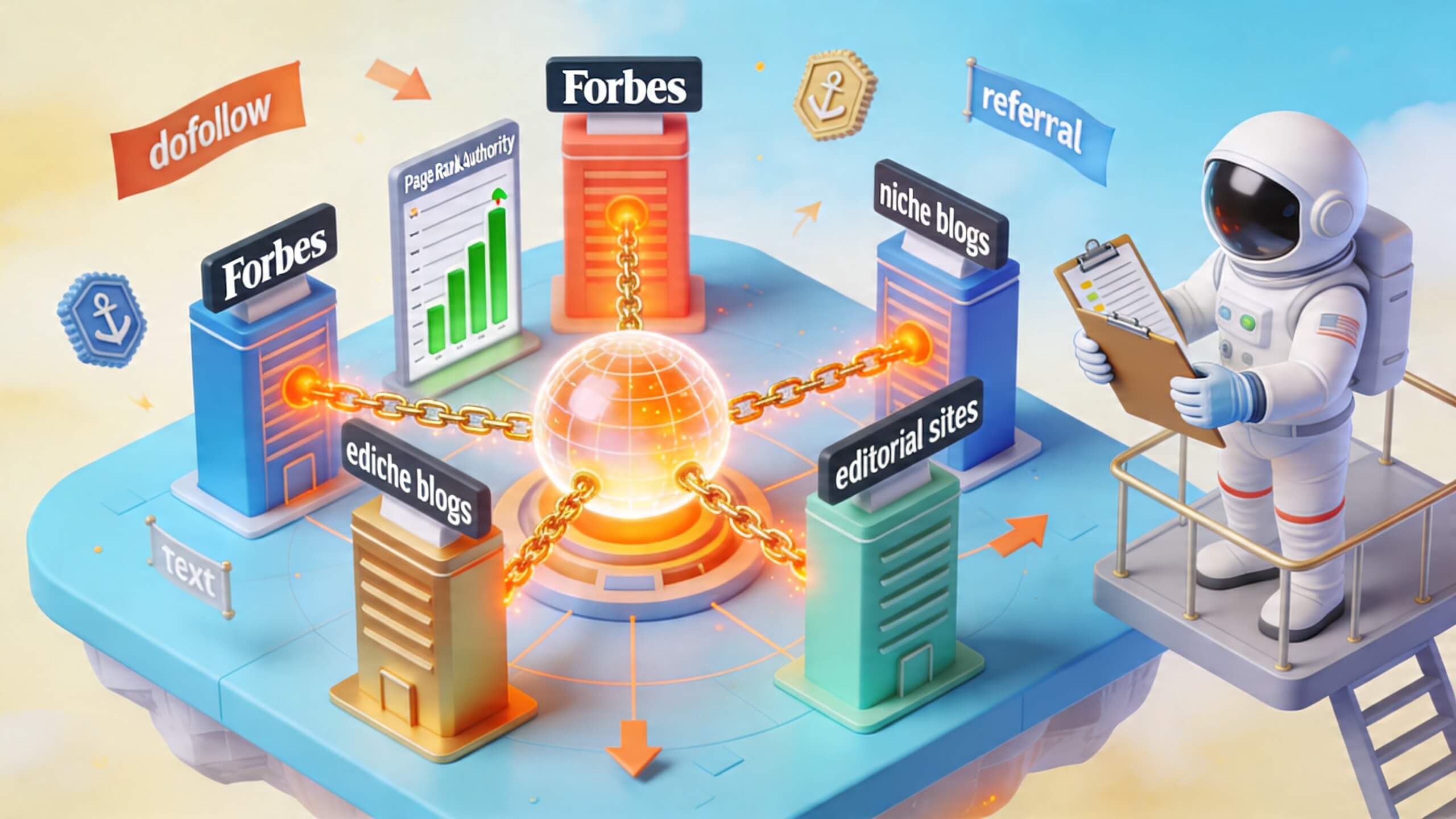
Consider this: a study by Ahrefs found that over 90% of web pages get zero organic traffic from Google. The primary reason? Lack of backlinks. Pages with even a handful of quality backlinks rank significantly higher. But not all links are equal. A link from a high-authority domain (e.g., Forbes, Harvard, or industry-specific leaders) carries far more weight than dozens of low-quality directories. Backlink outreach helps you target these high-value sources. It also builds relationships that can lead to future collaborations, guest posting opportunities, and social shares—amplifying your reach beyond just the link itself. In short, outreach is not a stand-in for content quality; it’s the amplifier that makes great content visible.
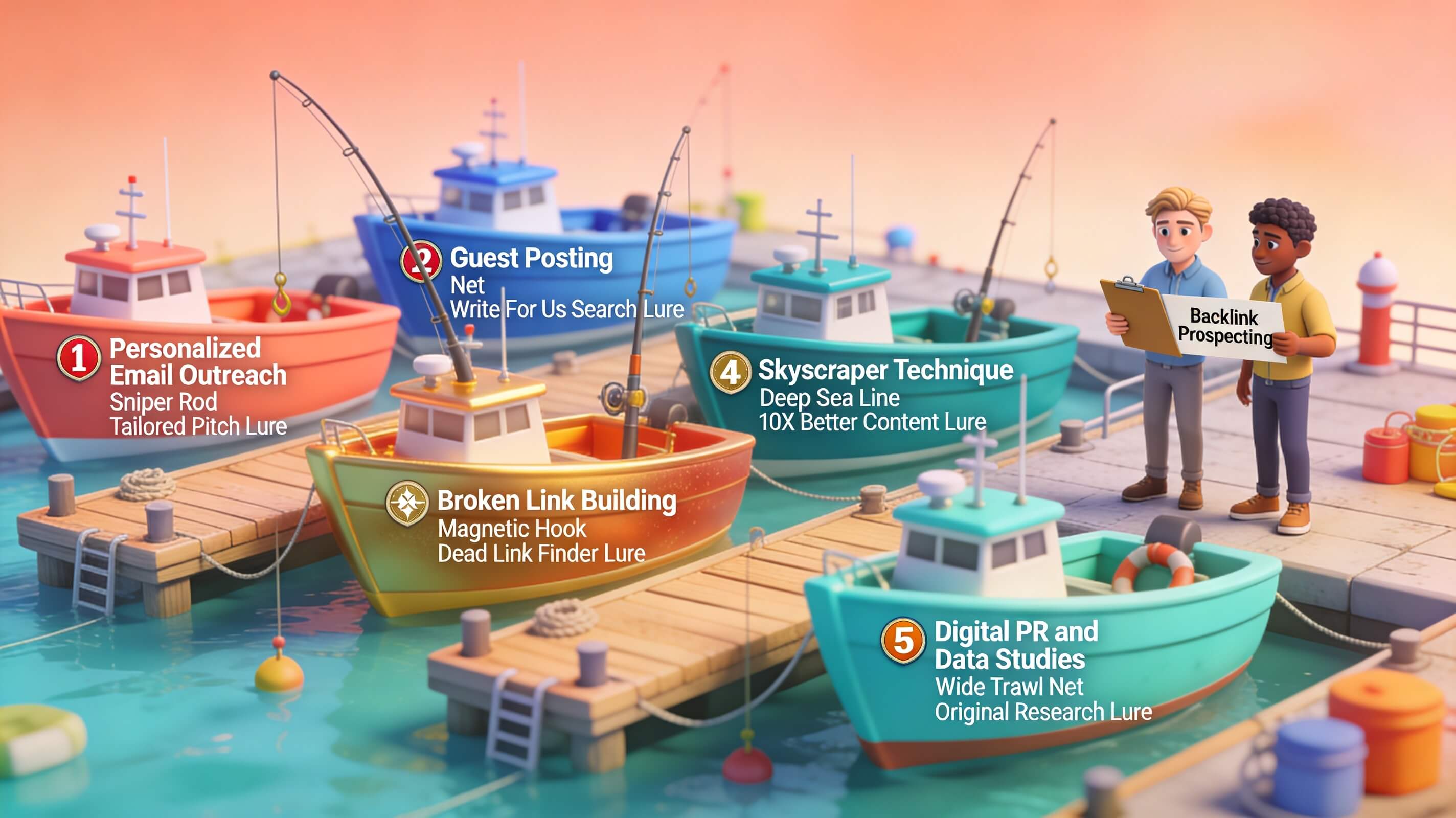
One common misconception is that outreach is only for new sites. Even established domains benefit from continuous outreach to replace broken links, reclaim lost mentions, or secure new links as content evolves. The key is to integrate outreach into your regular SEO workflow rather than treating it as a one-time campaign. By doing so, you create a compounding effect: each new link increases your domain authority, making it easier to get the next link. That’s the core of strategic outreach link building.
Key Components of an Effective Backlink Outreach Strategy
A successful backlink outreach strategy isn’t about sending 500 emails and hoping for a 2% response rate. It’s a structured process built on research, personalization, and persistence. Let’s break down the essential components.
Research and Target Identification
Before reaching out, you must know who to contact. Start by listing websites that are relevant to your niche and have authority (domain rating 30+). Use tools like Ahrefs, Moz, or Semrush to analyze your competitors’ backlinks. Identify which sites link to them but not to you—those are your prime prospects. Also, look for resource pages, roundups, and guest post opportunities. For example, if you run a digital marketing blog, search for “best SEO resources” or “top marketing blogs.” These pages are inherently link-friendly. Create a spreadsheet with columns for URL, domain authority, contact email, and notes about their content.
Crafting Compelling Outreach Messages
Your email is the first impression. Generic templates get deleted instantly. Personalization is non-negotiable. Mention the recipient’s name, a recent article they wrote, or something specific about their site that shows you’ve done your homework. Then, offer value: explain why your resource is useful to their audience. Avoid asking for a link outright; instead, suggest a natural placement. For instance, “I noticed your article on on-page SEO doesn’t include a section on internal linking—I wrote a guide that covers best practices that your readers might find helpful.” Keep the email concise (under 150 words).
Leveraging Professional Link Building Services
If your time is limited or you struggle with response rates, consider hiring a professional link building service. These agencies have established relationships, templates that work, and tools to scale outreach. They can also handle the tedious tasks of finding contacts, sending follow-ups, and tracking results. However, choose wisely—some services use black-hat tactics like private blog networks (PBNs) that can get you penalized. Vet providers by asking for case studies, references, and a clear description of their methods. A reputable service will focus on white-hat outreach that builds real relationships.
Building Relationships
Think beyond the one-off link. Treat outreach as the start of a relationship. Engage with your link partner’s content on social media, share their posts, and occasionally send relevant resources with no link request. When they see you as a genuine peer rather than a link beggar, they’re more likely to link again in the future. This long-term mindset sets apart successful campaigns from spammy ones.
The table below summarizes the key components and their roles in a successful outreach strategy:
| Component | Purpose | Key Action |
|---|---|---|
| Research & Target ID | Find high-authority, relevant prospects | Use Ahrefs/competitor analysis; create a prioritized list |
| Compelling Messages | Get recipients to open and reply | Personalize, offer value, keep short |
| Professional Services | Scale efforts and improve efficiency | Vet providers for white-hat methods |
| Relationship Building | Secure repeat links and collaborations | Engage on social media, provide value without asking |
Identifying Link Building Opportunities for Backlink Outreach
You can’t build links without knowing where to look. The most effective link building opportunities come from systematic research rather than random searching. Here are three proven methods to uncover prospects that are ripe for backlink outreach.
1. Identify Relevant Websites and Platforms
Start with your own niche. If you sell fitness equipment, look for fitness blogs, wellness influencers, gym directories, and health publishers. Use search strings like “your niche + guest post,” “your niche + resources,” or “your niche + list of.” Also, check industry-specific directories (e.g., the Institute of Diagnostic Engineers for engineering sites). The key is relevance: a link from a high-authority cooking site won’t help a B2B software company. Compile a list of 100–200 potential targets, then sort by domain rating (DR). Focus on DR 30+ for meaningful impact.
2. Explore Competitor Backlinks
Your competitors already have a map of link opportunities. Tools like Ahrefs allow you to enter a competitor’s domain and see their backlink profile. Filter for links that come from editorial placement, not directories or forums. Look for patterns: Do they get links from guest posts? From interviews? From broken link building? For each unique linking domain, add it to your prospect list. Then, reach out with a similar value proposition. For example, if a competitor got a link from a “best SEO tools” roundup, pitch your tool as an alternative or additional resource.
3. Leverage Tools to Boost Online Visibility
Beyond manual search, use alert tools to find real-time opportunities. Set up Google Alerts for key phrases like “your topic + mention” or “your brand + mention.” When someone mentions your brand without linking, reach out and politely ask them to add a link. Also, use Semrush’s Backlink Analytics to find unlinked mentions—pages that reference your brand but don’t use a clickable link. These are low-hanging fruit because the content creator already values your brand. A simple email saying “Thanks for mentioning us! Could you please add a link to our site?” often works.
By systematically applying these three methods, you’ll never run out of prospects. The key is to prioritize quality over quantity: ten links from authoritative sites are worth more than a hundred from low-quality blogs.
Crafting Effective Outreach Messages for Backlink Acquisition
The outreach message is the make-or-break point of your campaign. Even the best prospect list yields nothing if your email gets deleted. Here’s how to write messages that get replies—and links.
Featured snippet-optimized tip: Effective backlink outreach messages are personalized, concise, and value-driven. Follow these five steps to increase response rates:
- Research the recipient. Find something specific about their site—a recent post, a comment they left, or a project they launched. Mention it naturally in the opening sentence.
- Use a clear subject line. Avoid “Guest post request” or “Link exchange.” Instead, try “Quick idea for your [page title]” or “Loved your article on [topic] – one suggestion.”
- Lead with value. Don’t ask for a link immediately. Instead, offer something useful: a piece of data, a correction, or a resource that complements their existing content.
- Make it easy. Suggest exactly where the link could go and why it benefits their readers. Include the anchor text and the URL.
- End with a low-friction ask. Use a line like “Would you be open to taking a look?” instead of “Link to my site.”
Personalization is not just about using their name. It’s about showing you’ve read their content. For example, “Hi Mark, I saw your roundup of productivity tools and noticed you didn’t include a time-tracking solution. Our app, TimeCapsule, was recently featured on ProductHunt and offers a free tier that your readers might find handy.” This approach demonstrates you’re not sending a generic blast. According to industry data from Smart Passive Income, personalized emails get response rates of 10–15%, while generic templates average under 2%.
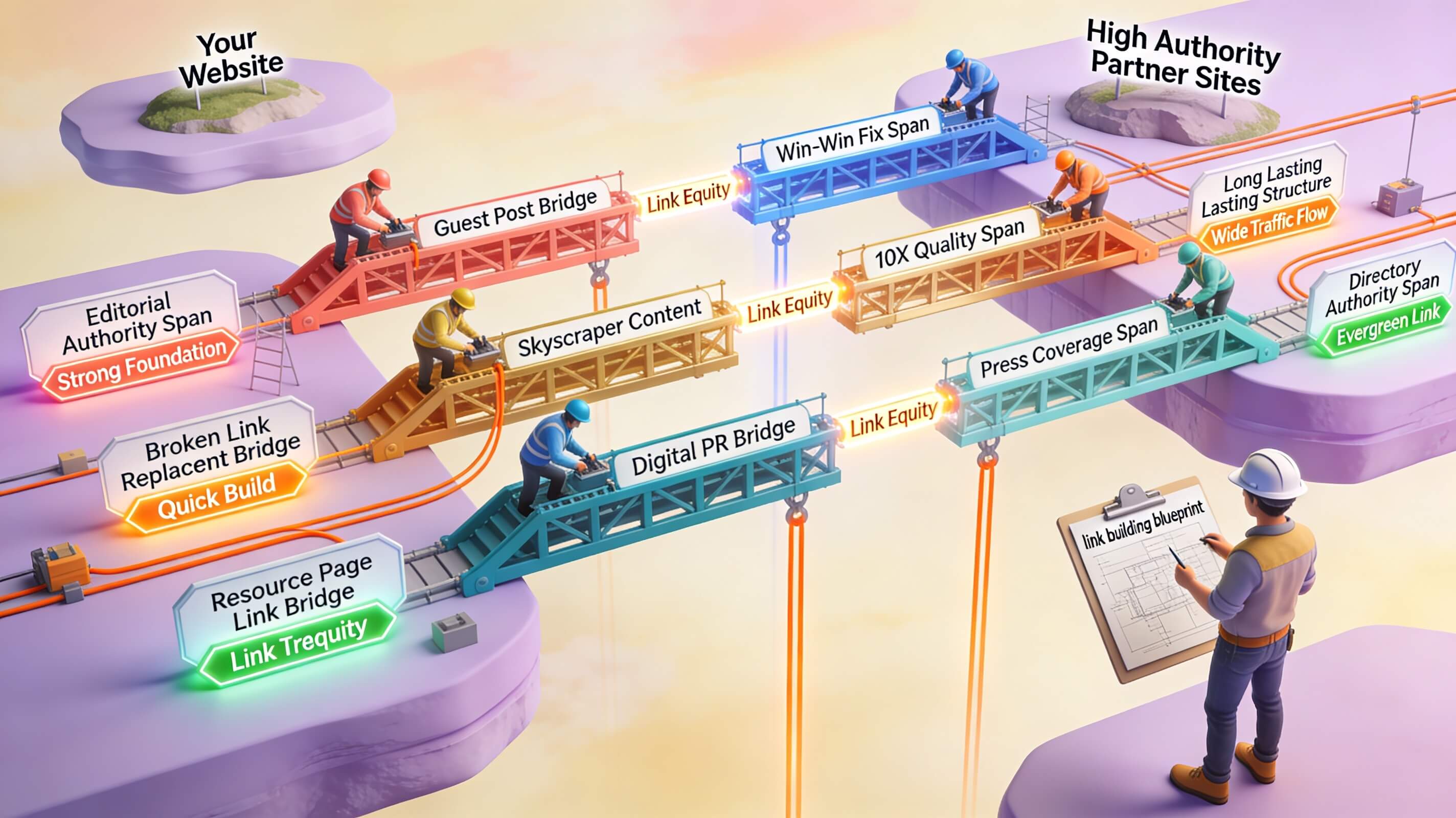
Another critical element is the subject line. Avoid all caps, spammy words like “free” or “guaranteed,” and excessive punctuation. Test subject lines with A/B splits if you’re using outreach software. For example, “Resource suggestion for your SEO guide” outperformed “Link building request” in a recent case study by Backlinko. Keep the email body under 150 words. People are busy; respect their time.
Follow-ups are equally important. Many successful placements happen after the second or third email. Send the first follow-up three days later, a second one a week after that, then stop. Each follow-up should add new value (e.g., “I noticed you updated your resource page—my guide now includes 2025 statistics that complement it.”) Never be pushy or guilt-trip. If they don’t respond, move on. Quality outreach is about building a reputation, not burning bridges.
Nurturing Relationships and Securing High-Quality Backlinks
Securing the link is only the beginning. To consistently get high-quality links, you need to nurture the relationship with your link partners. This is where most marketers fail. They send one email, get the link, and never engage again. That’s a missed opportunity for future links, mentions, and collaborations.
Start by thanking the person promptly after the link goes live. Share the content on your social channels and tag them. Then, periodically check in—not with link requests, but with genuine interest. Comment on their blog, share their new posts, or send a quick note about a recent success you had partially due to their link. This builds a reservoir of goodwill. When you later need a link for a new piece of content, they’ll be far more receptive.
Another technique is to offer reciprocal value. If they’re a blogger, offer to write a guest post for them. If they run a podcast, suggest being a guest. If they sell a product, offer to review it. The key is to provide value without an immediate ask. Over time, these relationships become a network of advocates who naturally link to your content because they trust you and see you as a peer, not a link prospector.
Building credibility with a professional website and content is also essential. A link partner who visits your site and finds a slow-loading, poorly designed page with thin content will regret linking to you. Ensure your website is fast, mobile-friendly, and packed with high-quality, original content. According to a study by Nielsen Norman Group, users judge a website’s credibility within 50 milliseconds. If your site looks unprofessional, even the best outreach message won’t save you.
Finally, track your relationships using a CRM or simple spreadsheet. Note the date of last contact, the link location, and any personal details (e.g., their interests, recent life events). Sending a congratulatory note when they launch a new product or announce a promotion shows you care beyond the business transaction. This human touch is what elevates link building outreach from a transactional activity to a relationship-building process.
Analyzing and Measuring the Impact of Backlink Outreach
You can’t improve what you don’t measure. After running a backlink outreach campaign, you need to evaluate its effectiveness using key performance indicators (KPIs). Here are the most important metrics to track.
Organic Traffic Growth: Use Google Analytics to track traffic from search engines before and after your campaign. Look at the pages that received new backlinks—did their organic traffic increase? If you secured a link on a high-traffic page, you might also see referral traffic directly from that site.
Website Ranking: Monitor your target keywords with tools like Semrush or Ahrefs. Backlinks often cause ranking improvements within 2–6 weeks. Track the ranking position for terms you specifically targeted. If you got a link from a “best CRM tools” page targeting the keyword “CRM software,” check that keyword’s position weekly.
Backlink Quality: Not all links are created equal. Evaluate each acquired link using domain authority, relevance, and placement. A link in the body of a relevant article is far more valuable than one in a sidebar or footer. Use Moz’s Link Explorer to assess spam score and domain authority. If you notice low-quality or toxic links, disavow them via Google Search Console.
Below is a table summarizing the key metrics and tools:
| Metric | What It Indicates | Tool to Measure |
|---|---|---|
| Organic Traffic | Overall impact of links on search visibility | Google Analytics |
| Keyword Rankings | Effectiveness for specific search terms | Ahrefs, Semrush |
| Domain Authority (DA) | Overall site trustworthiness (aggregate) | Moz |
| Referral Traffic | Direct visits from the linking site | Google Analytics |
| Link Quality (Spam Score) | Risk of toxic links | Moz Link Explorer |
Regular analysis also helps you refine your approach. For instance, if you notice that a particular type of prospect (e.g., .edu sites) gives you better traffic, double down on that segment. If certain message templates yield higher response rates, standardize them. Over time, you’ll develop a data-backed playbook for link building services that consistently delivers results.
Elevating Your SEO Strategy with Backlink Outreach Services
While DIY outreach works, many businesses find it unsustainable at scale. That’s where professional link building services come in. These agencies specialize in backlink outreach and can accelerate your results while freeing your internal team to focus on other priorities.
The benefits are substantial. First, you gain access to experienced outreach specialists who have existing relationships with editors and site owners. They know which angles work, how to craft emails that convert, and how to handle rejections politely. Second, professional services often have tools and databases that reduce research time. Third, they can handle the entire process—from content creation (if needed) to link placement—which is especially valuable if you lack writing resources. A well-run outreach campaign can generate 10–30 new backlinks per month, whereas in-house efforts often stall after initial enthusiasm wanes.
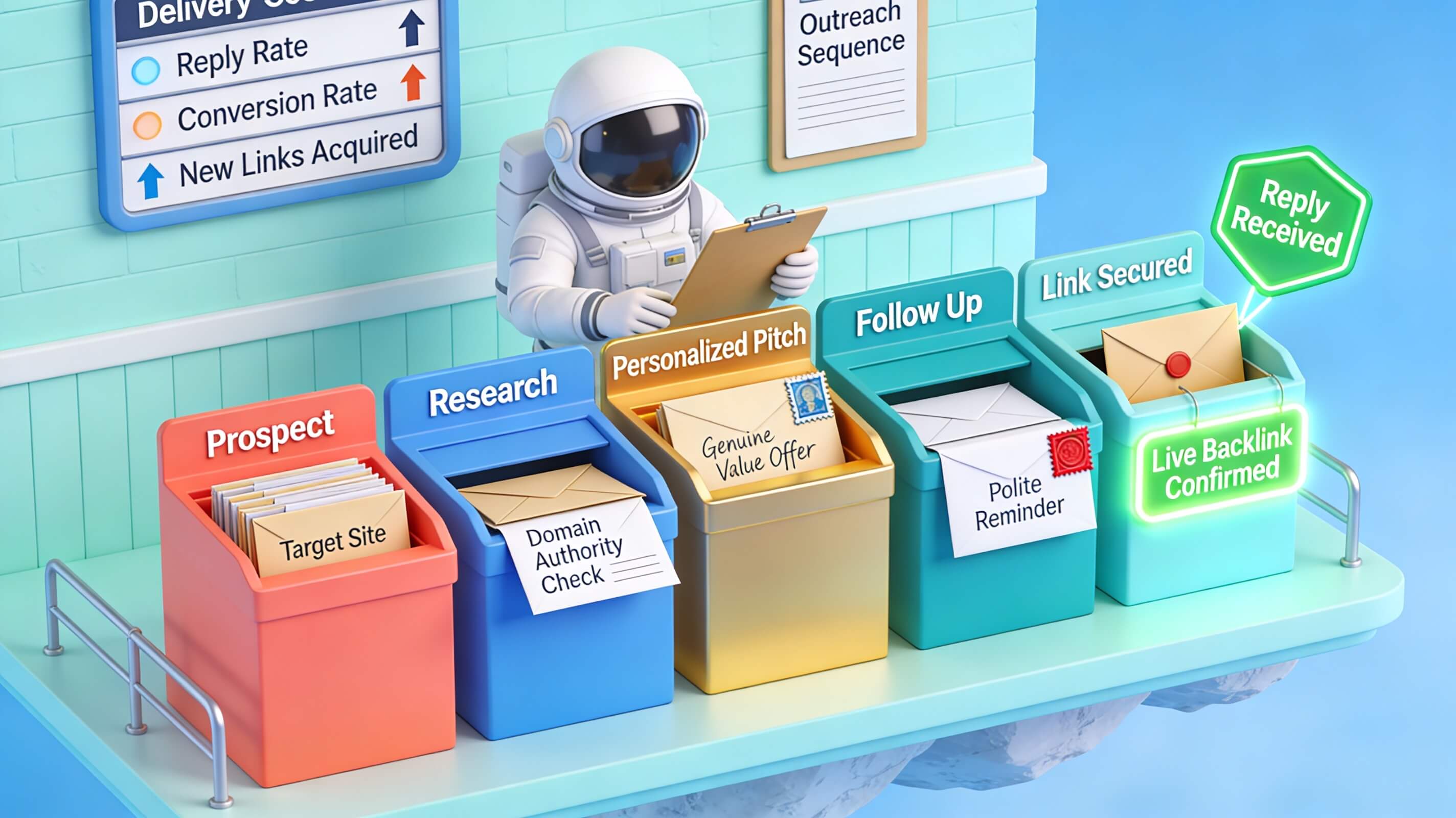
However, choosing the right provider is critical. Avoid services that promise “thousands of links” at low prices; those almost certainly involve spammy tactics like PBNs or automated submissions. Instead, look for providers who practice white-hat outreach. Ask for case studies specific to your industry. For example, an agency that has worked with SaaS companies may not be the best fit for a local restaurant. Check reviews on platforms like Trustpilot and request references. Transparency in reporting is non-negotiable—they should show you which sites they contacted, which links were acquired, and the exact methods used.
Another consideration is cost. Professional link building services typically charge per link or a monthly retainer.
Conclusion
Strategic backlink outreach is more than a technical SEO tactic—it is a relationship-driven process that rewards patience, authenticity, and a genuine focus on value. Throughout this article, we have emphasized that successful link building hinges on personalized communication, targeted research, and the creation of high-quality content that naturally attracts placement opportunities. Whether you choose to manage outreach in-house or partner with a professional service, the principles remain the same: prioritize relevance over volume, build trust with editors and site owners, and always adhere to white-hat practices that stand up to search engine scrutiny.
Outsourcing can accelerate results, especially when your team lacks time or expertise. Yet the key is to select a provider who demonstrates transparency, specific industry experience, and a commitment to ethical tactics. Avoid shortcuts and promises of cheap, mass-produced links—these rarely survive algorithm updates and can harm your site’s reputation. Instead, invest in a service that treats each outreach as a genuine collaboration, not a transaction. When executed well, a single high-quality backlink from an authoritative, relevant domain can deliver more long-term value than dozens of low-quality links.
As you move forward, remember that link building is a marathon, not a sprint. Consistent effort, continuous relationship nurturing, and an unwavering focus on your audience’s needs will yield the strongest foundation for organic growth. By combining strategic outreach with exceptional content, you turn every link into a gateway for traffic, credibility, and lasting connections. Embrace the process, learn from each interaction, and let your commitment to excellence shine through every email you send. In doing so, you build not only backlinks but also the kind of digital reputation that search engines and users alike reward for years to come.
Permalink