
Cart 0

Share
Table of Contents
What is Brand Equity: The Definitive Guide to Building Unshakeable Brand Value
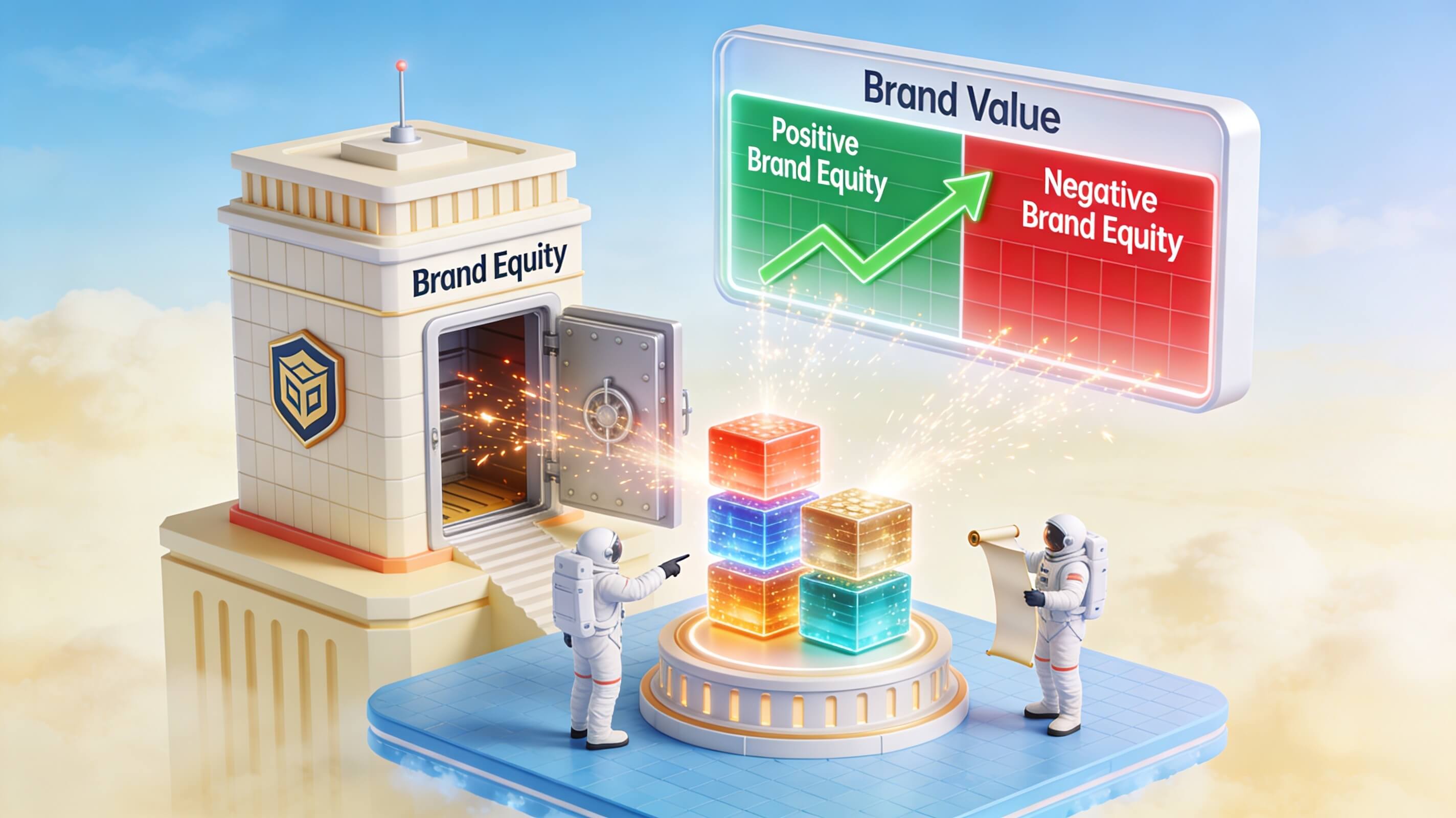
Brand equity is the measurable commercial value derived from consumer perception of a brand name, as opposed to the product or service itself. At its core, brand equity answers a simple but powerful question: how much more will a customer pay for your product over a generic alternative simply because of your brand? This intangible asset manifests in premium pricing, customer loyalty, market share resilience, and the ability to withstand competitive attacks. In markets where product features converge rapidly, brand equity becomes the primary differentiator separating market leaders from commodity players. This guide provides a comprehensive, expert-level examination of what brand equity truly means, why it drives financial performance, how to measure it with precision, and actionable strategies for building and protecting it in dynamic markets. Whether you are a CMO, entrepreneur, or marketing professional, understanding brand equity is no longer optional—it is the foundation of sustainable business growth.
Defining Brand Equity and Its Core Essence
Brand equity represents the sum total of all perceptions, experiences, and associations a customer holds about a brand. It is not something a company owns outright; rather, it resides in the minds of consumers. When a customer chooses a Nike shoe over an identical unbranded shoe, the price difference reflects brand equity. This premium exists because the brand has built trust, emotional connection, and perceived quality over time. The American Marketing Association defines brand equity as the marketing effects uniquely attributable to the brand, including customer response to marketing activity that would not occur if the same product were unbranded. In practical terms, brand equity translates into higher willingness to pay, lower price sensitivity, and stronger customer retention. It is the reason Apple can charge a 40% premium over competitors with similar hardware specifications. Understanding this distinction is critical because it shifts focus from short-term sales tactics to long-term brand building.
Brand Equity vs. Related Concepts: A Critical Distinction
Many professionals conflate brand equity with brand awareness, brand value, or brand positioning, but these are distinct constructs. Brand awareness measures how many people recognize or recall your brand; it is a necessary condition for equity but not sufficient. A brand can have 100% awareness in a market but negative equity if consumers associate it with poor quality or unethical practices. Brand value, on the other hand, is a financial metric—the estimated monetary worth of the brand as an intangible asset if it were to be sold. Interbrand’s annual ranking places Apple’s brand value at over $500 billion, but this number differs from brand equity, which is perceptual and relational. Brand positioning describes the strategic effort to occupy a distinct place in the consumer’s mind, while brand equity is the outcome of successful positioning over time. To illustrate, consider a luxury car brand like Mercedes-Benz. Its brand awareness is high globally, its brand value is substantial, and its positioning centers on prestige and engineering. But its brand equity is the cumulative trust and desirability that allows it to command premium pricing and maintain customer loyalty even during economic downturns. Confusing these terms leads to misallocated marketing budgets and weak strategy.
The Core Components of Brand Equity
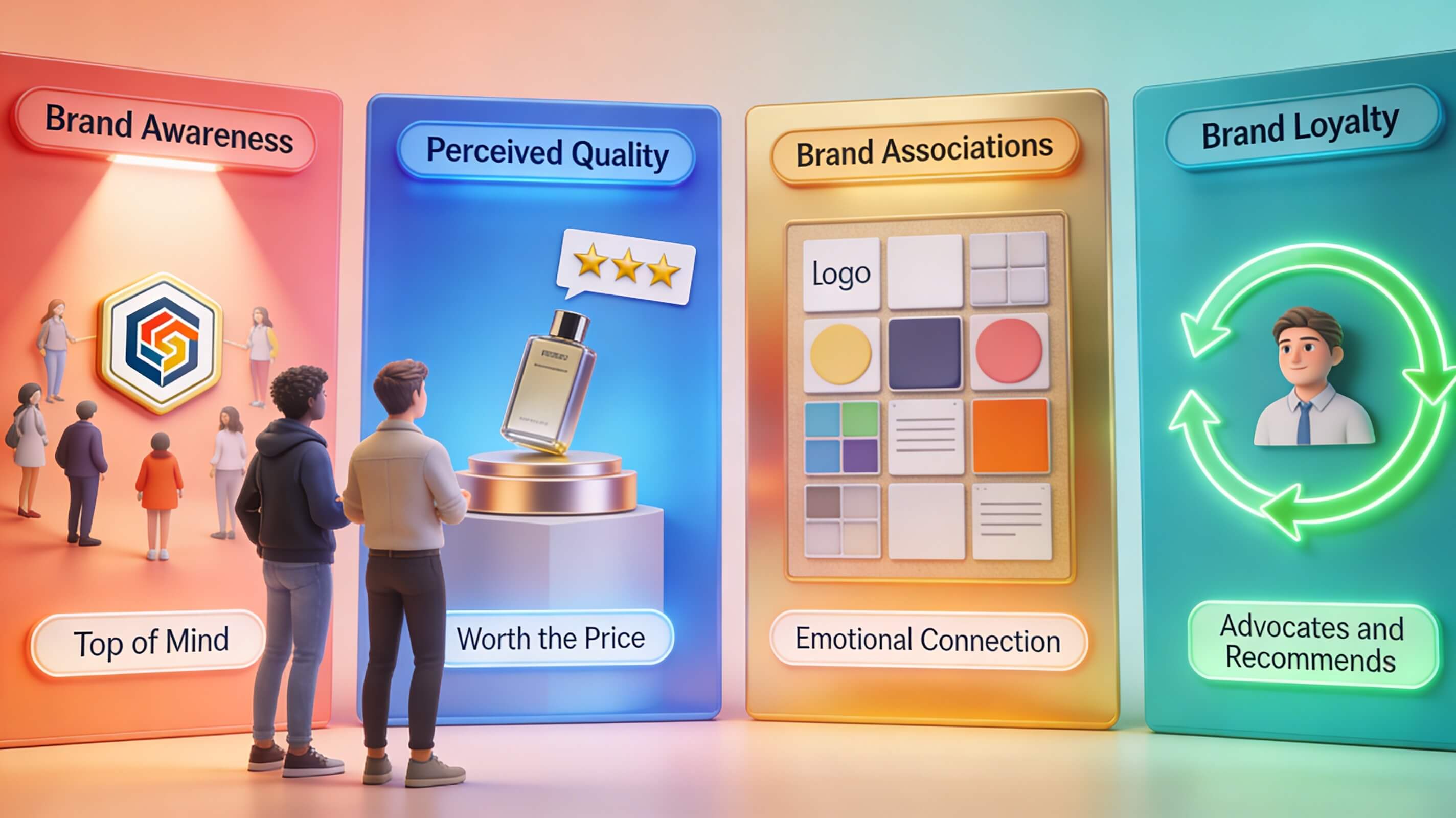
Brand equity is not monolithic; it comprises several interconnected components that work synergistically. The most widely accepted framework identifies four primary dimensions: brand awareness, brand associations, perceived quality, and brand loyalty. Each component reinforces the others, creating a virtuous cycle that compounds over time.
Brand Awareness and Recognition
Brand awareness is the foundation of equity. Without awareness, no other component can develop. Awareness exists on a spectrum from recognition (consumers have seen the brand before) to recall (consumers spontaneously name the brand when prompted with a category). Top-of-mind awareness—being the first brand that comes to mind—is particularly valuable because it drives consideration in purchase decisions. For example, when someone needs a facial tissue, many consumers automatically think of Kleenex, even though the product category is broader. This level of awareness requires sustained investment in advertising, content marketing, and public relations. However, awareness alone does not guarantee equity. A brand can be widely known for negative reasons, such as a data breach or product recall. Therefore, awareness must be paired with positive associations to build equity.
Brand Associations and Perceived Quality
Brand associations are the mental links consumers form between the brand and attributes, benefits, or emotions. These associations can be functional (reliability, durability), experiential (exciting, fun), or symbolic (status, belonging). Perceived quality is a specific type of association that measures how customers evaluate the overall excellence of a brand’s offerings. Critically, perceived quality is subjective and may differ from objective quality. A study by the Journal of Marketing found that perceived quality explains up to 30% of variance in brand preference. For instance, Toyota is perceived as highly reliable, which drives its brand equity, even though some competitors may have similar or superior objective reliability scores. Marketers must actively shape associations through consistent messaging, product experiences, and customer service. Negative associations, once formed, are difficult to reverse, making proactive management essential.
Brand Loyalty and Customer Advocacy
Brand loyalty represents the behavioral and attitudinal commitment customers have toward a brand. Behavioral loyalty is reflected in repeat purchases, while attitudinal loyalty involves emotional attachment and preference. The highest form of loyalty is advocacy, where customers actively recommend the brand to others. Data from Bain & Company shows that increasing customer retention rates by 5% can increase profits by 25% to 95%. Loyalty is built through consistent positive experiences, trust, and emotional connection. Brands like Patagonia have cultivated fierce loyalty by aligning with environmental values, creating a community of advocates who not only buy products but also defend the brand publicly. Measuring loyalty through metrics like Net Promoter Score (NPS) and customer lifetime value (CLV) provides actionable insights into equity strength.
Brand Equity Models and Frameworks
Two dominant academic models provide structured approaches for understanding and building brand equity: David Aaker’s Brand Equity Model and Kevin Lane Keller’s Customer-Based Brand Equity (CBBE) Model. Both offer valuable lenses, though they emphasize different aspects.
Aaker’s Brand Equity Model
David Aaker, a professor at the University of California, Berkeley, proposed a model with five components: brand awareness, brand associations, perceived quality, brand loyalty, and other proprietary assets (such as patents and trademarks). Aaker’s model is particularly useful for practitioners because it breaks equity into actionable, measurable elements. For example, a company can separately track awareness levels, association strength, and loyalty metrics to identify which dimension needs improvement. Aaker also emphasizes the role of brand identity—the unique set of associations the brand aspires to create. This model is well-suited for consumer goods companies with mass-market products, where differentiation through visual identity and consistent messaging is critical. The model’s strength lies in its simplicity and practical applicability, though it can oversimplify the emotional and relational aspects of equity.
Keller’s Customer-Based Brand Equity (CBBE) Model
Kevin Lane Keller’s CBBE model, often visualized as a pyramid, posits that brand equity is built in four sequential stages: brand identity (who are you?), brand meaning (what are you?), brand response (what do I think or feel about you?), and brand resonance (how much connection do I have with you?). The pyramid’s base is brand salience, which encompasses awareness and recognition. The next level comprises performance (functional attributes) and imagery (intangible associations). The third level involves judgments (quality, credibility) and feelings (warmth, excitement). At the apex is resonance, characterized by behavioral loyalty, attitudinal attachment, sense of community, and active engagement. Keller’s model is more detailed than Aaker’s and is particularly valuable for service brands and B2B companies where emotional connections and long-term relationships are paramount. For example, a consulting firm like McKinsey builds equity through brand meaning (expertise, trust) and resonance (client loyalty, referrals). The model’s hierarchical nature reminds marketers that skipping stages—such as trying to create resonance without establishing meaning—is ineffective.
Why Brand Equity Matters: Financial and Strategic Impact
Brand equity is not an abstract concept; it has direct, quantifiable financial consequences. Companies with high brand equity outperform competitors on multiple financial metrics, including revenue growth, profit margins, and shareholder returns. A study by the Harvard Business Review found that brands with strong equity generate 20% higher total shareholder returns over a decade compared to weaker brands. This performance stems from several mechanisms: pricing power, reduced customer acquisition costs, and lower price elasticity. For instance, when Starbucks raises prices by 5%, its loyal customer base does not defect in significant numbers because the brand’s equity justifies the premium. In contrast, a generic coffee brand attempting the same price increase would likely lose market share. Brand equity also provides a buffer during crises. Companies like Johnson & Johnson have weathered product recalls with less long-term damage because of accumulated trust. From a strategic perspective, brand equity creates barriers to entry for competitors. New entrants must invest heavily to overcome established brand associations, making market share gains expensive and slow.
Building Brand Equity: Strategic Imperatives
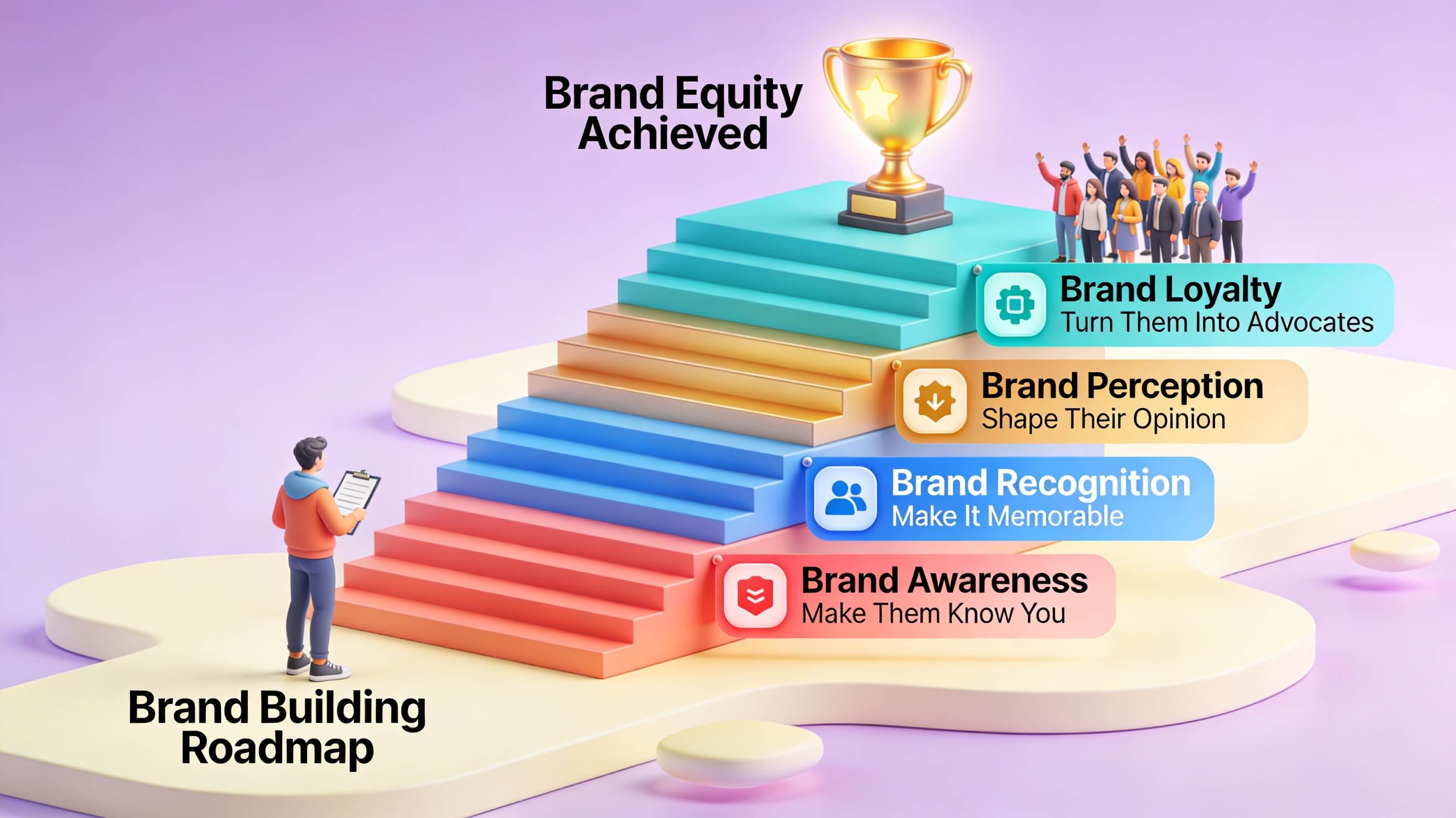
Building brand equity requires deliberate, long-term investment across multiple fronts. Short-term tactics like promotions or viral campaigns can create spikes in awareness but rarely build lasting equity. The following strategies are essential for systematic equity development.
Brand Positioning and Differentiation
Effective brand positioning is the cornerstone of equity. It answers the question: why should a customer choose your brand over alternatives? Strong positioning is clear, relevant, and distinctive. It should identify a unique value proposition that resonates with a specific target audience. For example, Volvo’s positioning around safety is both distinctive and relevant to its target market. This positioning shapes all associations consumers form about the brand. Differentiation must be meaningful to the customer, not just different for its own sake. Research from McKinsey indicates that brands with clear differentiation achieve 1.5 times higher market share growth than undifferentiated competitors. To build equity, positioning must be consistently communicated across all touchpoints, from product design to advertising to customer service. A brand that claims premium quality but delivers average customer service creates cognitive dissonance that erodes equity.
Consistent Brand Identity and Messaging
Consistency is the bedrock of brand equity. When consumers encounter a brand repeatedly with the same visual identity, tone of voice, and core message, they develop strong, clear associations. Inconsistency, on the other hand, creates confusion and weakens memory structures. This does not mean every communication must be identical; rather, the brand’s essence—its values, personality, and promise—should remain stable across channels and over time. Coca-Cola has maintained consistent brand identity for over a century, even as its advertising campaigns evolved. The red color, script logo, and association with happiness and refreshment are instantly recognizable worldwide. Consistency also applies to product quality and customer experience. A brand that delivers high quality 99% of the time but fails on the 1% can damage equity disproportionately because negative experiences are more memorable. Investing in systems that ensure consistent delivery across all customer touchpoints is therefore a direct investment in brand equity.
Delivering Exceptional Customer Experiences
Brand equity is ultimately built or destroyed through customer experiences. Every interaction—from browsing a website to opening a package to contacting support—shapes perceptions. Exceptional experiences exceed expectations, creating positive emotional responses that strengthen brand associations. For example, Zappos has built enormous brand equity through its legendary customer service, which includes free shipping, easy returns, and a 365-day return policy. These experiences create stories that customers share, generating organic advocacy. To deliver exceptional experiences consistently, companies must align their entire organization around customer value. This requires training, metrics, and culture that prioritize customer satisfaction over short-term cost savings. A single negative experience can undo years of positive associations, making experience management a high-stakes function. Brands that excel at experience, like Amazon with its one-click ordering and fast delivery, create structural advantages that competitors find difficult to replicate.
Measuring Brand Equity: Quantifying the Intangible
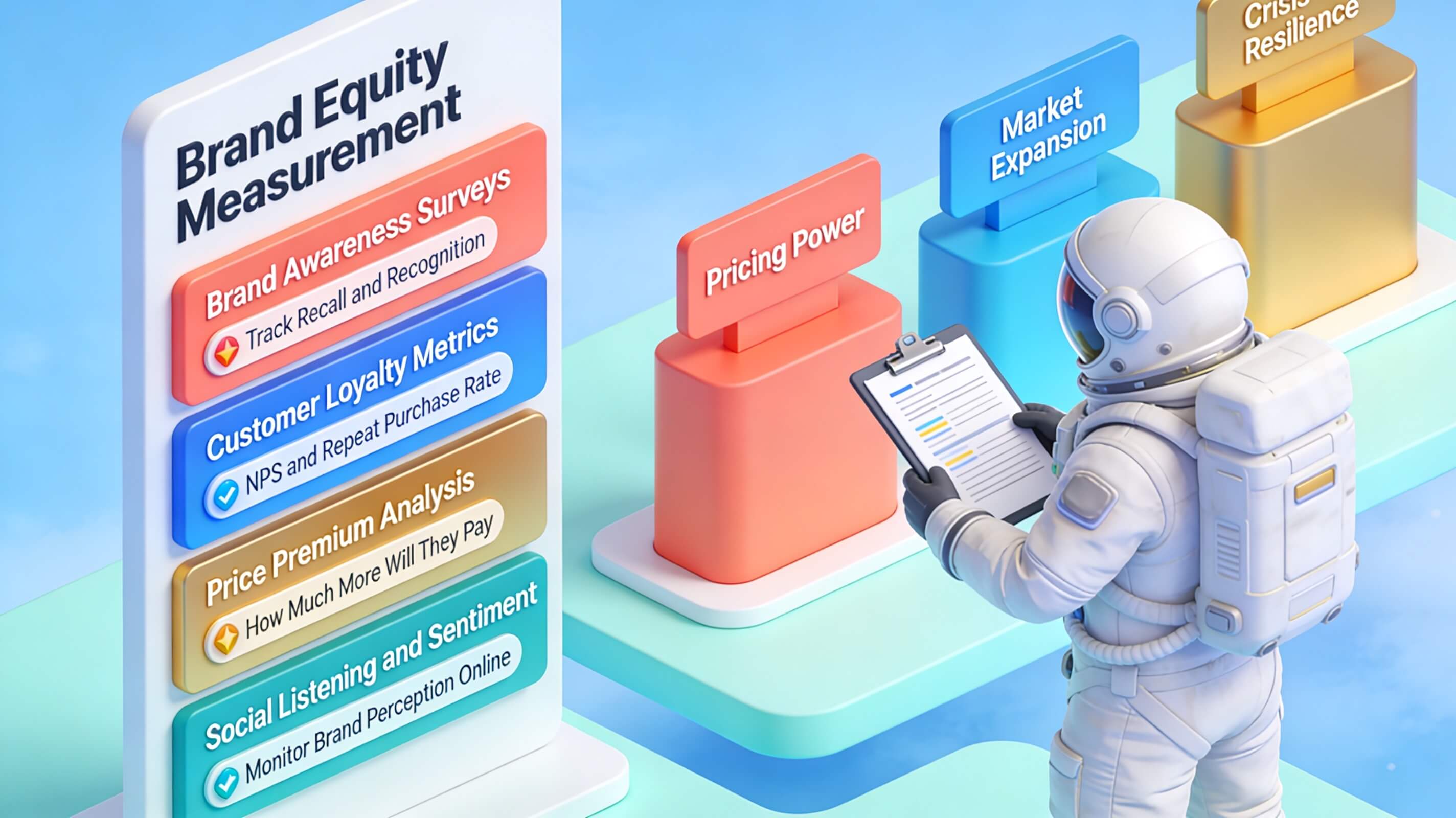
Measuring brand equity is challenging because it is perceptual, but several robust methods exist. The most effective approach combines customer-based metrics with financial indicators to provide a holistic view.
Customer-Based Metrics
Customer-based metrics capture the perceptual dimension of equity. Brand awareness is measured through aided and unaided recall surveys. Brand associations are assessed through free association tasks or attribute ratings. Perceived quality is measured through Likert-scale questions about product or service excellence. Brand loyalty is tracked through repeat purchase rates, share of wallet, and NPS. These metrics are typically collected through regular brand tracking studies. For example, a brand might survey 1,000 consumers quarterly to track changes in awareness, associations, and loyalty. The key is to use consistent methodology over time to identify trends. A decline in perceived quality or loyalty is an early warning sign that equity is eroding, even before financial metrics decline. These metrics also allow benchmarking against competitors, revealing relative equity strength.
Financial Metrics
Financial metrics translate perceptual equity into monetary terms. Revenue premium analysis compares the revenue generated by a branded product to that of a comparable unbranded product. Price premium analysis measures the percentage difference in price the brand can command over competitors. Customer acquisition cost (CAC) and customer lifetime value (CLV) provide insights into equity’s economic impact. Brands with high equity typically have lower CAC because strong awareness and positive associations reduce marketing spend needed to convert customers. They also have higher CLV because loyal customers stay longer and buy more. Another financial approach is the brand valuation method, which estimates the total financial value of the brand as an intangible asset. Interbrand, Brand Finance, and other firms use proprietary methodologies to calculate brand value, which can be used for balance sheet reporting or M&A decisions. While these valuations are estimates, they provide a useful benchmark for tracking equity’s financial impact over time.
| Metric Category | Specific Metric | Measurement Method | Insight Provided |
|---|---|---|---|
| Customer-Based | Brand Awareness | Surveys (aided/unaided recall) | Breadth of brand recognition |
| Customer-Based | Perceived Quality | Likert-scale surveys | Customer evaluation of excellence |
| Customer-Based | Net Promoter Score (NPS) | Single-question survey | Willingness to recommend |
| Financial | Revenue Premium | Compare branded vs. unbranded revenue | Monetary value of brand |
| Financial | Price Premium | Compare brand price to category average | Pricing power |
| Financial | Customer Lifetime Value (CLV) | Historical purchase data analysis | Long-term customer profitability |
Challenges and Threats to Brand Equity
Brand equity is fragile and can be damaged quickly through missteps or external forces. Understanding these threats is essential for proactive protection.
Brand Dilution from Overextension
When a brand extends into too many categories or launches sub-brands that conflict with its core identity, dilution occurs. Consumers become confused about what the brand stands for, weakening associations. For example, when Harley-Davidson attempted to launch a line of perfume, it conflicted with its rugged, masculine image and was met with consumer resistance. Premium brands are particularly vulnerable to downmarket extensions, which can cheapen perceptions. The risk is that short-term revenue gains from extensions are outweighed by long-term equity erosion. To avoid dilution, brands should ensure extensions are consistent with core values and target the same or adjacent customer segments.
Crisis Management and Reputation Protection
Product recalls, data breaches, ethical scandals, or leadership failures can devastate brand equity. The speed and transparency of the response determine the extent of damage. Brands that acknowledge the issue, take responsibility, and communicate corrective actions can often recover. For example, Tylenol’s swift recall and repackaging after the 1982 cyanide crisis actually strengthened its equity by demonstrating commitment to safety. In contrast, brands that delay, deny, or deflect blame suffer long-term damage. A crisis response plan should be in place before an incident occurs, including pre-approved messaging, designated spokespeople, and monitoring systems. Social media amplifies both positive and negative sentiment, making real-time response capabilities critical.
Competitive Threats and Market Disruption
New competitors, particularly those with disruptive business models, can erode brand equity. For example, Dollar Shave Club disrupted Gillette’s strong equity by offering a subscription model at lower prices, forcing Gillette to respond. Established brands must continuously monitor competitive activity and consumer behavior shifts. Data from Kantar shows that 71% of consumers have switched brands in the past year, indicating that loyalty is not permanent. Brands must innovate in products, services, and customer experiences to maintain relevance. Ignoring emerging threats until market share declines is a recipe for equity erosion.
Evolving Brand Equity in Dynamic Markets
Brand equity is not static; it must evolve with changing consumer expectations, technological advancements, and market conditions. Brands that fail to adapt risk becoming irrelevant.
Adapting to Changing Consumer Expectations
Consumer values shift over time, and brands must evolve their positioning to remain relevant. Sustainability, ethical sourcing, and corporate social responsibility are increasingly important to modern consumers, particularly Gen Z and Millennials. Brands like Patagonia and Ben & Jerry’s have built strong equity by aligning with social causes. Ignoring these trends can lead to equity erosion, as consumers perceive the brand as out of touch. Regular market research and trend analysis are essential for identifying emerging values. Brands should also be authentic; consumers are adept at detecting performative activism, which can damage equity more than silence.
Digital Transformation and Brand Equity
Digital channels have fundamentally changed how brands interact with consumers. Social media enables direct, two-way communication, allowing brands to build intimacy and community. E-commerce provides opportunities for personalization and convenience that strengthen relationships. However, digital also increases transparency; negative reviews and customer complaints are visible to all. Brands must actively manage their digital presence, responding to feedback and curating content that reinforces brand associations. Data from McKinsey indicates that brands with strong digital engagement achieve 2.5 times higher revenue growth than those with weak digital presence. Investing in
Conclusion
Brand equity is far more than a marketing buzzword; it is the cumulative value a brand earns through consistent positive experiences, trust, and emotional connection with its audience. As we have explored, strong brand equity delivers tangible advantages: premium pricing, customer loyalty, resilience during crises, and enhanced bargaining power with partners. It is built on clear brand identity, perceived quality, strong associations, and—crucially—authenticity.
Yet brand equity is not static. It requires ongoing stewardship, especially in an era of shifting consumer expectations and rapid digital transformation. Brands must adapt to evolving values like sustainability and social responsibility, while leveraging digital channels to foster community and transparency. Neglecting these dynamics can erode equity quickly, as consumers today have more choice and louder voices than ever before.
Ultimately, brand equity is a long-term investment in perception and relationship. Companies that prioritize it—not as a short-term tactic but as a core strategic asset—position themselves for sustainable growth. In a crowded, transparent marketplace, the brands that earn trust, deliver on promises, and evolve with their customers will not only survive but thrive. Building brand equity is not optional; it is the foundation of enduring success.

Comments are closed.