Cart 0

Share
Table of Contents
7 Things Only a Social Media Marketing Specialist Can Do for Your Brand
Many business owners and marketing leaders still view social media as a low-stakes channel—a place to post product photos, share blog links, and occasionally respond to comments. They assign social duties to an intern, a virtual assistant, or a generalist marketer who juggles email campaigns, website updates, and social posting all at once. The result is almost always the same: erratic growth, low engagement, and a murky connection between social activity and revenue. Social media has matured far beyond that amateur era. Today it is a data-driven, algorithm-governed environment where platform-specific nuance determines success. That is precisely why a social media marketing specialist has become one of the most valuable roles in modern marketing. Unlike a generalist who spreads their attention across dozens of tasks, a specialist brings deep, focused expertise in platform mechanics, audience psychology, content optimization, and performance measurement. They do not guess what will work—they know because they have tested it hundreds of times. A social media marketing specialist understands that LinkedIn rewards thought leadership and long-form commentary while TikTok thrives on raw, short-form entertainment. They know that Instagram engagement depends on carousel posts and Reels, not static images, and that Pinterest users are in discovery mode, not social mode. These differences are not trivial. They are the difference between a campaign that flops and one that drives measurable business outcomes. In this article, I will walk you through seven specific capabilities that only a seasoned specialist can deliver for your brand. Each one represents a strategic advantage that generalists, agencies without dedicated social experts, and entry-level social media managers simply cannot replicate. If you are serious about turning social media into a reliable growth channel for your business, these seven areas are where the real value lies.
1. Strategic Platform Selection and Audience Targeting
The most common mistake brands make is trying to maintain a presence on every social platform simultaneously. They spread resources thin, post identical content across channels, and wonder why engagement remains flat. A social media marketing specialist approaches platform selection with a forensic mindset. They do not choose platforms based on trends or personal preference. Instead, they analyze where your target audience actually spends time, how they consume content on each platform, and what type of engagement leads to conversions in your specific industry.

For example, a B2B software company might assume that LinkedIn is their only viable channel. A specialist often discovers that Reddit communities, niche Facebook groups, or even TikTok can generate higher-quality leads when the content strategy is tailored correctly. They study audience demographics, behavioral patterns, and platform-specific algorithms to determine which two or three channels will deliver the highest return on your time and budget. This strategic focus prevents wasted effort and ensures that every piece of content reaches people who are genuinely interested in your offer.
Beyond selection, a specialist handles audience targeting at a granular level. They build custom audiences based on user behavior, interests, and engagement history. They use platform tools like Facebook Audience Insights, LinkedIn Matched Audiences, and TikTok’s ad manager to segment users by lifecycle stage, purchase intent, and content affinity. This level of precision is impossible for a generalist who lacks daily exposure to these tools. A specialist also monitors shifts in audience behavior over time, adjusting targeting parameters as algorithms evolve and user preferences change. They do not set a targeting strategy and forget it. They treat it as a living system that requires constant refinement.
2. Advanced Content Creation and Platform-Native Storytelling
Content creation sounds straightforward, but the difference between content that works and content that gets ignored has never been wider. A social media marketing specialist understands that each platform has its own visual language, pacing, and storytelling conventions. They know that a video optimized for Instagram Reels will not perform well on YouTube Shorts, and a LinkedIn carousel post requires a completely different structure than a Pinterest Idea Pin. Creating content that resonates means mastering the subtle nuances of each platform’s native format.
A specialist does not just create content—they engineer it for the algorithm. They know that Instagram’s algorithm prioritizes Reels that use trending audio, high retention rates in the first three seconds, and direct calls to action in the caption. They understand that LinkedIn’s algorithm rewards posts that generate meaningful comments within the first hour, so they craft content that sparks discussion rather than passive scrolling. On TikTok, they optimize for watch time and loop potential, knowing that the algorithm heavily weights videos that users watch multiple times. These insights are not guesswork. They come from hands-on experience and continuous testing.
Moreover, a specialist brings a structured content creation process that goes beyond posting randomly. They develop content pillars aligned with your brand’s business goals: one pillar for awareness, one for engagement, one for conversion, and one for community building. They plan content calendars that account for seasonal trends, industry events, and platform-specific peak times. They repurpose high-performing content across formats—turning a blog post into a carousel, a carousel into a video script, and a video script into a series of tweets. This systematic approach ensures that your brand produces consistent, high-quality content without burning out your internal team. A generalist who creates content in isolation without platform-specific knowledge will never match the efficiency and effectiveness of a dedicated specialist.
| Capability | Generalist Marketer | Social Media Marketing Specialist |
|---|---|---|
| Platform selection | Chooses based on trends or brand size | Selects based on audience data and ROI analysis |
| Content creation | Repurposes the same content everywhere | Creates platform-native formats for each channel |
| Algorithm knowledge | Basic understanding of posting frequency | Deep expertise in ranking signals and timing |
| Performance analysis | Reports vanity metrics like likes and followers | Tracks conversion metrics and attribution paths |
| Paid advertising | Sets basic campaigns with minimal optimization | Manages complex funnels, retargeting, and A/B testing |
| Crisis management | Responds reactively with corporate statements | Proactively monitors and manages brand sentiment |
| Long-term strategy | Focuses on monthly content calendars | Builds multi-quarter growth roadmaps with KPIs |
3. Data-Driven Performance Analysis and Conversion Optimization
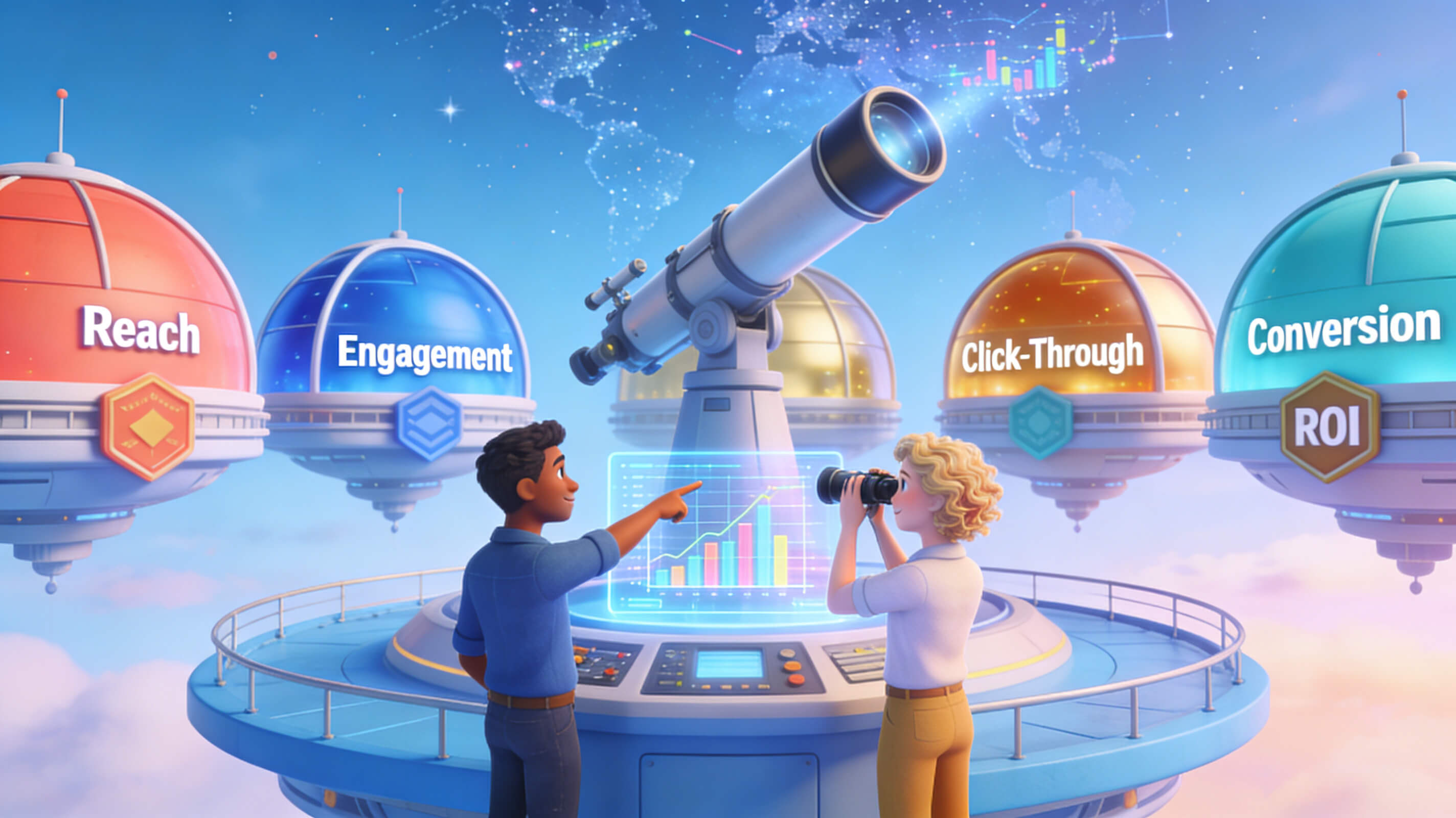
Social media generates an overwhelming amount of data. Most brands look at likes, comments, and follower counts because those numbers are easy to see. A social media marketing specialist knows that these vanity metrics are nearly useless for measuring business impact. They focus on metrics that actually drive decisions: engagement rate by reach, click-through rate, conversion rate, cost per lead, customer acquisition cost, and return on ad spend. They build custom dashboards that connect social media performance to your CRM, e-commerce platform, or lead generation tools so that every metric ties back to revenue.
Data analysis in social media is not just about reporting what happened. It is about understanding why it happened and what to do next. A specialist uses tools like Sprout Social, Hootsuite, and native platform analytics to dig into audience behavior. They identify which content formats drive the highest engagement among your specific audience segments. They analyze posting times down to the hour and day of the week to maximize organic reach. They study the performance of competitor content to identify content gaps and opportunities in your own strategy. This level of analysis requires both technical skill with analytics tools and the strategic judgment to turn insights into actionable recommendations.
One area where specialists add unique value is conversion optimization. They do not just drive traffic—they optimize the entire funnel from impression to conversion. They A/B test call-to-action buttons, landing page copy, lead magnet offers, and ad creative to squeeze more conversions from the same traffic volume. They use retargeting sequences that re-engage users who did not convert on their first visit. They map out customer journeys across platforms, understanding that a customer might discover you on Instagram, research you on LinkedIn, and convert on a YouTube video. Without a specialist who understands cross-platform attribution, you will never know which channel deserves credit for a sale. This expertise is what separates brands that treat social media as a cost center from those that treat it as a profit center.
Featured Snippet-Optimized Section: The 5-Step Social Media Optimization Cycle
A social media marketing specialist follows a repeatable optimization cycle to continuously improve performance. First, they audit your current social presence across all active platforms, documenting engagement rates, content performance, audience demographics, and competitor benchmarks. Second, they define specific, measurable KPIs aligned with business goals—not likes, but leads, sales, and customer lifetime value. Third, they design experiments: testing different content formats, posting schedules, hashtag strategies, and ad creatives against clear control variables. Fourth, they analyze results using statistical significance, not gut feeling, and document winning variations. Fifth, they scale what works, sunset what does not, and return to the audit phase to repeat the cycle. This structured, data-driven approach ensures that your social media performance improves month over month rather than stagnating or declining.
4. Crisis Management and Brand Reputation Protection
Every brand that maintains a social media presence will eventually face a crisis. It might be a negative customer review that goes viral, an employee’s inappropriate post, a product recall, or a misunderstanding that spirals into public outrage. How you respond in the first few hours determines whether the situation escalates or dissipates. A social media marketing specialist is trained to handle these high-pressure situations with speed and strategic judgment. They do not panic or send reactive messages that make the situation worse. Instead, they follow a crisis response framework that minimizes damage and protects your brand’s reputation.
A specialist maintains a crisis communication plan that is ready to activate at any time. The plan includes pre-approved messaging templates, escalation protocols, designated spokespeople, and guidelines for when to engage publicly versus when to take conversations private. They monitor social mentions continuously using tools like Brandwatch, Mention, and native platform alerts so that they catch negative sentiment before it spreads. When a crisis hits, they assess the severity, determine the appropriate response level, and coordinate with your internal communications team to ensure consistency across all channels. They also manage the tone and timing of responses, knowing that a delayed apology is often worse than a flawed one that comes quickly.
Beyond reactive crisis management, a specialist builds proactive brand protection systems. They track brand sentiment trends over time, identify emerging issues before they escalate, and engage with critics in constructive ways that prevent small complaints from snowballing. They also manage your brand’s community guidelines, moderating comments and removing spam or harmful content that could damage your reputation. In an era where a single viral negative post can cost a brand millions in lost revenue, having a specialist who can protect your reputation is not optional. It is a critical function that generalists and entry-level managers are simply not equipped to handle.
5. Paid Social Advertising Mastery
Organic social media is becoming increasingly difficult. Algorithm changes, platform fragmentation, and the sheer volume of content mean that even large brands struggle to reach their own followers without paid support. A social media marketing specialist brings advanced paid advertising skills that go far beyond boosting a post or creating a basic campaign. They understand the full paid social ecosystem: Facebook Ads Manager, LinkedIn Campaign Manager, TikTok Ads Manager, Pinterest Ads, and Snapchat Ads. Each platform has its own bidding models, audience targeting options, creative specifications, and optimization rules. A generalist who dabbles in paid ads will waste budget. A specialist who works with these tools daily will stretch every advertising dollar.
Specialists build structured advertising funnels that align with your customer journey. They create top-of-funnel campaigns for awareness, middle-of-funnel campaigns for consideration, and bottom-of-funnel campaigns for conversion. They set up retargeting sequences that follow users across platforms, serving them relevant ads based on their previous interactions with your brand. They use lookalike audiences to find new customers who resemble your best existing customers. They test multiple ad variations simultaneously—headlines, images, videos, calls to action—and let the data decide which combination wins. They also manage budgets dynamically, shifting spend toward high-performing campaigns and pausing underperforming ones in real time.
Another area where specialists excel is creative strategy. They know that ad fatigue is one of the biggest killers of campaign performance, so they refresh creative assets regularly based on performance data. They collaborate with designers and copywriters to produce ads that are not only visually compelling but also optimized for the specific platform’s ad delivery system. They understand how to use UTM parameters, conversion tracking pixels, and server-side tracking to ensure accurate attribution. For any brand spending more than a few hundred dollars per month on social ads, the difference between a specialist and a non-specialist can mean a 200 to 500 percent improvement in return on ad spend. That is not an exaggeration—it is the reality of working with someone who eats, sleeps, and breathes paid social advertising.
6. Influencer Collaboration and Community Relationship Management
Influencer marketing has become a cornerstone of social media strategy, but most brands approach it ineffectively. They send generic outreach emails, partner with influencers based on follower count alone, and fail to measure the actual impact of collaborations. A social media marketing specialist treats influencer partnerships as a strategic channel, not a transactional exchange. They know that the best influencer partnerships are built on alignment between your brand values and the influencer’s audience trust, not on metrics like reach or impressions. They take the time to vet potential partners, analyzing engagement rates, audience authenticity, content quality, and past brand collaborations to ensure a good fit.
A specialist also handles the operational side of influencer collaborations. They draft clear briefs that outline deliverables, timelines, usage rights, and compensation terms. They manage relationships over the long term rather than treating each collaboration as a one-off transaction. They coordinate content approval processes, ensuring that influencer content aligns with your brand’s messaging guidelines without stifling the influencer’s creative voice. They also track performance using unique discount codes, affiliate links, and UTM parameters so that every collaboration’s impact on sales, leads, and brand awareness is measurable.
Beyond formal influencer partnerships, a specialist excels at community management—the daily work of engaging with your audience authentically. They respond to comments and direct messages in a timely, on-brand manner. They spark conversations in comment sections, ask questions in posts, and create interactive content like polls and Q&A sessions that build a sense of belonging among your followers. They identify superfans and brand advocates, nurturing those relationships so that your most loyal followers become unpaid ambassadors. Community relationship management is often undervalued, but it is the bedrock of sustainable social media growth. A specialist recognizes that social media is not a broadcast channel—it is a conversation. Brands that master community engagement build trust and loyalty that paid advertising alone can never achieve.
7. Long-Term Brand Storytelling and Competitive Positioning
The final capability that only a social media marketing specialist brings is the ability to craft and execute a long-term brand storytelling strategy. Many brands treat social media as a series of unrelated posts, each one existing in isolation. A specialist sees social media as a narrative arc that unfolds over months and years. They develop a consistent brand voice, visual identity, and thematic framework that ties every post, Reel, tweet, and article together into a cohesive story. This long-term perspective creates a sense of reliability and depth that audiences respond to. They know your brand’s history, your mission, your differentiators, and your customer’s journey better than anyone else on your marketing team.
Specialists also conduct ongoing competitive analysis to position your brand advantageously. They monitor your competitors’ social activity, content themes, engagement patterns, and audience sentiment. They identify gaps in competitor coverage that your brand can exploit. They benchmark your performance against industry standards and adjust your strategy accordingly. This competitive intelligence allows them to spot emerging trends early—a new platform gaining traction, a content format that is saturating, or a shift in audience preferences—and pivot your strategy before your competitors even notice. Without a specialist dedicated to competitive monitoring and long-term planning, your brand will always be reacting to the market rather than shaping it.
Moreover, a specialist ensures that your social media strategy evolves with the industry. They attend webinars, read platform updates, and participate in professional networks to stay current with changes in algorithms, advertising
Conclusion
In a digital landscape that grows more crowded and complex by the day, the role of a social media marketing specialist has evolved from a nice-to-have to a strategic necessity. As we’ve explored, these professionals bring far more than the ability to schedule posts or craft a catchy caption. They are architects of long-term brand narratives, weaving together a consistent voice, visual identity, and thematic depth that transforms casual viewers into loyal advocates. Their competitive analysis goes beyond surface-level monitoring; it uncovers gaps in the market and emerging trends that allow your brand to lead rather than follow. They stay ahead of algorithmic shifts, platform updates, and evolving audience behaviors, ensuring your strategy remains agile and effective.
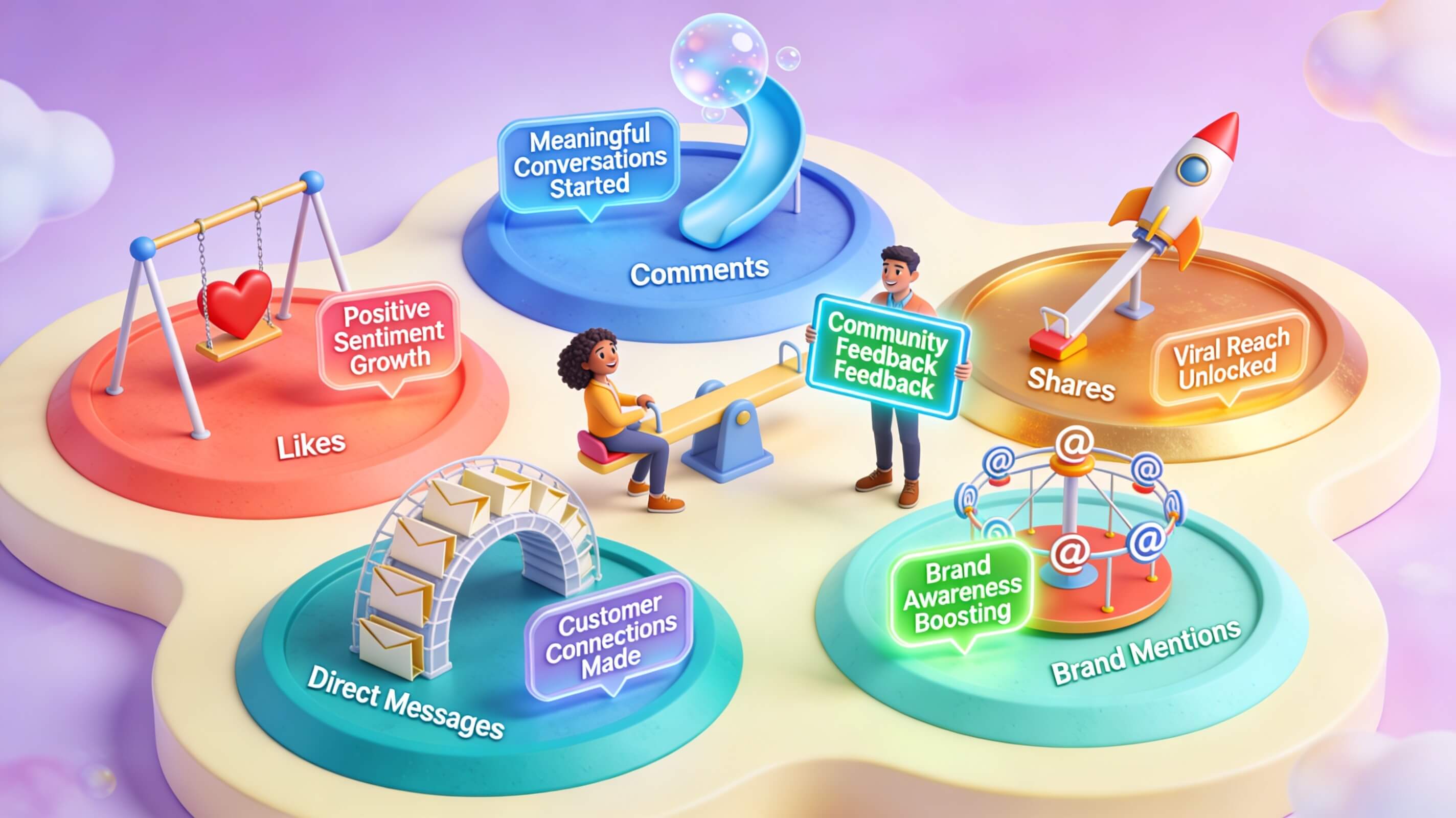
A specialist also masters the art of data interpretation—translating metrics like engagement rates, click-throughs, and conversion paths into actionable insights that refine your entire marketing approach. They manage paid social campaigns with precision, allocating budgets for maximum ROI and A/B testing creative elements to find what truly resonates. Crisis communication is another critical domain: they are trained to respond swiftly and diplomatically to negative feedback or PR storms, protecting your brand’s reputation when it matters most. And perhaps most importantly, they build genuine relationships with influencers, communities, and super-fans, turning social media into a two-way conversation rather than a broadcast channel.
Without a specialist, brands risk operating in silos—posting content without a cohesive strategy, reacting to competitors instead of innovating, and missing the subtle signals that predict consumer shifts. The investment in a dedicated social media marketing specialist pays dividends in consistency, credibility, and growth. They are not just operators; they are strategists, analysts, storytellers, and guardians of your brand’s digital presence.
In an era where attention is the scarcest resource, having someone who understands how to capture and hold it—ethically and effectively—is invaluable. If you want your brand to stand out, build lasting connections, and navigate the ever-changing social media landscape with confidence, a specialist is the compass you need. Don’t let your social media be an afterthought; let it be a driving force for your brand’s success.