
Cart 0


Share
Understanding which targeting option is best for achieving brand awareness empowers marketers to allocate budgets effectively and maximize campaign impact in 2024. Brand awareness represents the foundation of customer acquisition—consumers cannot purchase from brands they do not recognize. Strategic targeting ensures marketing messages reach audiences most likely to engage, remember, and ultimately convert. By evaluating demographic targeting, psychographic segmentation, interest-based approaches, influencer partnerships, and advertising platforms, marketers can identify optimal strategies aligned with specific brand awareness objectives.
Table of Contents
Fundamentals of Brand Awareness and Which Targeting Option is Best for Achieving Brand Awareness
Brand awareness measures the extent to which consumers recognize and recall a brand, its values, and offerings. Nielsen’s annual marketing report reveals that 63% of marketers identify brand awareness as the most important marketing metric to measure, with 27% rating it extremely important and 36% considering it very important for overall marketing success. This prioritization reflects brand awareness’s role as the entry point in customer journeys—recognition precedes consideration, which precedes purchase.
Effective brand awareness campaigns employ multiple strategies working synergistically. Paid advertising through search engines, social platforms, and display networks reaches broad audiences with precise targeting. Content marketing establishes thought leadership while providing value that attracts organic attention. Social media engagement builds communities around brand values and fosters authentic connections. Email marketing nurtures relationships with prospects demonstrating interest. Partnerships and sponsorships associate brands with reputable organizations, enhancing credibility. Throughout all tactics, consistency in messaging, visual identity, and customer experience reinforces recognition and recall.
When evaluating which targeting option is best for achieving brand awareness, marketers must consider campaign objectives, audience characteristics, budget constraints, and timeline requirements. No single targeting approach universally outperforms others—effectiveness depends on strategic alignment between targeting capabilities and brand-specific needs. However, understanding each option’s strengths enables informed decisions maximizing awareness within resource constraints.
Demographic Targeting: Foundational Audience Segmentation
Demographic targeting segments audiences based on observable characteristics including age, gender, location, income, education, and marital status. This approach provides foundational segmentation enabling marketers to focus resources on groups most likely to purchase their products or services. Campaigns integrating both demographic and psychographic data achieve conversion rates up to 30% higher than those using demographics alone, with businesses utilizing comprehensive targeting methods reporting ROI 5-10 times higher than demographic-only approaches.
Strategic Advantages of Demographic Targeting
Demographic data offers several advantages when determining which targeting option is best for achieving brand awareness. Data accessibility represents a primary benefit—demographics are readily available through platform analytics, surveys, and public records. This accessibility enables rapid campaign deployment without extensive research investments. Clear segmentation provides another advantage, allowing straightforward audience categorization based on observable traits. Scalability enables reaching large audience groups sharing demographic similarities, important for brands seeking broad awareness quickly.
Cost efficiency distinguishes demographic targeting from more sophisticated alternatives. Platforms charge based on audience size and specificity—broader demographic targeting typically costs less than narrow psychographic or behavioral approaches. For brands with limited budgets seeking maximum reach, demographic targeting delivers awareness at accessible price points.
Implementing Effective Demographic Targeting
Successful demographic targeting requires thorough market research identifying which demographic segments demonstrate highest purchase propensity. Analytics tools reveal existing customer demographics, providing baseline understanding of who currently buys from your brand. Creating specific audience segments based on demographics—age brackets, gender identities, geographic regions, income ranges—enables tailored messaging resonating with each group’s distinct characteristics and needs.
Customizing creative assets for demographic segments significantly improves campaign performance. A fitness brand might emphasize high-energy workouts and trendy apparel for younger demographics while highlighting gentle exercises and joint health products for older segments. This customization demonstrates relevance, increasing attention and recall among targeted groups.
| Demographic Factor | Targeting Application | Brand Awareness Benefit |
|---|---|---|
| Age Groups | Tailor messaging to generational preferences and behaviors | Increases relevance and memorability |
| Gender Identity | Customize products and messaging to gender preferences | Enhances personal connection and recall |
| Geographic Location | Focus on regions with highest market potential | Concentrates awareness in priority markets |
| Income Levels | Align pricing and positioning with financial capacity | Targets audiences able to purchase |
 Psychographic Targeting: Understanding Audience Motivations
 Psychographic Targeting: Understanding Audience Motivations
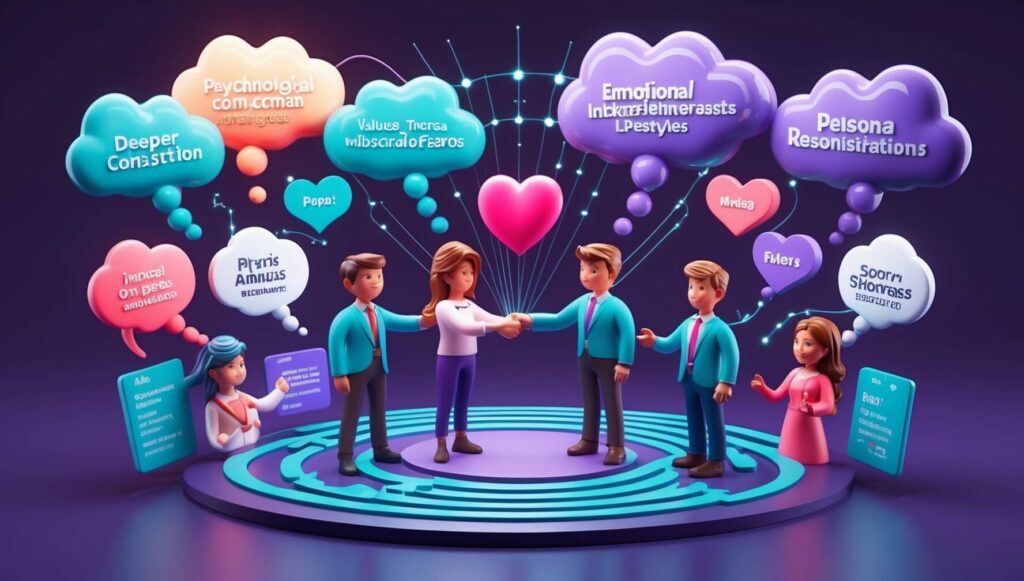
Psychographic targeting segments audiences based on psychological and behavioral traits including values, attitudes, interests, lifestyles, and personality characteristics. This approach provides deeper understanding than demographics alone, revealing why audiences make purchasing decisions rather than simply who they are. When considering which targeting option is best for achieving brand awareness, psychographic targeting offers precision creating emotional connections that strengthen recall and brand affinity.
The Power of Psychographic Segmentation
Psychographic targeting enables brands to craft messaging speaking directly to audience motivations, aspirations, and pain points. A health and wellness company might identify environmentally conscious consumers preferring organic products, then emphasize eco-friendly packaging and sustainable sourcing in brand messaging. This alignment between brand values and audience priorities creates authentic connections fostering loyalty beyond transactional relationships.
Research demonstrates psychographic targeting’s effectiveness. Organizations implementing psychographic segmentation in marketing efforts achieve 30% increases in lead conversion rates. Psychographic targeting also improves customer lifetime value—consumers engaging with brands aligning with their values demonstrate stronger loyalty and higher retention rates compared to those attracted through demographic targeting alone.
Implementing Psychographic Targeting Strategies
Effective psychographic targeting begins with comprehensive market research uncovering audience values, attitudes, and behaviors. Surveys, focus groups, and social listening tools reveal what matters to your target audience beyond surface demographics. Creating detailed buyer personas representing different psychographic segments enables tailored content addressing each group’s unique motivations.
Messaging development should speak directly to identified psychological drivers. If research reveals your audience values authenticity and transparency, brand communications should emphasize honest business practices and behind-the-scenes content. If adventure and exploration motivate your audience, messaging should highlight experiences and discoveries your product enables.
Social listening tools monitor conversations and sentiment around topics relevant to your brand, enabling real-time psychographic insights. Platforms like Brandwatch and Sprout Social track what audiences discuss, how they feel about issues, and which values they prioritize. This ongoing intelligence allows continuous messaging refinement maintaining relevance as audience priorities evolve.
Interest-Based Targeting for Relevant Audience Reach
Interest-based targeting reaches individuals demonstrating interest in topics, activities, or categories related to your brand. Advertising platforms identify user interests through browsing behavior, content engagement, and stated preferences. This targeting option proves particularly effective for brand awareness because it connects brands with audiences already inclined toward related subjects, increasing receptivity to marketing messages.
Leveraging Interest Data Effectively
When determining which targeting option is best for achieving brand awareness, interest-based approaches offer middle ground between broad demographic targeting and narrow behavioral retargeting. Platforms like Facebook, Instagram, and Google provide extensive interest categories covering hobbies, entertainment preferences, professional interests, and lifestyle choices. A outdoor equipment brand might target users interested in hiking, camping, mountain biking, and environmental conservation—capturing audiences likely to appreciate their products even if they haven’t previously engaged with the brand.
Interest targeting enables discovery beyond existing customer bases. Unlike retargeting focused on previous visitors, interest-based campaigns introduce brands to new audiences sharing characteristics with ideal customers but lacking prior awareness. This expansion capability makes interest targeting particularly valuable for brand awareness objectives prioritizing reach over immediate conversion.
Optimizing Interest-Based Campaigns
Successful interest targeting requires identifying interests genuinely aligning with your brand value proposition. Start by analyzing existing customer interests through platform analytics and customer surveys. Look for common threads connecting your most valuable customers—these shared interests represent high-potential targeting opportunities.
Layering multiple interests creates more refined audiences. Rather than targeting all users interested in “fitness,” combine multiple related interests like “yoga,” “healthy eating,” and “meditation” to reach audiences with deeper health and wellness commitment. This refinement improves campaign efficiency by reducing wasted impressions on marginally interested users.
Testing different interest combinations reveals which audiences respond most positively. Run parallel campaigns targeting distinct interest groups, then analyze which generates superior engagement, recall, and eventual conversion. Continuous testing and optimization identifies highest-performing interest segments worthy of increased budget allocation.
Influencer Marketing for Authentic Brand Awareness
 Influencer Marketing for Authentic Brand Awareness
Influencer marketing delivers substantial ROI for brand awareness objectives, with brands earning average returns of $5.78 for every dollar invested in influencer campaigns, and some achieving returns as high as $20 per dollar spent through strategic partnerships with authentic creators. When evaluating which targeting option is best for achieving brand awareness, influencer collaborations offer unique advantages including audience trust, content authenticity, and targeted reach to specific demographics or interest groups.
Why Influencer Marketing Excels for Brand Awareness
Influencers have cultivated dedicated audiences trusting their recommendations and valuing their opinions. When influencers authentically endorse brands, their followers perceive recommendations as genuine rather than promotional, generating awareness accompanied by positive sentiment. This trust transfer proves invaluable—consumers increasingly skeptical of traditional advertising respond positively to peer recommendations from trusted creators.
Influencer partnerships provide access to pre-qualified audiences. Rather than casting wide nets hoping to capture interested individuals, brands partnering with relevant influencers reach concentrated groups already interested in related topics. A sustainable fashion brand collaborating with eco-conscious lifestyle influencers immediately accesses audiences predisposed to appreciate environmentally responsible products.
Developing Effective Influencer Partnerships
Successful influencer marketing begins with identifying creators genuinely aligning with brand values and target demographics. Research potential partners’ content, engagement rates, audience demographics, and previous brand collaborations. Authentic alignment matters more than follower counts—micro-influencers with engaged niche audiences often outperform macro-influencers with broader but less engaged followings.
Establishing clear campaign goals guides partnership structures. Brand awareness campaigns prioritize reach and impressions over immediate conversions, allowing more creative freedom than direct-response initiatives. Communicate desired outcomes—follower growth, branded content views, social media mentions—while trusting influencers’ understanding of what resonates with their audiences.
Tracking campaign performance requires monitoring reach, engagement rates, branded mentions, website traffic from influencer links, and follower growth. Most influencer platforms provide comprehensive analytics revealing campaign impact. Calculating ROI compares total campaign investment against awareness metrics and eventual attributed conversions, informing future partnership decisions.
Social Media Advertising: Platform-Specific Targeting
Social media platforms reach over 5 billion users globally in 2024, with Facebook ads reaching 2.2 billion monthly users, Instagram ads reaching 1.65 billion users, and TikTok ads reaching 1.56 billion adult users, providing unprecedented audience access for brand awareness campaigns. When considering which targeting option is best for achieving brand awareness, social media advertising offers unmatched reach combined with sophisticated targeting capabilities spanning demographics, interests, behaviors, and custom audiences.
Platform-Specific Targeting Advantages
Each social platform serves distinct purposes and audiences. Facebook’s mature user base and extensive demographic data enable precise targeting across age groups, with particular strength among users aged 25-54. Instagram’s visual focus and younger demographics make it ideal for lifestyle brands, fashion, beauty, and consumer products appealing to users aged 18-34. TikTok’s explosive growth and engagement rates among Gen Z provide access to emerging consumer segments, while LinkedIn’s professional context suits B2B brand awareness targeting decision-makers and industry professionals.
Advanced targeting options available across platforms include lookalike audiences mirroring existing customer characteristics, behavioral targeting based on platform activity and purchase behaviors, device targeting optimizing for mobile or desktop users, and connection targeting reaching friends of existing followers. These capabilities enable precise audience definition maximizing awareness among high-potential prospects.
Creating Effective Social Media Ad Campaigns
Successful social advertising requires platform-appropriate creative assets. Instagram demands high-quality visuals and authentic aesthetics. TikTok rewards native-feeling content mimicking organic posts rather than polished advertisements. LinkedIn responds to professional, informative content providing business value. Tailoring creative to platform norms improves performance by meeting audience expectations for content consumed in each environment.
Ad formats influence awareness outcomes. Video ads generate 53% more views than display ads and command attention more effectively through motion and sound. Carousel ads enable storytelling across multiple frames, increasing engagement duration. Stories and Reels provide full-screen immersive experiences capturing undivided attention. Testing various formats reveals which generate strongest brand recall within target audiences.
Budget allocation strategies balance reach and frequency. Brand awareness campaigns prioritize impression volume over conversion tracking, aiming to expose maximum users to brand messaging. However, excessive frequency causes ad fatigue—optimize frequency caps ensuring users see ads sufficient times for recall without annoyance. Most platforms recommend 3-7 exposures as optimal for brand awareness without diminishing returns.
| Platform | Primary Audience | Best Content Type | Brand Awareness Strength |
|---|---|---|---|
| Ages 25-54, broad demographics | Video ads, carousel ads, community building | Massive reach, detailed targeting | |
| Ages 18-34, visual-focused | Stories, Reels, high-quality images | Visual storytelling, lifestyle brands | |
| TikTok | Gen Z, millennials | Native-feeling short videos, trends | Viral potential, high engagement |
| Professionals, B2B audiences | Thought leadership, industry insights | B2B decision-makers, credibility | |
| YouTube | All ages, video consumers | Pre-roll ads, sponsored content | Long-form storytelling, education |
Display Advertising and Video Advertising for Brand Visibility
 Display Advertising and Video Advertising for Brand Visibility
Video advertising significantly outperforms display advertising for brand awareness, with native video ads generating 53% more views than display ads, achieving click-through rates 30% higher than display formats, and delivering 34% better returns on investment due to superior engagement and memorability. Understanding these performance differences informs decisions about which targeting option is best for achieving brand awareness when allocating budgets between advertising formats.
Display Advertising Fundamentals
Display advertising places visual ads across websites and digital platforms, reaching users as they consume content. Banner ads, sidebar placements, and interstitial ads provide brand exposure throughout the digital ecosystem. Display advertising excels at achieving broad reach cost-effectively—CPM rates for display typically run lower than video or social ads, enabling maximum impression volume within budget constraints.
However, display advertising faces challenges including banner blindness—users’ learned tendency to ignore traditional ad placements. Average display ad CTRs hover around 0.5-1%, substantially lower than social or video alternatives. Despite lower engagement, display advertising’s scale advantages make it viable for brand awareness when campaigns prioritize reach over interaction.
Video Advertising Superiority
Video advertising captures attention more effectively than static display formats. Motion, sound, and storytelling capabilities create immersive experiences generating stronger brand recall. Research shows audiences are 17% more likely to purchase after watching video ads compared to viewing static alternatives, reflecting video’s persuasive power.
YouTube represents the dominant video advertising platform, with ads reaching 2.58 billion monthly users globally. Pre-roll ads appearing before chosen content capture undivided attention, while mid-roll placements in longer videos reach engaged viewers. Video advertising costs more per impression than display alternatives but delivers superior engagement justifying premium pricing for brand awareness objectives.
Optimizing Video Campaigns for Brand Awareness
Effective video advertising requires compelling creative following proven principles. Google’s ABCD framework—Attention, Branding, Connection, Direction—provides structure for high-performing ads. Capture attention immediately through visual or audio hooks preventing skips. Integrate branding early and often, ensuring viewers associate messages with your brand. Create emotional connections through storytelling resonating with audience values. Provide clear direction on desired next steps, even in awareness-focused campaigns.
Concise messaging suits modern attention spans. While YouTube allows longer ads, most effective awareness videos run 15-30 seconds—long enough to communicate core messages without losing viewer attention. TikTok and Instagram video ads perform best under 15 seconds, matching platform expectations for rapid consumption.
Retargeting: Reinforcing Brand Awareness
Retargeting campaigns prove highly effective for brand awareness, requiring 6-8 touchpoints before potential customers consider purchases, with retargeting providing those crucial repeated exposures that build familiarity and trust, while achieving click-through rates of 0.7%—ten times higher than the 0.07% average for standard display ads. When evaluating which targeting option is best for achieving brand awareness, retargeting deserves consideration as complementary strategy reinforcing initial awareness campaigns.
How Retargeting Strengthens Brand Awareness
Retargeting reaches individuals who previously interacted with your brand through website visits, social media engagement, or ad views. These warm audiences already possess some brand familiarity, making them receptive to additional messaging. Retargeting campaigns serve multiple brand awareness functions: reinforcing brand recall among interested prospects, providing additional touchpoints moving users through awareness journeys, delivering personalized messaging based on previous interactions, and keeping brands top-of-mind during consideration periods.
The repetition inherent in retargeting builds recognition and trust. Marketing research consistently shows increased exposure correlates with improved brand recall and preference. Retargeting systematically delivers those repeated exposures to qualified audiences demonstrating interest, efficiently building awareness among high-potential prospects.
Implementing Strategic Retargeting
Effective retargeting requires audience segmentation based on engagement levels and behaviors. Website visitors who viewed product pages merit different messaging than homepage visitors. Social media users who engaged with brand content demonstrate stronger interest than passive viewers. Creating distinct retargeting audiences enables tailored messaging appropriate to each group’s awareness stage.
Frequency capping prevents ad fatigue while maintaining visibility. Limit ad exposures to 3-7 per user per week, ensuring continued awareness without annoyance. Burn pixels exclude users completing desired actions—customers who purchased need different messaging than prospects requiring additional awareness touchpoints.
Creative rotation maintains freshness preventing message wear-out. Develop multiple ad variations communicating core brand messages through different creative approaches. Rotating ads sustains user interest across repeated exposures, maintaining effectiveness throughout extended retargeting campaigns.
Conclusion: Determining Which Targeting Option is Best for Achieving Brand Awareness
Answering which targeting option is best for achieving brand awareness requires acknowledging that no universal answer exists—optimal approaches depend on brand-specific factors including target audience characteristics, budget constraints, campaign timelines, and competitive contexts. However, several principles guide strategic selection. Combining multiple targeting approaches typically outperforms single-tactic strategies. Demographic targeting provides foundational reach, psychographic refinement increases relevance, interest-based approaches expand discovery, influencer partnerships add authenticity, social advertising delivers scale with precision, and retargeting reinforces awareness among engaged prospects.
For brands with limited budgets prioritizing maximum reach, demographic targeting through social media advertising offers cost-effective broad awareness. Organizations targeting niche audiences benefit from psychographic and interest-based precision, accepting narrower reach for superior engagement. B2B brands find LinkedIn targeting and influencer partnerships particularly effective for reaching professional audiences. Consumer brands achieve awareness through Instagram and TikTok’s visual platforms combined with influencer collaborations.
Regardless of selected targeting options, success requires consistent testing, measurement, and optimization. Monitor awareness metrics including aided and unaided brand recall, search volume trends, social media mentions, and website traffic patterns. Analyze which targeting approaches generate strongest awareness lift, then reallocate budgets toward highest-performing options. The answer to which targeting option is best for achieving brand awareness evolves continuously as audiences, platforms, and competitive landscapes shift—maintaining flexibility and commitment to data-driven optimization ensures sustained brand awareness growth across changing conditions.


Comments are closed.