
Cart 0


Share
Table of Contents
What Are Website Backlinks?
If you are trying to understand what are website backlinks and why every SEO guide keeps talking about them, you are in the right place. Backlinks are links from one website to another, and search engines treat them as signals of trust, relevance, and authority. When the right sites link to you, your pages become more discoverable, more credible, and more likely to rank well for competitive keywords.
In this guide, you will learn exactly what are website backlinks, the different types you will encounter, how they influence search rankings, and practical ways to earn high‑quality links without risking penalties. We will also look at how to analyze your backlink profile, spot problems, and build a sustainable link building system that supports long‑term SEO growth for your brand or business.
What Are Website Backlinks and Why Do They Matter?
At the simplest level, a backlink is a clickable hyperlink on another website that points to a page on your site. When someone clicks that link, they move from the referring page (the “referrer”) to your page (the “target”). For search engines, each backlink works a bit like a reference in academic research: it suggests that your content is worth citing, visiting, or relying on.
Modern search engines use hundreds of signals to decide how to rank pages, but links remain one of the most important off‑page factors. When high‑quality, relevant websites link to you, it tells algorithms that your content is trusted in your topic area. That is why understanding what are website backlinks and how they are evaluated is fundamental if you want your pages to compete in search results.
Internal vs External Backlinks
When people ask “what are website backlinks?”, they usually mean external links from other domains. However, there are two broad categories you should know:
- Internal backlinks: links from one page on your site to another page on the same domain. These help users and search engines navigate your content and distribute authority across your site.
- External backlinks: links from other websites that point to your domain. These are the classic “votes of confidence” that have the strongest impact on rankings and authority.
Internal linking is fully under your control and is crucial for helping search engines understand which pages are most important. External backlinks, however, are harder to earn—and therefore more powerful when you do obtain them from respected sources.
Types of Website Backlinks You Will Encounter
Not all backlinks are equal. To make smart decisions, you need more than a basic sense of what are website backlinks; you must understand the different types and what they signal. External backlinks in particular can be grouped into several common categories.
Common External Backlink Types
| Link Type | Description |
|---|---|
| Editorial backlinks | Links earned because another site genuinely wanted to reference your content. They usually appear in articles, guides, or news stories and are among the most valuable signals of authority. |
| Guest post links | Links included in high‑quality articles you contribute to other reputable websites in your niche, often in the author bio or contextually within the content. |
| Business profile links | Links from business directories, review platforms, SaaS profiles, and social pages where you list your website alongside your company information. |
| Resource and citation links | Links from resource pages, tools lists, or educational content that recommend your guide, study, or product as a helpful reference. |
| Forum and comment links | Links placed in community discussions, Q&A sites, or blog comments. When relevant and moderated, they can send traffic; when spammy, they can harm your profile. |
| Paid or manipulative links | Links obtained primarily through payment, link schemes, or automated tactics. These violate major search engine guidelines and can lead to penalties. |
Editorial, resource, and high‑quality guest post backlinks tend to carry the most weight for rankings. In contrast, large volumes of low‑quality, off‑topic, or paid links can damage your reputation and risk algorithmic or manual actions from search engines.
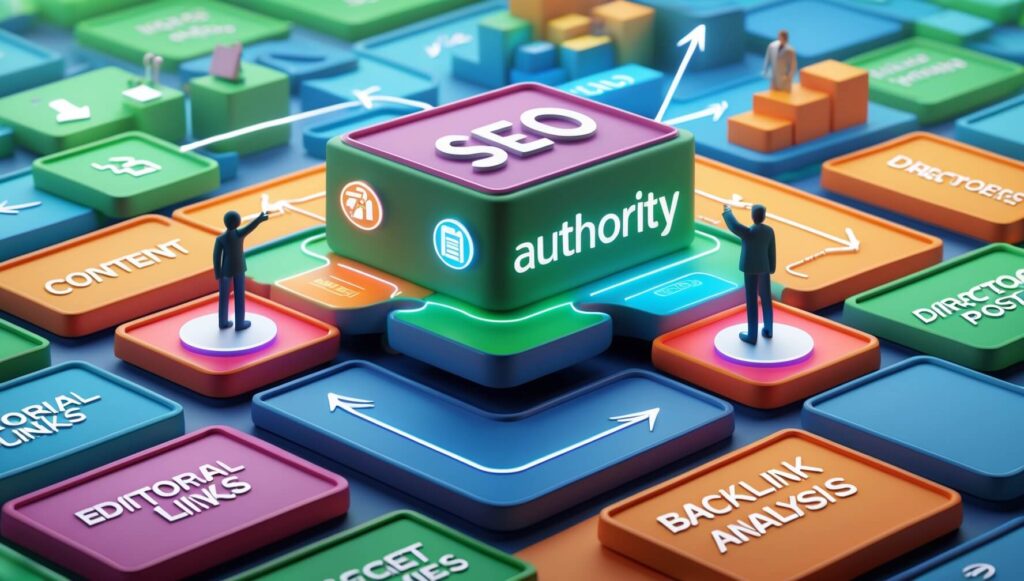
‘How Backlinks Influence SEO, Rankings, and Visibility
Understanding what are website backlinks is only the first step; the bigger question is how they influence your SEO performance. Search engines analyze backlinks in several ways: who is linking to you, how authoritative those sites are, how relevant they are to your topic, and how the links are placed on the page.
Historically, Google’s PageRank system modeled the web as a network of links, where each link transfers a certain amount of authority from the referring page to the target. Modern algorithms are much more complex, but the basic idea remains: a site with many strong, trustworthy backlinks is more likely to be seen as an authority than a site that nobody references.
| SEO Benefit of Backlinks | Why Backlinks Help |
|---|---|
| Higher rankings for target keywords | Links act as independent signals that your content is valuable, pushing key pages higher in search results. |
| Greater online visibility | As rankings improve, more people see and click your results, leading to more impressions and brand exposure. |
| More referral traffic | Visitors who discover you through links on other sites can become loyal readers, subscribers, or customers. |
| Stronger brand authority | Being cited by respected publications, tools, or communities positions your site as a trusted resource in your niche. |
Major SEO resources—including educational hubs like the Moz guide, in‑depth studies from Ahrefs, and practical overviews from Semrush—all point to backlinks as one of the top ranking signals. This is why every serious SEO strategy includes techniques for earning, analyzing, and improving links.
What Are Website Backlinks in the Context of “High Quality”?
Once you know what are website backlinks, the next question is: what makes a link “high quality” instead of risky or neutral? Search engines weigh several factors when deciding how valuable a particular link is for your site.
- Relevance: Is the linking page about a related topic, and does the link context make sense for users?
- Authority: Does the linking domain itself have a history of earning links and publishing good content?
- Placement: Is the link within the main content area, or hidden in footers, sidebars, or boilerplate sections?
- Anchor text: What words are used in the link, and do they accurately describe the page being linked?
- Naturalness: Does the link look like a genuine editorial reference, or part of an obvious pattern of manipulation?
The more a backlink looks like a real recommendation that benefits readers, the more likely it is to help your rankings. Low‑quality link networks, irrelevant site‑wide links, and obvious paid placements can do the opposite.
Building High‑Quality Backlinks: Core Strategies
Knowing what are website backlinks in theory is helpful, but you also need a practical plan to earn them. Great backlink profiles are usually built through a mix of strong content, smart promotion, and long‑term relationship building—rather than quick wins or shortcuts.
Create Content People Actually Want to Reference
The most sustainable way to earn editorial backlinks is to publish content that solves real problems better than existing resources. Examples include in‑depth how‑to guides, original research, data visualizations, checklists, and tools. When other writers or site owners look for something useful to cite, your page becomes the logical choice.
As you evaluate what are website backlinks worth pursuing, ask yourself: “Would someone link to this page even if I did not ask them to?” If the honest answer is no, focus first on improving the asset before you spend time on outreach.
Use Guest Posting Thoughtfully
Guest posting—writing articles for other reputable sites in your industry—remains a proven way to earn links and reach new audiences. The key is to prioritize quality over volume. Target a small number of relevant, high‑authority publications and pitch topics that genuinely fit their readership. Within the article, include natural references to your own content when it truly adds value.
Search engines and industry experts have warned against scaled, low‑quality guest posting used purely for links. Resources such as the Backlinko hub on backlinks and summaries from Search Engine Land both emphasize that guest content should meet editorial standards and help the host site’s audience, not just your SEO.
Develop Digital PR and Link‑Worthy Assets
Digital PR focuses on earning mentions and backlinks from news outlets, blogs, and industry sites by sharing stories, opinions, or data that journalists and editors find compelling. That might mean publishing a research report, running a survey, releasing a free tool, or offering expert commentary on timely topics. When executed well, a single PR campaign can generate dozens of high‑quality links.
To support this work, keep a list of relevant reporters, bloggers, and newsletter writers who cover your niche. When you release something noteworthy, send personalized pitches that quickly explain why their audience will care—and make linking to your resource the most convenient way to give readers more detail.
Organic Backlinks vs Paid Backlinks
As you learn what are website backlinks, you will encounter two broad acquisition models: earning links organically and paying for them. Understanding the trade‑offs is crucial if you want to protect your site from penalties and maintain long‑term SEO growth.
What Are Organic Backlinks?
Organic backlinks are links you earn without directly paying for placement. They come from people who genuinely find your content useful, discover it through search or social, and choose to reference it. This includes earned media, editorial links, natural mentions from customers or partners, and most of the “white hat” tactics you read about in reputable SEO guides.
Organic backlinks typically grow more slowly, but they tend to be higher quality and safer. They align with how search engines want the web to work: great content gets noticed and rewarded over time.
What Are Paid Backlinks—and Why Are They Risky?
Paid backlinks are links you obtain primarily through financial transactions or incentives that are not disclosed or marked in a way search engines recommend. Examples include buying placements on link farms, using automated link networks, or paying a site owner specifically to pass PageRank with a dofollow link.
Search engines explicitly warn against such practices in their guidelines on spam policies and link schemes. These links can lead to manual actions, algorithmic demotions, or devaluation of your backlink profile. While some advertisers use sponsored links marked with “nofollow” or “sponsored” attributes, those are intended for traffic and brand awareness, not for manipulating rankings.
| Organic Backlinks | Paid/Manipulative Backlinks | |
|---|---|---|
| Cost | No direct payment for placement | Require fees, discounts, or incentives |
| Long‑term value | High, support durable rankings | Unstable, may be devalued or penalized |
| Risk level | Low when earned naturally | High if used to manipulate algorithms |
| Perception | Viewed as genuine endorsements | May look artificial or spammy |
For sustainable SEO, focus your effort on organic and editorial backlinks, and treat any paid promotions as clearly disclosed advertising rather than a ranking shortcut.

Analyzing Your Backlink Profile
To move beyond theory and truly master what are website backlinks, you need to see what is already pointing to your site. Backlink analysis shows you which domains are linking to you, what anchors they use, and whether those links are helping or hurting your SEO.
Popular tools such as Ahrefs, Link Explorer, and other backlink checkers allow you to explore your link profile in detail. They reveal total backlinks, referring domains, domain ratings, anchor text distribution, and the pages on your site that attract the most links.
What to Look For in Backlink Analysis
- Diversity of domains: A healthy profile features links from many different relevant sites, not just one or two.
- Topical relevance: Most links should come from sites and pages related to your industry or subject matter.
- Authority of sources: Earning links from respected domains is more valuable than dozens from low‑quality websites.
- Anchor text variety: Natural profiles include branded, generic, and topical anchors, rather than repeating the same keyword excessively.
- Toxic or spammy links: Watch for links from obvious spam, hacked sites, or link networks that you never requested.
Regular backlink analysis helps you see which content attracts the most interest, identify partnership opportunities, and catch problems early so you can disavow or remove harmful links when necessary.
Practical Tips for Getting More Website Backlinks
Now that you understand what are website backlinks and how they are evaluated, here are hands‑on tactics you can use to earn more of them over time.
Publish Link‑Worthy Resources
Invest in “flagship” content pieces that deserve to be linked. Examples include complete beginner’s guides, ultimate checklists, industry benchmarks, free tools, or interactive calculators. When these resources genuinely help people in your niche, they naturally attract references from blogs, newsletters, and social posts.
Guest Posting and Expert Contributions
Reach out to blogs, podcasts, and newsletters in your industry and offer to contribute expert content. Suggest specific topics that fill gaps in their existing coverage. In your bio or within the article, link back to a relevant resource on your site. Over time, these partnerships not only earn backlinks but also build your personal and brand authority.
Broken Link Building
Broken link building involves finding dead links on other sites and suggesting your own relevant content as a replacement. Many website owners appreciate being alerted to broken resources, and if your page is a good fit, they may update the link to point to you. It is a win‑win: they fix a problem, and you gain a backlink.
Promote Content on Social and Email
Although social media links are usually “nofollow” and do not directly pass authority, they help more people discover your content. When you share your best work on social platforms, in communities, and via email newsletters, you increase the chances that other creators will see it and decide to link from their own articles and resources.

Finding High‑Quality Backlink Opportunities
Good backlink building is as much about targeting as it is about tactics. Once you grasp what are website backlinks, the next challenge is identifying which sites are worth approaching and which are best ignored.
- Competitor analysis: Examine the backlinks of competing sites that rank well for your target keywords. Their referrers often represent ideal prospects for your own outreach.
- Industry directories and communities: Look for curated directories, associations, and hubs in your niche where your audience already spends time.
- Content gap opportunities: Identify topics where many sites link to outdated or thin content; create something better and introduce it to those linkers.
As you research, prioritize sites that are trustworthy, relevant, and active. A single link from a respected industry resource is usually worth more than dozens from random, low‑quality blogs.
Dangers of Backlink Spam and Black Hat Tactics
Because backlinks are powerful, they are also heavily abused. Black hat SEO tactics attempt to manipulate rankings by creating artificial link patterns—such as link farms, automated blog comments, private blog networks, or massive paid placements. While these may work briefly, they violate search guidelines and can lead to penalties that are difficult to recover from.
If you truly understand what are website backlinks from a search engine’s perspective, it becomes clear why these tactics are risky: they break the trust that links are supposed to represent. Instead of helping users find better content, they clutter the web with spam. Search engines continually update their systems to detect and devalue such links, and sites caught participating can see their visibility collapse.
The safest course is to stay firmly in the “white hat” camp: focus on relevance, usefulness, and authenticity. If a tactic feels like a shortcut or something you would not want a search quality engineer to see, it is likely not worth the risk.
Monitoring and Maintaining a Healthy Backlink Profile
Once you start earning links, your work is not finished. Part of mastering what are website backlinks is understanding that link profiles evolve. New sites link to you, old links disappear, and occasionally spammy links appear without your involvement. Ongoing monitoring helps you keep your profile strong and aligned with best practices.
Regular Backlink Audits
Schedule periodic backlink audits using tools from providers like Ahrefs, Moz, Semrush, or other reputable platforms. Review new referrers, watch for sudden spikes from suspicious sources, and check whether previously strong links are still live. If you find clearly malicious or irrelevant links that you cannot remove by contacting site owners, consider using Google’s disavow tool cautiously.
Refresh and Re‑Promote Strong Assets
Content that earned links in the past can often earn more with a refresh. Update data, add new sections, improve visuals, or expand examples. Then let previous linkers know about the improved version, share it again on social, and include it in outreach to new prospects. This cycle keeps your best assets working harder for your SEO over time.
Conclusion: Turning Website Backlinks Into Sustainable SEO Growth
By now, you should have a clear answer to the question what are website backlinks and why they matter so much for modern SEO. Backlinks are not just technical metrics; they are digital recommendations that tell search engines and users which content is worth their time.
When you focus on earning high‑quality, relevant links from trustworthy sites—through valuable content, smart outreach, and ethical tactics—you build an asset that compounds over time. Your pages rank for more keywords, your brand appears in more places, and your site becomes a recognized authority in your niche.
Use what you have learned about what are website backlinks to design a backlink strategy that fits your business: start with strong on‑site content, identify realistic outreach targets, build relationships, and keep your profile clean. With patience and consistent effort, your backlink portfolio will become one of the most powerful drivers of traffic, leads, and revenue for your website.