Cart 0


Share
Table of Contents
What is Semantic SEO: Techniques and Comparison with Traditional SEO
If you want your content to rank in a search world powered by AI, entities, and intent, you need to understand What is Semantic SEO and how it differs from old‑school keyword tactics. Semantic SEO focuses on meaning and context rather than isolated phrases, helping search engines match your pages with the real questions users are asking and the topics they care about most.
By applying modern semantic SEO techniques and best practices, you can build content that answers complete topics, speaks your audience’s language, and sends clear signals to search engines about what your pages are actually about. This comprehensive guide explains What is Semantic SEO, why it matters, the benefits it brings, how it compares with traditional SEO, and the specific steps and tools you can use to put it into practice on your own site.
What is Semantic SEO?
Semantic SEO is an approach to search engine optimization that focuses on meaning, relationships, and user intent instead of just individual keywords. Rather than simply asking “Which exact phrase should I repeat?”, semantic SEO asks “What is this page really about, what related concepts do users care about, and how do those concepts connect?”
Modern search engines use natural language processing (NLP), machine learning, and large knowledge graphs to interpret queries and content. Semantic SEO aligns your site with this reality by:
- Organizing content around topics, entities, and questions instead of single phrases.
- Using natural language that reflects how people actually search and speak.
- Clarifying meaning through structured data and clear site architecture.
- Covering related subtopics and questions to fully satisfy user intent.
When you answer “What is Semantic SEO” in practical terms, it comes down to helping search engines and users understand the full context of your content so that your pages are the best possible match for a wide variety of relevant queries.
Why Semantic SEO Matters in 2026 and Beyond
Search engines have evolved far beyond simple keyword matching. Updates such as Hummingbird, RankBrain, BERT, and other AI‑driven improvements allow Google and other engines to interpret intent, synonymy, and context in a much more human‑like way. This means strategies based only on exact‑match keywords are increasingly limited.
Understanding What is Semantic SEO matters because it:
- Aligns your site with how search algorithms actually interpret language and topics.
- Improves your chances of ranking for long‑tail, conversational, and voice queries.
- Helps your content remain resilient when algorithms change, because you focus on user value and topical depth rather than tricks.
- Supports visibility in modern search features like “People also ask”, featured snippets, knowledge panels, and entity‑driven results.
In other words, semantic SEO is no longer optional if you want sustainable organic growth. It is how you future‑proof your SEO as search becomes more semantically intelligent each year.
Key Benefits of Semantic SEO
When you apply semantic SEO consistently, you unlock benefits that compound over time.
Broader Keyword and Topic Coverage
Because semantic SEO focuses on topics rather than one‑off phrases, a single well‑optimized page can rank for dozens or even hundreds of related queries. For example, a pillar page about “What is Semantic SEO” can also attract traffic from searches like “semantic search optimization”, “semantic SEO vs traditional SEO”, “semantic keyword research”, and “entity‑based SEO”, without creating separate thin pages for each variation.
This broader coverage increases impressions, brings in varied but highly relevant traffic, and reduces content duplication across your site.
Higher Relevance and Better User Signals
When your content truly matches user intent, visitors are more likely to:
- Spend more time on the page.
- Click through to related internal links.
- Convert, subscribe, or take another meaningful action.
These positive engagement signals support better rankings over time. Semantic SEO encourages in‑depth answers, logical structure, and clearer explanations, all of which improve user satisfaction and indirectly support your SEO performance.
Stronger Topical Authority
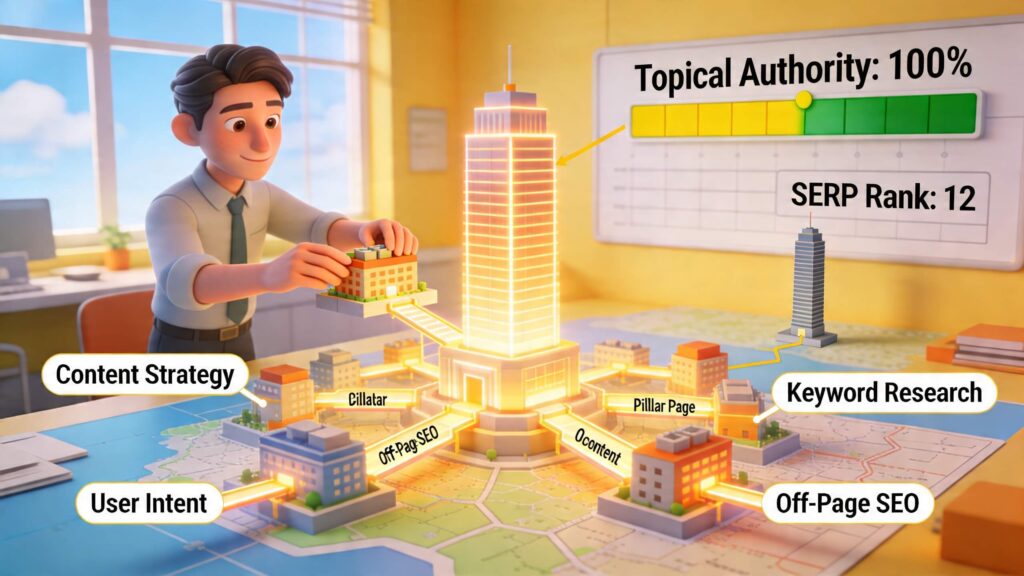
By creating interconnected clusters of content around key themes and entities, you help search engines understand that your site is an authority on those topics. This topical authority can:
- Boost rankings for new content in the same topic area.
- Increase your chances of appearing in rich results and knowledge panels.
- Improve your brand’s perceived expertise with both search engines and users.
Better Support for Voice and Conversational Search
As voice search and conversational AI continue to grow, more queries are expressed in natural language questions like “What is semantic SEO and why is it important?” instead of short keyword strings. Semantic SEO’s focus on natural language, questions, and complete answers positions your content to perform well for these evolving query types.
Semantic SEO vs Traditional SEO
To fully understand What is Semantic SEO, it helps to compare it directly with traditional SEO. Both aim to increase visibility and traffic, but they differ in focus and mindset.
Traditional SEO: Keyword‑Centric Optimization
Traditional SEO is largely keyword‑centric. It emphasizes:
- Finding individual keywords with search volume.
- Optimizing on‑page elements (title, headings, meta tags) around those exact phrases.
- Using those same phrases in anchor text and content repeatedly.
- Acquiring backlinks to signal authority.
This approach can still work, but it often leads to:
- Multiple thin pages targeting very similar keywords.
- Over‑optimized, unnatural‑sounding content.
- Gaps in coverage where related questions are never answered in depth.
Semantic SEO: Topic‑ and Entity‑Centric Optimization
Semantic SEO takes a wider, more holistic view. Instead of optimizing around isolated phrases, it focuses on:
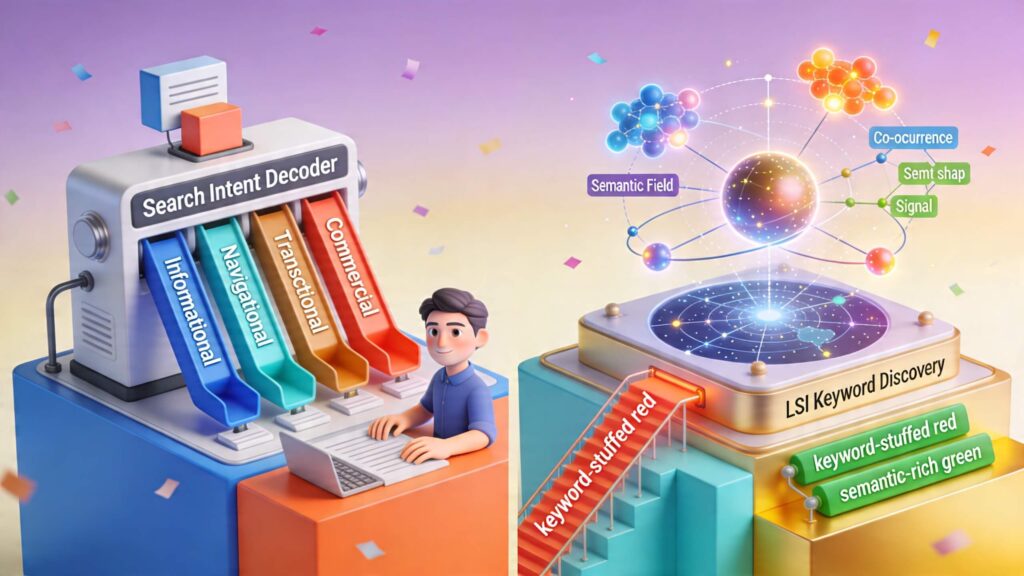
- User intent behind queries.
- Topics, concepts, and entities (people, brands, products, places, abstract ideas).
- Relationships between those entities and concepts.
- Comprehensive coverage of related subtopics and questions.
Rather than building separate pages for “semantic SEO definition”, “semantic SEO meaning”, and “what is semantic SEO”, a semantic approach combines them into a single, in‑depth resource that addresses all those angles clearly and naturally.
| Traditional SEO | Semantic SEO |
|---|---|
| Focus on exact keywords and density | Focus on intent, entities, and related concepts |
| Optimizes individual pages independently | Optimizes site‑wide content clusters and structure |
| Relies heavily on exact‑match anchor text | Uses natural anchors based on topics and relations |
| May ignore context and user questions | Emphasizes questions, context, and completeness |
In practice, the best strategies blend both: you still research and monitor keywords, but you implement them within a semantic framework that focuses on meaning and user value.
Core Semantic SEO Techniques
Now that you understand What is Semantic SEO in theory, let’s look at the concrete techniques you can use to implement it on your site.
1. Build Topic Clusters and Pillar Pages
Topic clusters are one of the foundational semantic SEO structures. A typical cluster has:
- A pillar page: an in‑depth guide covering a broad topic (for example, “What is Semantic SEO”).
- Multiple cluster pages: narrower articles that go deep into specific subtopics (for example, “Semantic keyword research”, “Entity‑based SEO”, “Semantic SEO tools”).
- Internal links: connections between cluster pages and the pillar, using descriptive anchor text that reflects the relationship between pages.
This structure helps search engines see your site as a coherent network of related information. It also makes navigation easier for users, who can move naturally from a broad overview to more detailed guides.
2. Optimize for Entities and Knowledge Graphs
Entities are the building blocks of semantic search. They include:
- People (for example, “Tim Berners‑Lee”).
- Organizations (for example, “Google”, “Schema.org”).
- Places, products, events, and creative works.
- Abstract concepts (for example, “semantic SEO”, “latent semantic indexing”).
To optimize for entities, you can:
- Explicitly name important entities in your headings and body content.
- Provide context and definitions around those entities.
- Link to authoritative external sources such as Wikipedia, Schema.org, or official product pages to reinforce identity and relationships.
- Use structured data (discussed below) to formally declare entities and their properties.
Articles from platforms like WordLift and Schema App give detailed examples of how entity optimization fuels semantic SEO.
3. Use Structured Data (Schema Markup)
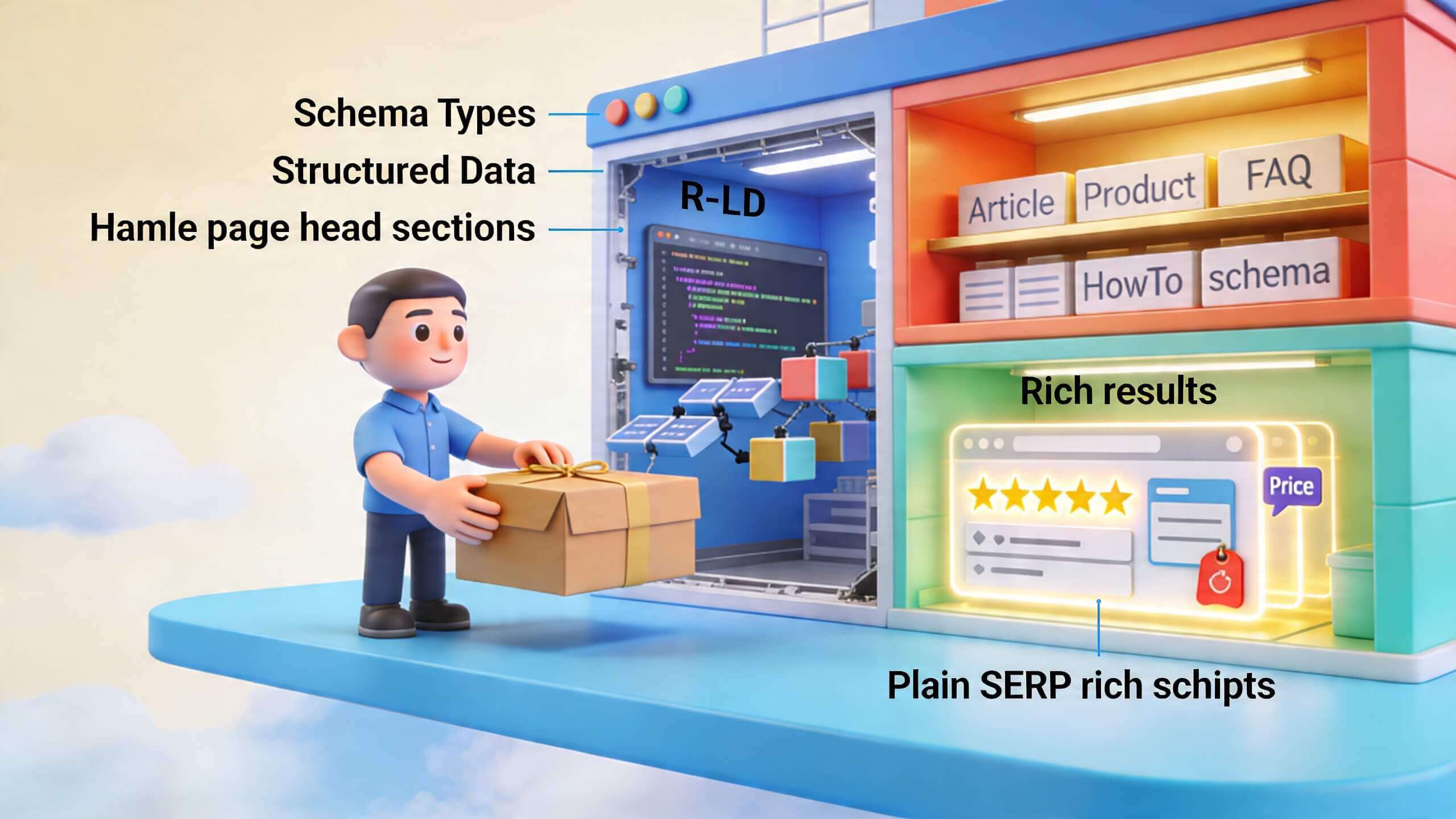
Structured data is a standardized way to describe your content to machines. The most common format is JSON‑LD, using the Schema.org vocabulary. By marking up your pages with types like Article, Product, FAQPage, or Organization, you give search engines a precise definition of what your page contains.
For example, an article answering “What is Semantic SEO” can include:
@type: Articlewith headline, author, and date.aboutproperty pointing to the semantic SEO entity.mainEntityOfPageto connect the article to the URL.
Google’s own documentation on structured data and tutorials from sites like Backlinko and Neil Patel show how schema markup improves both semantic understanding and eligibility for rich results.
4. Conduct Semantic Keyword and Topic Research
Semantic keyword research goes beyond primary keywords to uncover:
- Synonyms and close variants (for example, “semantic search optimization”, “meaning‑based SEO”).
- Related subtopics (for example, “topic clusters”, “entity SEO”, “knowledge graph optimization”).
- Common questions (for example, “What is Semantic SEO in simple terms?”, “How is semantic SEO different from traditional SEO?”).
Use tools like Semrush, Ahrefs, or SE Ranking’s semantic SEO features to identify these related terms. Then group them into logical sections of your content rather than treating each phrase as a separate page.
5. Write Natural, Comprehensive Content
Because semantic algorithms are trained on natural language, one of the simplest but most powerful semantic SEO techniques is to write clearly and conversationally:
- Use headings that match real questions your audience asks.
- Provide concise definitions first, then expand with deeper detail, examples, and use cases.
- Avoid robotic phrasing and forced keyword repetition.
- Include related terms and synonyms where they fit naturally, not just to “check boxes.”
High‑performing guides on What is Semantic SEO from sources like Semrush and Ahrefs demonstrate this natural, reader‑first style while still being richly optimized.
Semantic SEO Best Practices
To make semantic SEO a consistent part of your strategy, adopt these best practices across all your content.
Create High‑Quality, In‑Depth Content
Thin content rarely performs well in a semantic search environment. Aim for:
- Clear introductions that define the main topic (for example, “What is Semantic SEO”).
- Sections that address each major sub‑question in logical order.
- Real‑world examples, scenarios, or mini case studies to make abstract ideas concrete.
- Summaries or key takeaways that reinforce the main points.
Depth does not mean fluff; it means covering what users actually need to know to accomplish their goals or understand the concept thoroughly.
Use Schema Markup Consistently
Make schema markup part of your publishing checklist. For each new page, ask:
- Which Schema.org type best represents this content?
- Which properties can I fill with accurate data (author, date, description, main entity)?
- Are there rich result types (FAQ, HowTo, Product, Review) that make sense for this page?
Tools like TechnicalSEO’s schema generator and Google’s Rich Results Test help you generate and validate markup quickly.
Structure Your Site Around Topics, Not Just Navigation
Your main navigation might be organized by product lines or departments, but your content structure should also reflect topics and entities. That often means:
- Creating hub or pillar pages for each major topic.
- Linking from hubs to detailed articles, and back again.
- Using breadcrumb navigation that reflects logical topic hierarchies.
A well‑structured site makes it easier for crawlers to understand how your pages relate, and for users to explore related material.
Optimize for Voice and Conversational Search
As more searches are spoken out loud, optimizing for conversational queries becomes more important. To do this:
- Include question‑based headings (for example, “What is Semantic SEO in SEO?”).
- Provide short, direct answers in the first sentence or two under those headings.
- Use FAQ sections with concise Q&A pairs, marked up with FAQPage schema when appropriate.
This format helps your content appear in featured snippets and voice assistant answers, where search engines need a clean, direct response.
Ensure Strong Technical Foundations
Semantic relevance cannot compensate for poor technical performance. Make sure your site also follows technical best practices:
- Fast loading times, optimized images, and efficient code.
- Mobile‑friendly layout and responsive design.
- Clean HTML structure that makes headings and sections easy to parse.
- Secure HTTPS across all pages.
When technical SEO and semantic SEO work together, your content is both discoverable and satisfying for users.
Semantic SEO Workflow: Step‑by‑Step
To put everything together, here is a simple workflow you can follow when creating or updating content with semantic SEO in mind.
- Define the core topic and intent. For example, “What is Semantic SEO” with an informational intent aimed at marketers and content creators.
- Research related entities and subtopics. Identify concepts like “entity SEO”, “topic clusters”, “schema markup”, “search intent”, and “knowledge graph”.
- Gather semantic keywords and questions. Use tools to find related queries and “people also ask” questions, then group them logically.
- Create an outline based on questions and sections. Turn your groups into an outline of H2 and H3 headings, each addressing a clear aspect of the topic.
- Write comprehensive, natural content. Fill in each section with clear explanations, examples, and internal references to other relevant pages.
- Add internal and external links. Link to your own related content and to authoritative external sources (for example, Google documentation, recognized SEO blogs, Schema.org).
- Implement structured data. Add appropriate JSON‑LD markup, then validate it.
- Publish and monitor. Track performance in Google Search Console and analytics, then refine content, links, and structure over time.

Semantic SEO Tools
Several tools can help you research, plan, implement, and monitor your semantic SEO strategy.
| Tool Name | How It Supports Semantic SEO |
|---|---|
| Google Search Console | Shows queries, clicks, and impressions so you can see which topics and questions your content already ranks for and where to expand. |
| Semrush / Ahrefs / SE Ranking | Offer topic research, keyword clustering, “people also ask” data, and content gap analysis to inform topic clusters and semantic coverage. |
| Schema Markup Generators | Create JSON‑LD snippets for Article, Organization, FAQPage, and more, so you can easily add structured data to your pages. |
| Google’s Rich Results Test | Validates structured data and shows which rich result types your pages are eligible for. |
| Entity and NLP APIs | Tools like Google Cloud Natural Language or IBM Watson can extract entities and categories from your content so you see how machines interpret it. |
| Content Brief and Topic Tools | Services inspired by guides like Backlinko or Neil Patel help you build outlines based on top‑ranking pages and semantic gaps. |
Common Semantic SEO Mistakes to Avoid
As you apply what you have learned about What is Semantic SEO, watch out for these frequent pitfalls.
- Over‑focusing on tools, under‑focusing on users. Tools are helpful, but real people—not algorithms—are your ultimate audience. Always prioritize clarity and usefulness.
- Creating content that is long but not deep. Length alone is not enough. Avoid adding fluff just to increase word count; focus on answering more and better questions.
- Ignoring internal linking. Even great content can underperform if it is isolated. Connect related pages so search engines can see your topical structure.
- Misusing structured data. Do not mark up content that is not actually present on the page, and follow Google’s guidelines to avoid penalties.
- Forgetting to update content. Topics like semantic SEO evolve quickly. Review and refresh key articles regularly so they remain accurate and comprehensive.
The Future of Semantic SEO
Semantic SEO will only grow more important as search engines and AI models become better at understanding language and intent. Trends that will shape the future include:
- More conversational search and multi‑step queries handled by AI assistants.
- Greater emphasis on experience, expertise, author identity, and factual accuracy.
- Deeper integration of entities and knowledge graphs across search features.
- Increased expectations for comprehensive, trustworthy content on important topics.
By mastering What is Semantic SEO now and building your site around entities, topics, and user intent, you position your brand to thrive as search continues to evolve.
Conclusion
Semantic SEO is about optimizing for meaning, not just words. When you understand What is Semantic SEO and apply its techniques—topic clusters, entity optimization, structured data, natural language, and intent‑driven content—you create pages that serve users better and align with how modern search engines actually work.
Start with one core topic, such as “What is Semantic SEO”, and use the workflow in this guide to build a complete, interconnected set of resources around it. Then repeat the process for other key themes in your niche. Over time, you will build a site that is easier to understand, easier to navigate, and better equipped to earn visibility across a wide range of relevant queries.
By focusing on meaning, context, and user value, semantic SEO helps you move beyond chasing individual keywords and toward building lasting, defensible organic presence in an increasingly intelligent search landscape.