
Cart 0


Share
Table of Contents
Keyword Game: Strategies for Success in SEO
Mastering the keyword game is the single most effective way to secure sustainable organic traffic and dominate search engine results pages. In essence, the keyword game refers to the strategic practice of researching, selecting, and deploying relevant search terms within your website content to improve visibility, attract qualified traffic, and boost rankings. Success in this arena does not come from guesswork or luck—it comes from a disciplined approach that combines deep audience understanding with technical precision and ongoing optimization. Whether you are a seasoned digital marketer or a business owner seeking growth, understanding the nuances of the keyword game separates high-performing websites from those that languish on page two or three of search results. This comprehensive guide provides actionable strategies, data-driven insights, and advanced techniques to help you win the keyword game. You will learn how to build a strong keyword foundation, master on-page and off-page optimization, leverage long-tail phrases for higher conversion rates, conduct competitive analysis, and continuously refine your approach based on real performance data. By the end of this article, you will possess a complete strategic framework for turning keywords into a reliable engine for business growth.
Building a Solid Keyword Foundation Through Research
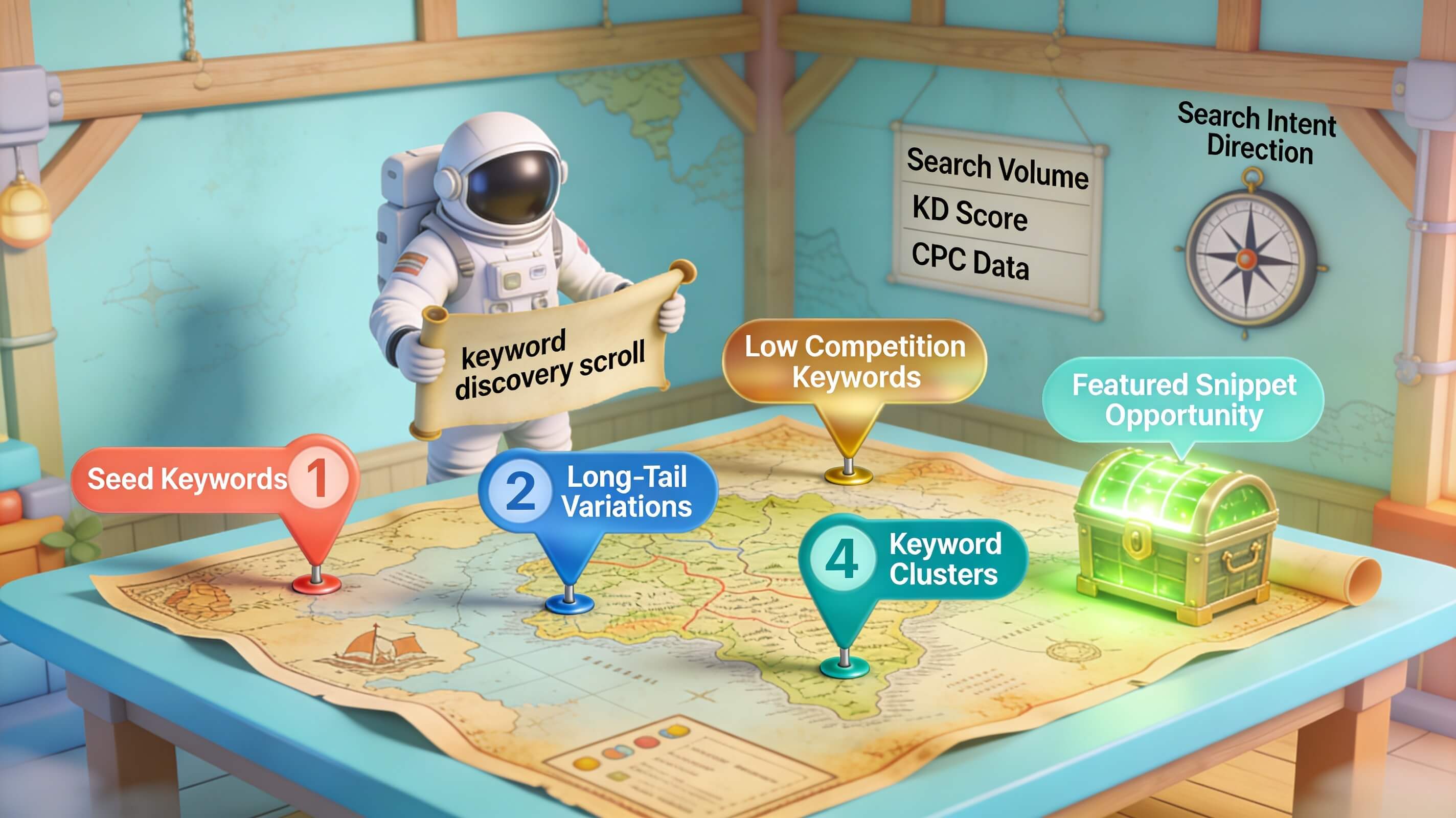
Any successful keyword game begins with rigorous research. Without a baseline understanding of what your target audience is actually searching for, you are essentially shooting in the dark. Start by using industry-leading tools such as Google Keyword Planner to uncover search volume data and competition levels for potential terms. Combine this with advanced features from platforms like Ahrefs Keywords Explorer to discover related queries, click metrics, and keyword difficulty scores. A robust keyword foundation involves more than just finding high-volume terms; it requires assessing the search intent behind each query—informational, navigational, commercial, or transactional—and aligning your content strategy accordingly.

Prioritization is the next critical step. Create a tiered list where primary keywords (high volume, high relevance) anchor your core pages, while secondary and long-tail phrases support blog posts, guides, and landing pages. Pay close attention to competition signals. Targeting a term with a difficulty score above seventy may require substantial domain authority and backlink investment; however, a slightly lower-volume term with a score under thirty may be achievable and profitable for a newer site. As you integrate these keywords into your site, ensure that titles, meta descriptions, headings, and body text incorporate them naturally. The goal is to satisfy both search engines and human readers. Monitor initial performance using Google Search Console and adjust your focus as data emerges. A solid foundation built on research and prioritization provides the stability needed to compete effectively in the keyword game over the long term.
On-Page Optimization Techniques for the Modern Keyword Game
On-page optimization remains a cornerstone of the keyword game because it directly communicates relevance and structure to search engine crawlers. Every page on your website should be treated as an opportunity to signal what the content is about and how it satisfies user intent. Title tags must include the primary keyword near the beginning, ideally within the first sixty characters, and remain compelling enough to earn clicks. Meta descriptions function as your page’s sales pitch in search results; they should incorporate the target keyword naturally while summarizing the value proposition in fewer than 160 characters. Headings (H1, H2, H3) create a logical content hierarchy. The H1 tag, which appears only once per page, should contain the primary keyword, while subheadings can integrate related variations and semantic phrases.
URL structure is another vital element. Clean, descriptive URLs that include the target keyword not only improve user experience but also assist search engines in understanding the page’s topic at a glance. Avoid strings of numbers or meaningless parameters. Alt text for images offers an additional opportunity to reinforce keyword relevance while improving accessibility for users with visual impairments. Describe the image content clearly and include the keyword when it fits naturally. Keyword density should no longer be a primary focus; instead, aim for topical depth, using synonyms and related phrases to cover a subject comprehensively. This approach signals to search engines that your content is authoritative and exhaustive. For example, a page targeting “content marketing strategy” should naturally include terms like “editorial calendar,” “audience segmentation,” “distribution channels,” and “performance metrics.” By weaving keywords, synonyms, and related concepts together organically, you create a document that is both reader-friendly and algorithmically optimized.
Off-Page Optimization Strategies That Drive Results
While on-page elements lay the groundwork, off-page optimization expands your reach and builds the authority needed to win the keyword game. Backlinks from reputable, relevant websites remain one of the strongest ranking signals in Google’s algorithm. A single high-quality link from an authoritative industry publication can move the needle more than dozens of low-quality links. Focus on earning these links through relationship-driven outreach, guest posting on established websites, and creating shareable assets such as original research, infographics, or comprehensive guides. Steer clear of link farms, paid links, or automated link-building schemes, which can trigger penalties and undo months of hard work.
Social media marketing indirectly supports off-page optimization by amplifying your content and increasing brand visibility. Share your articles across platforms where your audience spends time—LinkedIn for B2B, Instagram or Pinterest for visual brands, and Twitter for real-time engagement. While social signals are not direct ranking factors, the exposure they generate often leads to natural backlinks and increased referral traffic. Influencer outreach, when executed strategically, can provide a similar boost. Identify thought leaders in your niche who have cultivated engaged audiences. Offer them exclusive data, a co-created resource, or a genuine testimonial in exchange for a mention or link. The key is to provide value first. These off-page strategies, when combined with solid on-page foundations, create a powerful ecosystem that propels your keyword game forward.
Competitive Analysis and Strategic Keyword Targeting
To excel in the keyword game, you must understand who you are competing against and what they are doing right. Competitive analysis involves identifying your primary rivals for specific search terms and dissecting their content, backlink profiles, and on-page optimization choices. Begin by compiling a list of five to ten direct competitors in your niche. Use tools like SEMrush Domain vs Domain to compare organic keywords, estimated traffic, and ranking positions side by side. Focus on the keywords where competitors outperform you—these are your immediate opportunities for improvement.
Once you have identified high-value keywords that competitors rank for, analyze their content depth and quality. Are they using multimedia elements? Do they include data points, expert quotes, or original research? Look for gaps in their coverage that you can fill with a more comprehensive, better-structured, or more engaging piece. Compile your findings into a straightforward competitive analysis table to visualize opportunities clearly:
| Keyword | Your Current Rank | Competitor A Rank | Competitor B Rank | Opportunity Level |
|---|---|---|---|---|
| keyword game strategies | 15 | 3 | 5 | High |
| SEO keyword foundation | 8 | 2 | 4 | Medium |
| long-tail keyword optimization | 22 | 7 | 10 | High |
| off-page SEO techniques | 12 | 6 | 8 | Medium |
Use this comparison to prioritize your efforts. For keywords with high opportunity (big gap between your rank and competitors), allocate resources to create superior content, build targeted links, and refresh existing pages. For medium-opportunity terms, incremental improvements—such as updating meta descriptions, adding internal links, or improving page speed—may be sufficient. By adopting a data-driven approach, you can allocate your budget and time where they produce the greatest return in the keyword game.

The Power of Long-Tail Keywords in Your SEO Game Plan
Long-tail keywords—phrases consisting of three or more words that reflect specific search intent—are often the hidden key to unlocking profitable traffic. While they generate lower individual search volumes compared to broad head terms, they typically attract visitors who are further along in the buying cycle and more likely to convert. For example, a user searching for “best noise-canceling headphones for commuting” has a clearer intent than someone searching simply for “headphones.” Winning the keyword game means recognizing that conversion quality matters as much as sheer traffic volume.
Identifying profitable long-tail phrases requires digging deeper into keyword research tools and listening to your audience. Examine the “People also ask” boxes on Google, review customer support inquiries, and mine the search queries report in Google Search Console. These sources reveal the exact language your potential customers use when they are ready to take action. Once you have a list of relevant long-tail terms, create content that directly addresses those specific needs. A blog post titled “How to Clean Leather Boots Without Damaging Them” targets a precise query and will likely rank faster for that term than a broad article about boot care. Internal linking strategies should weave these long-tail-focused pieces together, building topical clusters that reinforce your authority across multiple related queries. Over time, the cumulative effect of dominating dozens or hundreds of long-tail terms can generate a steady stream of high-intent traffic that is resilient to algorithm changes.
Monitoring and Adjusting Your Keyword Strategy for Sustained Growth
The keyword game is not a one-time setup—it is an ongoing process that demands regular monitoring and smart adjustments. Stagnation is the enemy of long-term SEO success. Use tracking tools to record your rankings for target keywords on a weekly or monthly basis. Pay attention not just to position changes, but also to fluctuations in click-through rates, impressions, and average position. If a previously high-ranking term begins to slip, investigate potential causes: new competitor content, changes in search intent, algorithm updates, or technical issues on your site.
Adjust your strategy based on what the data reveals. If a secondary keyword is driving surprising traffic and conversions, consider creating additional content around that theme or upgrading existing pages to target it more directly. Conversely, if a primary keyword has become too competitive, it may be wise to shift focus toward nearby long-tail variations or related semantic terms. Regularly revisit your keyword research to capture emerging trends, seasonal shifts, and changes in user behavior. The digital landscape evolves quickly, and the best SEO practitioners treat their keyword game as a living document—constantly refined, expanded, and optimized. This iterative approach ensures that your website remains relevant and continues to attract qualified traffic even as the competitive landscape shifts.
Mobile Optimization as a Critical Component of Keyword Success
In an era where mobile devices account for a majority of global web traffic, mobile optimization is non-negotiable for anyone serious about the keyword game. Google uses mobile-first indexing, meaning the search engine predominantly uses the mobile version of a page for ranking and indexing. If your site delivers a poor mobile experience, even the best keyword strategy will fail to achieve its full potential. Fast loading times, responsive design, and touch-friendly navigation directly influence both user behavior and search rankings.
Begin by auditing your site’s mobile performance using tools like Google PageSpeed Insights. Aim for a mobile score of ninety or above. Common issues that harm mobile experience include unoptimized images, render-blocking JavaScript, and pop-ups that cover content. Test font sizes to ensure they are readable without zooming on small screens. Button placement and link spacing should accommodate touch targets—generally at least 48 by 48 pixels. Also, simplify navigation by using a hamburger menu or priority-based nav bars that reduce clutter. A mobile-friendly site not only satisfies ranking criteria but also reduces bounce rates and increases dwell time, both of which send positive signals to search engines. When your pages load quickly and appear cleanly on any device, the keyword game becomes significantly easier to win.
Content Marketing and Its Role in Keyword Performance
Content is the vehicle through which keywords deliver their value. Without high-quality, engaging content, even the most meticulously researched keywords will fail to drive meaningful results. The first step in any content-led keyword game is to match each piece of content to a specific stage of the buyer’s journey. Informational terms should lead to blog posts, guides, or explainer videos that educate and build trust. Commercial terms should connect to comparison pages, case studies, or detailed product descriptions that guide decision-making. Transactional terms, such as “buy” or “subscribe” phrases, naturally point to landing pages optimized for conversion.
Diversify your content formats to capture different preferences and search features. Written articles remain foundational, but integrating video content, podcasts, interactive tools, and downloadable assets can significantly expand your reach. Google’s SERP features, like featured snippets and “People also ask” boxes, often pull from well-structured content that answers specific questions concisely. To optimize for these opportunities, present clear definitions and step-by-step instructions within your content. For instance, a simple featured snippet-optimized section might read: “The keyword game is the systematic practice of researching, selecting, and deploying targeted search terms across website content to improve organic visibility and attract qualified traffic.” Follow such definitions with numbered steps that provide actionable value. This structure increases the likelihood of capturing prime SERP real estate.
User experience also plays a pivotal role in content effectiveness. Visual hierarchy, white space, and scannable formatting—short paragraphs, bold key points, and occasional tables—keep readers engaged. When content is easy to digest, users stay longer, explore more pages, and are more likely to share it. These behavioral signals reinforce your keyword efforts. Remember that quality trumps quantity every time. Publishing one in-depth, authoritative piece that covers a topic comprehensively will outperform ten thin articles crammed with keywords. The best content marketers treat their work as an investment, revisiting and updating evergreen pieces as new data emerges or industry standards shift.
Conclusion
Winning the keyword game requires a disciplined blend of research, technical precision, content excellence, and ongoing iteration. There is no shortcut to sustainable rankings, but the strategies outlined in this guide provide a clear path forward. Start by building a robust keyword foundation grounded in real search data and user intent. Optimize every on-page element—title tags, headings, URLs, and alt text—to maximize relevance. Expand your authority through strategic off-page efforts, including quality backlinks, social amplification, and influencer partnerships. Use competitive analysis to uncover gaps and prioritize opportunities, and never underestimate the power of long-tail phrases to bring in high-converting traffic. Monitor performance relentlessly and adjust your approach based on empirical evidence rather than intuition. Ensure your site is fully optimized for mobile users and invest heavily in creating content that genuinely serves your audience’s needs. The cumulative effect of these actions will compound over time, resulting in steady traffic growth, improved search visibility, and stronger business outcomes. If you are ready to take your SEO performance to the next level, start today by auditing your current keyword game and implementing one change—whether it is refreshing an underperforming page, targeting a new long-tail term, or improving mobile speed. Consistent, smart execution is the only formula that guarantees lasting success in the ever-evolving world of search.


Comments are closed.